ExploreTravel GuidesPlan a trip
    de|en
    All Places & RegionsAbout FernwehFAQPrivacy PolicyImprint
    ExploreTravel GuidesPlan a trip
    • Overview
    • Places in the region
    • Food culture
    • Culture
    • Getting around
    • Nearby
    Murcia
    Region

    Spain

    Murcia

    The Murcia region in southeast Spain has a dry, sunny climate with mild winters. The capital, Murcia, is known for its baroque cathedral facade and the Huerta, a traditional fruit and vegetable growing area.

    1. Home
    2. Destinations
    3. Spain
    4. Murcia
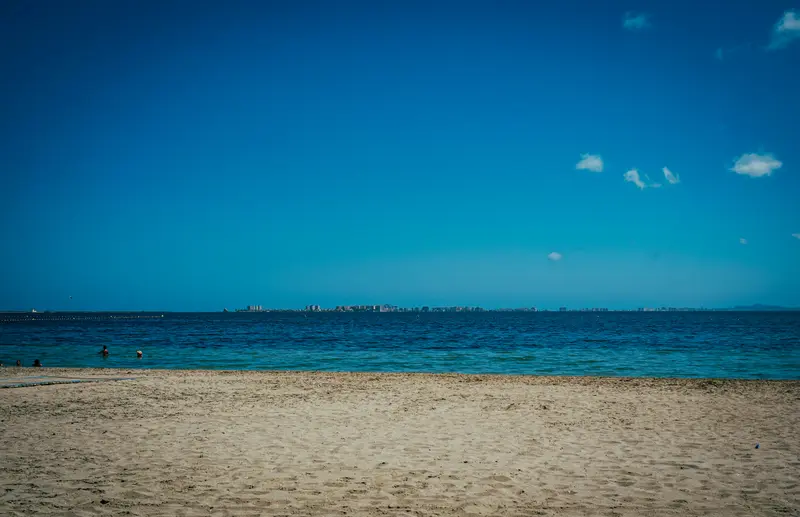
    The Murcia region in southeast Spain has a dry, sunny climate with mild winters. The capital, Murcia, is known for its baroque cathedral facade and the Huerta, a traditional fruit and vegetable growing area. On the coast are the port city of Cartagena with its Roman theatre and the Mar Menor, a large saltwater lagoon.
    The Region of Murcia is a small autonomous community in southeastern Spain between Andalusia and Valencia. Along its 250-km Costa Cálida are the Mar Menor, a large lagoon separated from the Mediterranean by a sandbar, and the unspoiled Calblanque Natural Park. Inland, the irrigated Huerta, dry ranges like Sierra Espuña, and towns like Lorca and Caravaca de la Cruz define the scenery. The capital, Murcia, and the port city of Cartagena are its two centers.
    Murcia

    Place 1 of 2

    Murcia

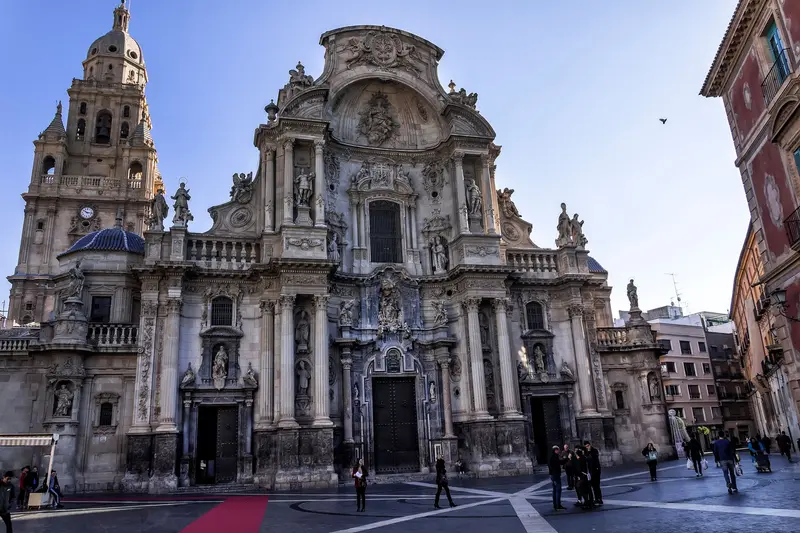
    Murcia lies on the Segura River in the Huerta, an agricultural area irrigated since Moorish times. The Santa María Cathedral with its baroque main façade, the Casino with its opulent halls, and the Plaza de las Flores form the core of the old town.

    Murcia, with around 470,000 inhabitants, is one of Spain's larger cities but is often overlooked by travelers. The old town north of the Segura River is compact: From the cathedral, the pedestrian streets Trapería and Platería lead to squares with tapas bars, such as Plaza de las Flores.

    Discover
    Cartagena

    Place 2 of 2

    Cartagena

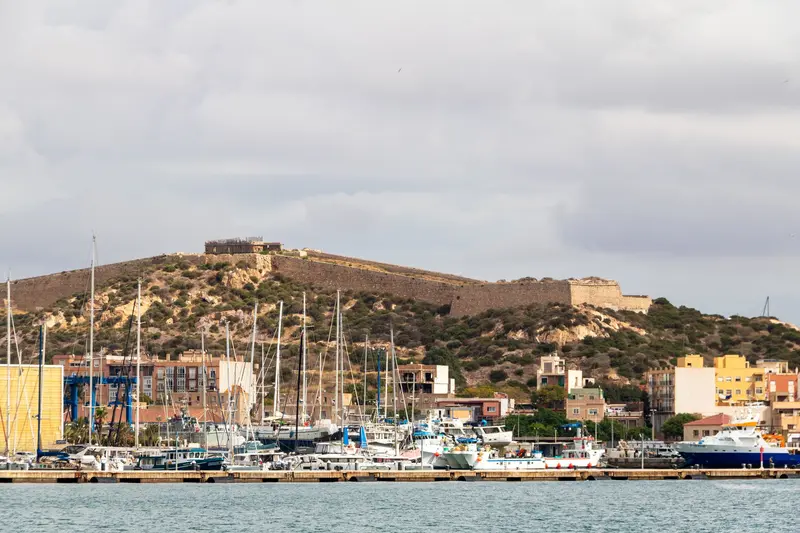
    Founded by the Carthaginians as Qart Hadasht around 227 BC, Cartagena remains a major naval port to this day.

    Cartagena, with just over 200,000 inhabitants, is situated on a protected natural harbour that has been used as a port since antiquity. The Old Town, nestled between the harbour and five hills, is compact: Modernisme facades line Calle Mayor, and the Roman Theatre lies just behind.

    Discover

    Eating & Drinking

    Huerta Vegetables

    Zarangollo of zucchini, onion, and egg, along with grilled vegetables, are among the region's typical tapas.

    Caldero

    Rice, cooked in a fish stock with dried Ñora peppers, a specialty of Mar Menor.

    The Asian

    Cartagena coffee with condensed milk, brandy, Licor 43 & cinnamon, in a special glass.

    Culture

    Baroque and the CarthaginiansCartagena was founded by the Carthaginians and was an important port city in Roman times. Murcia was established in the 9th century under Moorish rule and experienced a golden age in the 18th century, from which date the Baroque facade of its cathedral and the processional figures by sculptor Francisco Salzillo. Holy Week is celebrated with great pageantry in Murcia, Cartagena, and Lorca.For years, the Mar Menor has suffered from nitrate pollution from agriculture, which has repeatedly led to algal blooms and fish kills.

    On-site exploring

    The Región de Murcia Airport is located near Corvera, about 25 kilometers south of the capital. Murcia is connected to Madrid by high-speed train, and regional trains run to Cartagena and Alicante. For the coast, the Mar Menor, and the hinterland, a rental car is practical.
    Nearby

    Murcia

    Murcia

    Murcia lies on the Segura River in the Huerta, an agricultural area irrigated since Moorish times. The Santa María Cathedral with its baroque main façade, the Casino with its opulent halls, and the Plaza de las Flores form the core of the old town.
    Cartagena

    Cartagena

    Founded by the Carthaginians as Qart Hadasht around 227 BC, Cartagena remains a major naval port to this day. The unearthed Roman Theatre, Modernisme facades on Calle Mayor, and fortifications overlooking the port tell a story of over two millennia of city history.
    Elche (Elx)

    Elche (Elx)

    Elche (Elx) ist weltbekannt für seinen UNESCO-geschützten Palmenhain, den größten Europas, und seine reiche Geschichte mit dem berühmten Mysterienspiel.
    Alicante

    Alicante

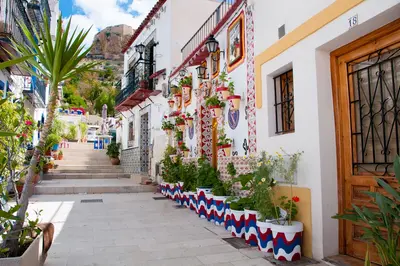
    Alicante, a vibrant port city on the Costa Blanca, blends historical charm with Mediterranean flair. The imposing Castillo de Santa Bárbara overlooks the city, offering expansive views over the bay; you can reach the Moorish-influenced fortress on foot or by elevator. Stroll along the famous Explanada de España, a palm-lined promenade with a wave mosaic, leading to the harbour. Discover the picturesque district of Barrio de Santa Cruz with its narrow streets and flower-adorned houses. Find authentic culinary experiences in the Old Town's tapas bars. Visit the castle ideally early in the morning or late afternoon to avoid the midday heat and capture the best light.
    Costa Blanca

    Costa Blanca

    The coast of Alicante province, known as Costa Blanca, stretches from Dénia in the north to Pilar de la Horadada on the Murcia border. To the north, limestone mountains like Montgó and Penyal d'Ifac drop steeply into the sea, dotted with coves and small ports. South of Alicante, the coast becomes flat, featuring long sandy beaches, salt flats, and dunes.You'll find resorts like Benidorm, old towns such as Altea, Elche's palm grove, and a mountainous interior with villages like Guadalest.