Family Friendly?
Great for families
School Holidays & Travel Time
Most families travel during summer holidays (July/August). Plan early and book in advance – expect higher prices and more tourists during this time.
Kid-Friendly Infrastructure
Good facilities for families (changing rooms, childcare, etc.)
Planning a family trip to Greece? Here are valuable tips, kid-friendly activities, and everything you need for an unforgettable journey.
Recommended Routes for Families
Discover the best round trips and routes in Greece that are perfect for families with children.
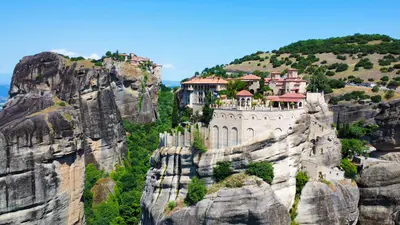
Northern Greece & Meteora
From Thessaloniki, you drive to the Royal Tombs of Vergina and on to the rock monasteries of Meteora. Via the Pindos Mountains, you finally reach Ioannina on Lake Pamvotida, the gateway to the Zagori villages.
Crete West-East
From Chania, head to the southwestern tip, Elafonissi, then east via Rethymno to Heraklion with the Palace of Knossos. After a detour to Matala on the south coast, the journey ends at Vai Palm Beach in the far east; this leg takes about three and a half hours.
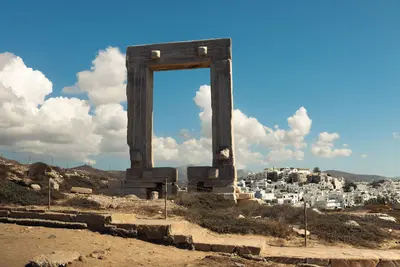
Athens & Cyclades: Paros and Naxos
After three nights in Athens, the ferry from Piraeus takes you to Paros in three to four hours. From there, it's just about 45 minutes by ferry to Naxos, where you spend your last five nights.
Kid-Friendly Places & Regions
These places and regions in Greece are particularly well-suited for families with children.
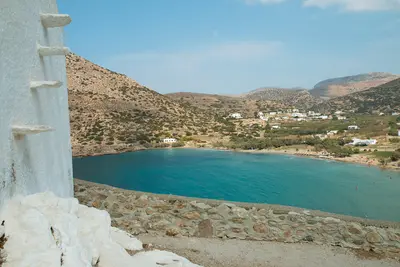
Travel Climate for Families
Important information about climate, weather, and the best travel time for your family vacation in Greece.
16–25°C·20–50 mm(little rain)
Die Monate April, Mai, September und Oktober bieten das ideale Reisewetter für Griechenland. Die Temperaturen sind angenehm warm, ideal für Sightseeing und Strandaktivitäten, aber die Touristenmassen des Hochsommers sind geringer und die Preise moderater. Das Meer ist im Herbst (September, Oktober) noch besonders warm.
Griechenland besitzt ein überwiegend mediterranes Klima mit heißen, trockenen Sommern und milden, feuchten Wintern. Die Wetterbedingungen können jedoch je nach Region variieren:Inseln und Küstengebiete (Ägäis, Ionische Inseln, Südgriechenland): Hier dominiert das klassische mediterrane Klima. Die Sommer sind sehr heiß und sonnig mit kaum Niederschlägen. Im Juli und August können die Temperaturen oft über 35°C steigen. In den Ägäischen Inseln kann in den Sommermonaten der sogenannte Meltemi-Wind wehen, ein starker, trockener Nordwind, der für Abkühlung sorgt, aber auch den Fährverkehr beeinträchtigen kann. Die Winter sind mild und feucht, mit gelegentlichen Regenfällen.Zentrales und Nördliches Festland (Makedonien, Thrakien, Epirus): In diesen Regionen gibt es stärkere kontinentale Einflüsse. Die Sommer sind ebenfalls heiß, aber tendenziell feuchter als im Süden und können Gewitter mit sich bringen. Die Winter sind kälter, mit häufigerem Frost und Schneefall in den Bergregionen.Gebirgsregionen: Höhere Lagen erleben kühle bis kalte Winter mit reichlich Schneefall, was Griechenland auch zu einem Ziel für Wintersport macht. Die Sommer sind hier angenehm mild.Generell gilt: Für Strandurlauber sind die Monate Juni bis September ideal, wobei Juli und August am heißesten und belebtesten sind. Für Kultur- und Aktivurlauber eignen sich die Frühlings- und Herbstmonate am besten, um der extremen Hitze und den Menschenmassen zu entgehen.
Seasons
Jan
Feb
Mar
Apr
May
Jun
Jul
Aug
Sep
Oct
Nov
Dec
Trockenzeit
Zwischensaison
Regenzeit
Best Time to Visit
▶Show detailed monthly data
| Month | Temp (°C) | Rain (mm) | Sun (h) |
|---|---|---|---|
| January | 9.0 | 80 | 4.0 |
| February | 10.0 | 70 | 5.0 |
| March | 12.0 | 60 | 6.0 |
| April | 16.0 | 40 | 8.0 |
| May | 21.0 | 25 | 10.0 |
| June | 26.0 | 10 | 11.0 |
| July | 29.0 | 5 | 12.0 |
| August | 29.0 | 5 | 11.0 |
| September | 25.0 | 20 | 9.0 |
| October | 20.0 | 50 | 7.0 |
| November | 15.0 | 85 | 5.0 |
| December | 11.0 | 90 | 4.0 |
Consider School Holidays
The main travel times for families often fall during school holidays (July/August in Germany, Austria, and Switzerland). Plan early and book in advance, as higher prices and more tourists are expected during this time.
Summer Holidays
Summer holidays are the most popular travel time for families. In Greece, it can get very warm during this time – make sure to have enough shade, sun protection, and cool activities for the children.
Videos & Reportages
Get inspired by these videos and reportages about Greece and get a first impression of kid-friendly activities and sights.

"Zwischen Thessaloniki Olymp und Chalkidiki"
Dieses Video erkundet die malerische Region zwischen der nordgriechischen Metropole Thessaloniki, dem majestätischen Berg Olymp und der wunderschönen Halbinsel Chalkidiki.
Family Tips for Greece
Greece is an easygoing destination for families. Children are naturally welcome in tavernas and village squares, even in the evenings.General InformationChildren are usually warmly welcomed in restaurants and shops. The security situation is unproblematic; in Athens, standard precautions apply. Mid-summer can be very hot, so May, June, and September are often better for families. Sun protection is necessary all year round.ActivitiesBeaches: Many sandy beaches have shallow entry. The Blue Flag indicates certified water quality and facilities.Ancient Sites: The Acropolis or Knossos come alive for older children with myths and stories. Go early in the morning and plan short visits; shade is often scarce.Nature: Easy hikes, boat trips to coves, and bike tours are possible in many places.Museums: Many are manageable in size; children and teenagers from the EU usually have free entry to state museums and sites.Water Parks can be found on the large islands and in holiday regions.PracticalitiesBaby Essentials: Diapers and baby food are available in supermarkets and pharmacies. Organic or specialty products are not available everywhere.Medical Care: Sufficient in cities and holiday regions, often only a health center on small islands. Doctors frequently speak English.Heat: Pay attention to head coverings, light clothing, and sufficient water, especially at midday.Accommodation and FoodAccommodation: Many hotels offer family rooms, children's pools, and playgrounds. Holiday apartments provide more space and a kitchen.Food: Souvlaki, Keftedes, pasta, Tzatziki, yogurt, and fruit are usually popular with children. High chairs are rarer in simple tavernas.Getting AroundStrollers: Cobblestones, steps, and gravel paths in old towns, island villages, and archaeological sites often make a baby carrier more practical.Car Seats: Car seats are mandatory by car. Reserve them in advance with your rental car, as taxis rarely have them.Ferries: Large ferries offer space to move around and onboard restaurants, while fast catamarans are more cramped and rock more.
General Tips
Planning Activities
Plan varied activities that are interesting for both adults and children.
Timing Your Trip
Keep school holidays, climate, and local events in mind.