ExploreTravel GuidesMy Trips
    de|en
    All Places & RegionsAbout FernwehFAQPrivacy PolicyImprint
    ExploreTravel GuidesMy Trips
    Merapi
    Mountain

    Merapi

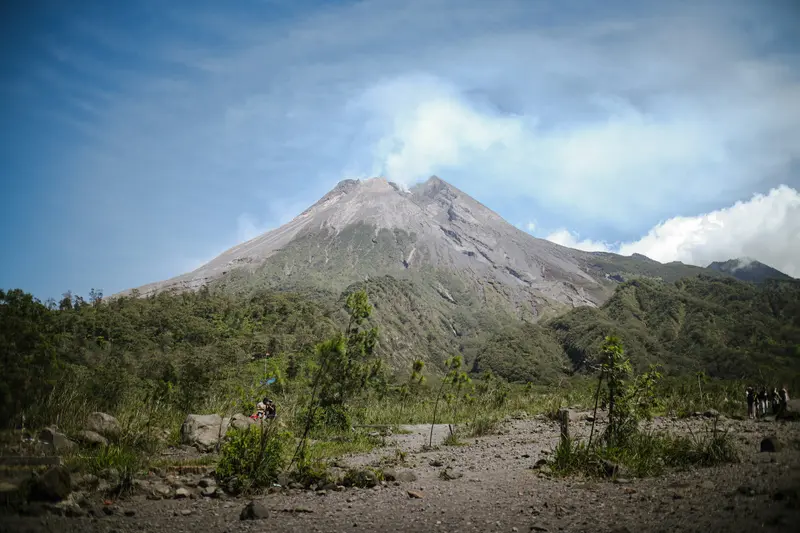
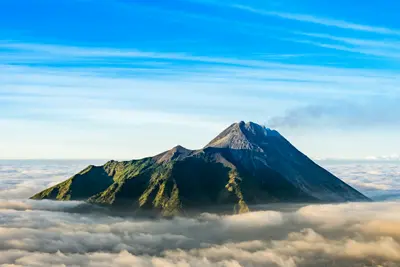
    Merapi, north of Yogyakarta, stands at nearly 2,900 m and is one of Indonesia's most active volcanoes. On its southern flank, museums and traces from the 2010 eruption speak of life and danger on the mountain.

    More
    1. Home
    2. Destinations
    3. Indonesia
    4. Central Java and Yogyakarta
    5. Merapi
    Merapi, north of Yogyakarta, stands at nearly 2,900 m and is one of Indonesia's most active volcanoes. On its southern flank, museums and traces from the 2010 eruption speak of life and danger on the mountain.
    Mount Merapi is located about 30 km north of Yogyakarta and erupts regularly. The 2010 eruption killed several hundred people and destroyed entire villages on the southern flank. Today, jeep tours lead through the eruption area to a bunker, to ruins, and to viewpoints. The starting point on the south side is the mountain town of Kaliurang, offering museums and a cooler climate. Ascending the summit is restricted depending on the warning level; inquire beforehand with authorities or local operators.

    Sights in Merapi

    Discover the most important sights and attractions

    Museum Gunungapi Merapi
    Museum

    Museum Gunungapi Merapi

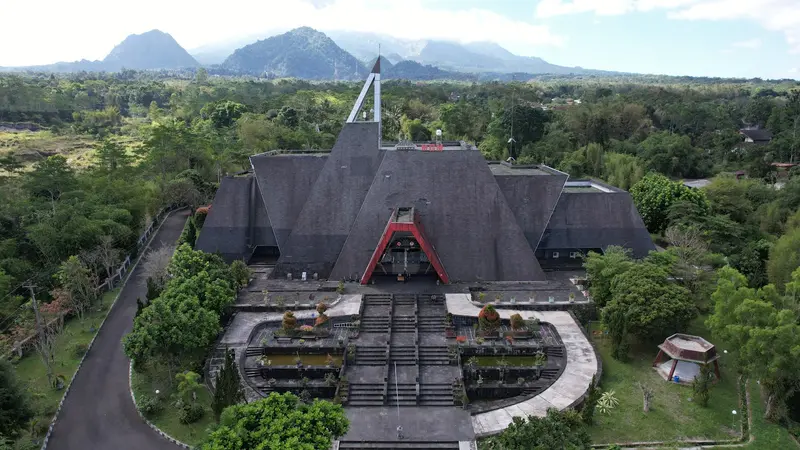
    Museum on volcanism and the eruption history of Merapi, with models and a film screening.
    Open in Google Maps
    Bunker Kaliadem
    Attraction

    Bunker Kaliadem

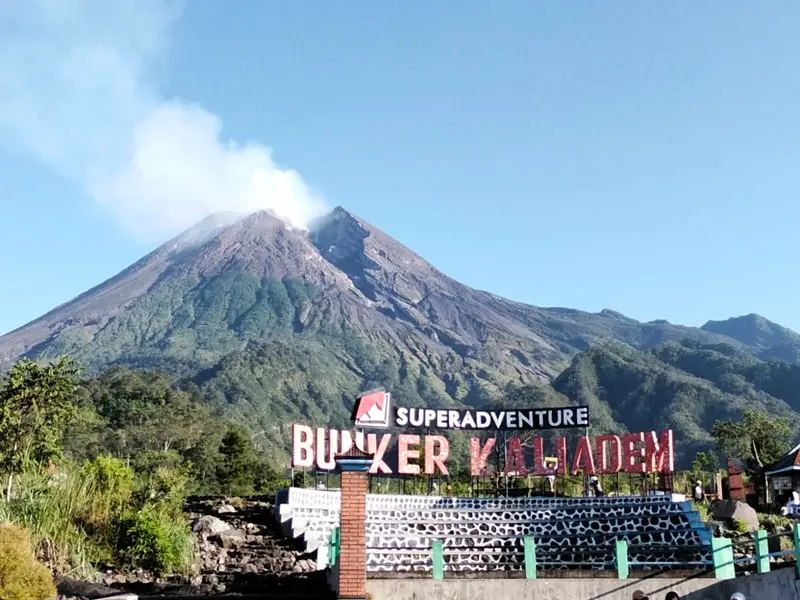
    Bunker on the south flank, overlooking the peak. A must-stop on Jeep tours.
    Open in Google Maps
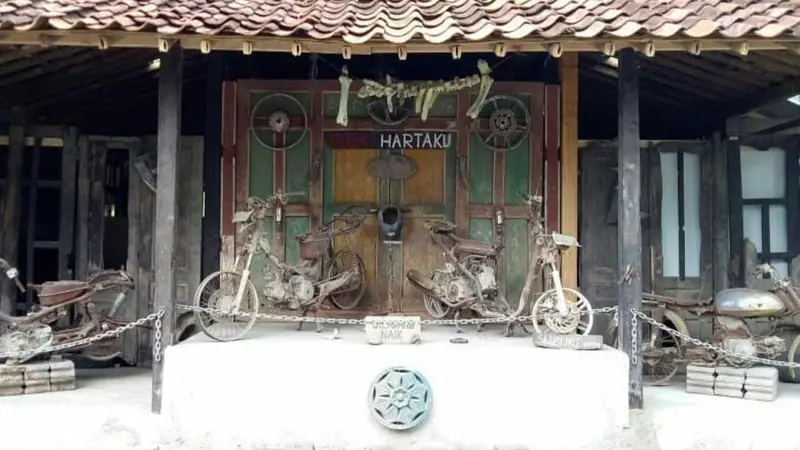
    Museum Sisa Hartaku
    Museum

    Museum Sisa Hartaku

    Private museum in a residential house destroyed by the 2010 eruption. Burnt items of the residents are on display.
    Open in Google Maps

    Sights in Merapi

    Discover the most important sights and attractions
    Museum Gunungapi Merapi
    Museum

    1Museum Gunungapi Merapi

    Museum on volcanism and the eruption history of Merapi, with models and a film screening.
    Open in Google Maps
    Bunker Kaliadem
    Attraction

    2Bunker Kaliadem

    Bunker on the south flank, overlooking the peak. A must-stop on Jeep tours.
    Open in Google Maps
    Museum Sisa Hartaku
    Museum

    3Museum Sisa Hartaku

    Private museum in a residential house destroyed by the 2010 eruption. Burnt items of the residents are on display.
    Open in Google Maps

    Restaurants in Merapi

    Roots

    For the Javanese, Merapi is a sacred mountain. The Sultan of Yogyakarta annually holds the ceremony Labuhan Merapi, where offerings are brought to the mountain. Many residents on its slopes returned after the 2010 eruption because the volcanic soils are fertile.

    Getting There and About

    From Yogyakarta, you travel to Kaliurang by car, scooter, or Grab in about an hour. Lava tours start with open jeeps in the villages around Kaliurang and last one to three hours. Many accommodations in Yogyakarta arrange tours with pick-up, often for sunrise.

    Day Trips

    Merapi Lava Tour

    Jeep tour through the 2010 eruption area with stops at Bunker Kaliadem and the Sisa Hartaku Museum.

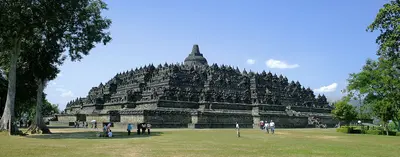
    Borobudur

    Buddhist temple complex west of Merapi, often combined with a sunrise tour.

    Accommodations in Merapi

    Find perfect stay in Merapi

    Booking.com* (Affiliate link)
    Search Hotels
    Agoda* (Affiliate link)
    Search Hotels
    Airbnb
    Vacation Rentals

    * Affiliate link: if you book through it, we earn a small commission. The price stays the same for you.
    Nearby

    Central Java and Yogyakarta

    Central Java and Yogyakarta

    Central Java, including the Yogyakarta Special Region, is the historical heartland of Javanese culture. The Borobudur and Prambanan temples, the Sultan's courts of Yogyakarta and Solo, and the active Merapi volcano are all located here in a compact area.
    Prambanan
    CEphoto, Uwe Aranas / Wikimedia Commons / CC BY-SA 3.0

    Prambanan

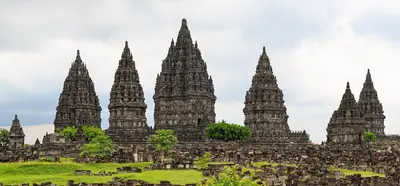
    Prambanan, east of Yogyakarta, is Indonesia's largest Hindu temple complex and a UNESCO World Heritage site. The pointed towers of the 9th-century main complex are dedicated to Shiva, Vishnu, and Brahma; nearby lie other temples such as Sewu and Plaosan.
    Borobudur

    Borobudur

    Borobudur, located in the Kedu Plain, is the world's largest Buddhist temple complex and a UNESCO World Heritage site. Built in the 8th and 9th centuries, the step pyramid features over 2,600 reliefs and 72 openwork stupas, surrounded by volcanoes and rice fields.
    Yogyakarta
    Crisco 1492 / Wikimedia Commons / CC BY-SA 3.0

    Yogyakarta

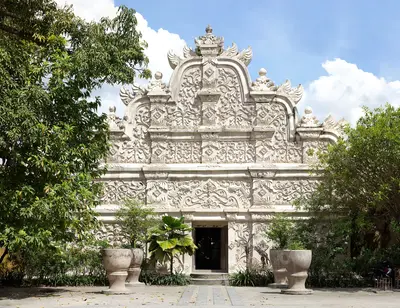
    Yogyakarta, or Jogja for short, is home to a still-reigning Sultan and a hub of Javanese art and education. Kraton, batik workshops, shadow puppetry, and a lively student scene shape the city, which is also the starting point for Borobudur and Prambanan.
    Solo (Surakarta)

    Solo (Surakarta)

    Solo, officially Surakarta, is, alongside Yogyakarta, the second hub of Javanese court culture. Two royal houses, batik districts, and a distinctive cuisine characterize the city, which is quieter and less touristy than its neighbor.