ExploreTravel GuidesMy Trips
    de|en
    All Places & RegionsAbout FernwehFAQPrivacy PolicyImprint
    ExploreTravel GuidesMy Trips
    • Neighborhoods & highlights
    • Eat & drink
    • Food culture
    • Culture
    • Getting around
    • Excursions
    • Accommodation
    • Plan trip
    • Nearby
    Yogyakarta
    City

    Yogyakarta

    Yogyakarta, or Jogja for short, is home to a still-reigning Sultan and a hub of Javanese art and education.

    More
    1. Home
    2. Destinations
    3. Indonesia
    4. Central Java and Yogyakarta
    5. Yogyakarta
    Yogyakarta, or Jogja for short, is home to a still-reigning Sultan and a hub of Javanese art and education. Kraton, batik workshops, shadow puppetry, and a lively student scene shape the city, which is also the starting point for Borobudur and Prambanan.
    Yogyakarta has around 400,000 inhabitants; with the surrounding area, it's well over a million. The historic center is formed by the walled Kraton district with its palace, Taman Sari water castle, and the two Alun-Alun squares. To the north, Malioboro shopping street leads to Tugu Station; south of the Kraton is the traveler district Prawirotaman with guesthouses and cafés. The axis from Merapi, via the Kraton, to the Indian Ocean has been a UNESCO World Heritage site since 2023. Within the center, you can easily get around by becak, Grab, or on foot; for the temples, you'll need a driver.
    The Kraton district is the historic heart, Malioboro the lively shopping street, Prawirotaman the travelers' quarter, and in the southeast, Kotagede beckons with silversmiths.

    Sights in Yogyakarta

    Discover the most important sights and attractions

    Kraton Ngayogyakarta Hadiningrat
    CEphoto, Uwe Aranas / Wikimedia Commons / CC BY-SA 3.0
    Historic Landmark

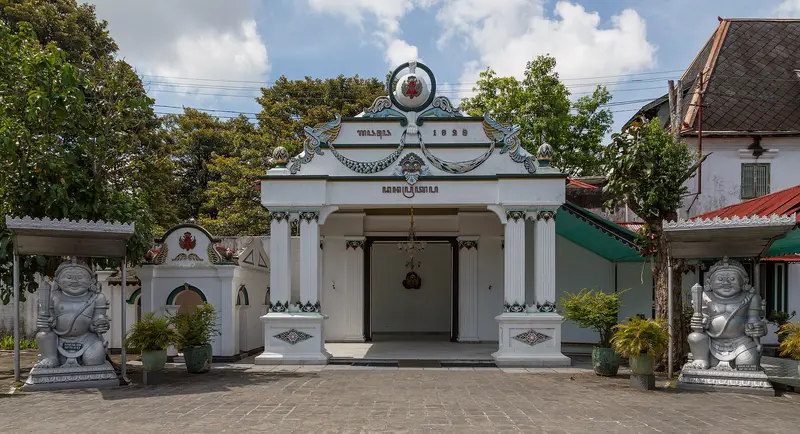
    1Kraton Ngayogyakarta Hadiningrat

    Palace of the Sultans of Yogyakarta from the mid-18th century, where the Sultan's family continues to live. Open pavilions, courtyards, and small museums display carriages, Gamelan instruments, and gifts from foreign rulers. In the mornings, there are Gamelan and dance performances.
    Open in Google Maps
    Taman Sari
    Crisco 1492 / Wikimedia Commons / CC BY-SA 3.0
    Historic Landmark

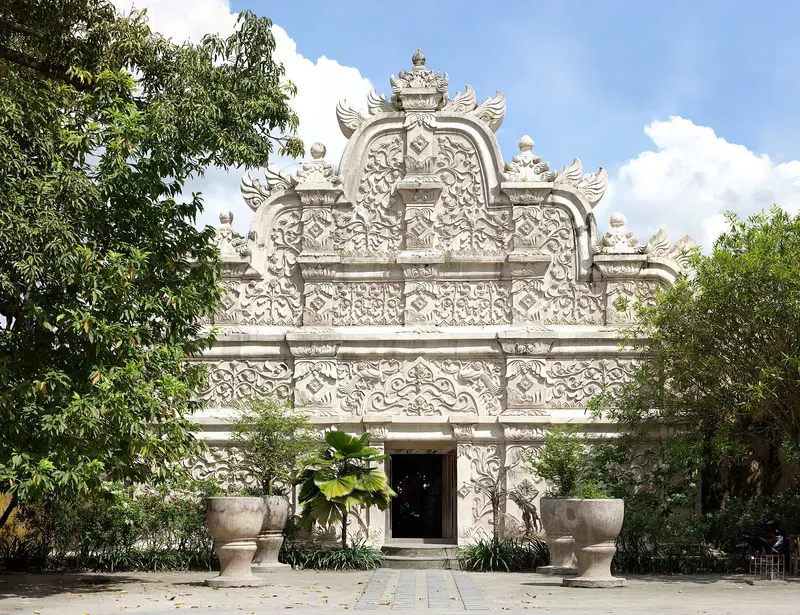
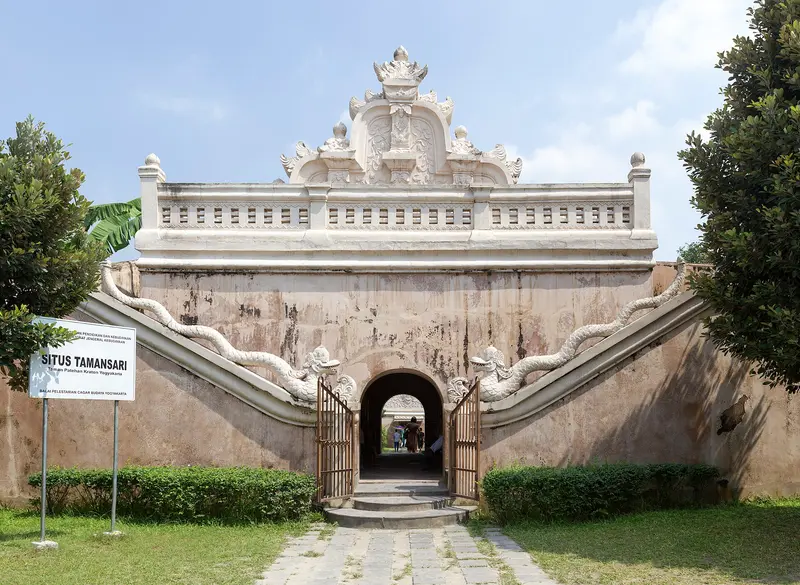
    2Taman Sari

    The 18th-century Sultan's water palace features bathing pools, pavilions, and underground passages. The round Sumur Gumuling Mosque with its staircases is a popular photo spot. A residential area with batik workshops surrounds it.
    Open in Google Maps
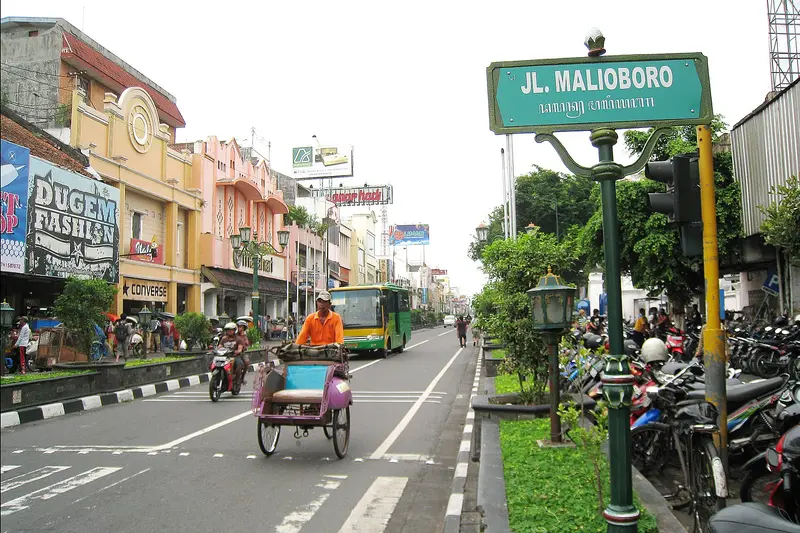
    Jalan Malioboro
    Gunawan Kartapranata / Wikimedia Commons / CC BY-SA 3.0
    Attraction

    3Jalan Malioboro

    Lively main street between Tugu Station and Kraton with shops, market halls like Pasar Beringharjo, and street vendors. Evenings, locals sit on the sidewalks, musicians play, and food stalls open.
    Open in Google Maps
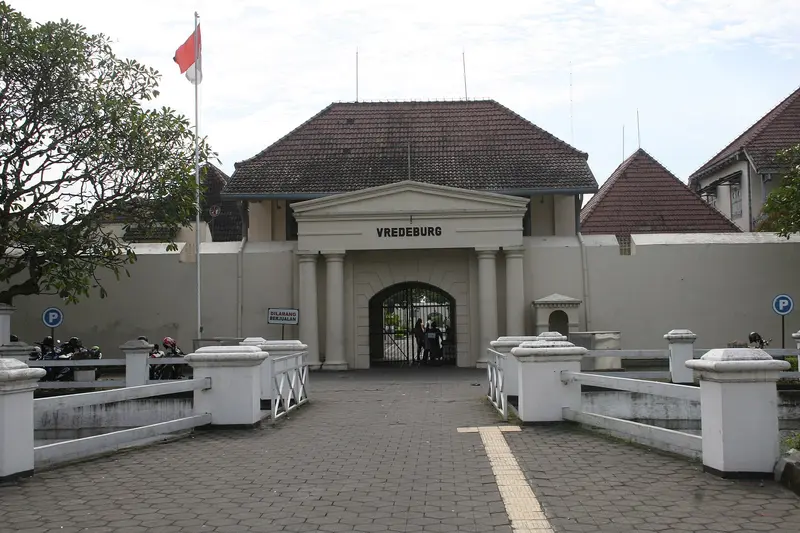
    Fort Vredeburg
    Pras / Wikimedia Commons / CC BY-SA 3.0
    Museum

    4Fort Vredeburg

    18th-century Dutch fortress at the south end of Malioboro, opposite the Kraton. Today a museum with dioramas on the history of the independence movement.
    Open in Google Maps
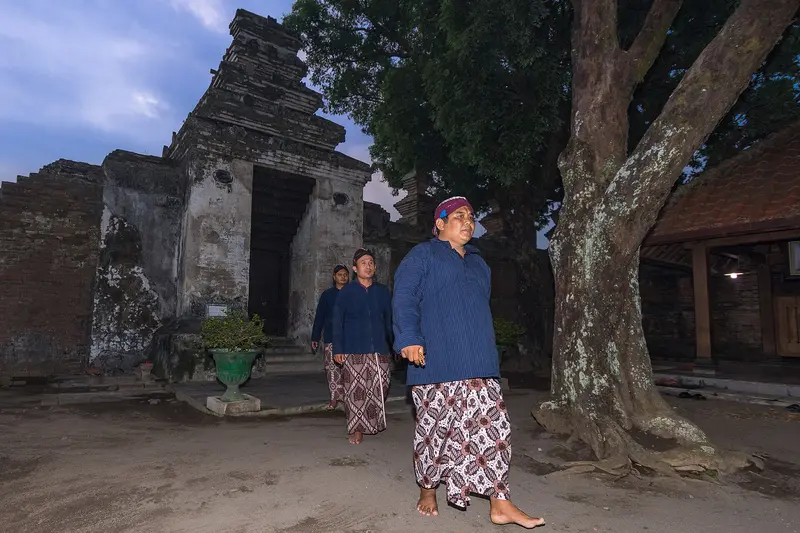
    Kotagede
    Arry gunawan / Wikimedia Commons / CC BY-SA 4.0
    Market

    5Kotagede

    Historic quarter in the southeast, first capital of the Sultanate of Mataram at the end of the 16th century. Narrow alleys, traditional wooden houses, the royal tombs and an old mosque are located around the market. Kotagede is known for its silversmiths.
    Open in Google Maps
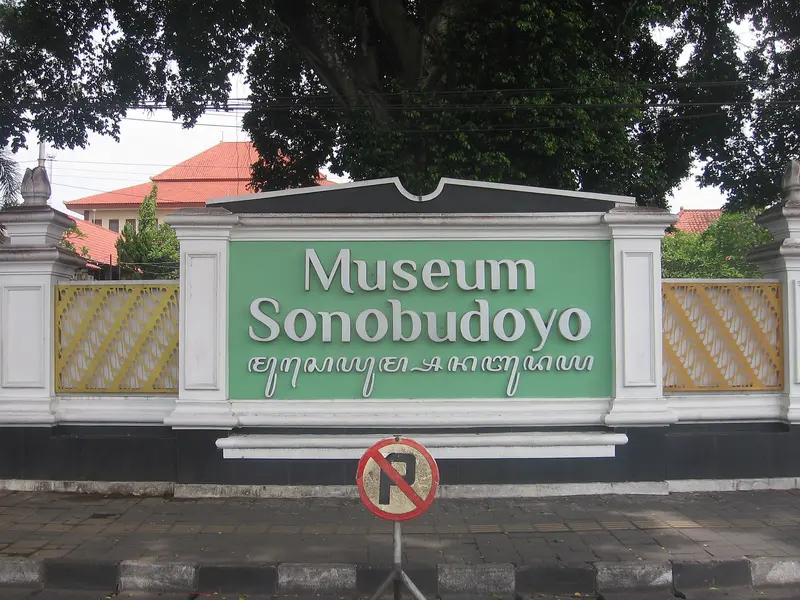
    Museum Sonobudoyo
    Museum

    6Museum Sonobudoyo

    Javanese Culture Museum on the northern Alun-Alun, with Wayang figures, masks, weapons, textiles, and bronzes from temple times. Evenings feature Wayang kulit performances.
    Open in Google Maps

    Restaurants in Yogyakarta

    1

    Gudeg Yu Djum

    One of the most famous Gudeg eateries on Jalan Wijilan, east of the Kraton. Here, the jackfruit is served in its dry variant with chicken, egg, and spicy beef skin.
    Show on Google Maps
    2

    Sate Klathak Pak Pong

    A family-run business in Bantul, south of the city, grilling goat skewers on iron rods. They also serve Gulai, a curry soup with goat meat.
    Show on Google Maps
    3

    Mediterranea Restaurant by Kamil

    Restaurant on Jalan Tirtodipuran offering Mediterranean and European cuisine, popular with long-term guests.
    Show on Google Maps
    4

    ViaVia Jogja

    Restaurant and cultural hub in Prawirotaman with Indonesian and international cuisine. The venue also organizes tours and courses.
    Show on Google Maps

    Food and Drink

    Yogyakarta is known for its sweet, affordable everyday cuisine and a vibrant scene after dark.

    Gudeg

    Young jackfruit braised in palm sugar and coconut milk, Gudeg eateries line Wijilan Street behind the Kraton.

    Sate Klathak

    Goat meat, seasoned only with salt and grilled on iron spokes, a specialty from southern Bantul.

    Angkringan und Kopi Joss

    At the street carts north of Tugu Station, there's coffee into which a piece of glowing charcoal is dipped.

    Bakpia Pathok

    Small pastries with sweet mung bean filling, named after the Pathok district, home to many bakeries.

    Culture and History

    City of the SultanYogyakarta was founded in 1755 after the division of the Sultanate of Mataram. Sultan Hamengkubuwono I had the Kraton and the Taman Sari water castle built. During the War of Independence, the city served as the capital of the young Republic from 1946 to 1949, and the Sultan sided with the Republicans. To this day, the Sultan also serves as Governor of the Special Region.The city is considered a center of Javanese art and education, with Gadjah Mada University, art colleges, and a vibrant gallery and street art scene. In the evenings, you can experience Gamelan, Wayang shadow puppetry, and Ramayana ballet, and learn Batik in workshops in the old town.

    Exploring On-site

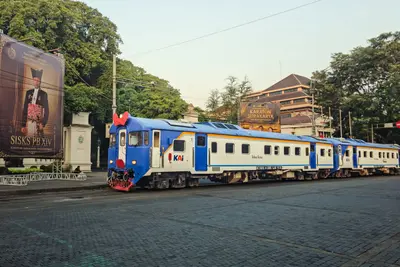
    Getting ThereAirport: Yogyakarta International Airport (YIA) in Kulon Progo, about 45 kilometers west. The airport train takes 35 to 40 minutes to Tugu Station.Train: From Tugu, long-distance trains to Jakarta (approx. 6 hours), Bandung, Surabaya, and Banyuwangi. Tickets via booking.kai.id.Solo: The KRL commuter train takes approx. 1 hour 8 minutes, 27 daily services.ExcursionsBorobudur: 1 to 1.5 hours by car.Prambanan: About 40 minutes, also by Trans-Jogja bus 1A.Merapi: Kaliurang is approx. 25 km north; jeep lava tours take 1.5 to 2 hours.Dieng: About 4 hours via Wonosobo.In the CityGrab and Gojek; also pedal or motor-powered Becak rickshaws. Negotiate Becak prices in advance.

    Excursions & Activities

    Borobudur and Prambanan

    Both World Heritage temples can be visited in a day, but a half day each with an early start is better.

    Merapi

    Jeep tours start in Kaliurang on the south slope of the volcano.

    Ratu Boko

    The plateau with ruins of an 8th-century palace complex lies near Prambanan and is popular for sunset.

    Imogiri

    The Sultans' burial site is reached via around 400 steps, about 15 kilometers south of the city.

    Accommodations in Yogyakarta

    Find perfect stay in Yogyakarta

    Booking.com* (Affiliate link)
    Search Hotels
    Agoda* (Affiliate link)
    Search Hotels
    Airbnb
    Vacation Rentals

    * Affiliate link: if you book through it, we earn a small commission. The price stays the same for you.

    Plan your trip to Yogyakarta

    Save places, build a route and plan your city trip, all in one place.

    1. 1
      1234

      Round trip

      12 days · 4 stops

      Saved

      Pick a route

      Take a ready-made round trip or build your own from saved places.

      Open bookmarks
    2. 2

      Trip to Yogyakarta

      Live
      • 1Kraton Ngayogyakarta Hadiningrat3 days
      • 2Taman Sari4 days
      • 3Jalan Malioboro5 days
      Budget

      Plan your trip

      The planner sorts stops, days and budget. Plan together in real time.

      Start trip planning
    3. 3
      9:41 No signal
      Available offline

      Use it on the road

      Download the guide to your phone and use it offline on location.

    Nearby

    Prambanan
    CEphoto, Uwe Aranas / Wikimedia Commons / CC BY-SA 3.0

    Prambanan

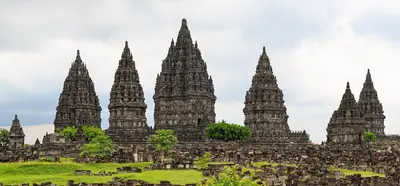
    Prambanan, east of Yogyakarta, is Indonesia's largest Hindu temple complex and a UNESCO World Heritage site. The pointed towers of the 9th-century main complex are dedicated to Shiva, Vishnu, and Brahma; nearby lie other temples such as Sewu and Plaosan.
    Central Java and Yogyakarta

    Central Java and Yogyakarta

    Central Java, including the Yogyakarta Special Region, is the historical heartland of Javanese culture. The Borobudur and Prambanan temples, the Sultan's courts of Yogyakarta and Solo, and the active Merapi volcano are all located here in a compact area.
    Borobudur

    Borobudur

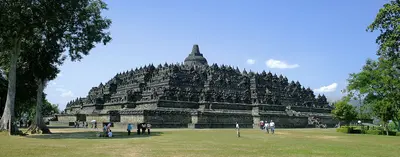
    Borobudur, located in the Kedu Plain, is the world's largest Buddhist temple complex and a UNESCO World Heritage site. Built in the 8th and 9th centuries, the step pyramid features over 2,600 reliefs and 72 openwork stupas, surrounded by volcanoes and rice fields.
    Merapi

    Merapi

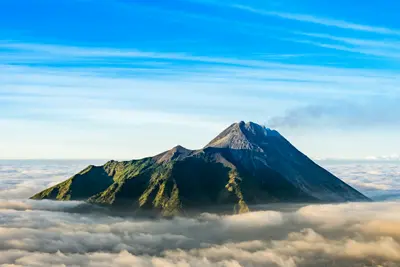
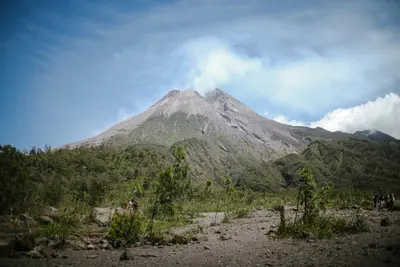
    Merapi, north of Yogyakarta, stands at nearly 2,900 m and is one of Indonesia's most active volcanoes. On its southern flank, museums and traces from the 2010 eruption speak of life and danger on the mountain.
    Solo (Surakarta)

    Solo (Surakarta)

    Solo, officially Surakarta, is, alongside Yogyakarta, the second hub of Javanese court culture. Two royal houses, batik districts, and a distinctive cuisine characterize the city, which is quieter and less touristy than its neighbor.