Region
Central Java and Yogyakarta
Central Java, including the Yogyakarta Special Region, is the historical heartland of Javanese culture.
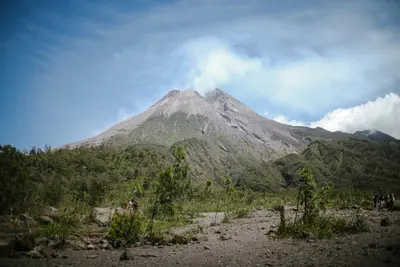
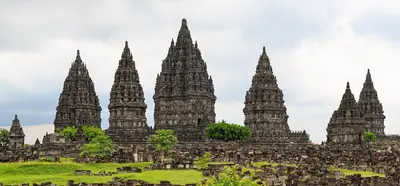
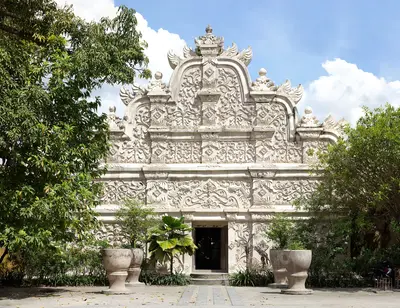
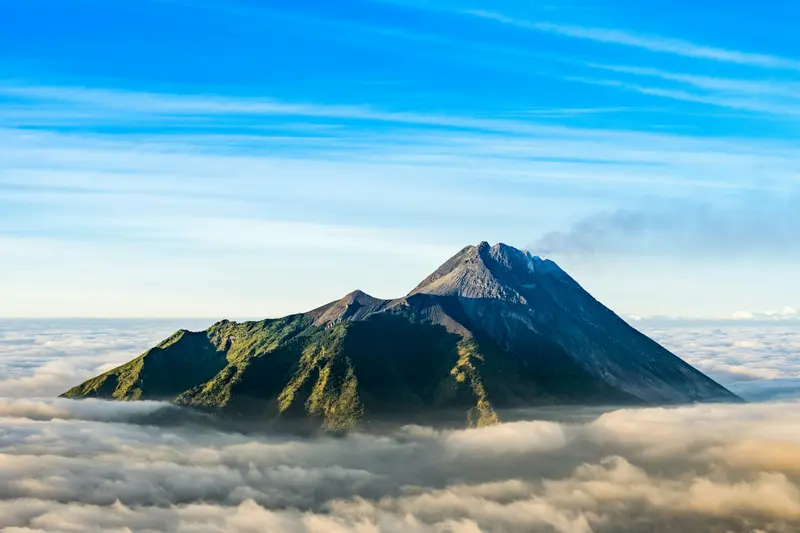
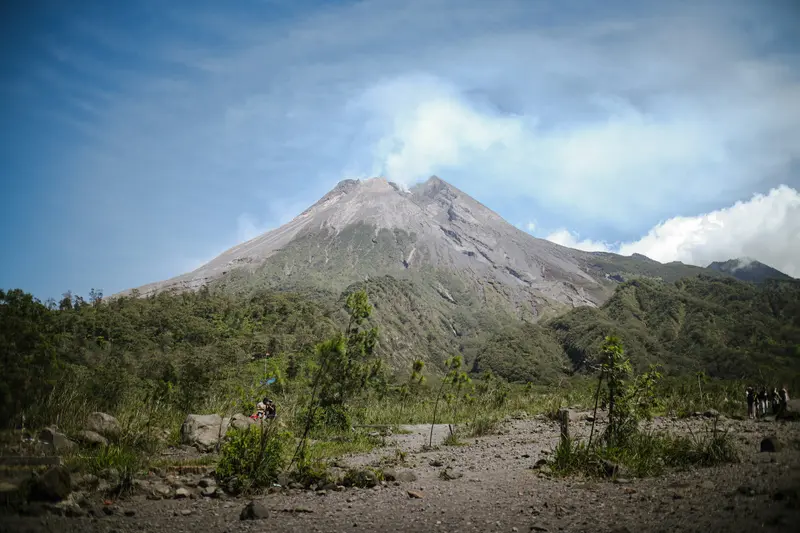
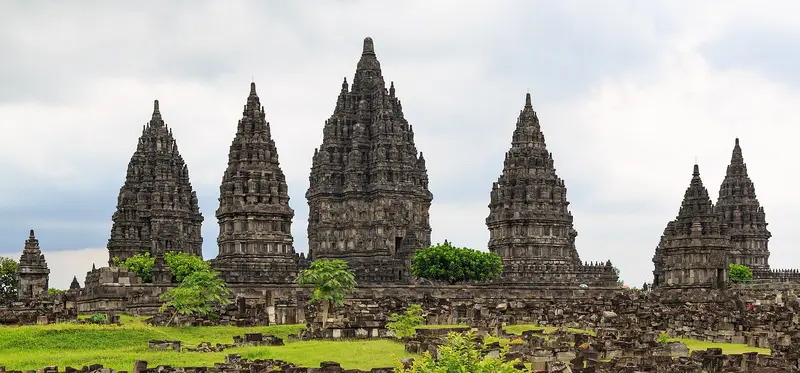
Central Java, including the Yogyakarta Special Region, is the historical heartland of Javanese culture. The Borobudur and Prambanan temples, the Sultan's courts of Yogyakarta and Solo, and the active Merapi volcano are all located here in a compact area.
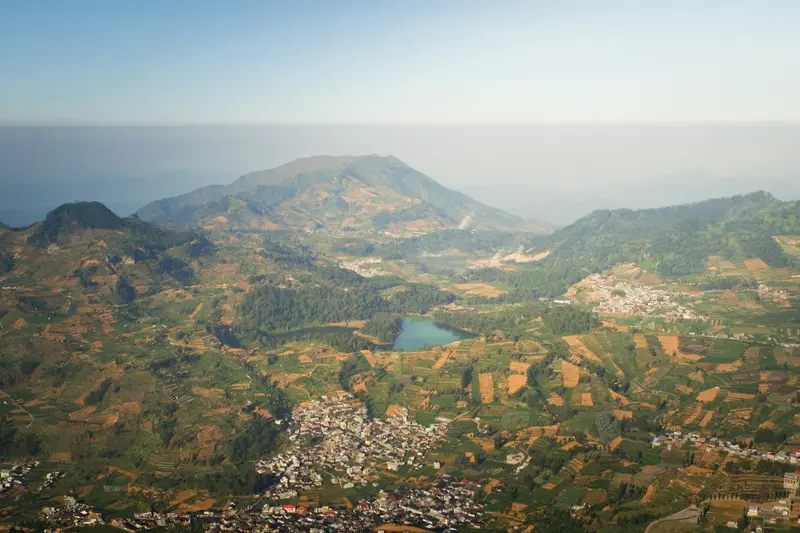
Central Java's heartland is situated between the volcanoes Merapi, Merbabu, Sumbing, and Sindoro. Yogyakarta is the starting point for almost all destinations: Borobudur lies roughly 40 kilometers northwest, Prambanan 17 kilometers east, Solo an hour by train. Further north, you reach the Dieng Plateau in about four hours. The south coast with karst beaches and caves is an hour from Yogyakarta. For the region, you should plan at least four to five days.
More places in Central Java and Yogyakarta
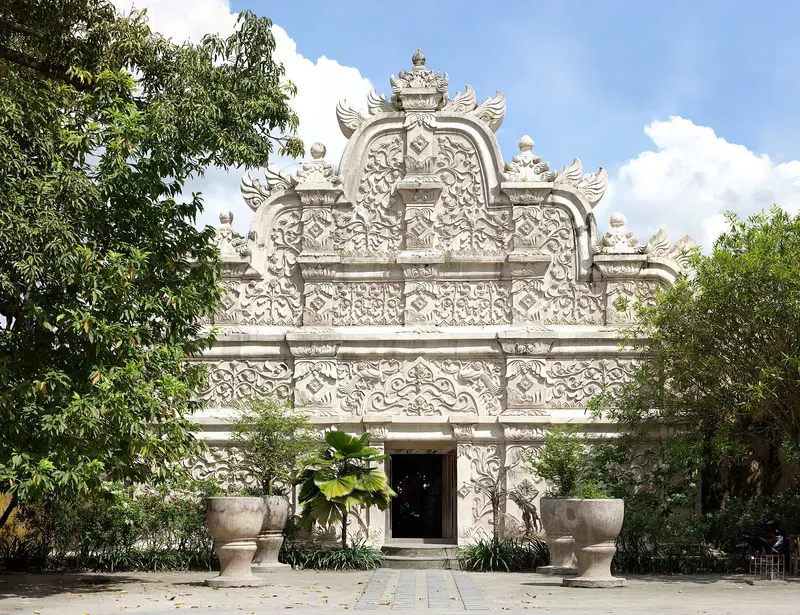
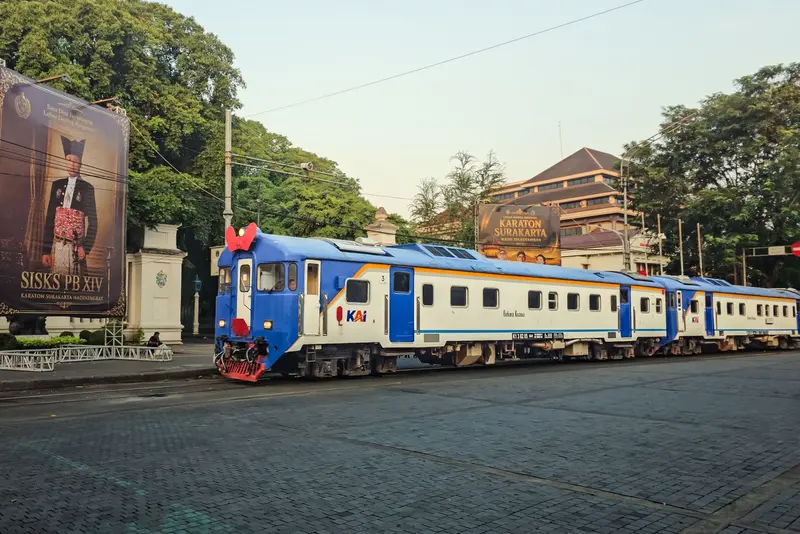
Solo, officially Surakarta, is, alongside Yogyakarta, the second hub of Javanese court culture. Two royal houses, batik districts, and a distinctive cuisine characterize the city, which is quieter and less touristy than its neighbor.
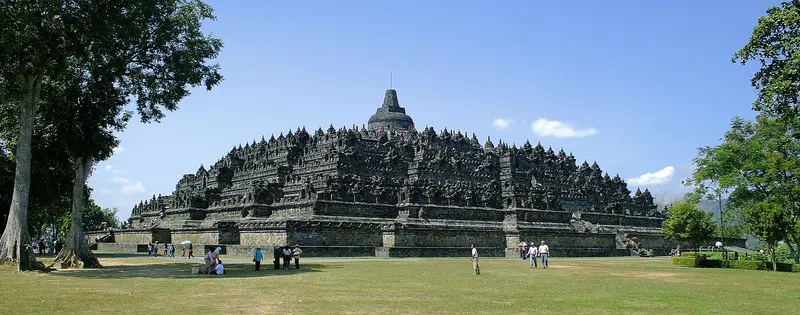
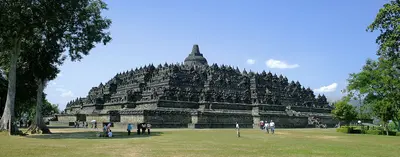
Borobudur, located in the Kedu Plain, is the world's largest Buddhist temple complex and a UNESCO World Heritage site. Built in the 8th and 9th centuries, the step pyramid features over 2,600 reliefs and 72 openwork stupas, surrounded by volcanoes and rice fields.
Eating & Drinking
Central Javanese cuisine is sweeter than that of other regions; palm sugar and Kecap Manis give many dishes their character.
Gudeg
Young jackfruit, stewed for hours in coconut milk and palm sugar, with chicken, egg, tofu, and spicy beef skin. Yogyakarta's signature dish.
Nasi Liwet
Coconut milk rice with chicken, egg and vegetables – a Solo specialty, often at street stalls in the evenings.
Angkringan
In the evenings, small carts under tarps in Yogyakarta sell tiny rice portions (Nasi Kucing), skewers, and coffee with glowing charcoal (Kopi Joss).
Bakpia
Small pastries with sweet bean filling, the typical souvenir from Yogyakarta.
Best Time to Visit
When is the best time for your trip?
25–27°C·20–110 mm(moderate rain)
From May to September, it is dry, and the chances of a clear sunrise over Borobudur are highest. During the rainy season, it usually rains in the afternoon, but mornings are often dry. The temples are very crowded during school holidays and around the end of Ramadan.
Values for Yogyakarta, rounded. On the Dieng Plateau at around 2,000 meters, temperatures are around 15 degrees; during dry season nights, it can freeze.
Seasons
Jan
Feb
Mar
Apr
May
Jun
Jul
Aug
Sep
Oct
Nov
Dec
Dry season
Peak season
The Rains
Best Time to Visit
▶Show detailed monthly data
| Month | Temp (°C) | Rain (mm) | Sun (h) |
|---|---|---|---|
| January | 26.0 | 330 | 5.0 |
| February | 26.0 | 320 | 5.0 |
| March | 26.0 | 300 | 6.0 |
| April | 27.0 | 200 | 6.0 |
| May | 27.0 | 110 | 7.0 |
| June | 26.0 | 60 | 7.0 |
| July | 25.0 | 30 | 8.0 |
| August | 26.0 | 20 | 8.0 |
| September | 26.0 | 30 | 8.0 |
| October | 27.0 | 100 | 7.0 |
| November | 27.0 | 230 | 6.0 |
| December | 26.0 | 320 | 5.0 |
Culture and History
Temples and Sultan's CourtsIn the 8th and 9th centuries, the Buddhist Shailendra and Hindu Sanjaya dynasties of the Mataram Kingdom built Borobudur, Prambanan, and hundreds of smaller temples here. Around the year 1000, power shifted to East Java, presumably also due to eruptions of Merapi. From the 16th century, the Islamic Sultanate of Mataram emerged, which in 1755 divided into the courts of Yogyakarta and Surakarta (Solo).Both courts continue to preserve Gamelan, Wayang shadow puppetry, classical dance, and batik art, which was recognized by UNESCO in 2009 as an intangible cultural heritage. Yogyakarta is the only province in Indonesia whose governor is a sultan. Many Javanese combine Islam with older mystical traditions, Kejawen.
Getting in and Around
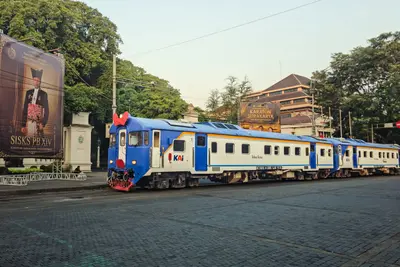
Getting There and AroundFlight: Yogyakarta International Airport (YIA) is about 45 km west of the city; an airport train takes approx. 40 minutes to the center. Solo has its own airport.Train: Long-distance trains link Yogyakarta with Jakarta (approx. seven hours), Bandung, and Surabaya. The KRL commuter train reaches Solo in approx. an hour.Locally: For Borobudur, Prambanan, and Dieng, a driver is most practical; in Yogyakarta, Grab, Gojek, and cycle rickshaws work.
Excursions & Activities
The Sunrise over Borobudur
From the hills of Punthuk Setumbu and Bukit Barede, you see the temple in the morning mist before Merapi.
Merapi Jeep tour
Open jeeps drive on the south slope through the 2010 lava fields to bunkers and a small museum.
Karst coast of Gunung Kidul
Südöstlich von Yogyakarta liegen Strände wie Indrayanti und die Höhle Jomblang mit Lichtstrahl zur Mittagszeit.