ExploreTravel GuidesMy Trips
    de|en
    All Places & RegionsAbout FernwehFAQPrivacy PolicyImprint
    ExploreTravel GuidesMy Trips
    • Neighborhoods & highlights
    • Eat & drink
    • Food culture
    • Culture
    • Getting around
    • Excursions
    • Accommodation
    • Plan trip
    • Nearby
    Solo (Surakarta)
    City

    Solo (Surakarta)

    Solo, officially Surakarta, is, alongside Yogyakarta, the second hub of Javanese court culture. Two royal houses, batik districts, and a distinctive cuisine characterize the city, which is quieter and less touristy than its neighbor.

    More
    1. Home
    2. Destinations
    3. Indonesia
    4. Central Java and Yogyakarta
    5. Solo (Surakarta)
    Solo, officially Surakarta, is, alongside Yogyakarta, the second hub of Javanese court culture. Two royal houses, batik districts, and a distinctive cuisine characterize the city, which is quieter and less touristy than its neighbor.
    Solo is located approximately 60 km northeast of Yogyakarta on the Bengawan Solo river and has over half a million inhabitants. In the center are the Kraton Kasunanan, seat of the Susuhunan, and the Pura Mangkunegaran Palace. The city is considered an important center for Batik: In the districts of Kauman and Laweyan, you'll see workshops and old merchant houses. The old town can be easily explored on foot or by Becak; for longer distances, you use Grab or Gojek. A day trip leads to the Sukuh and Cetho temples on Mount Lawu.
    The center revolves around the two palaces. The Batik quarters lie west of it.

    Sights in Solo (Surakarta)

    Discover the most important sights and attractions

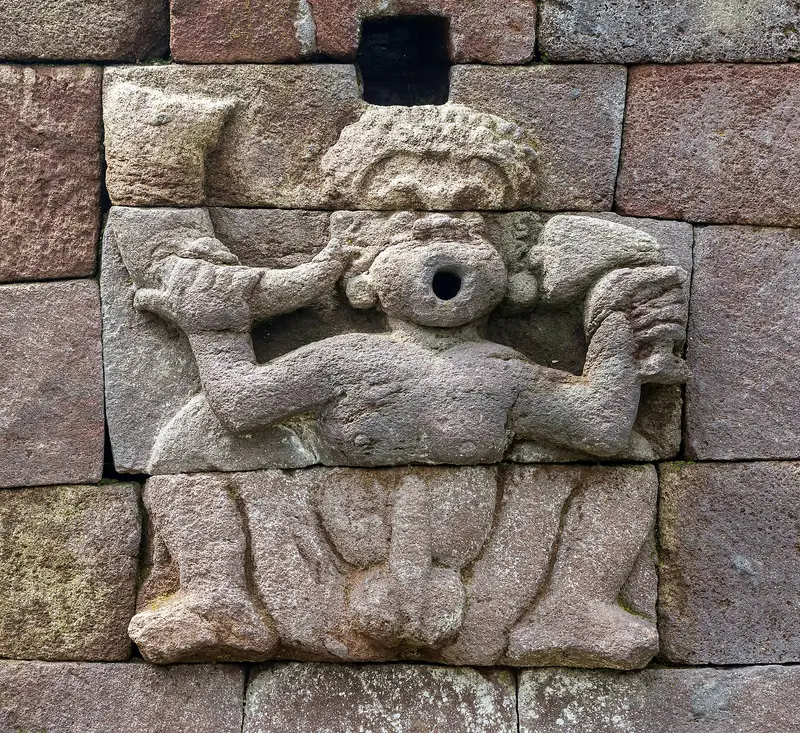
    Candi Sukuh
    Crisco 1492 / Wikimedia Commons / CC BY-SA 4.0

    1Candi Sukuh

    15th-century Hindu temple on the western slope of Lawu, around 35 km east of Solo. Its pyramid shape and reliefs distinguish it from other temples in Java.
    Open in Google Maps
    Pura Mangkunegaran
    Crisco 1492 / Wikimedia Commons / CC BY-SA 4.0

    2Pura Mangkunegaran

    Mangkunegaran Princely Palace with a large open Pendopo and a collection of masks, jewelry, and Wayang figures. Guided tours available.
    Open in Google Maps
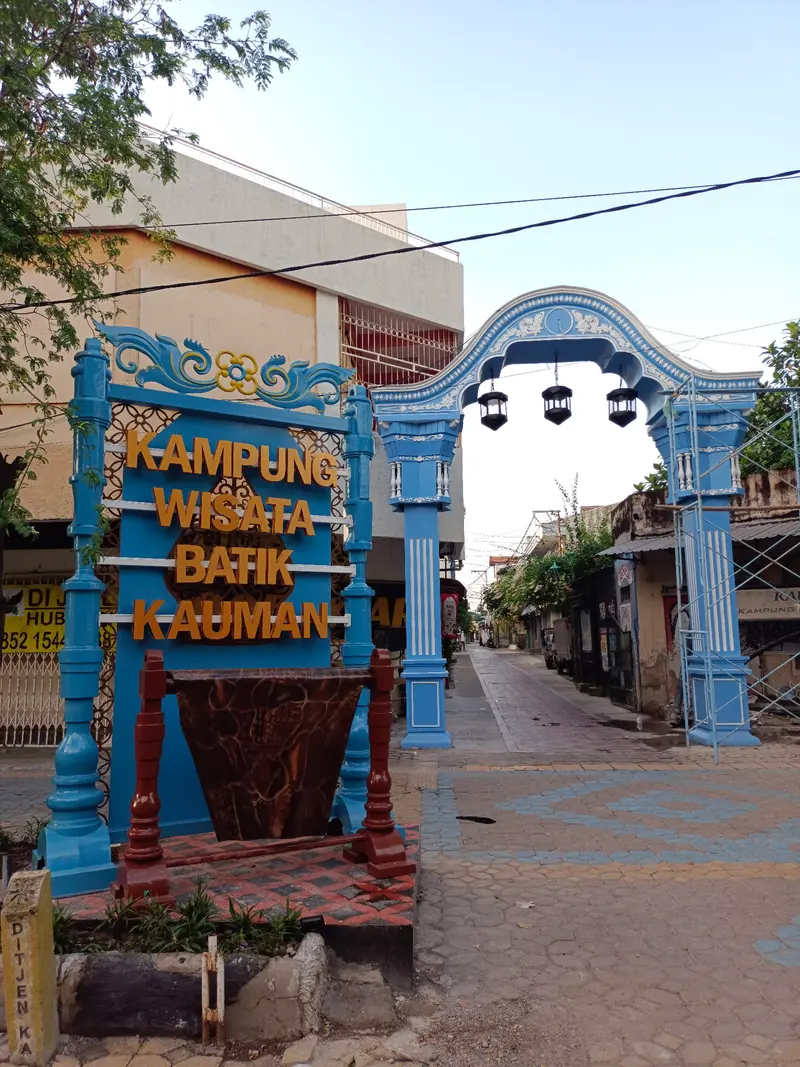
    Kampung Batik Kauman

    3Kampung Batik Kauman

    Old Quarter next to the Great Mosque with batik workshops and shops in narrow alleys.
    Open in Google Maps
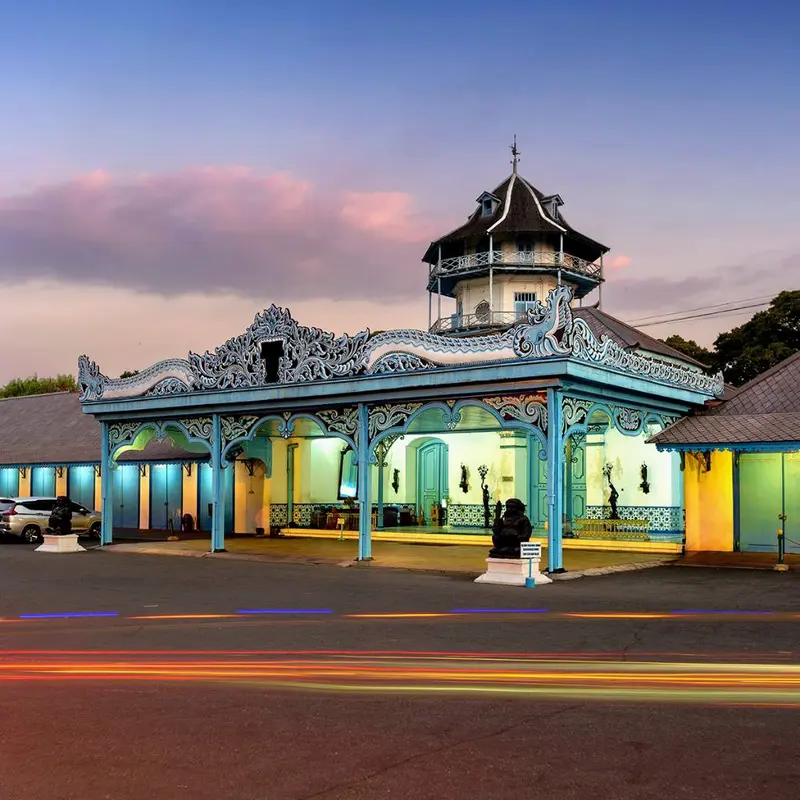
    Kraton Kasunanan Surakarta

    4Kraton Kasunanan Surakarta

    The Susuhunan's Palace, founded in 1745. A section with a museum, carriages, and court objects is open to the public.
    Open in Google Maps
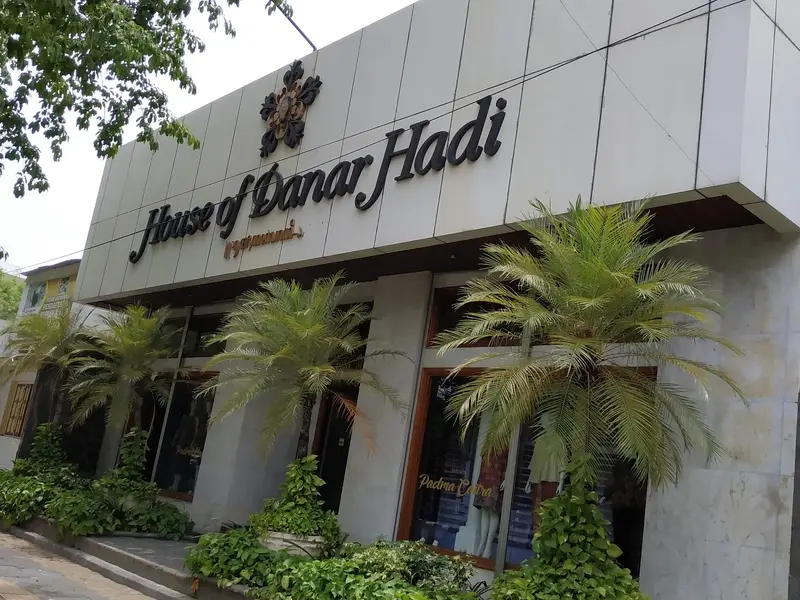
    House of Danar Hadi

    5House of Danar Hadi

    Batik museum of a textile company, featuring a large collection of historical fabrics. Guided tours available.
    Open in Google Maps

    Restaurants in Solo (Surakarta)

    1

    Nasi Liwet Bu Wongso Lemu

    Famous spot for Nasi Liwet, the coconut rice from Solo.
    Show on Google Maps
    2

    Timlo Sastro

    Traditional eatery for Timlo, the clear chicken broth from Solo.
    Show on Google Maps
    3

    Warung Selat Mbak Lies

    Well-known spot for Selat Solo in a downtown alley.
    Show on Google Maps

    Food and Beverages

    Solo is famous for its food, with many dishes available evenings at street stalls.

    Nasi Liwet

    Rice cooked in coconut milk with chicken, egg, and coconut cream, served on a banana leaf.

    Selat Solo

    Beef with vegetables in a sweetish sauce, a Javanese variant of European cuisine from the colonial era.

    Timlo

    Clear broth with chicken, egg, and liver.

    Serabi Notosuman

    Small pancakes made from rice flour and coconut milk.

    Culture

    Solo became the seat of the Mataram court in 1745; after the division of the empire in 1755, a second sultanate emerged with Yogyakarta. In both palaces, Gamelan, classical dance, and Wayang are cultivated. Batik from Solo traditionally uses subdued brown and indigo tones. Since 2009, Batik as a cultural technique has been on UNESCO's Intangible Cultural Heritage list.

    Arrival & On the Road

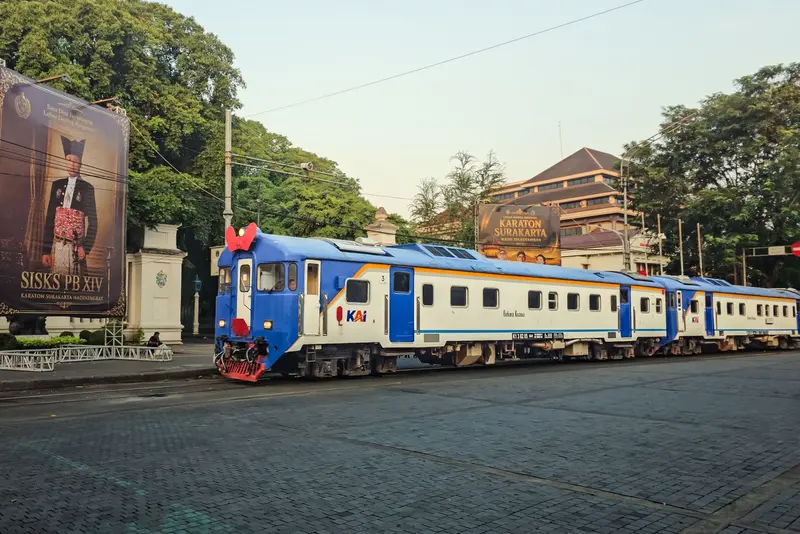
    Getting ThereFrom Yogyakarta: The KRL Commuter Line takes approx. 1 hour 8 minutes to Solo Balapan, 27 daily services.From Jakarta: The Argo Lawu from Gambir takes approx. 7 hours (booking.kai.id). Long-distance trains also run to Surabaya.By Air: Adi Soemarmo Airport is located north of the city.Getting AroundIn the city, use Becak, Grab, or Gojek.

    Day trips

    Candi Cetho

    Terrace temple from the 15th century on the slope of Lawu, near Candi Sukuh.

    Sangiran

    Early human fossil site with museum, UNESCO World Heritage, approx. 15 km north.

    Prambanan

    Hindu temple complex halfway to Yogyakarta.

    Accommodations in Solo (Surakarta)

    Find perfect stay in Solo (Surakarta)

    Booking.com* (Affiliate link)
    Search Hotels
    Agoda* (Affiliate link)
    Search Hotels
    Airbnb
    Vacation Rentals

    * Affiliate link: if you book through it, we earn a small commission. The price stays the same for you.

    Plan your trip to Solo (Surakarta)

    Save places, build a route and plan your city trip, all in one place.

    1. 1
      1234

      Round trip

      12 days · 4 stops

      Saved

      Pick a route

      Take a ready-made round trip or build your own from saved places.

      Open bookmarks
    2. 2

      Trip to Solo (Surakarta)

      Live
      • 1Candi Sukuh3 days
      • 2Pura Mangkunegaran4 days
      • 3Kampung Batik Kauman5 days
      Budget

      Plan your trip

      The planner sorts stops, days and budget. Plan together in real time.

      Start trip planning
    3. 3
      9:41 No signal
      Available offline

      Use it on the road

      Download the guide to your phone and use it offline on location.
    Nearby

    Prambanan
    CEphoto, Uwe Aranas / Wikimedia Commons / CC BY-SA 3.0

    Prambanan

    Prambanan, east of Yogyakarta, is Indonesia's largest Hindu temple complex and a UNESCO World Heritage site. The pointed towers of the 9th-century main complex are dedicated to Shiva, Vishnu, and Brahma; nearby lie other temples such as Sewu and Plaosan.
    Merapi

    Merapi

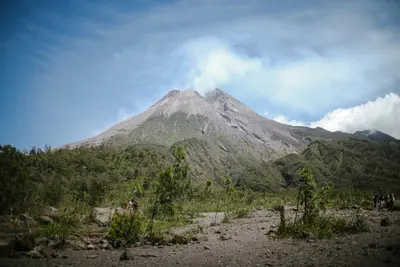
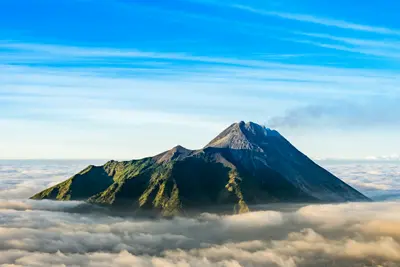
    Merapi, north of Yogyakarta, stands at nearly 2,900 m and is one of Indonesia's most active volcanoes. On its southern flank, museums and traces from the 2010 eruption speak of life and danger on the mountain.
    Central Java and Yogyakarta

    Central Java and Yogyakarta

    Central Java, including the Yogyakarta Special Region, is the historical heartland of Javanese culture. The Borobudur and Prambanan temples, the Sultan's courts of Yogyakarta and Solo, and the active Merapi volcano are all located here in a compact area.
    Yogyakarta
    Crisco 1492 / Wikimedia Commons / CC BY-SA 3.0

    Yogyakarta

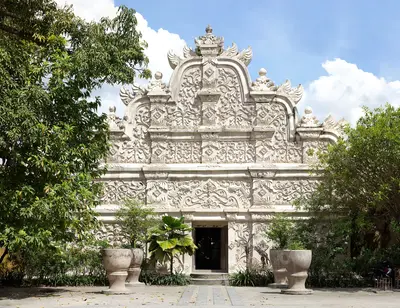
    Yogyakarta, or Jogja for short, is home to a still-reigning Sultan and a hub of Javanese art and education. Kraton, batik workshops, shadow puppetry, and a lively student scene shape the city, which is also the starting point for Borobudur and Prambanan.
    Borobudur

    Borobudur

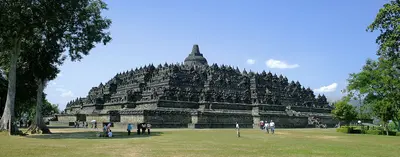
    Borobudur, located in the Kedu Plain, is the world's largest Buddhist temple complex and a UNESCO World Heritage site. Built in the 8th and 9th centuries, the step pyramid features over 2,600 reliefs and 72 openwork stupas, surrounded by volcanoes and rice fields.