Fernweh: Home
    ExploreTravel GuidesPlan a tripMy tripLast visited
    de|en
    All Places & RegionsAll highlightsAbout FernwehFAQPrivacy PolicyImprint
    ExploreTravel GuidesPlan a tripMy tripLast visited
    • Neighborhoods & highlights
    • Eat & drink
    • Culture
    • Getting around
    • Accommodation
    • Plan trip
    • Nearby
    Bizerte

    Tunisia

    Bizerte

    City

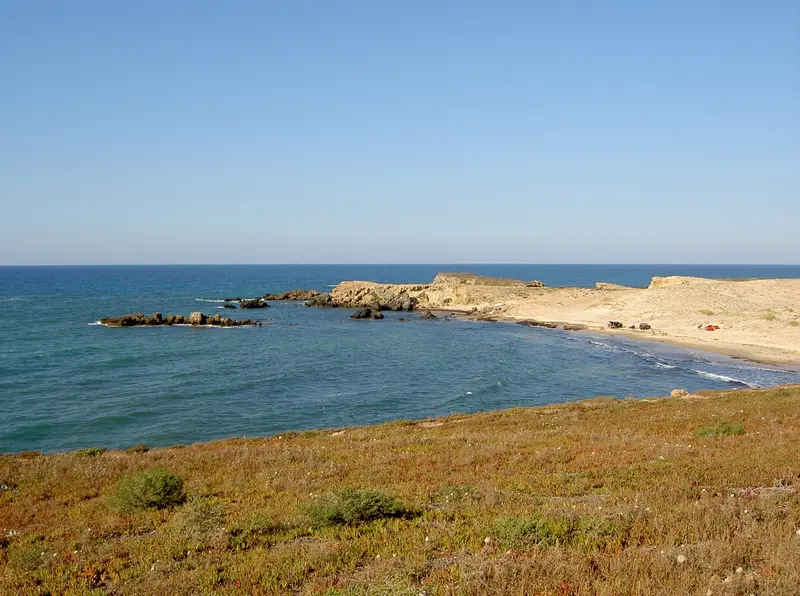
    Bizerte is considered the northernmost city in Africa, located approximately 60 km north of Tunis on the canal between the Mediterranean Sea and Lac de Bizerte.

    by Felix Gillen

    1. Home
    2. Destinations
    3. Tunisia
    4. Norden & Tell
    5. Bizerte
    Bizerte is considered the northernmost city in Africa, located approximately 60 km north of Tunis on the canal between the Mediterranean Sea and Lac de Bizerte. You come here for the Old Port with its fishing boats, the Medina, and the beaches along the Corniche. The port city has around 137,000 inhabitants. You can explore the Old Town, port, and Fort d'Espagne on foot; for Cap Angela and Ichkeul National Park, you'll need a car or taxi.

    Sights in Bizerte

    Discover the most important sights and attractions

    Old Port (Vieux Port)
    Attraction

    1Old Port (Vieux Port)

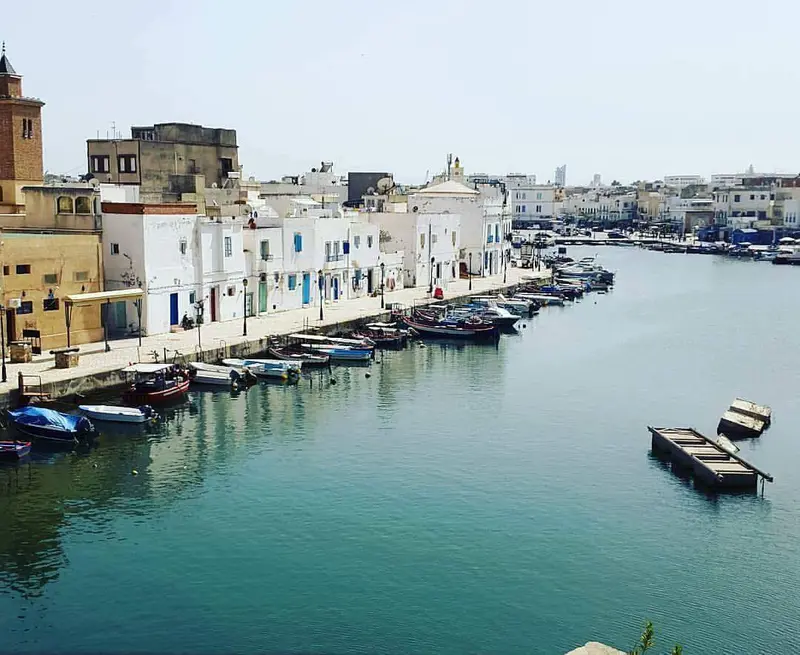
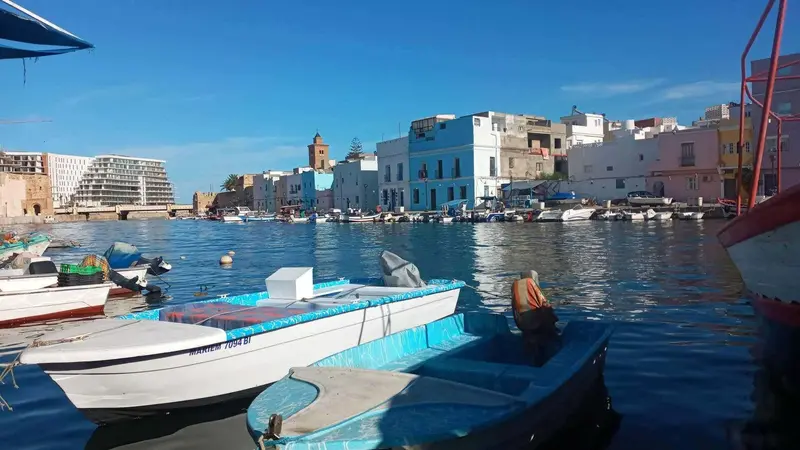
    The narrow harbor, within the Medina, flanked by white houses and colorful fishing boats. At the quay, fishermen mend boats; cafés offer coffee, mint tea. Beyond the harbor lie the quiet lanes of Kasbah and Medina.
    Open in Google Maps
    Fort d'Espagne
    Historic Landmark

    2Fort d'Espagne

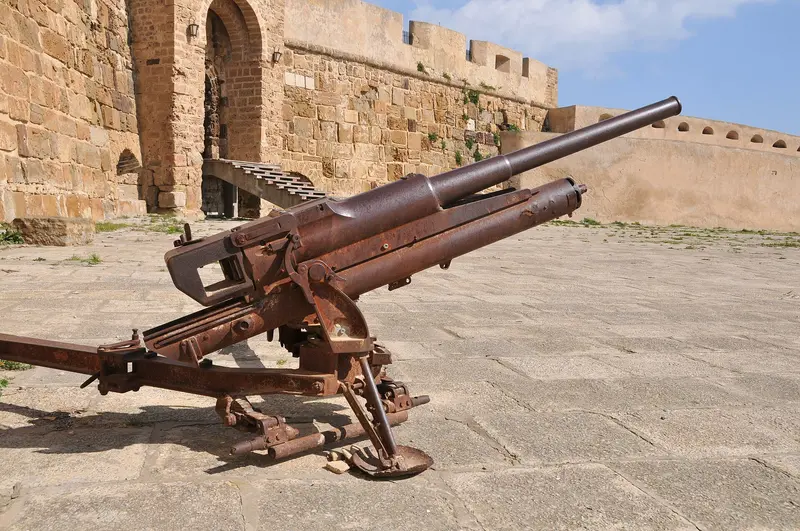
    The Pasha of Algiers had the fortress built in 1573 during Ottoman rule, overlooking the Medina. From its walls, you gaze over the rooftops of the old town, the harbour, and the sea. Today, the fort serves as an open-air stage for the Festival International de Bizerte.
    Open in Google Maps
    Great Mosque
    Mosque

    3Great Mosque

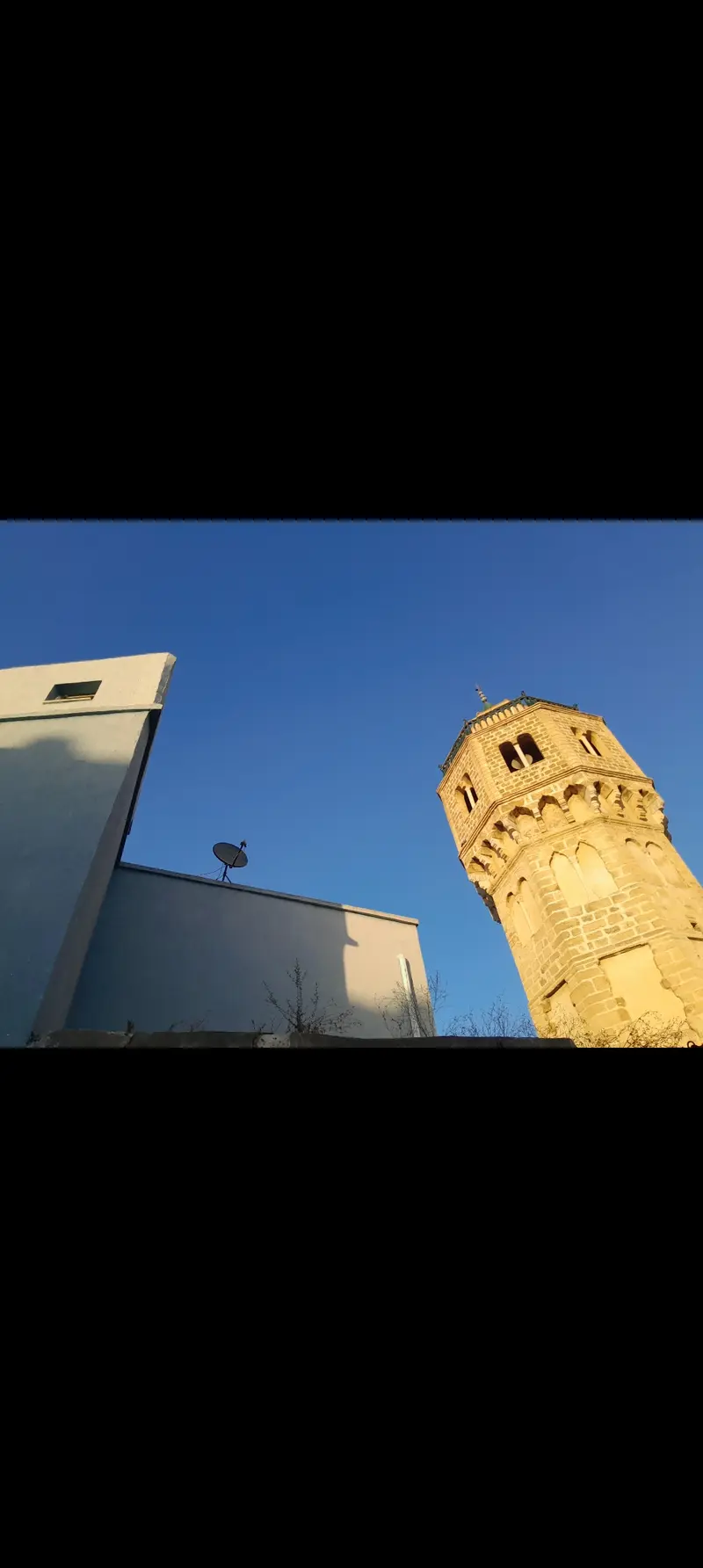
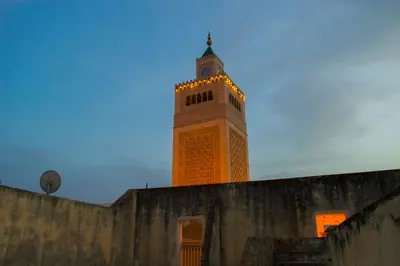
    The octagonal minaret of the 17th-century Great Mosque overlooks the Medina by the Old Port. Right next to it is the Zaouïa of Sidi Mokhtar Dey.
    Open in Google Maps
    Corniche
    Attraction

    4Corniche

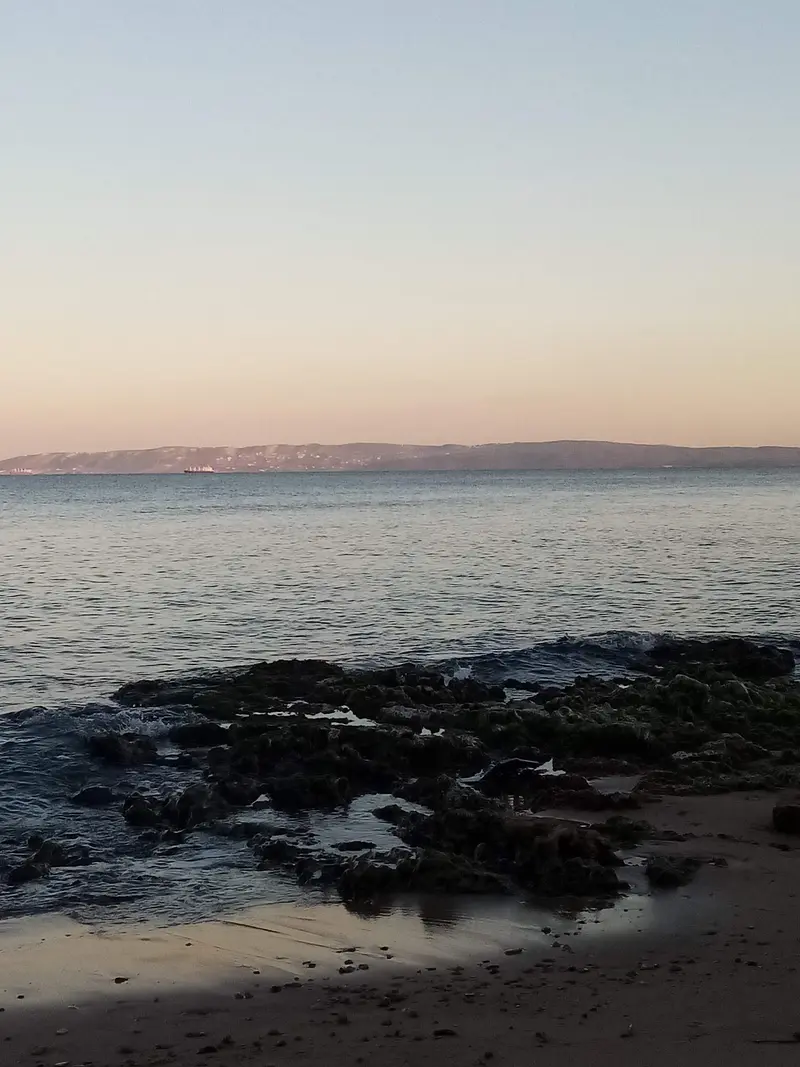
    The waterfront promenade stretches north of the old town along the sea, featuring beaches, cafés, and restaurants. In the evenings, half the town gathers here. In summer, the sea breeze provides slightly cooler air than inland.
    Open in Google Maps
    Sidi Salem Beach
    Attraction

    5Sidi Salem Beach

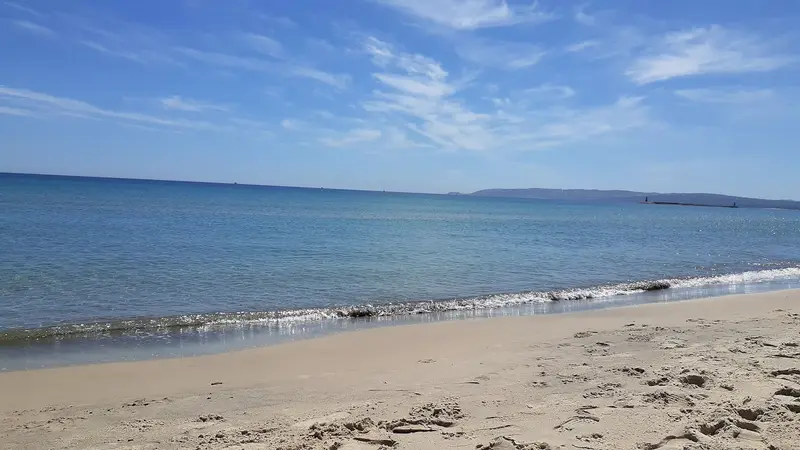
    The city beach is about one kilometre east of the Old Harbour and is the nearest swimming beach. In high season, it's worth coming early.
    Open in Google Maps
    Cape Angela (Ras Angela)
    Attraction

    6Cape Angela (Ras Angela)

    15km northwest of the city, this cape has been Africa's northernmost mainland point since 2014, a monument marking the spot. The rocky coast is windy and hardly developed. Getting there is easiest by car or taxi.
    Open in Google Maps

    Restaurants in Bizerte

    1

    Restaurant El Ksiba

    Waterfront fish restaurant by the Old Port. On the menu: grilled fish like sea bass, plus Tunisian salad.
    Show on Google Maps
    2

    Restaurant Le Phénicien

    Restaurant at the Old Port with Tunisian cuisine, fish, and seafood. Reservations are recommended in the evenings.
    Show on Google Maps
    3

    The Kid Sailor

    Elegant restaurant on the Corniche with fish and seafood, plus French dishes like Coq au Vin.
    Show on Google Maps

    Culture & History

    Phoenicians, Romans, Andalusians The city's origins trace back to a Phoenician settlement; under the Romans, it was called Hippo Diarrhytus. In the 17th century, Moors expelled from Spain found refuge here and established the Andalusian Quarter beyond the Kasbah. French Naval Base Between 1890 and 1892, the French built the canal to Lake Bizerte and made the city an important naval base. Following the Bizerte Crisis of July 1961, France evacuated the base in October 1963. Festival Fort d'Espagne serves as the open-air stage for the Festival International de Bizerte.

    Getting Here & Around

    Getting There from Tunis Bizerte does not have its own airport. Tunis-Carthage Airport is located approximately 60 km away. Car: via the A4 motorway, approximately 51 km and less than 45 minutes from Tunis Louage: Shared taxis depart from Bab Saadoun station in Tunis once full, journey time approximately 1 to 1.25 hours Train: The railway line via Djedeida connects Tunis with Bizerte; current times can be found at SNCFT Local Travel The Medina, Old Port, and Fort d'Espagne are close to each other and best explored on foot. Taxi: for Corniche, beaches, and Cap Angela; agree on the price before the ride Car: almost essential for Ichkeul National Park

    Accommodations in Bizerte

    Find perfect stay in Bizerte

    Booking.com* (Affiliate link)
    Search Hotels
    Agoda* (Affiliate link)
    Search Hotels
    Airbnb
    Vacation Rentals

    * Affiliate link: if you book through it, we earn a small commission. The price stays the same for you.

    Plan your trip to Bizerte

    Save places, build a route and plan your city trip, all in one place.

    1. 1
      Sunrise over alpine peaks and a sea of clouds
      1234

      Round trip

      12 days · 4 stops

      Saved

      Pick a route

      Pick a ready-made one or save places and plan your own.

      Open bookmarks
    2. 2

      Trip to Bizerte

      Live
      • 1Old Port (Vieux Port)3 days
      • 2Fort d'Espagne4 days
      • 3Great Mosque5 days
      Budget

      Plan your trip

      The planner sorts stops, days and budget. Plan together in real time.

      Start trip planning
    3. 3
      9:41 No signal
      Bizerte
      Available offline

      Use it on the road

      Download the guide to your phone and use it on site, even offline.

    Nearby

    Ichkeul National Park

    Ichkeul National Park

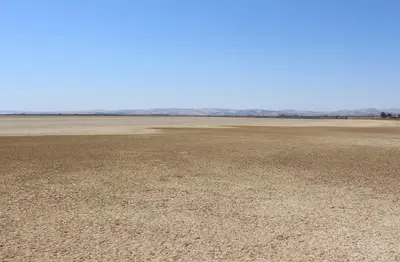
    The Ichkeul National Park, located some 25 kilometers southwest of Bizerte, protects a lake, extensive marshes, and the 510-meter-high Djebel Ichkeul. This wetland has been a UNESCO World Heritage site since 1980 and is an important stopover for migratory birds; you'll see most birds in winter.
    Tunis

    Tunis

    Tunis, Tunisia's capital, lies on the Gulf of Tunis on the country's north coast. Its 698-founded Medina, with souks, mosques, and palaces, became a UNESCO World Heritage site in 1979. East of it, the colonial New Town with Avenue Habib Bourguiba adjoins; 4 km northwest is the Bardo National Museum with Roman mosaics. Tunis-Carthage International Airport is 8 km northeast; the TGM suburban train reaches Carthage and Sidi Bou Saïd in just over half an hour.
    Tunis & Carthage

    Tunis & Carthage

    The region Tunis & Carthage encompasses Tunisia's capital and its coastal suburbs on the Gulf of Tunis. Here, three UNESCO World Heritage Sites are close together: the Medina of Tunis, the Ruins of Carthage, and the blue-and-white village of Sidi Bou Saïd. Most travelers arrive at Tunis-Carthage Airport or by ferry at La Goulette port.
    La Marsa & Gammarth

    La Marsa & Gammarth

    La Marsa and the adjoining Gammarth to the north are Tunis's beach suburbs, located about 18 to 20 kilometers northeast of the capital on the Gulf of Tunis. In summer, Tunisians gather at the beach and around the Café Saf-Saf; in the evenings, life shifts to Gammarth's bars and clubs. La Marsa is the terminus of the TGM suburban train, coming from the city center via Carthage and Sidi Bou Saïd.
    Carthage

    Carthage

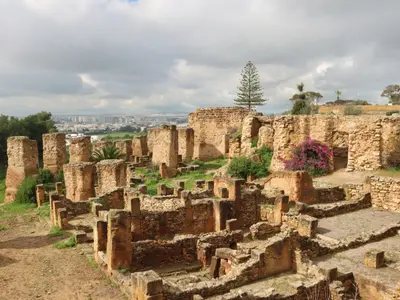
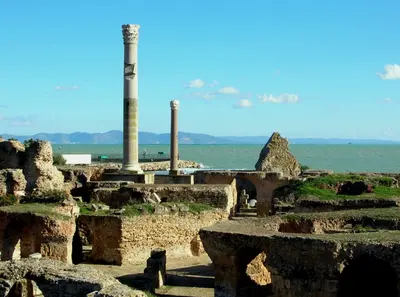
    The ruins of Carthage are scattered among residential areas on the coast northeast of Tunis and are directly accessible by the TGM suburban train. Traditionally founded by Phoenicians in 814 BC, the city was destroyed by Rome in 146 BC and later rebuilt as a Roman colony. Since 1979, the archaeological site has been a UNESCO World Heritage site. Visible attractions include the Antonine Baths by the sea, the Punic Ports, the Tophet, and the Amphitheater.

    Sources & method

    • Photos: Wikimedia Commons, Google Maps. Each photo carries its credit.
    • Place data such as addresses and ratings comes from Google Maps.
    • The content is based on web research from public, traceable sources. How the content is made · The role of AI