The Łódź Voivodeship (Łódzkie) lies in the heart of Poland and has a population of around 2.34 million. It was established in 1999, mainly from the former voivodeships of Łódź, Sieradz, and Piotrków; its capital and largest city is Łódź.
The Łódź Voivodeship (Łódzkie) lies in the heart of Poland and has a population of around 2.34 million. It was established in 1999, mainly from the former voivodeships of Łódź, Sieradz, and Piotrków; its capital and largest city is Łódź.
The north belongs to the Central Polish Lowlands, while the hillier south is already part of the Polish Uplands. Around 70 percent of its area is agricultural, and with roughly 22 percent forest cover, it is the country's least forested voivodeship.
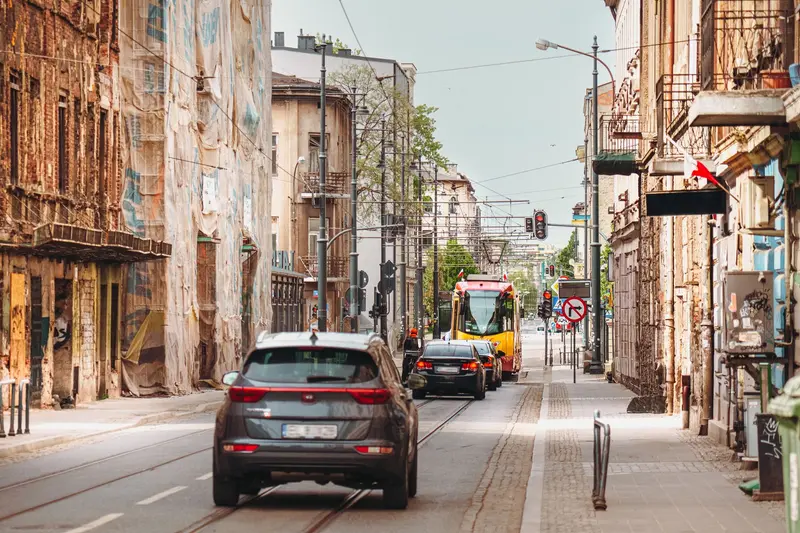
The region is primarily known for Łódź, a former textile metropolis featuring Piotrkowska Street, Manufaktura, the Księży Młyn workers' settlement, and a vibrant film and art scene. Other independent cities include Piotrków Trybunalski and Skierniewice. Motorways A1 and A2 intersect near Łódź.
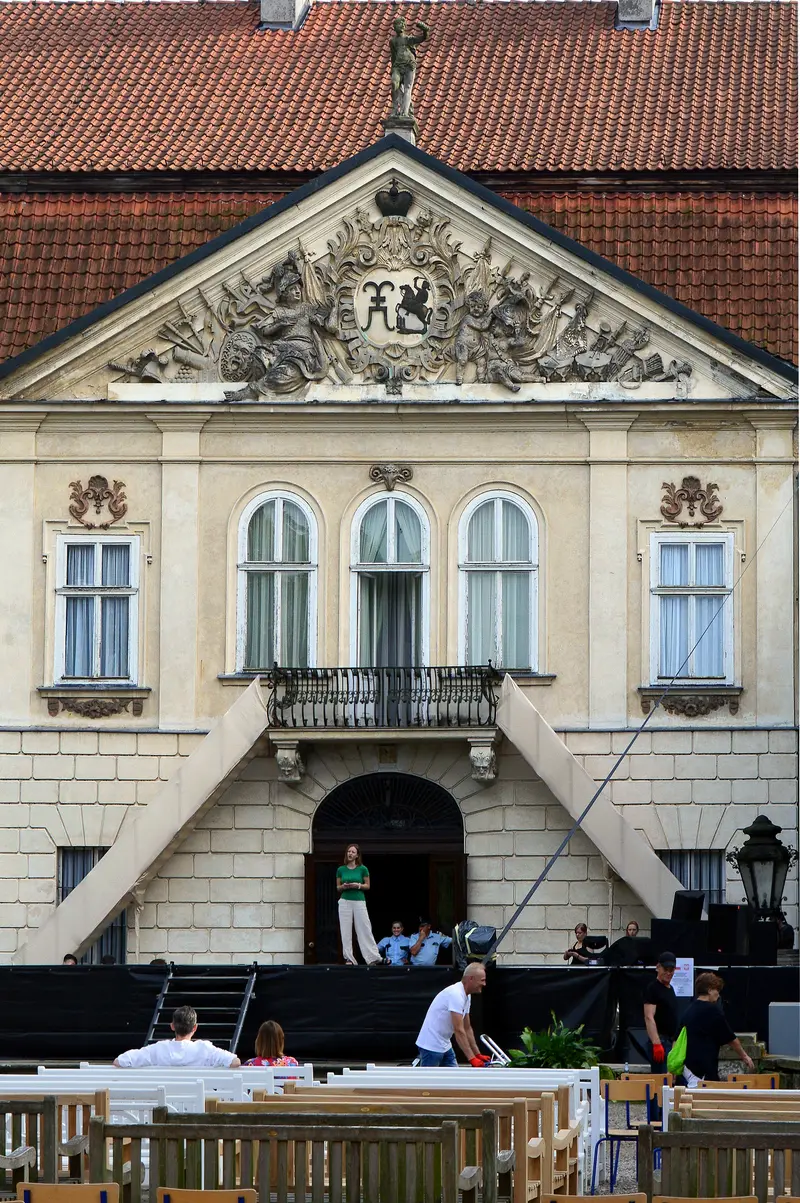
Just about 4.4 km apart are the baroque Nieborów Palace, built between 1695 and 1697 according to designs by Tylman van Gameren, and the romantic landscape park Arkadia, which Helena Radziwiłł had established from 1778 onwards. Both are part of the National Museum in Warsaw and can be easily combined for a day trip.
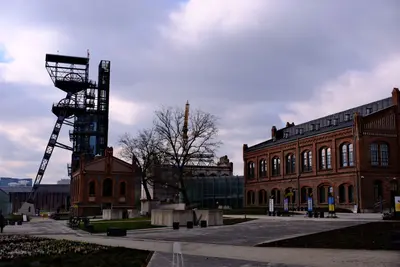
With around 640,000 inhabitants, Łódź is one of Poland's largest cities and the capital of its namesake voivodeship. Its ascent was driven by the textile industry: the first textile factory was established in 1826, by 1900 over 300,000 people lived in the city, and in 1904 approximately 70,000 workers were employed in 546 factories. From this period, industrialists' palaces and brick factories remain, and Polish, German, Jewish, and Russian traditions still shape the city's cuisine today.
The backbone of the city is the Piotrkowska, a several-kilometer-long promenade featuring Art Nouveau facades, courtyards, and the entertainment complex OFF Piotrkowska. Izrael Poznański’s former factory was transformed into Manufaktura, housing museums, restaurants, and the ms2 art gallery; his palace stands right next to it. Księży Młyn is the workers' settlement built by industrialist Karl Scheibler, with brick houses and factory buildings.
New cultural venues such as the former EC1 power plant, with its planetarium and film center, complement the industrial monuments. Large-format murals, many of which have been created since 2011 during the Urban Forms Foundation festival, have also earned Łódź the reputation of a city of murals.
Sights in Łódź Region
Discover the most important sights and attractions
Park
Arkadia Park
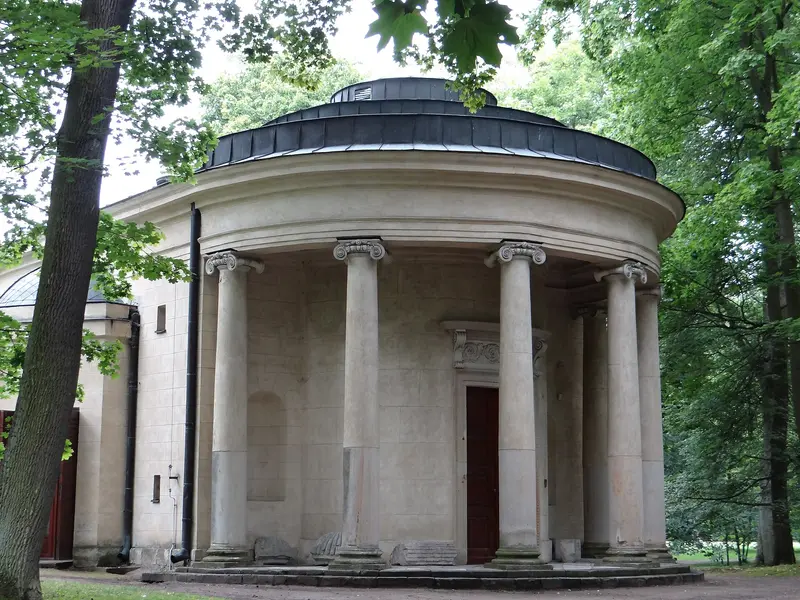
The romantic landscape garden about 4.4 km from Nieborów was created by Helena Radziwiłł from 1778 and furnished with art and antiques until her death in 1821. Central building is the Temple of Diana by the lake. Park and the nearby Nieborów Baroque Palace, designed by Tylman van Gameren, are now part of the Warsaw National Museum.