Tschenstochau (Częstochowa) on the Warta River, with approx. 206,000 residents, is the second-largest city in Silesian Voivodeship. It is known for the Jasna Góra Pauline Monastery, founded in 1382 by Duke Władysław of Opole (Władysław Opolczyk), which attracts three to four million pilgrims and visitors annually with its miraculous Black Madonna icon. The city gained Magdeburg Rights in 1502 and railway connection to Warsaw-Vienna in 1846.The approx. 1.5-kilometer-long and 44-meter-wide Avenue of the Most Holy Virgin Mary (Aleja Najświętszej Maryi Panny) connects the Old Town and city center with the monastery hill. It starts at Plac Daszyńskiego, leads via Plac Biegańskiego, and ends at the parks below Jasna Góra. Along it are townhouses from around 1900, the neo-Gothic Church of the Most Holy Name of Mary, and the Pilgrim Museum. Away from the monastery, the Matchstick Museum showcases a piece of the city's industrial history.
Sights in Tschenstochau (Częstochowa)
Discover the most important sights and attractions
1Matchstick Museum (Muzeum Produkcji Zapałek)
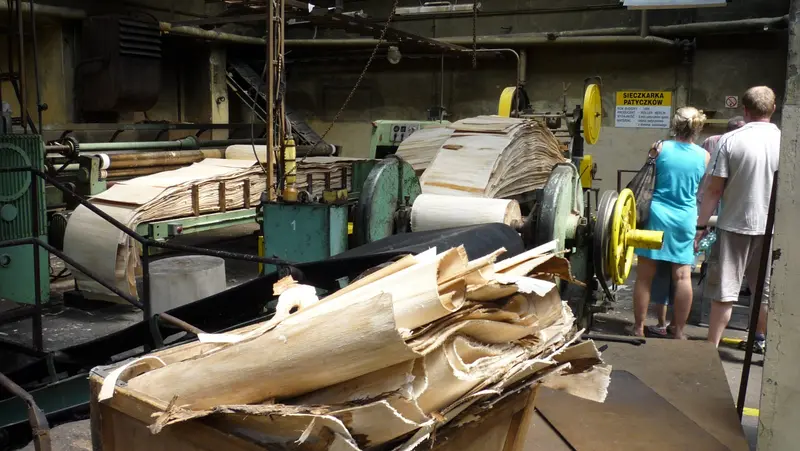
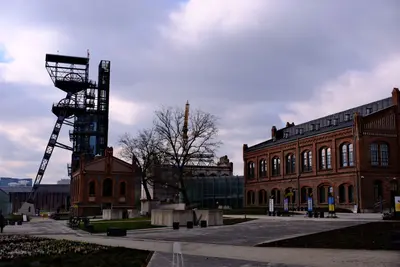
The Matchstick Factory at ul. Ogrodowa 68 was founded in 1881, with production continuing here until 2010. Since 2002, it has been a museum: a preserved production line with Durlach machines from 1926 to 1930 demonstrates the process from wood to the filled box.
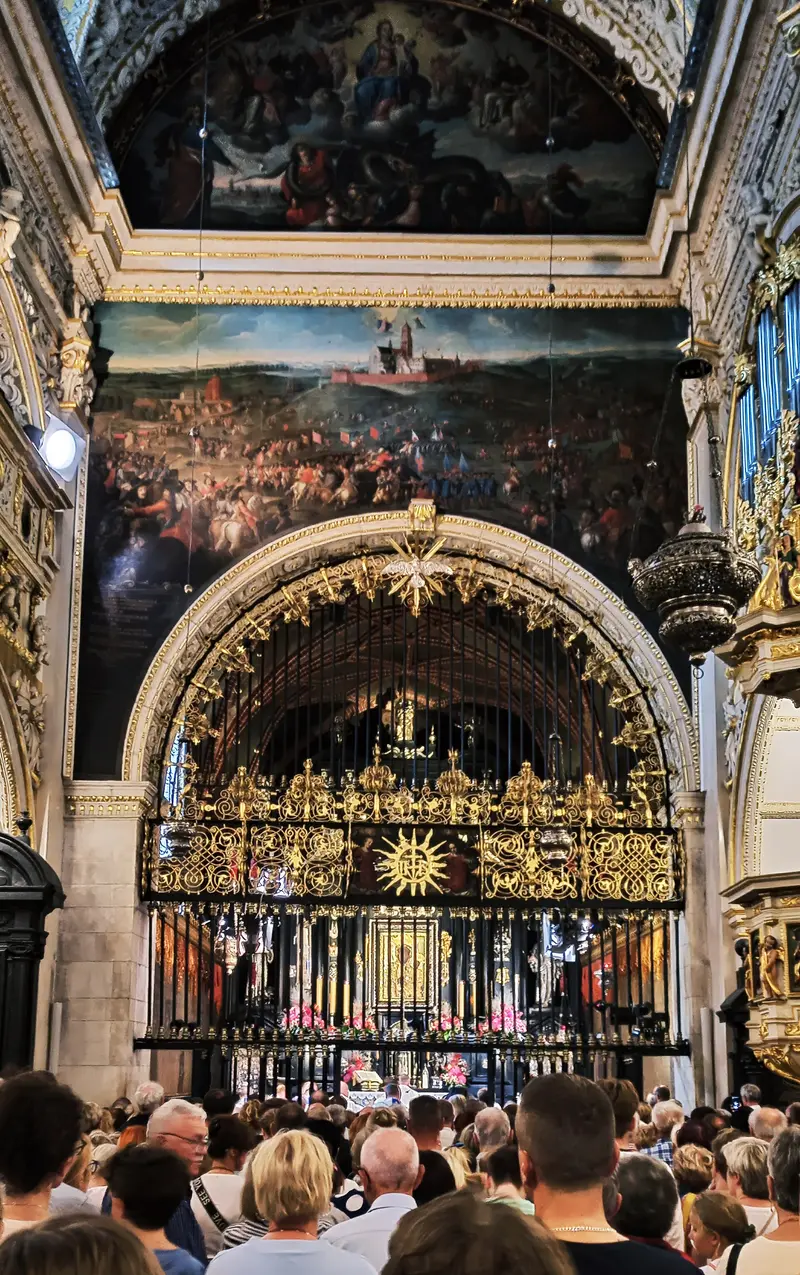
In the Gothic chapel north of the basilica hangs the icon of the Black Madonna; by 1644, the chapel was extended with a three-aisled section. The image is unveiled daily at 6 AM and covered at noon for the Angelus; at 9 PM, the Jasna Góra Appeal takes place here. Throughout the day, Masses are celebrated in the chapel, with one at 8 AM in Latin.
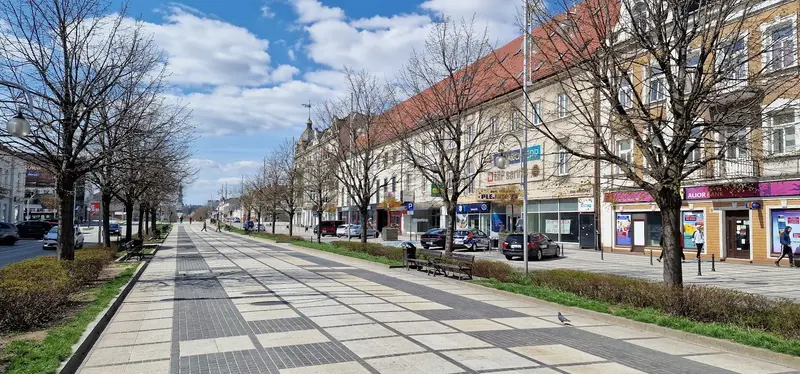
The approximately 1.5-kilometer-long and 44-meter-wide avenue was laid out from 1818, with four rows of chestnuts planted in 1823. It leads from Plac Daszyńskiego via Plac Biegańskiego to the parks below Jasna Góra. Worth seeing are the neo-Gothic Church of the Most Holy Name of Mary (1859–1861) and house No. 47, where the Częstochowa Museum has been presenting the Pilgrim Museum since 2007.
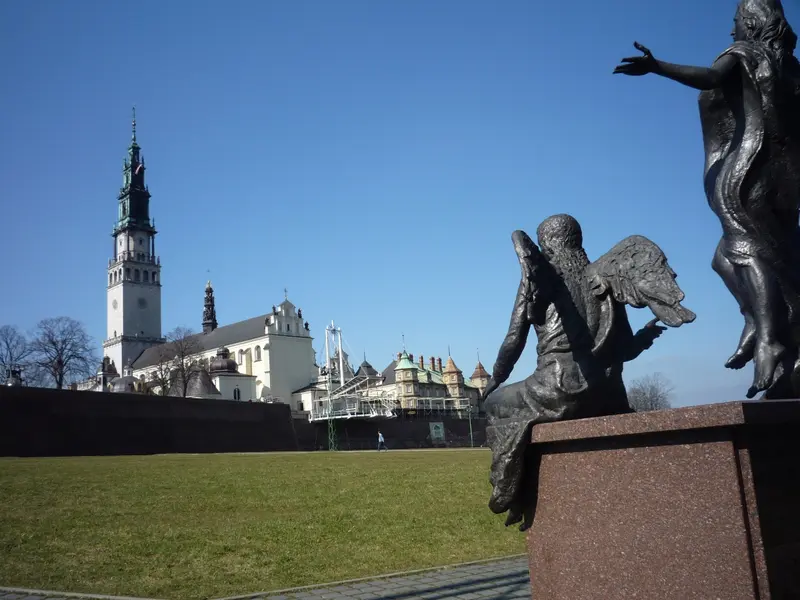
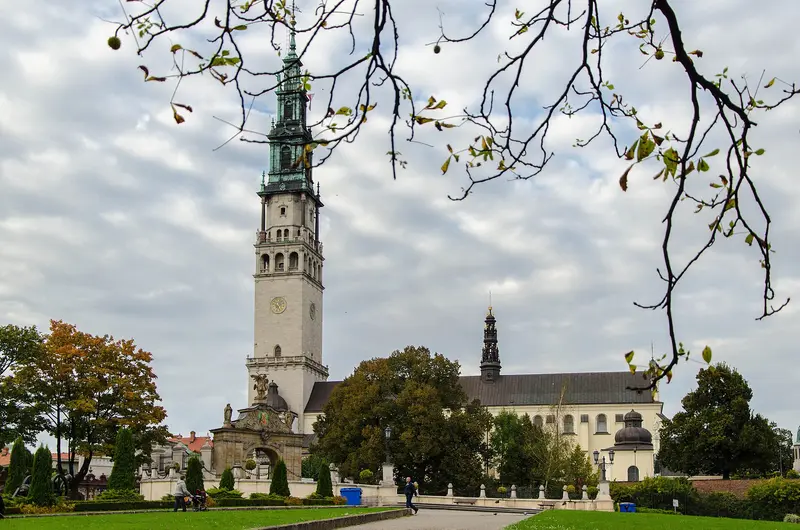
Founded 1382, the Pauline Monastery on Hellen Berg was fortified from c. 1620, resisting a 1655 siege by 4,000 Swedes. Rebuilt Baroque-style post-1690 fire, the Basilica's 106m tower is visible for miles. On site: the Treasury, the Arsenal (an 1680s armory), and the 600th Anniversary Museum showcase monastery history. Open daily: grounds 5:30 AM–9:30 PM, ramparts 6 AM–6:30 PM.
Restaurant at ul. Iglasta 8, offering traditional Polish cuisine based on old Polish recipes and regional products. The menu changes seasonally. Established in 2013.
Brewery restaurant with a hotel at ul. Janusza Korczaka 14 in the city center, on two levels and with its own beer. The menu features regional dishes like Żurek with buttermilk and Jura dumplings with duck, and many dishes draw upon the Jewish culinary tradition that was once widespread in Częstochowa. Open daily from 12 PM.
Sour soup, a regional Częstochowa dish with buttermilk, prepared, such as at Browar Czenstochovia Brewery Restaurant.
Jura Dumplings, Duck
Kraków-Częstochowa Jura-style dumplings with duck, featured as a regional dish, for instance, at Browar Czenstochovia.
Culture in Częstochowa
Jasna Góra and the Black MadonnaThe Miraculous Image was given to the monastery church in 1384. Though legend credits Saint Luke as its painter, it originated in the 14th century, likely by an unknown Italian artist. In 1430, robber knights plundered the monastery, damaging the image with saber cuts; Krakow restoration left the cuts visible. In 1655, the monastery withstood a Swedish siege—an event of great religious and symbolic importance for Poland. The image was solemnly crowned in 1717.A Living SanctuaryJasna Góra is no museum, but a pilgrimage site with services from early morning until evening. Daily at 9 PM, the faithful pray the Appeal of Jasna Góra (Apel Jasnogórski) in the chapel, also broadcast online. Since 1994, the monastery has been a Polish historical monument; since 1906, the church has held the title of a Basilica minor. Silence is required in the chapel during masses.
Getting to and Visiting Jasna Góra
Getting ThereCzęstochowa is located on the Warsaw–Katowice railway line, about 220 kilometres south of Warsaw. The nearest airport with international scheduled flights is Katowice-Pyrzowice. From the centre, walk along Aleja NMP to the monastery.Opening Hours at Jasna GóraThe monastery grounds are accessible daily from 5:30 to 21:30, the ramparts from 6:00 to 18:30. The miraculous icon is unveiled daily at 6:00 and veiled around noon for some time; exact times vary depending on the day of the week. The museums are open from March to October 9:00–17:00, from November to February 9:00–16:00, the tower from April to November 8:00–16:00. Guided tours can be arranged through the Jasnogórskie Centrum Informacji. The sanctuary reserves the right to make changes; please check times in advance at jasnagora.pl.