Fernweh: Home
    ExploreTravel GuidesPlan a tripMy tripLast visited
    de|en
    All Places & RegionsAll highlightsAbout FernwehFAQPrivacy PolicyImprint
    ExploreTravel GuidesPlan a tripMy tripLast visited
    • Overview
    • Places in the region
    • Nearby
    Silesia
    1bumer / Wikimedia Commons / CC BY-SA 4.0

    Poland

    Silesia

    Region

    The Silesian Voivodeship (województwo śląskie) in southern Poland was established in 1999 from the former voivodeships of Katowice, Częstochowa, and Bielsko-Biała.

    by Felix Gillen

    1. Home
    2. Destinations
    3. Poland
    4. Silesia
    The Silesian Voivodeship (województwo śląskie) in southern Poland was established in 1999 from the former voivodeships of Katowice, Częstochowa, and Bielsko-Biała. It encompasses the eastern part of Upper Silesia, a portion of Cieszyn Silesia, and areas historically belonging to Lesser Poland, including Częstochowa and the Dąbrowa Basin. Approximately 4.3 million people live across its 12,334 square kilometers.Its core is the Upper Silesian Industrial Region around Katowice, Gliwice, and Zabrze, which grew in the 19th century with hard coal mining. Disused mines are now museums and cultural venues. To the north, the Kraków-Częstochowa Upland stretches through the region with castle ruins on limestone cliffs; to the south, the Silesian Beskids rise.
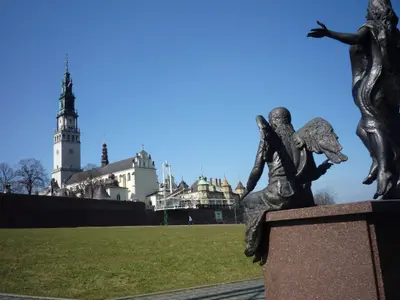
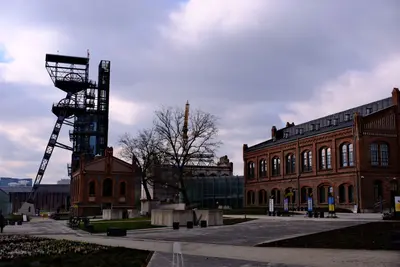
    Katowice is the capital of the voivodeship and, with 279,190 inhabitants (2024), its largest city. On the site of the former Katowice coal mine, a cultural zone has emerged, featuring the concert hall of the National Polish Radio Symphony Orchestra (NOSPR) and the Silesian Museum; the Spodek arena stands right next to it. In the Nikiszowiec district, a brick miners' settlement is preserved.The second largest city is Częstochowa on the Warta River, with around 206,000 inhabitants. The Jasna Góra Pauline Monastery, home to the miraculous icon of the Black Madonna, attracts three to four million pilgrims and visitors every year.Between these two cities lies the Kraków-Częstochowa Upland, traversed by the Trail of the Eagle's Nests (Szlak Orlich Gniazd), leading to 14th and 15th-century castle ruins. Industrial history is explored along the Route of Technical Monuments (Szlak Zabytków Techniki), which includes the Guido Coal Mine in Zabrze. The historic Silver Mine of Tarnowitz (Tarnowskie Góry) has been on the UNESCO World Heritage List since 2017.
    Kattowitz (Katowice)

    Place 1 of 2

    Kattowitz (Katowice)

    Katowice is the capital of the Silesian Voivodeship and the hub of an urban agglomeration with several million inhabitants. The village grew into an industrial city in the 19th century thanks to coal and ore, receiving city rights in 1865.

    Discover
    Tschenstochau (Częstochowa)
    Adam Chamczyk / Wikimedia Commons / CC BY 3.0

    Place 2 of 2

    Tschenstochau (Częstochowa)

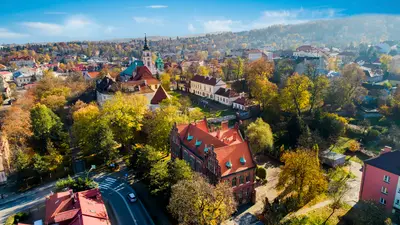
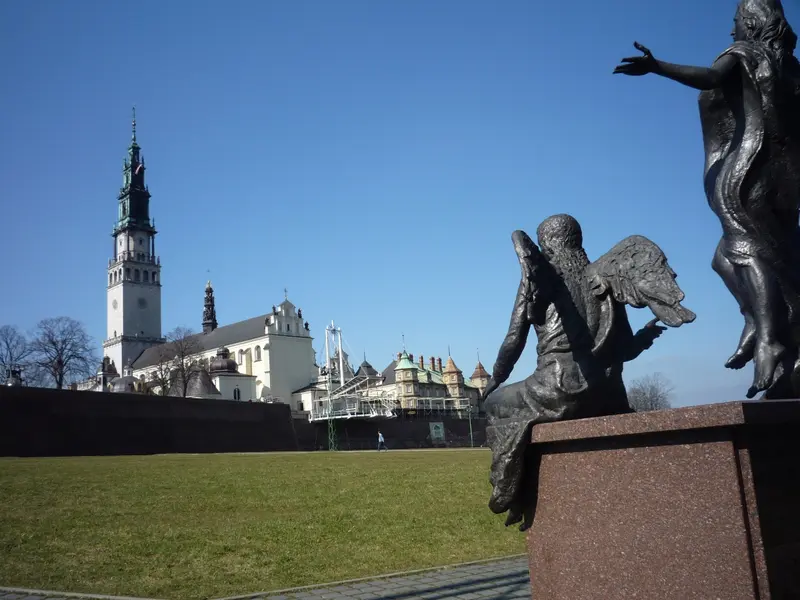
    Tschenstochau (Częstochowa) on the Warta River, with approx. 206,000 residents, is the second-largest city in Silesian Voivodeship.

    Discover

    Sights in Silesia

    Discover the most important sights and attractions

    Guido Coal Mine in Zabrze

    Guido Coal Mine in Zabrze

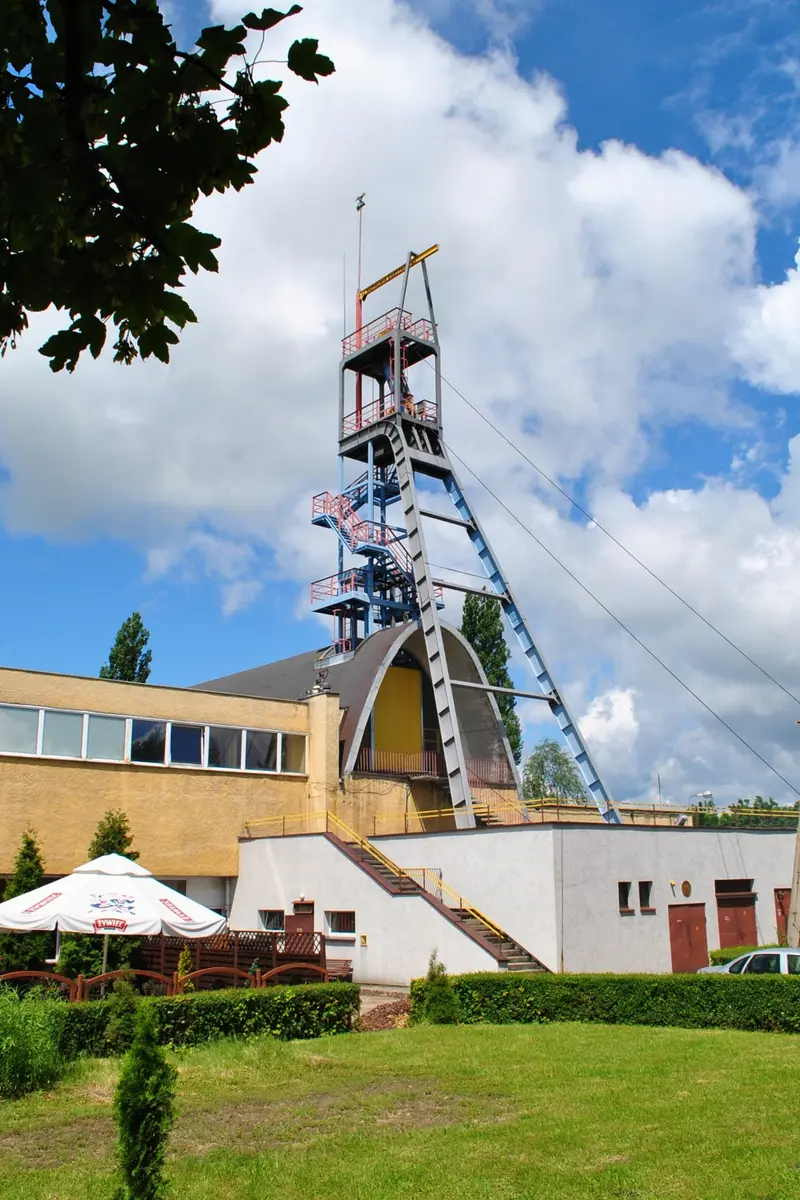
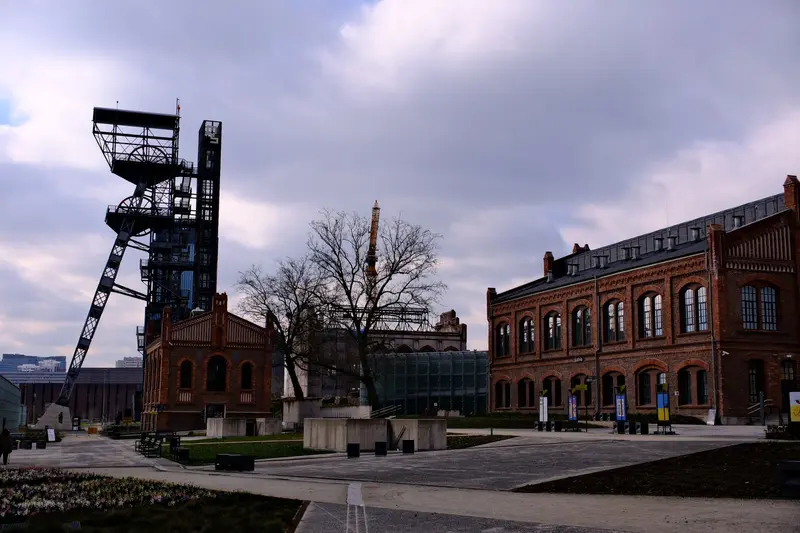
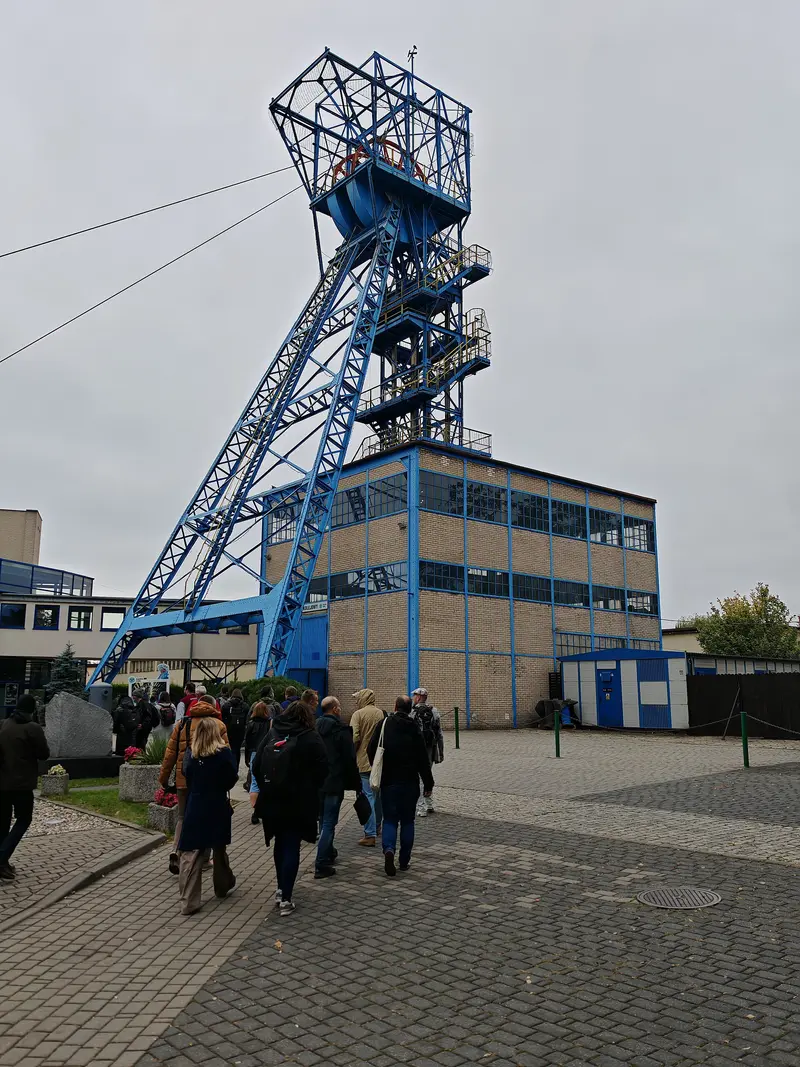
    Count Guido Henckel von Donnersmarck received the mining concession for the mine in 1855, which has been part of the Coal Mining Museum in Zabrze (Muzeum Górnictwa Węglowego) since 2013. A lift takes visitors to levels 170 and 320 meters deep, where old workings, a St. Barbara's Chapel, and an underground pub can be seen. Since 2020, the mine has been part of the historical monument "Zabrze, Ensemble of Historic Coal Mines" and is located on the Route of Technical Monuments. Tickets are available online via podziemnaprzygoda.pl.
    Open in Google Maps
    Ogrodzieniec Castle (Zamek Ogrodzieniec)

    Ogrodzieniec Castle (Zamek Ogrodzieniec)

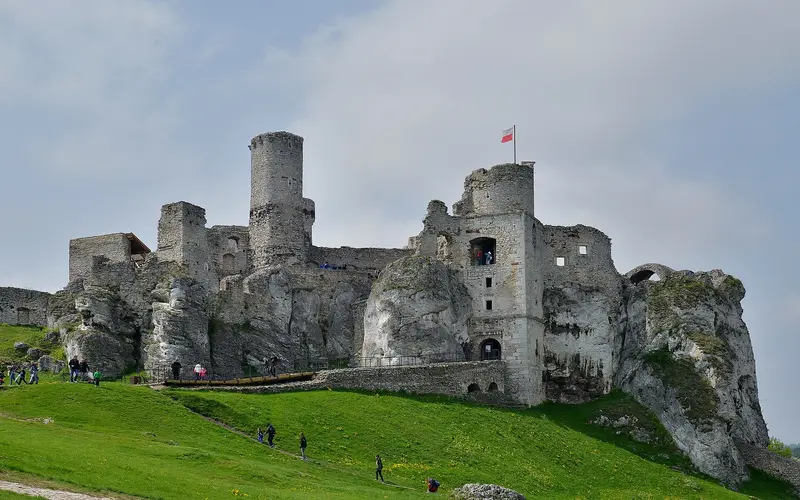
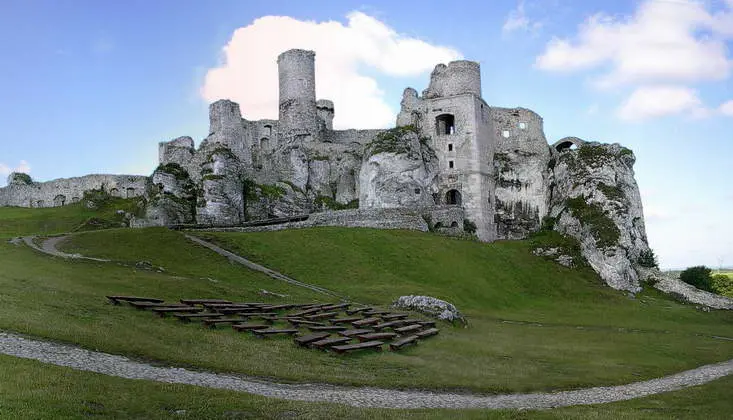
    The ruin is located in Podzamcze, about 2 kilometers east of Ogrodzieniec, on Schlossberg, which at 515.5 meters is the highest elevation of the Krakow-Częstochowa Upland, and is part of the Trail of the Eagle's Nests. In the 14th century, Casimir the Great had a stone castle built here, which Seweryn Boner expanded into a Renaissance castle between 1530 and 1545. After fires caused by Swedish troops in 1655 and 1702, it fell into disrepair, and was secured as a ruin from 1949 to 1973. The castle served as a filming location for, among others, Andrzej Wajda's "Zemsta" (2001) and the Netflix series "The Witcher" (2019). On weekends, there are light shows; opening hours and tickets can be found at zamek-ogrodzieniec.pl.
    Open in Google Maps
    Historic Silver Mine Tarnowitz (UNESCO)

    Historic Silver Mine Tarnowitz (UNESCO)

    The Tarnowitz (Tarnowskie Góry) mine, where silver, lead, and zinc ores were extracted, joined the UNESCO World Heritage List in 2017 for its underground water system. The visitor route, opened in 1976, covers about 1.7 km of tunnels 40 meters deep; you'll travel 270 meters of this by boat. The two-hour tour costs 84 PLN, 73 PLN reduced (as of October 2026). Tickets: kopalniasrebra.pl. Nearby, one-hour boat trips run through the Black Trout Adit (Sztolnia Czarnego Pstrąga).
    Open in Google Maps

    Nearby

    Tschenstochau (Częstochowa)

    Tschenstochau (Częstochowa)

    Tschenstochau (Częstochowa) on the Warta River, with approx. 206,000 residents, is the second-largest city in Silesian Voivodeship. It is known for the Jasna Góra Pauline Monastery, founded in 1382 by Duke Władysław of Opole (Władysław Opolczyk), which attracts three to four million pilgrims and visitors annually with its miraculous Black Madonna icon. The city gained Magdeburg Rights in 1502 and railway connection to Warsaw-Vienna in 1846.The approx. 1.5-kilometer-long and 44-meter-wide Avenue of the Most Holy Virgin Mary (Aleja Najświętszej Maryi Panny) connects the Old Town and city center with the monastery hill. It starts at Plac Daszyńskiego, leads via Plac Biegańskiego, and ends at the parks below Jasna Góra. Along it are townhouses from around 1900, the neo-Gothic Church of the Most Holy Name of Mary, and the Pilgrim Museum. Away from the monastery, the Matchstick Museum showcases a piece of the city's industrial history.
    Kattowitz (Katowice)

    Kattowitz (Katowice)

    Katowice is the capital of the Silesian Voivodeship and the hub of an urban agglomeration with several million inhabitants. The village grew into an industrial city in the 19th century thanks to coal and ore, receiving city rights in 1865. Following a plebiscite and the division of Upper Silesia, it joined Poland and became the capital of the Autonomous Silesian Voivodeship in 1922. From 1953 to 1956, it was called Stalinogród. Today, approximately 279,000 people live here.The city center (Śródmieście) stretches from the train station to the Rynek. Nearby lies the pedestrian street ul. Mariacka, with its 19th-century neo-Gothic St. Mary's Church, which becomes the hub of nightlife in the evenings. Just a few minutes' walk north stand the Spodek Hall and the Culture Zone (Strefa Kultury) on the grounds of the former Katowice Mine. In the east of the city, the mining settlements of Nikiszowiec and Giszowiec are preserved.Since 2015, Katowice has been a UNESCO Creative City of Music. Alongside NOSPR concerts, the OFF Festival in August and the Tauron Nowa Muzyka Festival shape the calendar, while the Spodek hosts the finals of the Intel Extreme Masters e-sports tournaments.
    Auschwitz-Birkenau Memorial Site

    Auschwitz-Birkenau Memorial Site

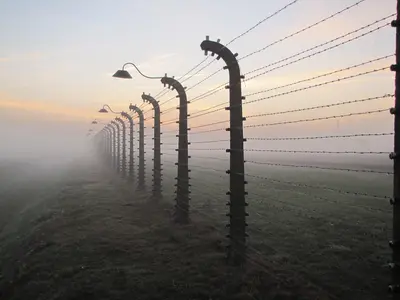
    The Auschwitz-Birkenau Memorial and State Museum is located on the outskirts of Oświęcim, west of Krakow (Kraków). German occupiers established the camp in 1940, and Auschwitz II-Birkenau was built from October 1941. According to estimates by the Memorial, approximately 1.1 million people were murdered in Auschwitz, about 1 million of them Jews. The victims also included approximately 70,000 Poles, 21,000 Sinti and Roma, 15,000 Soviet prisoners of war, and about 12,000 prisoners of other nationalities.On January 27, 1945, Soviet troops liberated the camp; since 2005, this day has been the International Holocaust Remembrance Day. The Polish Parliament founded the museum on July 2, 1947, and since 1979, the site has been on the UNESCO World Heritage List. The site covers approximately 191 hectares: the former main camp Auschwitz I and the much larger Birkenau, about three kilometers away; a free shuttle bus provided by the Memorial connects both parts. For a visit, you should allow at least half a day.
    Krakow (Kraków)

    Krakow (Kraków)

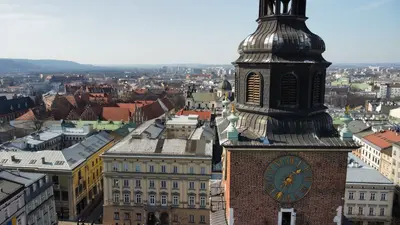
    Krakow (Kraków) lies on the Vistula in southern Poland and, with around 800,000 inhabitants, is the country's second-largest city. Until 1596, it was the capital of the Kingdom of Poland; on Wawel Hill, kings were crowned until 1734 and most of them were interred. Since 1978, its historic center—the Old Town, Wawel, Stradom, and Kazimierz—has been a UNESCO World Heritage site.The Old Town (Stare Miasto) surrounds the Rynek Główny, whose layout dates back to 1257. A green belt, the Planty, occupies the site of the former city fortifications; the historic Royal Route begins at St. Florian's Gate and led coronation processions up to Wawel. South of it lies Kazimierz, founded as a separate city in 1335 and for centuries a center of Jewish life. Today, synagogues, cafés, and bars mingle there.Beyond the Vistula lies Podgórze, where German occupiers established the ghetto in 1941; in the Zabłocie district stands Oskar Schindler's former enamel factory. To the east, Nowa Huta is an industrial city of the socialist era, incorporated in 1951.
    Wieliczka

    Wieliczka

    Wieliczka is located about 13 kilometers southeast of Krakow (Kraków) and has lived from salt since the Middle Ages. The first shafts were dug in the 13th century, and the town was granted city rights in 1290. Salt mining ended in 1996; the mine has been on the UNESCO World Heritage list since 1978, joined by the Bochnia mine in 2008, and the Saltworks Castle in 2013. Together, they form the World Heritage site Royal Salt Mines Wieliczka and Bochnia.Most visitors come for the underground tourist route, but the town itself is also worth a tour. At Rynek Górny, the buildings follow the medieval layout, while Rynek Dolny was once a trading place for salt and is located by the Regis Shaft. The town also features the Saltworks Castle, the wooden St. Sebastian's Church, and a brine graduation tower.

    Sources & method

    • Photos: Wikimedia Commons. Each photo carries its credit.
    • The content is based on web research from public, traceable sources. How the content is made · The role of AI