Fernweh: Home
    ExploreTravel GuidesPlan a tripMy tripLast visited
    de|en
    All Places & RegionsAll highlightsAbout FernwehFAQPrivacy PolicyImprint
    ExploreTravel GuidesPlan a tripMy tripLast visited
    • Overview
    • Places in the region
    • Best travel time
    • Round trips
    • Nearby
    Sahel & Kairouan
    Habib M'henni / Wikimedia Commons / CC BY-SA 4.0

    Tunisia

    Sahel & Kairouan

    Region

    The Sahel is the coastal plain in eastern Tunisia, home to Sousse, Monastir, and Mahdia, a good two hours by train south of Tunis.

    by Felix Gillen

    1. Home
    2. Destinations
    3. Tunisia
    4. Sahel & Kairouan
    The Sahel is the coastal plain in eastern Tunisia, home to Sousse, Monastir, and Mahdia, a good two hours by train south of Tunis. Inland lie two of the country's most famous World Heritage Sites: the Medina of Kairouan with its Great Mosque and the Roman Amphitheatre of El Djem. Behind the beaches, olive groves stretch over flat hills.
    The Coastal CitiesThe name Sahel comes from the Arabic word for coast. The region comprises the governorates of Sousse, Monastir, and Mahdia, approximately 140 kilometers long and 20 to 60 kilometers wide.Sousse: largest city in the region, Medina a UNESCO World Heritage site since 1988, Port El Kantaoui marina to the northMonastir: Ribat dating from 796, Mausoleum of state founder Habib Bourguiba, international airportMahdia: Fatimid city from 916 on a peninsula, fishing port and sandy beachesKairouan and El DjemKairouan was founded around 670 and is located inland, west of Sousse. Its Medina, featuring the Great Mosque and the 9th-century Aghlabid Basins, has been a UNESCO World Heritage site since 1988.El Djem is situated on the railway line south of Sousse. Its 3rd-century Amphitheater has been a UNESCO World Heritage site since 1979, and in summer, it hosts concerts for the Festival of Symphonic Music.Getting Around the RegionAirports: Monastir Habib Bourguiba (MIR) and Enfidha-Hammamet (NBE)Metro du Sahel: electric suburban train from Sousse via Monastir Airport to Mahdia, running approximately every 40 minutesTrain: SNCFT main line Tunis, Sousse, El Djem, SfaxKairouan: no rail connection, buses and louages from Sousse in about an hour and a half
    Monastir
    Gorik Francois / Wikimedia Commons / CC BY-SA 2.0

    Place 1 of 4

    Monastir

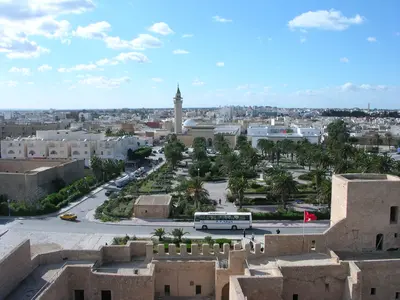
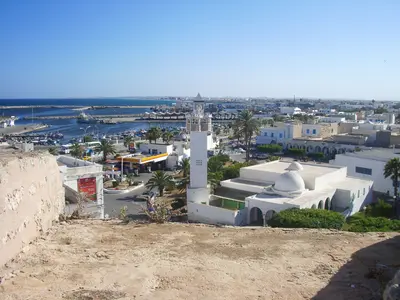
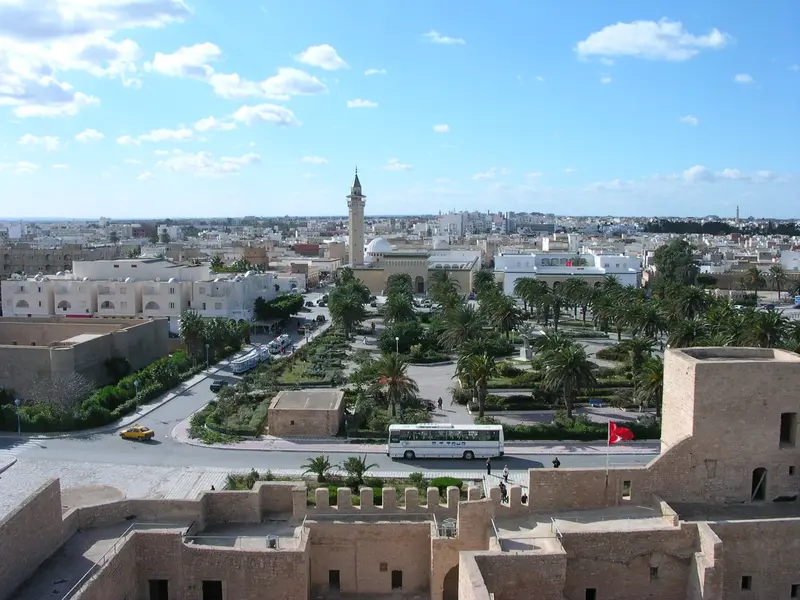
    Monastir, located on the east coast between Sousse and Mahdia, has an international airport offering connections to many Western European countries.

    Discover
    Sousse
    BishkekRocks 15:01, 29 December 2005 (UTC) / Wikimedia Commons / CC BY-SA 3.0

    Place 2 of 4

    Sousse

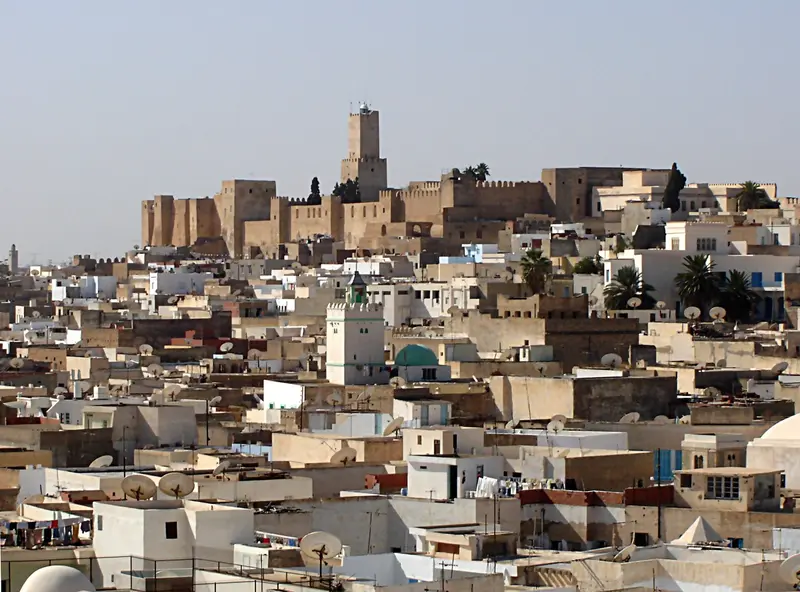
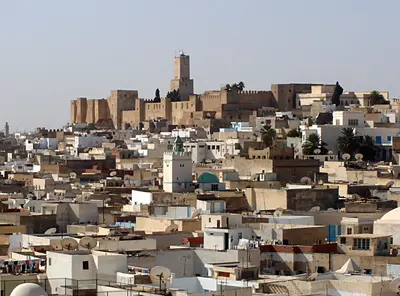
    Sousse, with around 240,000 inhabitants (2024 census), is the largest city in the Sahel, on the east coast, a good two-hour train ride south of Tunis.

    Discover
    Kerkennah Islands
    Atef Ouni / Wikimedia Commons / CC BY-SA 4.0

    Place 3 of 4

    Kerkennah Islands

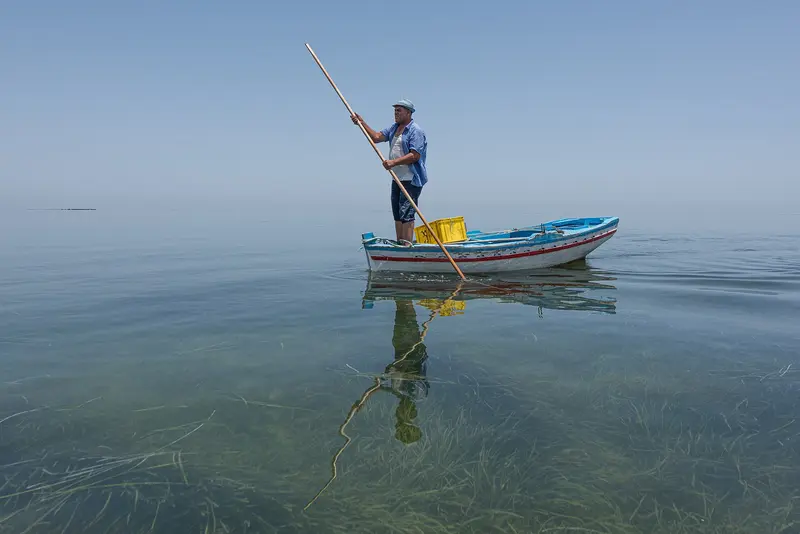
    The Kerkennah Islands are located in the Gulf of Gabès off Sfax and are reachable by ferry from Sfax.

    Discover
    Sfax
    Houssem Abida / Wikimedia Commons / CC BY-SA 4.0

    Place 4 of 4

    Sfax

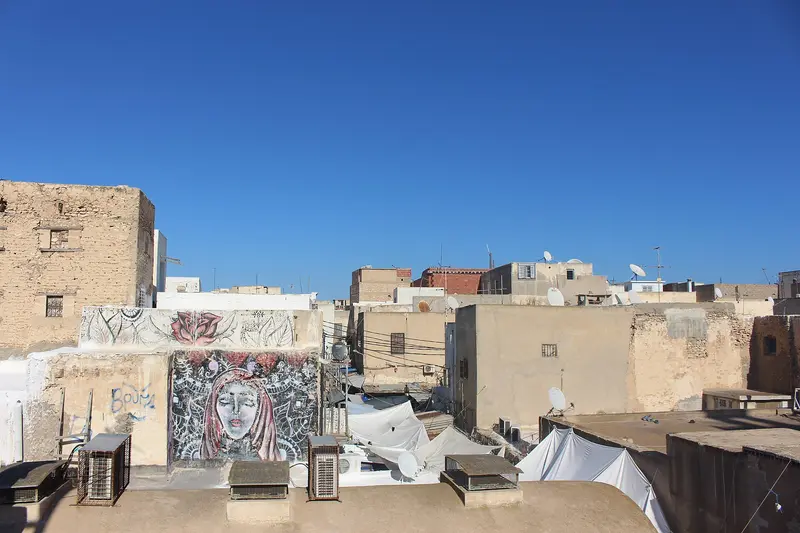
    Sfax, with approximately 274,000 inhabitants (2024 Census), is Tunisia's second-largest city, located about 270 kilometers southeast of Tunis on the Gulf of Gabès.

    Discover

    More places in Sahel & Kairouan

    Kairouan

    Kairouan

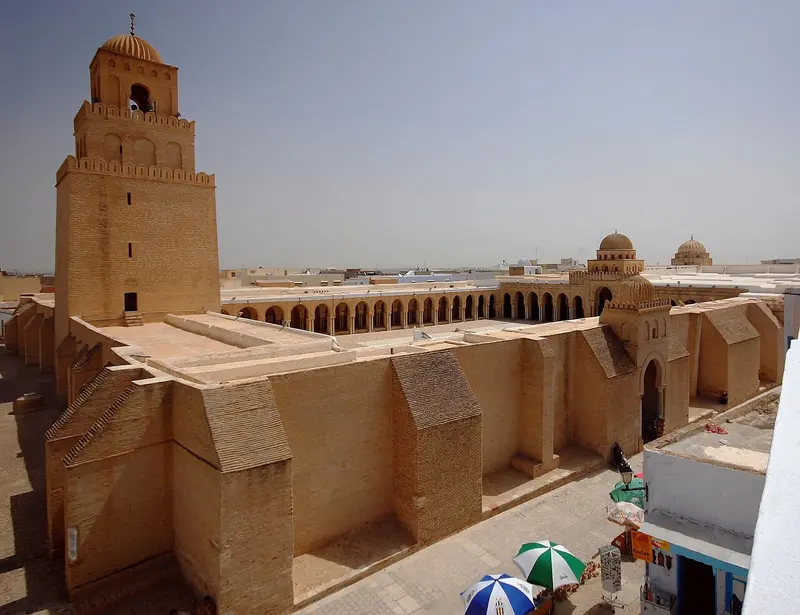
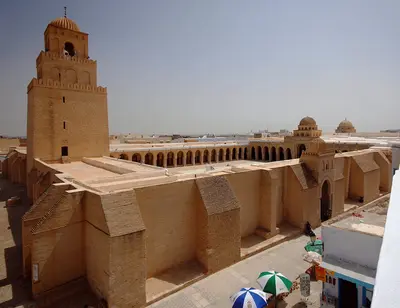
    Kairouan is located inland, about one and a half bus hours west of Sousse, and was founded around 670 by Uqba ibn Nafi. Its walled Medina, with the Great Mosque, has been a UNESCO World Heritage site since 1988. The city, with around 173,000 inhabitants (2024 Census), is also known for carpets and the date pastry Makroudh. Kairouan has no train station; buses and louages stop northwest of the Medina.
    Mahdia

    Mahdia

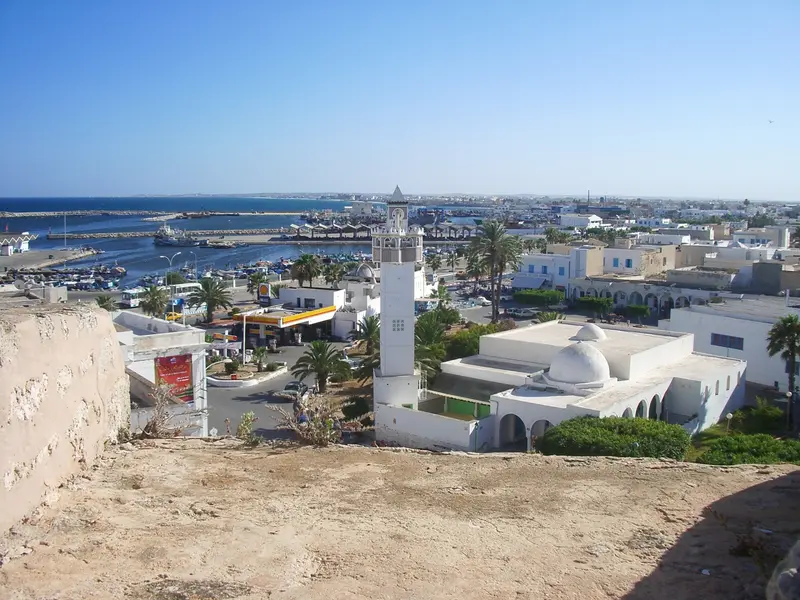
    Mahdia lies on a narrow peninsula on the east coast and is the southern terminus of the Metro du Sahel from Sousse and Monastir. The Fatimids founded the city as their capital in 916; the fortified gate Skifa el Kahla and the Great Mosque date from that time. North of the old town stretch white sandy beaches with hotels; the port is among Tunisia's largest fishing ports.
    El Djem

    El Djem

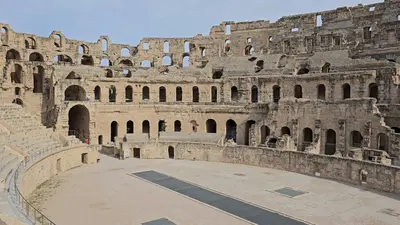
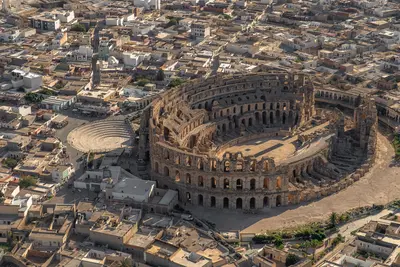
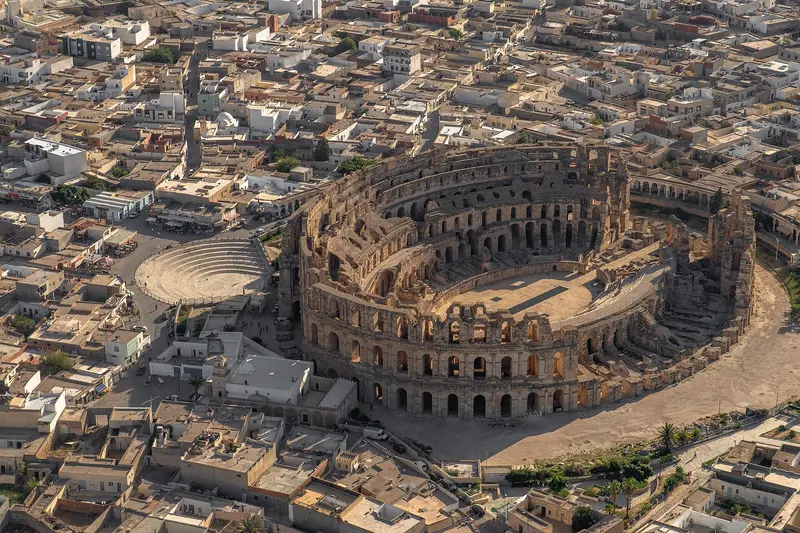
    The Amphitheatre of El Djem is one of the largest in the Roman world, situated in a small town in the Sahel, about an hour by train south of Sousse. It was built in the first half of the 3rd century in ancient Thysdrus and has been a UNESCO World Heritage site since 1979. With the same ticket, you can visit the Archaeological Museum with its mosaics and a reconstructed Roman villa.

    Best Time to Visit

    When is the best time for your trip?

    May
    June
    September
    October
    21–26°C·6–65 mm(little rain)
    In May and June, the daily average temperature in Monastir ranges from 21 to 25 °C, with hardly any rain. In September and October, it is still warm at 23 to 26 °C, but these months also see most of the year's precipitation.July and August, with daily highs around 33 °C, are the hottest months and also the peak season at the beaches.
    The data comes from the Monastir weather station (climate normals 1991-2020 per NOAA, sunshine hours and humidity from the Institut National de la Météorologie). Sousse, Mahdia, and El Djem share the same coastal climate, while Kairouan inland is hotter in summer.

    Seasons

    Jan
    Feb
    Mar
    Apr
    May
    Jun
    Jul
    Aug
    Sep
    Oct
    Nov
    Dec
    Summer and swim season
    Springtime and Autumn
    Winter
    Best Time to Visit
    ▶Show detailed monthly data
    MonthTemp (°C)Rain (mm)Sun (h)
    January12.8375.8
    February13.1306.7
    March15.3347.1
    April17.7228.0
    May21.2209.4
    June25.0610.5
    July27.9311.3
    August28.61510.4
    September25.9658.1
    October22.6557.1
    November17.8386.5
    December14.0415.5

    Round trips through this region

    Classic Tour: Tunis, Kairouan and the Sahel

    Classic Tour: Tunis, Kairouan and the Sahel

    Twelve days through the north and the Sahel: from the medina of Tunis via the ruins of Carthage and Dougga to Kairouan, on to the amphitheatre of El Djem and down to the coast at Sousse, Monastir and Hammamet. The medina of Tunis, Carthage, Dougga, Kairouan, El Djem and the medina of Sousse are UNESCO World Heritage Sites.

    12 Days
    9 stops

    Nearby

    Sousse

    Sousse

    Sousse, with around 240,000 inhabitants (2024 census), is the largest city in the Sahel, on the east coast, a good two-hour train ride south of Tunis. Its walled Medina, with its Ribat and Great Mosque, has been a UNESCO World Heritage site since 1988; the Archaeological Museum in the Kasbah displays mosaics from Roman villas. To its north are the hotel zone and Port El Kantaoui marina. Medina, museum, and port are reachable by foot; the Metro du Sahel runs from Bab Jedid to Monastir and Mahdia.
    Monastir

    Monastir

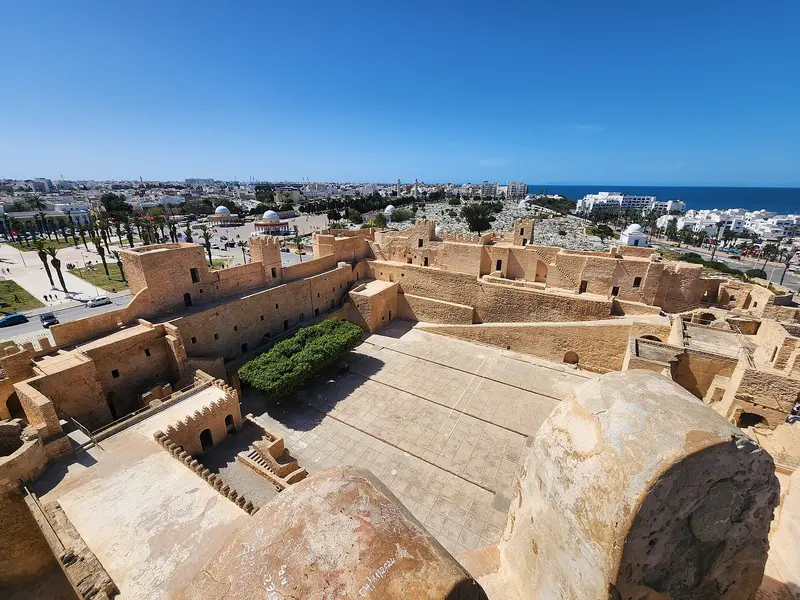
    Monastir, located on the east coast between Sousse and Mahdia, has an international airport offering connections to many Western European countries. The city is the birthplace of Tunisia's first president, Habib Bourguiba; his golden-domed mausoleum and the Ribat, dating from 796, define its cityscape. The Medina, Ribat, and Marina are close together and easily reachable on foot, while Sousse is about 20 minutes away by louage.
    Kairouan

    Kairouan

    Kairouan is located inland, about one and a half bus hours west of Sousse, and was founded around 670 by Uqba ibn Nafi. Its walled Medina, with the Great Mosque, has been a UNESCO World Heritage site since 1988. The city, with around 173,000 inhabitants (2024 Census), is also known for carpets and the date pastry Makroudh. Kairouan has no train station; buses and louages stop northwest of the Medina.
    El Djem

    El Djem

    The Amphitheatre of El Djem is one of the largest in the Roman world, situated in a small town in the Sahel, about an hour by train south of Sousse. It was built in the first half of the 3rd century in ancient Thysdrus and has been a UNESCO World Heritage site since 1979. With the same ticket, you can visit the Archaeological Museum with its mosaics and a reconstructed Roman villa.
    Mahdia

    Mahdia

    Mahdia lies on a narrow peninsula on the east coast and is the southern terminus of the Metro du Sahel from Sousse and Monastir. The Fatimids founded the city as their capital in 916; the fortified gate Skifa el Kahla and the Great Mosque date from that time. North of the old town stretch white sandy beaches with hotels; the port is among Tunisia's largest fishing ports.

    Sources & method

    • Photos: Wikimedia Commons. Each photo carries its credit.
    • The content is based on web research from public, traceable sources. How the content is made · The role of AI