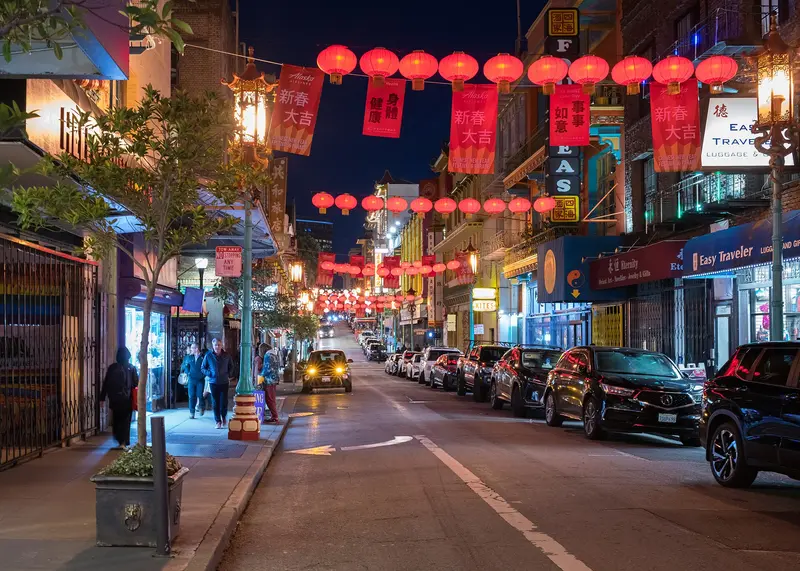
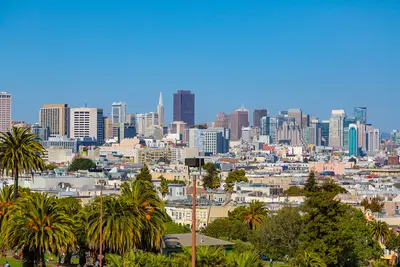
Fisherman's Wharf, North Beach and Chinatown sit side by side in San Francisco's northeast corner, between the bayfront and the Financial District. On foot, you can work your way from Chinatown's dim sum bakeries through North Beach's espresso bars down to the piers in half a day.Chinatown starts at the Dragon Gate on Grant Avenue, the stretch of souvenir shops and restaurants. For everyday Chinatown, with produce stands and fish markets, walk one block over to Stockton Street. North Beach is the old Italian neighborhood around Columbus Avenue and Washington Square, full of pizzerias, delis and the bars where the Beat writers drank in the 1950s. Above it rises Telegraph Hill and Coit Tower. Fisherman's Wharf is the most touristy part of town: crab stands, T-shirt shops, Pier 39 and the Alcatraz ferry.Plan your day: Chinatown in the morning, lunch in North Beach, then up to Coit Tower in the afternoon and down to the Wharf. From the Dragon Gate to Pier 39 is about 1.5 miles.The Wharf: An hour is plenty for Pier 39 and the sea lions. You'll eat better in North Beach or Chinatown than at the waterfront places that live off foot traffic.
Sights in Fisherman's Wharf, North Beach & Chinatown
Discover the most important sights and attractions
Historic Landmark
1Coit Tower
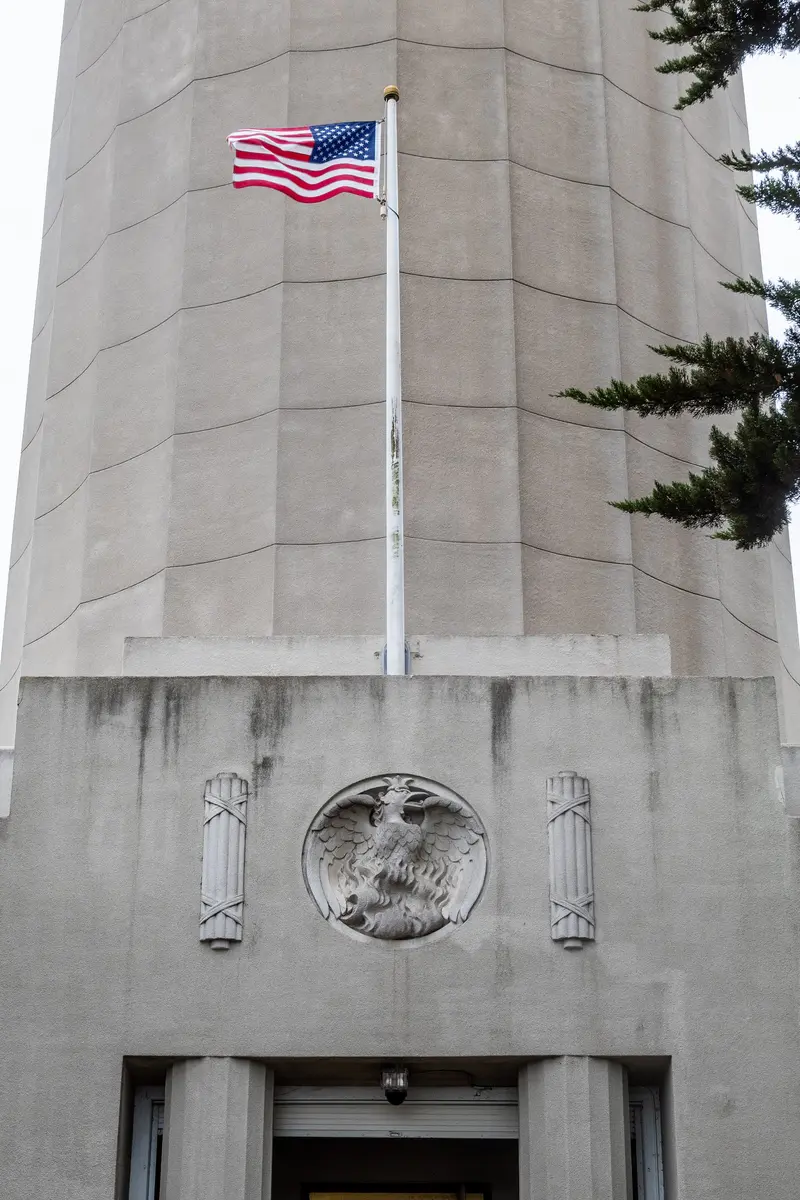
The approximately 55-meter-tall concrete tower on Telegraph Hill was inaugurated in 1933, paid for from the estate of Lillie Hitchcock Coit. The frescoes on the ground floor were painted in 1934 by over 20 artists, commissioned by the Public Works of Art Project. They depict working life in Depression-era California and are freely accessible. You pay an entrance fee for the elevator to the observation deck; current prices and opening hours are available on the city's website (sf.gov, Coit Tower). You can get there by bus 39 from Fisherman's Wharf or on foot via the Filbert Steps; the small parking lot at the top is usually full.
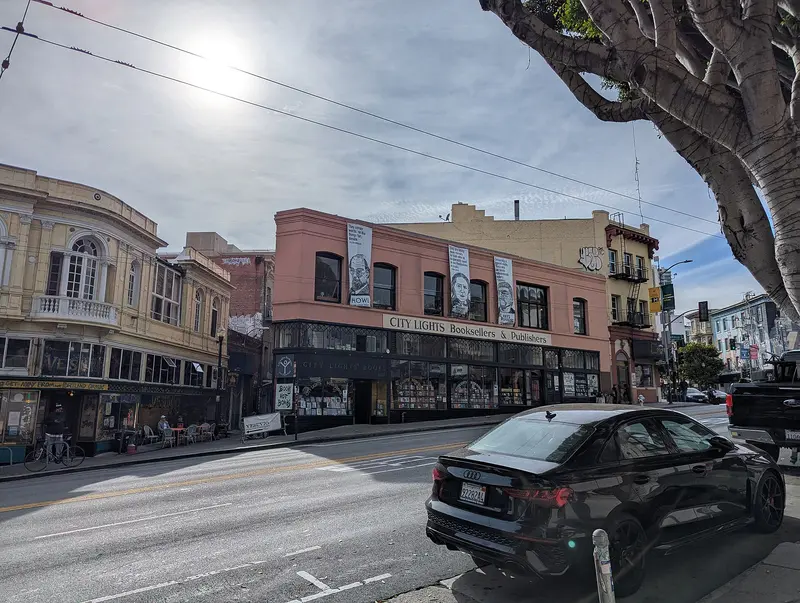
Lawrence Ferlinghetti and Peter D. Martin founded the bookstore in 1953 at 261 Columbus Avenue. As a publisher, City Lights released Allen Ginsberg's "Howl" in 1956; the 1957 obscenity trial ended in acquittal. In 2001, it became the first store ever to be declared a city landmark. The poetry section is located upstairs, and right next door on Jack Kerouac Alley is Vesuvio Bar.
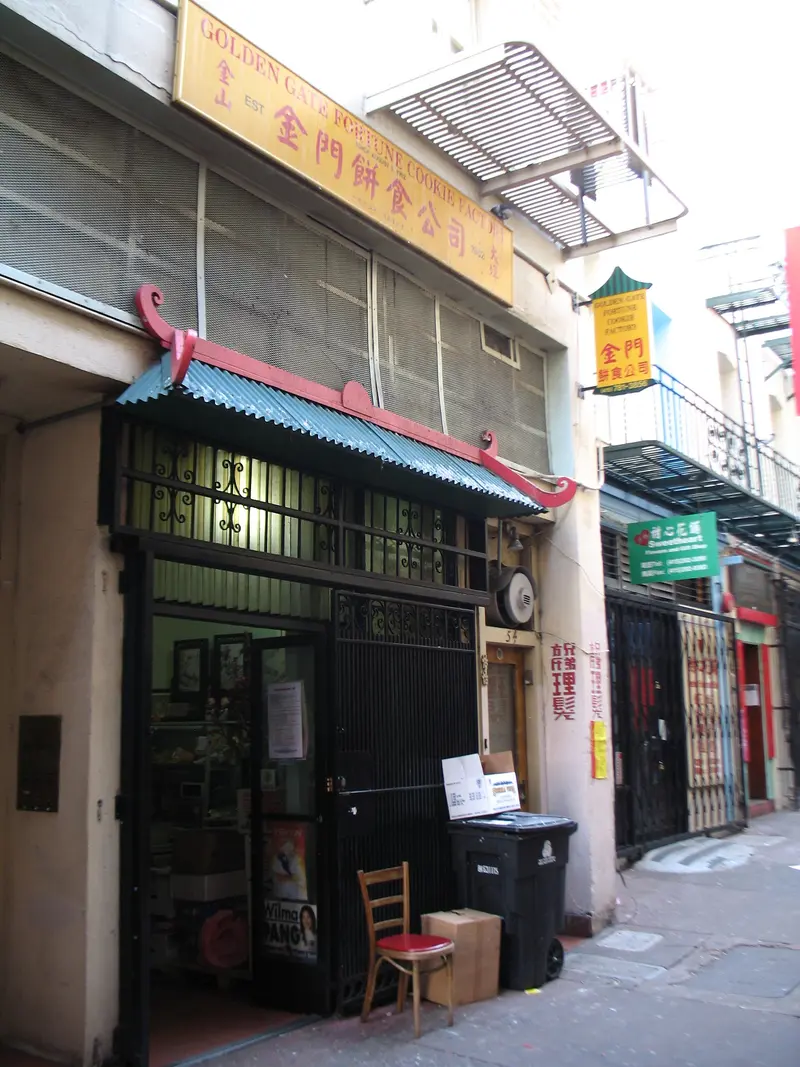
The small fortune cookie bakery at 56 Ross Alley has been in operation since 1962. Watch dough wafers baked on old machines and hand-folded, and buy the cookies by the bag, also with chocolate or green tea coating. The alley is narrow, the shop tiny – plan just a few minutes.
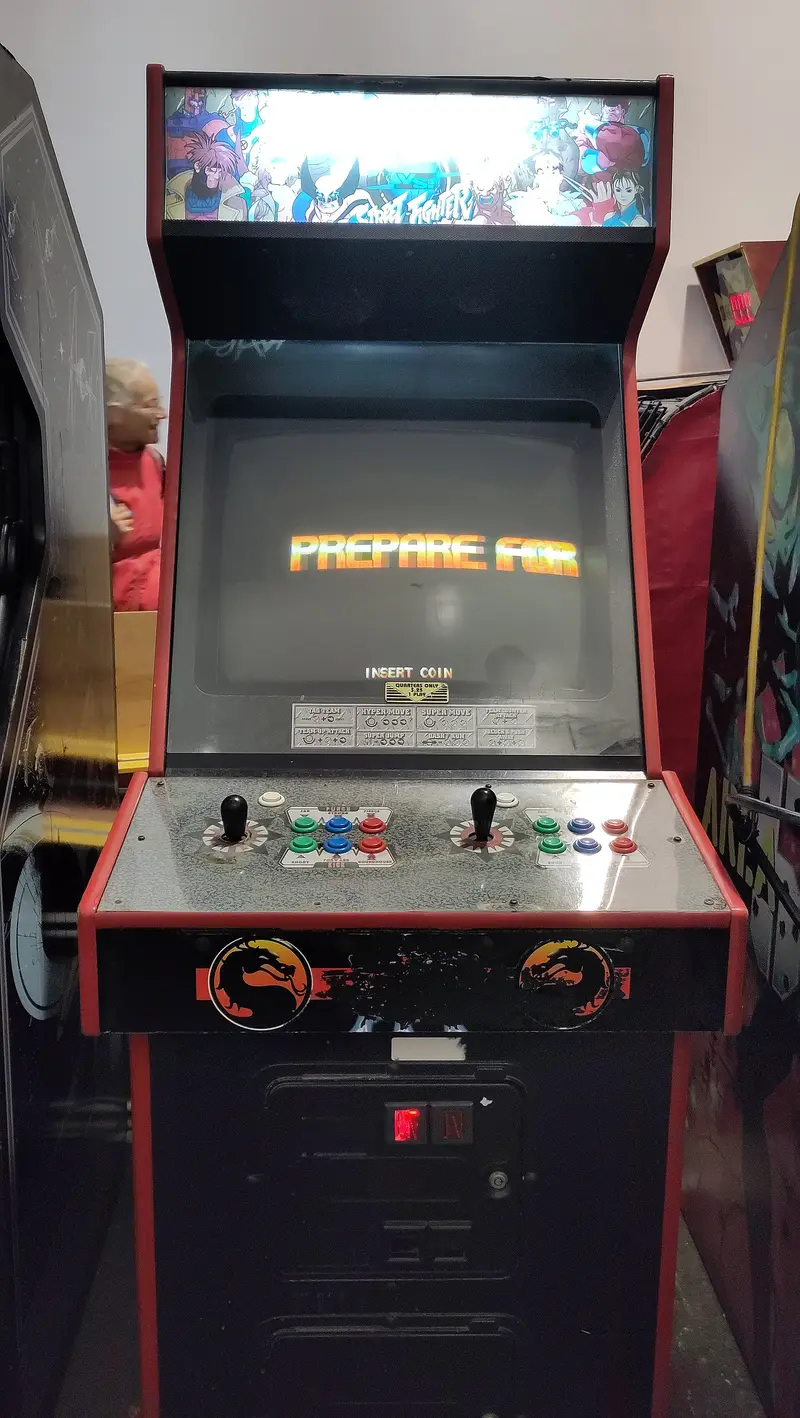
At Pier 45's hall, you'll find around 200 historic coin-operated machines from the Zelinsky family collection: fortune tellers, mechanical dioramas, pinball, and the laughing doll Laffing Sal. Admission is free, but games typically cost one to two dollars in quarters; change machines are on hand. Great for an hour on a rainy or foggy day, and for kids.
Pizzeria by award-winning pizzaiolo Tony Gemignani on Stockton Street, at the edge of Washington Square. Multiple ovens bake various styles, from wood-fired Neapolitan pizza to Roman and New York-style variations. In the evenings, you often wait long without a reservation; come at lunchtime or reserve beforehand.
Sichuan restaurant at 655 Jackson Street, holding a Michelin Bib Gourmand for about ten years. Its spicy cuisine features chili and Sichuan pepper; the crispy garlic crab is famous. The decor is simple, portions are generous; come with friends and share.
Dim Sum bakery on Stockton Street where you order for takeout: Shrimp Har Gow, Siu Mai, Char Siu Buns, all inexpensive and fresh from the steamer. There's almost always a line out the door, but it moves quickly. No seating available, take your bag to Portsmouth Square. In the morning, the selection is biggest.
A family-run Italian seafood restaurant at 552 Green Street in North Beach, cramped, loud, and adorned with maritime knick-knacks on the walls. Order the Cioppino, the fish stew of Genoese fishermen, which arrives here in large pots and easily serves two. Reservations are limited; expect a wait during peak times.
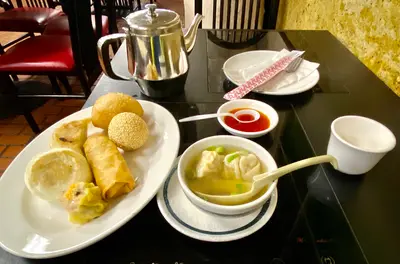
Cantonese dumplings, buns and small plates, best in Chinatown in the morning and at lunch. Grab them cheap to go from the bakeries on Stockton Street, or sit down at one of the old-school tea houses.
Focaccia sandwich
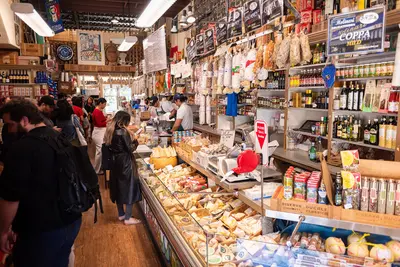
North Beach still has Italian delis with deep roots, like Molinari, open since 1896. A stuffed focaccia or panino makes the classic lunch to eat on a bench in Washington Square.
Espresso and cannoli
Caffe Trieste on Vallejo Street opened in 1956 as one of the first espresso bars on the West Coast. Pair it with cannoli from the pastry shops along Columbus Avenue.
Culture and history
Chinese immigrants began settling around Portsmouth Square in the early 1850s. After the 1906 earthquake, Chinatown was rebuilt in the pagoda-roofed style you see today, partly as a deliberate draw for visitors.Temples: Tin How Temple on Waverly Place dates to the 1850s and is considered the oldest Chinese temple in the country.The Beats: In the 1950s, Kerouac, Ginsberg and Ferlinghetti held court in North Beach's cafés and bars. City Lights published Ginsberg's "Howl" in 1956.Italian roots: North Beach was settled by immigrants from Liguria and Sicily. Saints Peter and Paul Church on Washington Square is still the neighborhood's anchor.Fishing: Italian fishermen once landed crab and sardines at the Wharf, and the crab stands on Jefferson Street carry on that tradition.
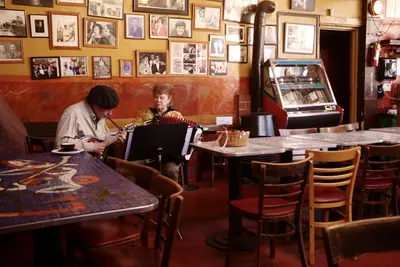
1948 bar at 255 Columbus Avenue, right next to City Lights on Jack Kerouac Alley. Kerouac, Ginsberg, and other Beat writers drank here; photos and art from the era hang on the walls. Open weekdays from 8 AM, weekends from 6 AM, daily until 2 AM.
Dark basement bar at 916 Grant Avenue in the heart of Chinatown, one of the neighborhood's oldest bars and a classic dive bar. Known for its very strong Mai Tai. Simple, affordable, and often packed late into the evenings.
Pub on the small lane William Saroyan Place, opposite Vesuvio, named after its founder Richard "Specs" Simmons (died 2016). The walls are filled with curiosities, from historical wanted posters to a mummy sarcophagus, and the drinks are cheap.
Getting around Fisherman's Wharf, North Beach & Chinatown
Walking is the way to see all three. Expect steep climbs on Telegraph Hill and Russian Hill.Cable car: The Powell-Mason and Powell-Hyde lines run from Powell and Market over Nob Hill to Fisherman's Wharf; a ride is $9. The California line skirts the southern edge of Chinatown.F-line streetcar: The vintage streetcars run along Market Street and the Embarcadero to Fisherman's Wharf (Jones Street), handy for the Alcatraz ferry at Pier 33.39 bus: Runs from Fisherman's Wharf through North Beach up to Coit Tower. The lot at the top has only a handful of spaces.Muni Metro T: The Central Subway stops at Chinatown–Rose Pak station on Stockton Street, a few minutes from Union Square.Driving: Parking is scarce and pricey. Use a garage such as the one under Portsmouth Square, and don't leave anything visible in the car.
Accommodations in Fisherman's Wharf, North Beach & Chinatown
Find perfect stay in Fisherman's Wharf, North Beach & Chinatown