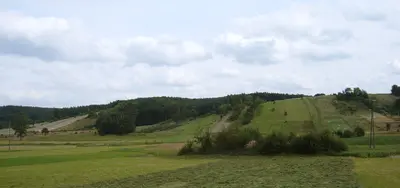
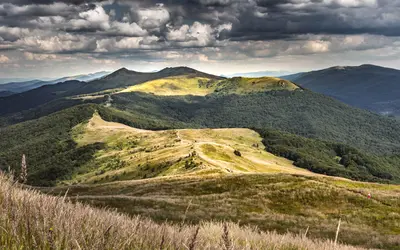
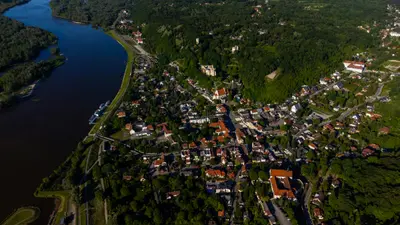
Zamość is located in southeastern Poland, approximately 240 km from Warsaw and 110 km from Lemberg (Lwiw), and has about 58,000 inhabitants. From 1578, Jan Zamoyski had the city designed by the Venetian architect Bernardo Morando as an ideal Renaissance town, which earned it the nickname "Padua of the North." Since 1992, the Old Town has been a UNESCO World Heritage site.The Old Town has a hexagonal layout: in the west were the Zamoyski family residence and the Academy, and in the east, the burgher town with three squares: the Great Market (Rynek Wielki), the Salt Market, and the Water Market. On the Great Market, with its arcaded houses, stands the Town Hall with its 52-meter-high clock tower. Remains of the fortress are preserved around the Old Town.You can see the main sights in one day. Zamość also serves as an excellent base for excursions into the Roztocze National Park.
Sights in Zamość
Discover the most important sights and attractions
Museum
1Synagogue
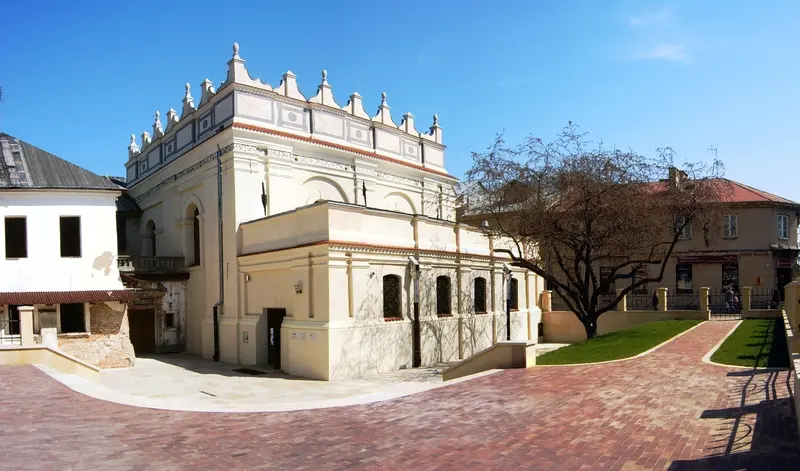
The Renaissance Synagogue on ul. Pereca bears witness to the city's once large Jewish community. The building dates from 1610 to 1620. Since 2011, it has housed the Synagoga Center, featuring a multimedia museum dedicated to the Jews of Zamość and the surrounding area.
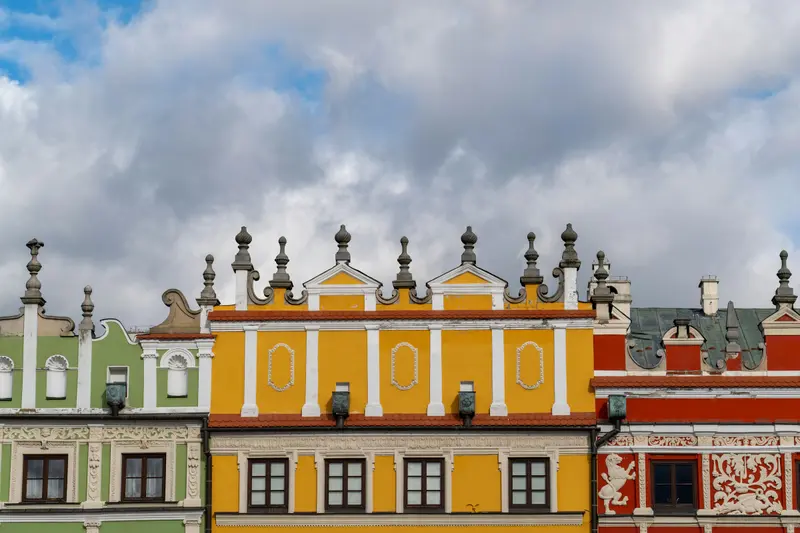
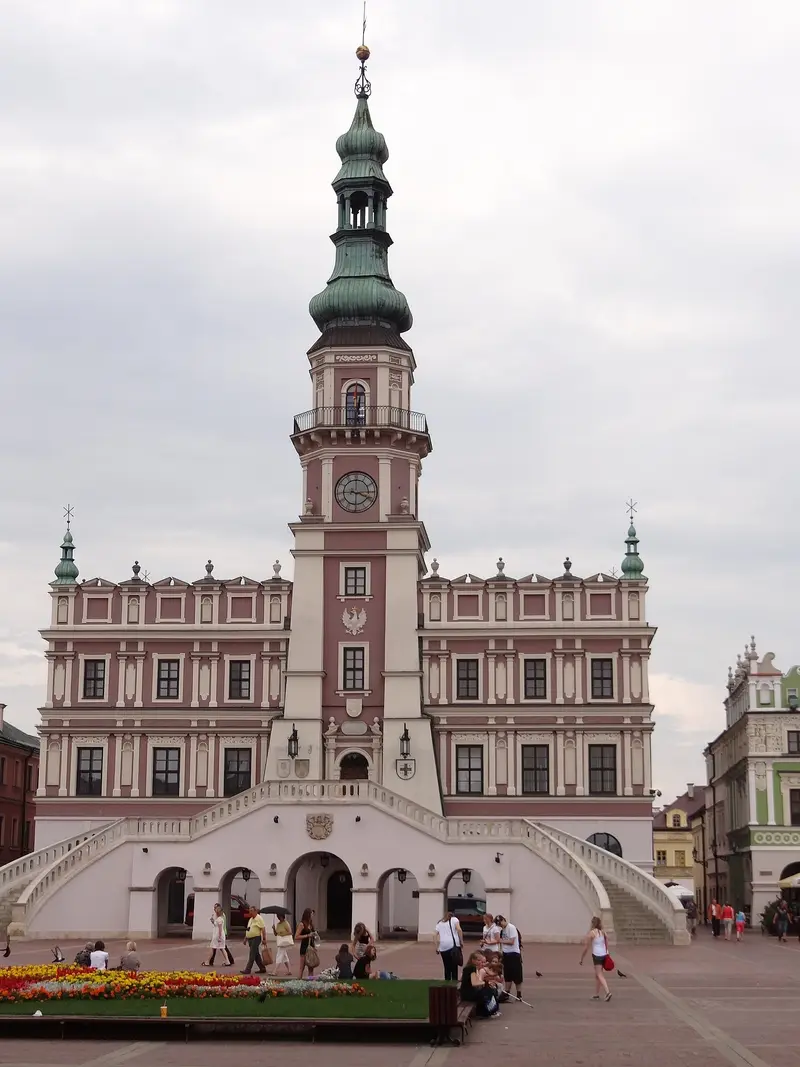
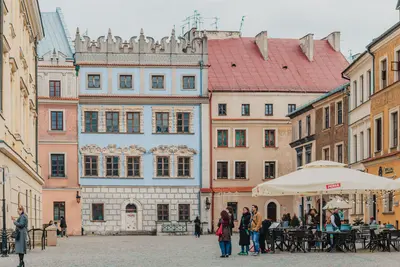
The approximately 100 by 100 meter square is the heart of the ideal city. Here stands the Town Hall, whose construction Bernardo Morando began in 1591 and which took on its current shape during reconstruction from 1639 to 1651. The clock tower is 52 meters high, the double-flight staircase was added in the 18th century. From the tower, the Hejnał is blown daily at 12 PM during the season. Around the square stand arcaded houses, including the Armenian Houses with their decorated attics; the Zamość Museum is located in one of them.
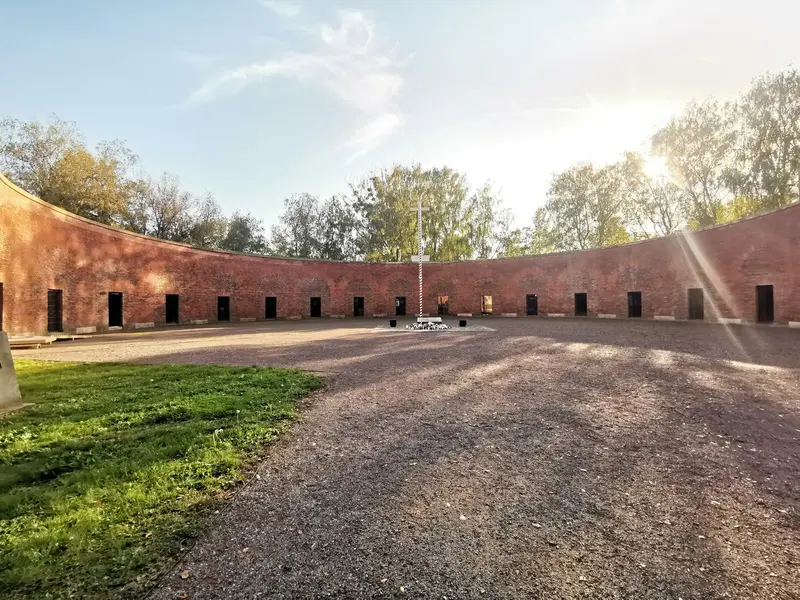
The Rotunda outside the Old Town was built 1825-1831 as the fortress's gun bastion. From 1940-1944, it served German occupiers as a Security Police transit camp and execution site. Today, it is a memorial and museum.
The restaurant in the Armenian Cellars is located on the north side of the Great Market Square, just a few steps from the Town Hall. The menu features Polish dishes such as Gołąbki. The rooms display a photo gallery by Stanisław Orłowski.
Restaurant in a historic house on ul. Staszica by the Main Market Square, with brick walls. The menu features regional dishes like buckwheat pierog and venison steak, and it's also known for its cakes. In summer, you can sit outside.
A flat yeast flatbread with onions and poppy seeds. It originated in the kitchens of Jewish bakers in Lublin and has been protected in the EU since 2014 as a specialty of the Lublin region, which also includes Zamość.
Buckwheat Pirog Pie
Baked dough pastry with buckwheat filling, a regional specialty that you can get, for example, at Bohema on the Main Market Square.
Renaissance Vault
Several restaurants on the Main Market Square sit in the vaulted cellars of Renaissance houses, such as Padwa in the Zamoyski House, which combines Italian and Hungarian influences with Polish cuisine.
The Story and Culture
An Ideal Renaissance CityJan Zamoyski planned Zamość according to Italian theories of the ideal city, with Bernardo Morando implementing the plan from 1578. UNESCO calls the Old Town an outstanding example of a planned late 16th-century Renaissance city. In the Main Market Square stand the Armenian Houses with arcades and ornate attics. One of them now houses the Zamość Museum, displaying its collection. From the Town Hall tower, the Hejnał sounds daily at 12 PM during the season.Jewish Heritage and WarThe Old Town features a Renaissance synagogue from 1610-1620 and a Mikveh. From 1772 to 1809, Zamość was under Austrian rule; it then belonged to the Duchy of Warsaw and, for about a century, to Russia. During World War II, the city was part of the German General Government, and most of its Jewish population was murdered. The Rotunda served as a transit camp and execution site at that time and is now a memorial.
Getting there and around
Getting ThereNational roads 17 and 74 intersect in Zamość, and the city is also located on a railway line. The nearest international airport is Lublin in Świdnik.In the CityYou can explore the compact Old Town on foot; the Main Square, Synagogue, and Cathedral are close to each other. The Rotunda is located outside the Old Town. If you come by car, it's best to park outside the Old Town walls and walk in.