The Lublin Voivodeship is in far eastern Poland, bordering Belarus and Ukraine. To the west, the Vistula, to the east, the Bug, form much of its border.
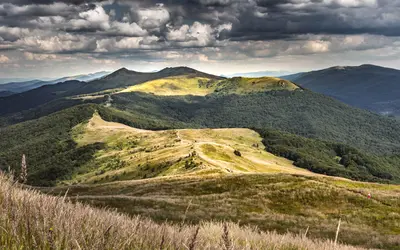
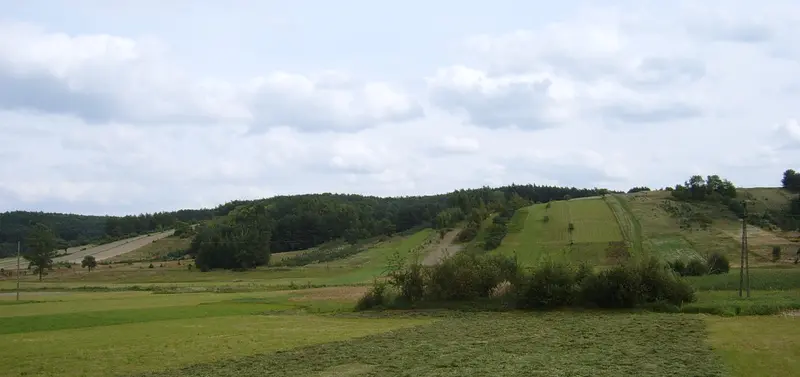
The Lublin Voivodeship is in far eastern Poland, bordering Belarus and Ukraine. To the west, the Vistula, to the east, the Bug, form much of its border. Around two million people live here; Lublin is its only major city. The landscape ranges from the Lublin Upland, across the Roztocze hills, to Polesie in the northeast.In 1569, the Lublin Union was concluded here, uniting Poland and Lithuania. During WWII, German occupiers established extermination camps Majdanek, Belzec, and Sobibor in the region. Today, the Renaissance city Zamość, the Vistula town Kazimierz Dolny, and Roztocze and Polesie National Parks draw visitors.
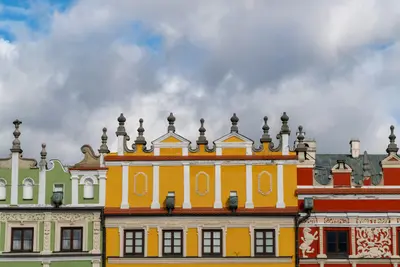
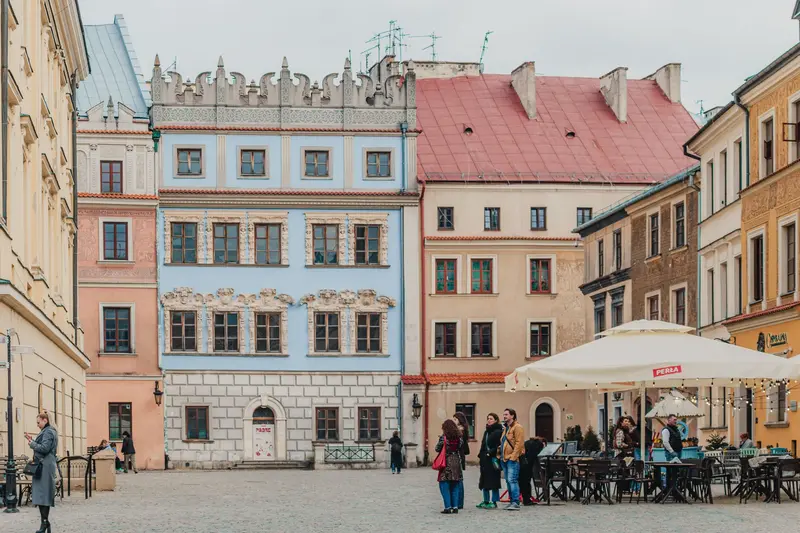
Lublin, with its Old Town, castle, and the legacy of its once large Jewish community, is the region's starting point. Lublin Airport in Świdnik and the railway line to Warsaw make the city easily accessible.West of Lublin, on the Vistula, is Kazimierz Dolny with its market square, castle ruins, and loess ravines; the spa town of Nałęczów is en route. To the southeast, Zamość, the ideal Renaissance city and a UNESCO World Heritage site, is worth visiting; from there, it's not far to the Roztocze National Park near Zwierzyniec.You should allow ample time for the Majdanek memorial on the outskirts of Lublin.
Place 1 of 3
Kazimierz Dolny
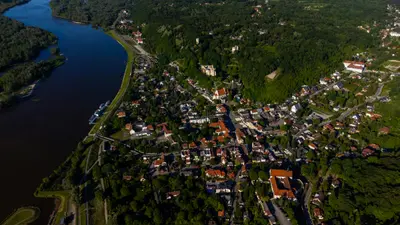
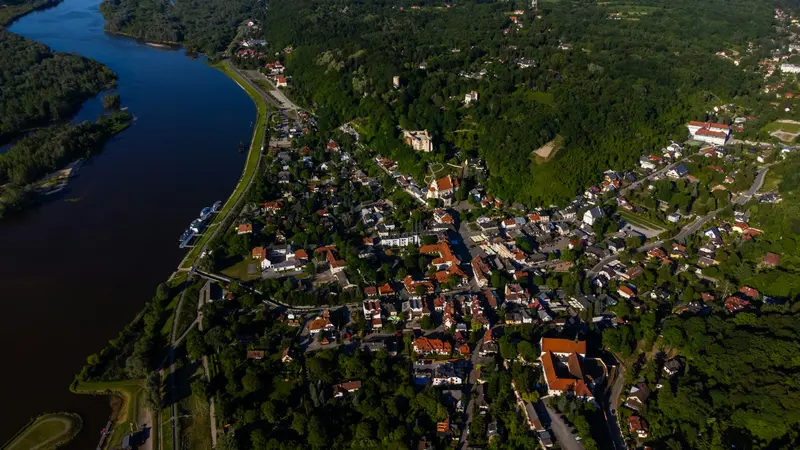
Kazimierz Dolny is located on the east bank of the Vistula River, approximately 50 km west of Lublin, and has around 2,500 inhabitants. First mentioned in 1249, the town was a port for grain trade on the Vistula.
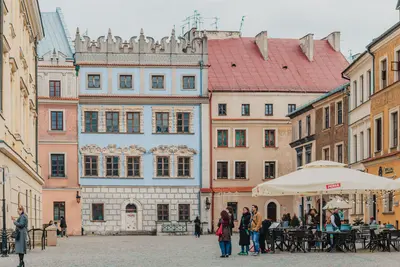
Lublin is located approximately 170 km southeast of Warsaw and, with around 327,000 inhabitants, is Poland's eighth-largest city. Five universities make it a young student city.
Discover the most important sights and attractions
Museum
Majdanek Memorial Site
From Oct 1941 to Jul 1944, the SS ran Majdanek concentration and extermination camp near Lublin. Victim count is estimated at approx. 80,000; a confirmed minimum is 78,000 deaths. The Red Army reached the camp on July 24, 1944; the State Museum Majdanek opened here in November 1944. Wiktor Tołkin's monument stands at the former entrance; at the memorial road's end is the mausoleum holding victims' ashes. Polish-language guided tours for individual visitors are offered weekends at 11 AM, more often in summer. The museum advises against visits with children under 14; they are not admitted to tours. Address: Droga Męczenników Majdanka 67.
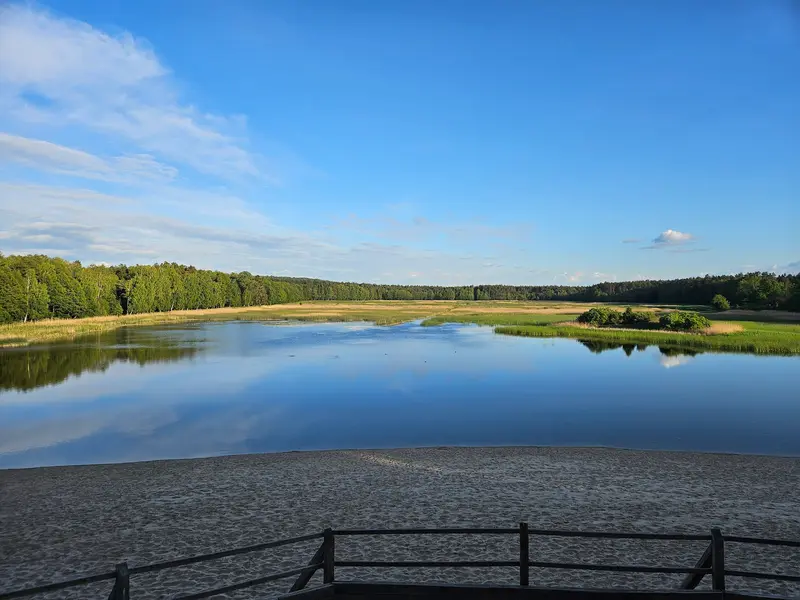
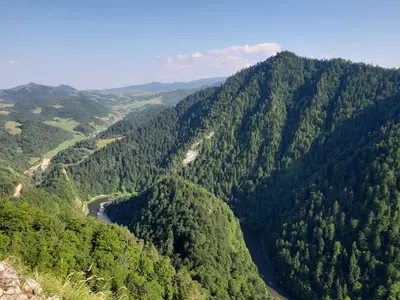
Founded in 1974, the National Park covers approximately 85 km², about 95 percent of which is forest. The park's administration is based in Zwierzyniec, near which lies the Echo Pond. Since 1982, Konik horses, a Polish breed and symbol of the park, have been kept at the Echo Ponds. Fir-mixed forest accounts for nearly a third of the area, complemented by beech forests.
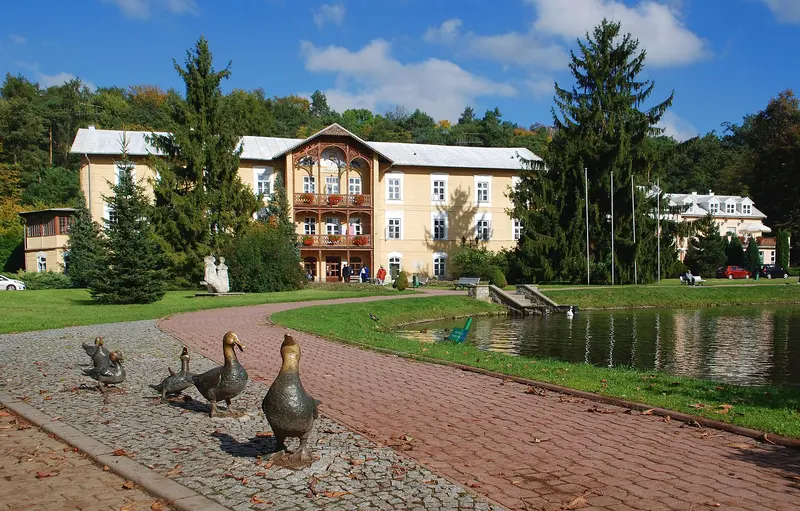
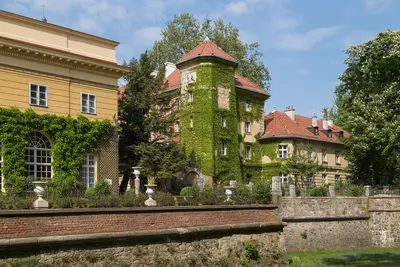
The spa town of Nałęczów is located between Lublin and Kazimierz Dolny. The palace of the Małachowski family stands in the approximately 25-hectare spa park. Stanisław Małachowski bought the estate in 1751 and named it Nałęcz in 1772 after the family coat of arms. The healing properties of the springs were recognized around 1800 and scientifically confirmed in 1817; doctors expanded spa operations by the end of the 19th century. Spa guests included Stefan Żeromski, Bolesław Prus, and Henryk Sienkiewicz.