Fernweh: Home
    ExploreTravel GuidesPlan a tripMy tripLast visited
    de|en
    All Places & RegionsAll highlightsAbout FernwehFAQPrivacy PolicyImprint
    ExploreTravel GuidesPlan a tripMy tripLast visited
    Alice Springs

    Australia

    Alice Springs

    TownCulture

    Alice Springs, Arrernte Mparntwe, is located almost exactly in the center of Australia, nestled between the MacDonnell Ranges.

    by Felix Gillen

    1. Home
    2. Destinations
    3. Australia
    4. Red Centre
    5. Alice Springs
    Alice Springs, Arrernte Mparntwe, is located almost exactly in the center of Australia, nestled between the MacDonnell Ranges. With around 25,000 residents, it is the largest town in the Outback and the starting point for tours to Uluru, Kings Canyon, and the West MacDonnell Ranges.The town itself is compact. Aboriginal art galleries, 1920s pioneer buildings, and the mostly dry riverbed of the Todd River define its center.

    Sehenswürdigkeiten

    Discover the most important sights and attractions

    1Tjanpi Desert Weavers

    Tjanpi Desert Weavers is a significant Indigenous art centre in Alice Springs, showcasing the creative work of over 400 Aboriginal women from Australia's central and western deserts. Here you'll find an impressive collection of sculptures and baskets, crafted from Tjanpi (Spinifex grass) and other natural fibres. These artworks often tell stories of the land, wildlife, and culture of the Anangu, Ngaanyatjarra, and Pitjantjatjara peoples. The organisation not only promotes the preservation of traditional weaving techniques but also supports the economic independence of the artists in remote communities. During your visit, you'll gain insight into the vibrant culture and artisanal mastery. Our tip: Take your time to read the descriptions of the individual artworks to understand the deeper meaning and the stories behind the creations. This will significantly enrich your experience. A morning visit allows you to view the exhibits at your leisure and perhaps even see an artist at work, should a workshop be taking place.
    Open in Google Maps
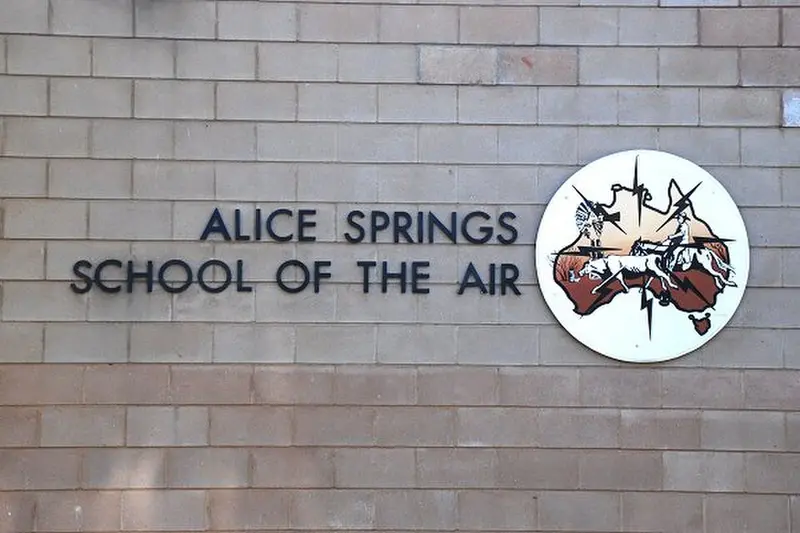
    Alice Springs School of the Air Visitor Centre

    2Alice Springs School of the Air Visitor Centre

    The Alice Springs School of the Air Visitor Centre offers you a deep insight into the pioneering work of distance education in the Australian Outback. Founded in 1951, this institution was the world's first to teach children on remote farms and cattle stations by radio. You'll learn how technology evolved from shortwave radio to modern satellite and internet connections to bridge the vast distances. The Visitor Centre highlights the challenges and innovations of this unique form of education. Often, you can attend a live lesson and experience the interaction between teachers and students. Practical Tip: Check lesson times in advance to experience a live broadcast. Please remain quiet during the lesson so as not to disturb the class.
    Open in Google Maps
    Adelaide House Museum

    3Adelaide House Museum

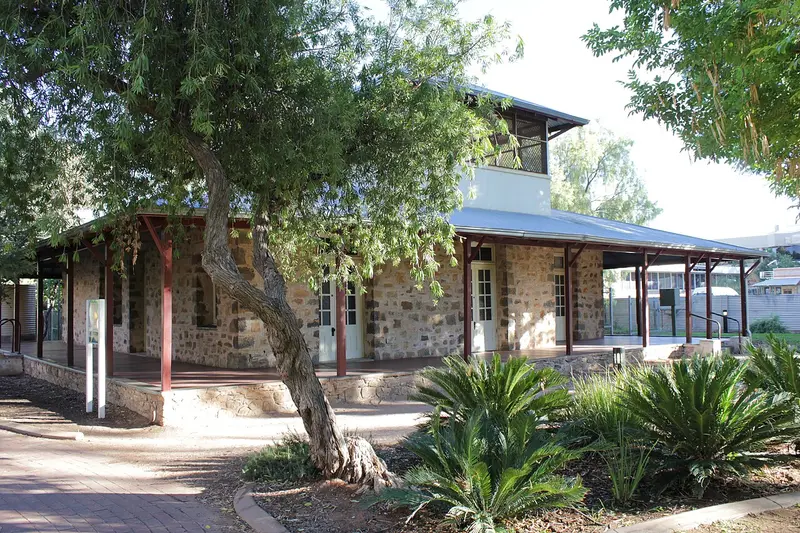
    Adelaide House in Todd Mall was built in the 1920s to designs by Reverend John Flynn, founder of the Australian Inland Mission and later initiator of the Royal Flying Doctor Service. Until 1939, the building was the region's only hospital. Its construction is remarkable: a system of air shafts and verandas cooled the rooms without electricity.The small museum displays furniture, medical equipment, and photographs from the period, as well as Flynn's work in the Outback. A visit takes about half an hour.
    Open in Google Maps
    Araluen Arts Centre

    4Araluen Arts Centre

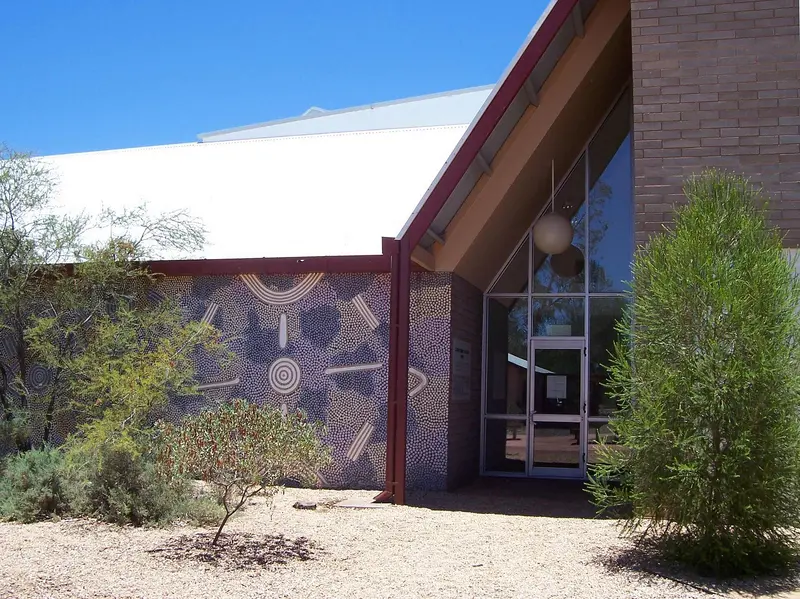
    The Araluen Arts Centre in Alice Springs is the cultural heart of Central Australia and an essential stop for anyone interested in Aboriginal art and culture. It houses one of the most significant collections of Indigenous artworks, particularly from the Western Desert Region, and plays a central role in preserving and presenting these rich artistic traditions. Here you'll find several galleries with rotating exhibitions showcasing both traditional and contemporary art, often with a strong focus on local Arrernte artists. In addition to visual arts, a modern theatre regularly hosts performances, concerts, and film screenings. The centre is also set within a natural environment that includes a sacred Corkwood tree, lending the site an additional spiritual dimension. Our Tip: Visit the Araluen Arts Centre in the morning to enjoy the tranquility and view the artworks in detail before larger groups arrive. It's also worth checking the online events calendar, as free guided tours or artist talks are often offered, providing deeper insights.
    Open in Google Maps

    5Kangaroo Sanctuary and Rescue Centre

    The Kangaroo Sanctuary and Rescue Centre in Alice Springs is an indispensable facility dedicated to the rescue and rehabilitation of orphaned or injured kangaroos. Founded by Chris Barnes, better known as "Kangaroo Dundee", it plays a central role in animal welfare in the Australian Outback. During a visit, you'll gain an authentic insight into the devoted care of these iconic marsupials. You'll encounter kangaroos of all ages, from small Joeys still cared for in special pouches, to adult animals being prepared for their return to the wild. The informative tours highlight the biology and behavior of kangaroos, as well as the challenges of their protection. The centre provides important educational work on the threats kangaroos face and fosters a deeper understanding of these unique animals. Our Tip: Make sure to book your tour in advance, as places are limited. The evening tours offer the best opportunity to observe the kangaroos waking from their daytime rest and to take atmospheric photos in the soft light of the setting sun.
    Open in Google Maps
    Historisches Reservat der Alice Springs Telegrafenstation

    6Historisches Reservat der Alice Springs Telegrafenstation

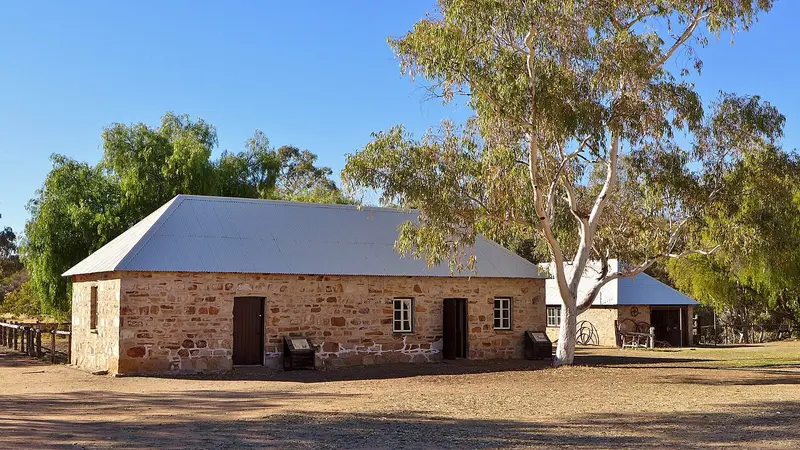
    The Alice Springs Telegraph Station Historical Reserve, established in 1872, marks the original site of the first European settlement in Central Australia. It was a crucial hub of the Overland Telegraph Line, which connected Adelaide with Darwin and linked Australia to the global communication network. This station played a fundamental role in opening up the Outback and the development of Alice Springs, which was originally called Stuart. Today, you can explore the well-preserved stone buildings here, offering an authentic insight into the life and work of telegraph operators in the 19th century. The exhibitions highlight the technical challenges of telegraph operation, the pioneering history of the region, and its later use as a school and reserve for Aboriginal children. The site is idyllically situated by the Todd River, conveying a strong sense of the isolation and significance of this early communication hub. Our Tip: It's best to visit the station in the morning to enjoy the most pleasant temperatures and soak in the tranquility of the surroundings. For impressive photos of the historic buildings against the backdrop of the Red Centre, late afternoon is recommended when the light softens. Plan at least two hours for a comprehensive visit to take in all the details and fully appreciate the significance of the place.
    Open in Google Maps

    Essen & Trinken

    1

    Hanuman

    Restaurant in 82 Barrett Dr.
    Show on Google Maps

    The Locals Alice Springs

    Café in 11 Todd St.
    Show on Google Maps

    Bojangles Saloon & Dining Room

    Bar in 80 Todd St.
    Show on Google Maps
    2

    Tanaka's Sushi

    Restaurant in Yepernye shopping centre ( food court).
    Show on Google Maps

    Tasty Treats

    Restaurant in 23 Alice Springs.
    Show on Google Maps
    3

    Todd Tavern

    Traditional pub-hotel at the north end of Todd Mall, with a bistro serving classic Australian pub dishes.
    Show on Google Maps
    4

    Flavours of India

    Simple Indian restaurant with curries and homemade naan.
    Show on Google Maps

    Dining & Drinks

    For an Outback town, the selection is great: cafés in Todd Mall, pubs with beer gardens, and some restaurants offering Asian or modern Australian cuisine.

    Café Breakfast

    Due to the heat, the day starts early here. Many cafés open from 7 AM and close in the early afternoon.

    Pub Kitchen

    Steaks, Barramundi and Kangaroo are on the menu in the downtown pubs, usually in large portions.

    Bush Foods

    Native ingredients like Wattleseed, Quandong, or Bush Tomato are in some restaurants and as products in galleries and markets.

    Culture and Heritage

    Centre of Desert ArtThe Arrernte have lived in this place for tens of thousands of years, where several Dreaming tracks intersect. Today, Alice Springs is an important market for Aboriginal art from Central Australia. The Araluen Arts Centre exhibits works by Albert Namatjira and contemporary artists; community-run galleries in Todd Mall and the side streets sell directly. When buying, look for proof of provenance from the artists.European history begins in 1872 with the telegraph station on the Todd River. Institutions like the Royal Flying Doctor Service and the School of the Air demonstrate how life is organised in such isolation, and can be visited.

    Exploring locally

    The Todd Mall centre is easily explored on foot. For the Telegraph Station, School of the Air, and Larapinta Drive galleries, you'll need a car, bike, or taxi. A cycle path leads along the Todd River to the Telegraph Station.Airport: approx. 15 km south of town, transfer by shuttle or taxi.Train: The Ghan stops at Alice Springs between Adelaide and Darwin.Rental Car: Almost essential for excursions into the surroundings; 4WD for unsealed roads.Safety: After dark, longer distances in the town centre are best covered by taxi.

    Accommodations in Alice Springs

    Find perfect stay in Alice Springs

    Booking.com* (Affiliate link)
    Search Hotels
    Agoda* (Affiliate link)
    Search Hotels
    Airbnb
    Vacation Rentals

    * Affiliate link: if you book through it, we earn a small commission. The price stays the same for you.

    Nearby

    Red Centre

    Red Centre

    The Red Centre, a desert region in the south of the Northern Territory, encompasses Alice Springs, Uluru, Kata Tjuta, and Kings Canyon. Red sand plains, rocky gorges, and waterholes in the MacDonnell Ranges define its landscape.For tens of thousands of years, the region has been home to the Arrernte, Anangu, and Luritja. Their culture is evident daily, in art centres, guided walks, and the rules at sacred sites.
    West MacDonnell Ranges

    West MacDonnell Ranges

    The West MacDonnell Ranges, known as Tjoritja in Arrernte, stretch approximately 160 km west of Alice Springs. Between the parallel mountain ranges are gorges with permanent waterholes, including Simpsons Gap, Standley Chasm, Ellery Creek Big Hole, and Ormiston Gorge.The Namatjira Drive provides access to most destinations via a sealed road, while the Larapinta Trail leads on foot over the ridgeline.
    Watarrka National Park (Kings Canyon)

    Watarrka National Park (Kings Canyon)

    Watarrka National Park is located at the western end of the George Gill Range, approximately 300 km northeast of Uluru. Its most famous destination is Kings Canyon, a sandstone gorge with walls up to 100 m high and a spring-fed waterhole inside.The land is home to the Luritja people. Nearby are the Kings Canyon Resort and several farm-stay accommodations.
    Uluru-Kata Tjuta National Park

    Uluru-Kata Tjuta National Park

    The Uluru-Kata Tjuta National Park in the southwest of the Northern Territory protects Australia's two most famous rock formations: the monolith Uluru and the 36 domes of Kata Tjuta. The park is a UNESCO World Heritage site for both its natural and cultural heritage and is managed by the Anangu together with Parks Australia.The only accommodation nearby is the Ayers Rock Resort in the town of Yulara, about 20 km from Uluru.
    Purnululu National Park

    Purnululu National Park

    Purnululu National Park, located in the east of the Kimberley, protects the Bungle Bungle Range, a field of striped sandstone domes that only became known outside the region in 1983. Since 2003, the park has been a UNESCO World Heritage site.Access is via a 53 km long 4WD track; the park is only open during the dry season. Many visitors therefore arrive by scenic flight from Kununurra.

    Sources & method

    • Photos: Wikimedia Commons, Unsplash, Pexels. Each photo carries its credit.
    • Place data such as addresses and ratings comes from Google Maps.
    • The content is based on web research from public, traceable sources. How the content is made · The role of AI