Fernweh
    ExploreTravel GuidesMy Trips
    de|en
    About FernwehImprintFAQPrivacy Policy
    ExploreTravel GuidesMy Trips
    Arica

    Arica

    CityCulture
    1. Home
    2. Destinations
    3. Chile
    4. Norte Grande (Altiplano)
    5. Arica
    Arica, bekannt als "Stadt des ewigen Frühlings", ist die nördlichste Großstadt Chiles und dient als wichtiger Ausgangspunkt für Deine Entdeckungsreisen in den Altiplano, während sie selbst ein entspanntes Küstenflair bietet.
    • Neighborhoods & highlights
    • Walking tours
    • Eat & drink
    • Culture
    • Getting around
    • Accommodation
    • Plan trip
    • Nearby
    • Neighborhoods & highlights
    • Walking tours
    • Eat & drink
    • Culture
    • Getting around
    • Accommodation
    • Plan trip
    • Nearby

    Overview

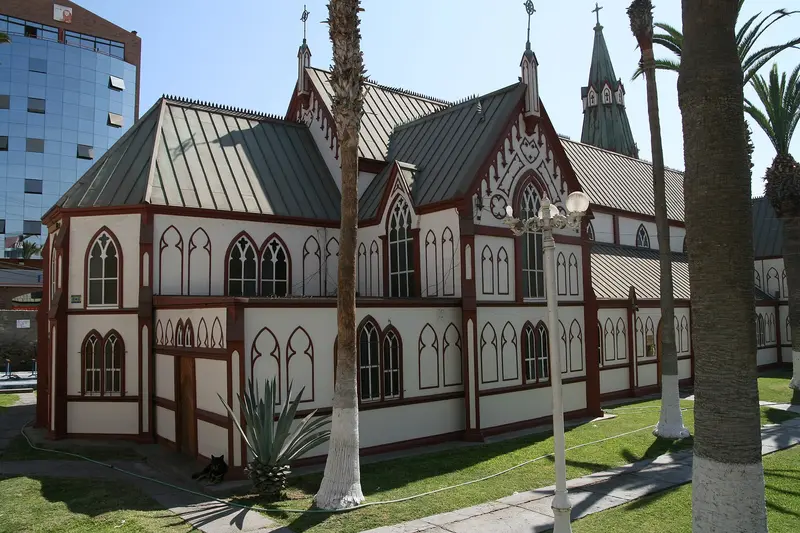
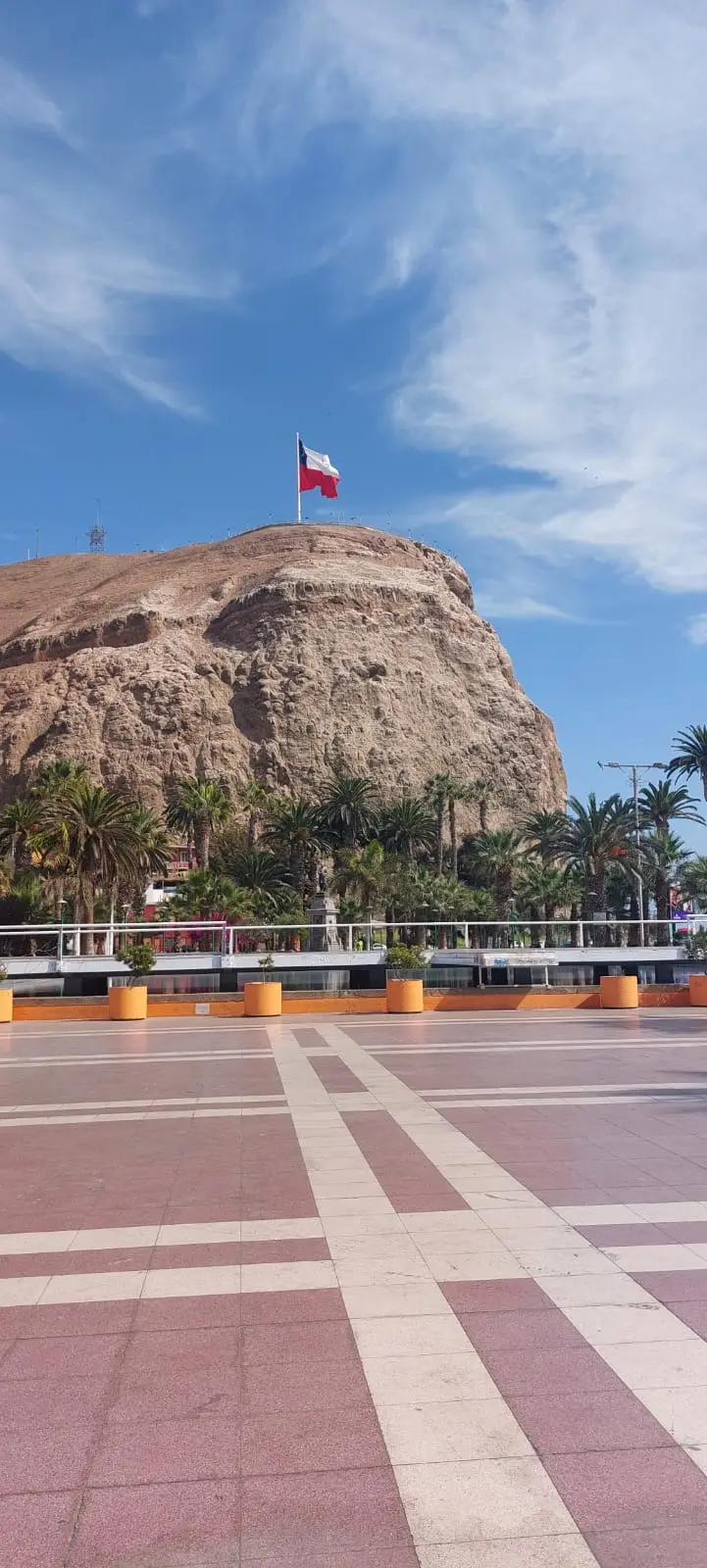
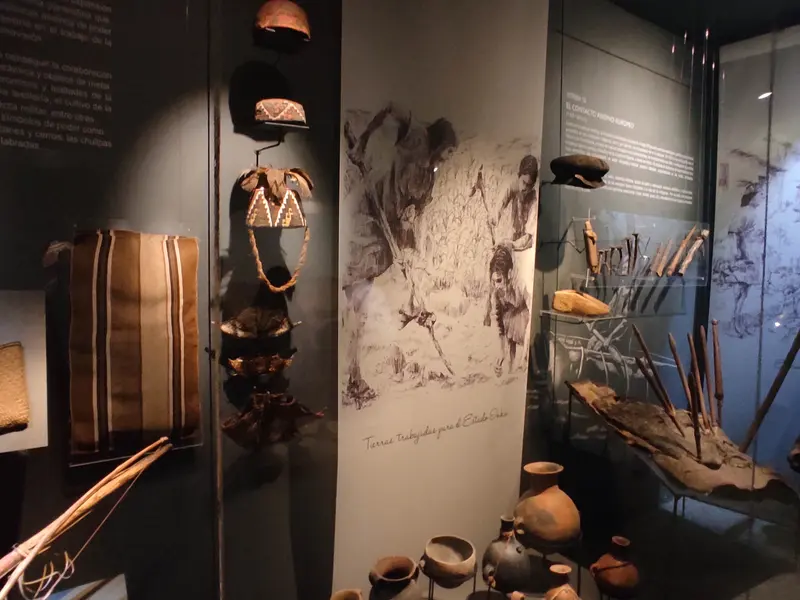
    Arica, known as the "City of Eternal Spring," is Chile's northernmost major city and an ideal starting point for exploring the Altiplano. You should climb the historic Morro de Arica, which offers panoramic city views and commemorates the Battle of the Pacific War. In the city center stands the impressive Catedral de San Marcos, a delicate iron structure designed by Gustave Eiffel. A visit to the Museo Arqueológico San Miguel de Azapa is essential to marvel at the world's oldest Chinchorro mummies. For local flair, stroll along the Paseo 21 de Mayo. The year-round mild temperatures make Arica a pleasant travel destination; mornings are especially relaxed.

    Places in Arica

    Discover the most important sights and attractions
    Sights in Arica

    Letras de Arica

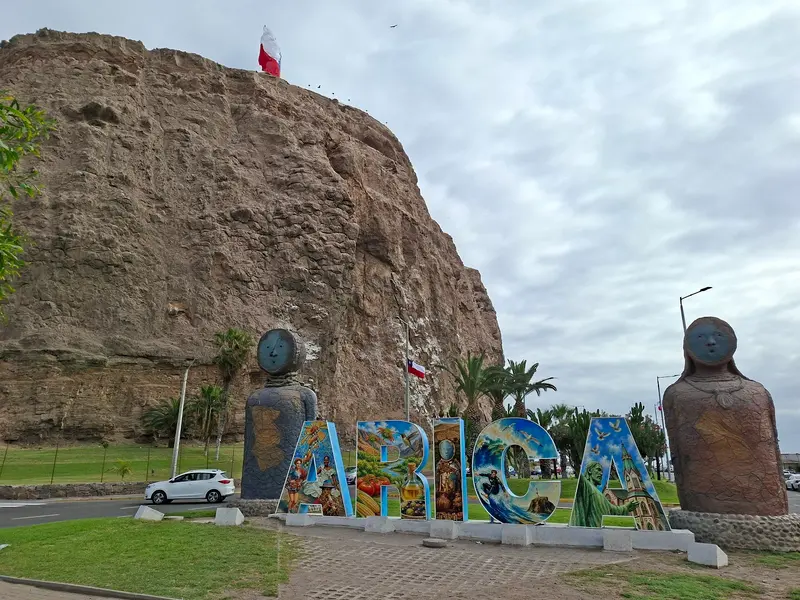
    The Letras de Arica are a modern landmark of the city and a popular photo spot that vibrantly represents Arica's identity. These large, colorful letters, forming the city's name, are often found in prominent locations offering picturesque backdrops. They serve not only as a landmark but also as an expression of local pride and hospitality towards visitors. Their popularity reflects the desire to present the city in a contemporary and accessible way.Visiting the Letras de Arica, you'll find a lively atmosphere, ideal for a souvenir photo. They are often positioned so you can capture the Pacific Ocean or the imposing Morro de Arica in the background, making your shots particularly special. Our tip: To get the best photos without large crowds, visiting early in the morning or late in the afternoon is recommended. The softer light during these times of day also ensures more pleasing illumination. Pay attention to the angle to optimally include the natural beauty of the surroundings.
    Open in Google Maps

    Galandia

    Galandia is a central cultural and interpretation center in Arica, dedicated to the rich history and unique cultures of the region. Here, you'll delve deep into the world of pre-Columbian civilizations, especially the fascinating Chinchorro culture, whose mummies are considered the oldest in the world. The exhibitions feature archaeological finds and interactive displays, offering comprehensive insight into the life and customs of Chile's indigenous peoples. You'll also find sections that illuminate Arica's colonial past and its development as an important port. The building's modern architecture cleverly integrates elements of the local landscape and offers impressive panoramic views of the city and the Pacific from the upper level. Our Tip: Plan your visit for the early afternoon to avoid the midday heat and take advantage of the changing light conditions for photos. For a quieter exploration, we recommend weekdays to avoid the weekend crowds.
    Open in Google Maps

    Isla El Alacran

    The Isla El Alacran, also known as Scorpion Island, is a striking natural landmark off the coast of Arica and an integral part of local history. Originally an isolated rock formation, it was connected to the mainland by a causeway in the 1960s, significantly easing access. This causeway, a remarkable feat of engineering, now allows you to walk across the sea, offering unique perspectives of the city and the Pacific. Historically, the island served as a strategic point for coastal defense, with remnants of Fort San Marcos de Arica still bearing witness to this today. Its true significance, however, lies in its role as a sanctuary for rich marine life. Here you can observe sea lions basking on the rocks, and a variety of seabirds like pelicans and cormorants nesting and hunting in the sheltered waters. For photographers, Isla El Alacran offers excellent subjects, especially in the early morning or late afternoon. Our tip: Bring binoculars to observe the wildlife up close. For a quieter experience, a weekday visit is recommended.
    Open in Google Maps

    Árbol de navidad

    The Árbol de Navidad in Arica is a central attraction during the Christmas season and symbolizes the festive spirit of the city. Each year, this impressive Christmas tree is erected in a prominent location, often near the coast or in one of the main squares, and elaborately lit. It serves as a meeting point for families and locals who come to enjoy the festive atmosphere. The tree's erection marks the beginning of the Christmas celebrations in Arica and attracts visitors from across the entire region. You can take beautiful evening strolls here beneath the sparkling lights. Our tip: It's best to visit the tree in the evening hours to experience the full splendor of its illumination. For an undisturbed photo, it's advisable to come shortly after dusk or later in the evening, when the largest crowds have thinned out a bit.
    Open in Google Maps

    Catedral de San Marcos

    The Catedral de San Marcos in Arica is an architectural gem and a testament to 19th-century engineering. You'll find it directly on Plaza Colón, the heart of the city. This impressive church was designed in Gustave Eiffel's workshop and prefabricated in France, before being shipped to Arica in 1875 and erected in 1876. It replaced the original main church, which had been destroyed by the devastating earthquake and tsunami of 1868.What awaits you here is a unique Neo-Gothic iron structure, which distinctly stands out from the traditional stone and adobe churches of South America. Pay attention to the delicate details of the wrought-iron framework and the colorful stained-glass windows, which lend a special ambiance to the interior. The cathedral is a National Monument and a fascinating example of the export of European industrial architecture.Our Tip: It's best to visit the cathedral in the morning, when the light is ideal for photos and temperatures are still pleasant. For an impressive perspective and to capture the entire facade, position yourself on the opposite side of Plaza Colón.
    Open in Google Maps

    City walks in Arica

    Curated walking tours through the city's highlights — handpicked by experienced travel journalists.

    Arica: Vom Eiffel-Erbe zum Panoramablick auf El Morro

    Entdecken Sie die charmante Küstenstadt Arica auf diesem zweistündigen Spaziergang. Bewundern Sie die einzigartige Architektur von Gustave Eiffel, tauchen Sie in das lokale Treiben ein und genießen Sie atemberaubende Ausblicke vom historischen El Morro.

    ~2 Std. 15 Min.
    In Google Maps öffnen
    Stopps (7)

    Essen & Trinken

    Arica's Historic Legacy and Cultural Diversity

    Arica's history is deeply rooted in pre-Columbian civilizations, especially the Chinchorro culture, which created the world's oldest mummies here over 7,000 years ago. This unique burial practice testifies to a highly developed culture on the Pacific and is today a UNESCO World Heritage site.Later, the region became part of the Inca Empire and, during the colonial period, developed into an important port for the silver trade, making the city a strategic point. A defining chapter was the Salpeter War (War of the Pacific) at the end of the 19th century, in which Arica was the scene of the Battle of Morro de Arica and finally, in 1929, officially ceded from Peru to Chile through the Treaty of Lima.Arica's architecture is a remarkable testament to European influences. The San Marcos Cathedral and the former Customs House, both designed by Gustave Eiffel and prefabricated in Paris, define the cityscape and are outstanding examples of 19th-century prefabricated iron architecture in South America.Culturally, Arica is a vibrant melting pot. Its proximity to Bolivia and Peru has strongly influenced the city, reflected in the strong presence of the Andean Aymara culture, celebrated with colorful festivals like the annual “Carnaval Andino con la Fuerza del Sol.” The Afro-Ariqueñan community also contributes to the local identity with its own traditions, dances, and rhythms, making Arica a center for cultural encounter.

    Exploring the area

    Arica, die Stadt des ewigen Frühlings, lässt sich dank ihrer kompakten Größe und gut ausgebauten Infrastruktur effizient erkunden. Während die Stadt keine Metro oder Tram besitzt, bilden Busse und die praktischen „Colectivos“ das Rückgrat des öffentlichen Nahverkehrs. Colectivos sind Sammeltaxis mit festen Routen und bieten eine schnelle sowie kostengünstige Alternative, die meist bar zu bezahlen ist. Reguläre Taxis und Ride-Sharing-Dienste wie Uber oder Cabify sind ebenfalls weit verbreitet und bequem per App buchbar.Die Innenstadt und die wunderschöne Küstenpromenade sind hervorragend zu Fuß zu erkunden, was Arica zu einer sehr fußgängerfreundlichen Destination macht. Für längere Strecken oder um die zahlreichen Strände zu erreichen, empfiehlt sich ein Fahrrad, das man vielerorts mieten kann, während E-Scooter noch weniger verbreitet sind. Ein nützlicher Tipp: Fragen Sie vor Fahrtantritt den Fahrpreis, besonders bei Taxis, um Missverständnisse zu vermeiden. Arica lädt dazu ein, ihre sonnigen Ecken entspannt zu entdecken.

    Accommodations in Arica

    Accommodations in Arica

    Find perfect stay in Arica

    Booking.com
    Search Hotels
    Agoda
    Search Hotels
    Airbnb
    Vacation Rentals
    Hotels.com
    Hotels Worldwide
    Hostelworld
    Hostels

    Plan your trip to Arica

    Save places, build a route and plan your city trip — all in one place.

    Save places

    Bookmark sights, restaurants and neighborhoods you're interested in.

    Build your route

    Turn your bookmarks into a route — define order, days and budget.

    Refine with AI

    Let Mein Fernweh suggest experiences and put together a tailored daily plan.

    Start trip planningOpen bookmarks

    Locations nearby

    These places are nearby — perfect for additional days or a day trip.

    Norte Grande (Altiplano)

    Norte Grande (Altiplano)

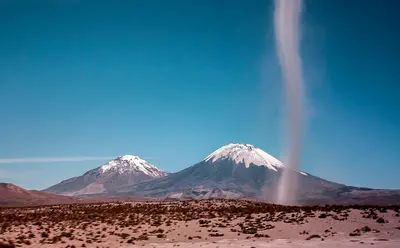
    Tauche ein in die atemberaubende Hochgebirgswelt des chilenischen Altiplano, einem Landstrich, wo sich der Himmel unendlich weit anfühlt und die Luft klar und rein ist. Entdecke eine einzigartige Landschaft aus majestätischen Vulkanen, schillernden Salzseen und einer faszinierenden Tierwelt, die Dich mit ihrer Ursprünglichkeit verzaubern wird. Diese abgelegene Region im Norden Chiles verspricht Dir ein unvergessliches Abenteuer fernab der Zivilisation.
    Putre

    Putre

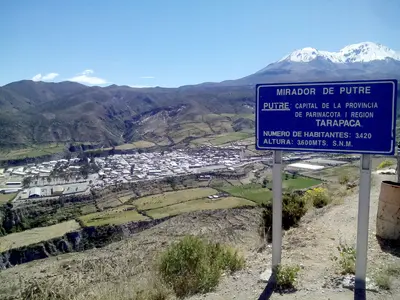
    Putre ist das wichtigste Tor zum Lauca-Nationalpark und ein charmantes Dorf, das auf 3.500 Metern Höhe thront und Dich mit seiner authentischen Anden-Atmosphäre empfängt.
    Parque Nacional Lauca

    Parque Nacional Lauca

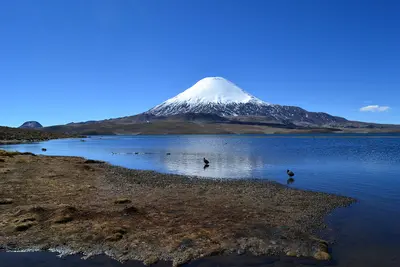
    Dieser Nationalpark ist ein UNESCO-Biosphärenreservat und schützt eine spektakuläre Hochgebirgslandschaft mit Vulkanen, Seen und einer reichen Tierwelt, die Du unbedingt erkunden solltest.
    Salar de Surire

    Salar de Surire

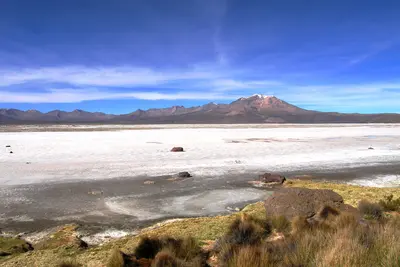
    Erlebe die surreale Schönheit dieser abgelegenen Salzpfanne, wo Flamingos in den türkisfarbenen Lagunen leben und die Ruhe der Anden Dich gefangen nehmen wird.
    Iquique

    Iquique

    Iquique ist eine lebhafte Hafenstadt mit einer reichen Geschichte und einer beeindruckenden Mischung aus Kolonialarchitektur und modernen Annehmlichkeiten, perfekt zum Entspannen am Strand oder für Duty-Free-Shopping.