Fernweh
    ExploreTravel GuidesMy Trips
    de|en
    About FernwehImprintFAQPrivacy Policy
    ExploreTravel GuidesMy Trips
    Iquique

    Iquique

    CityCulture
    1. Home
    2. Destinations
    3. Chile
    4. Norte Grande (Altiplano)
    5. Iquique
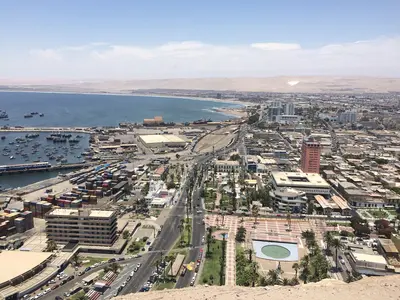
    Iquique ist eine lebhafte Hafenstadt mit einer reichen Geschichte und einer beeindruckenden Mischung aus Kolonialarchitektur und modernen Annehmlichkeiten, perfekt zum Entspannen am Strand oder für Duty-Free-Shopping.
    • Neighborhoods & highlights
    • Walking tours
    • Eat & drink
    • Culture
    • Nightlife
    • Getting around
    • Accommodation
    • Plan trip
    • Nearby
    • Neighborhoods & highlights
    • Walking tours
    • Eat & drink
    • Culture
    • Nightlife
    • Getting around
    • Accommodation
    • Plan trip
    • Nearby

    Overview

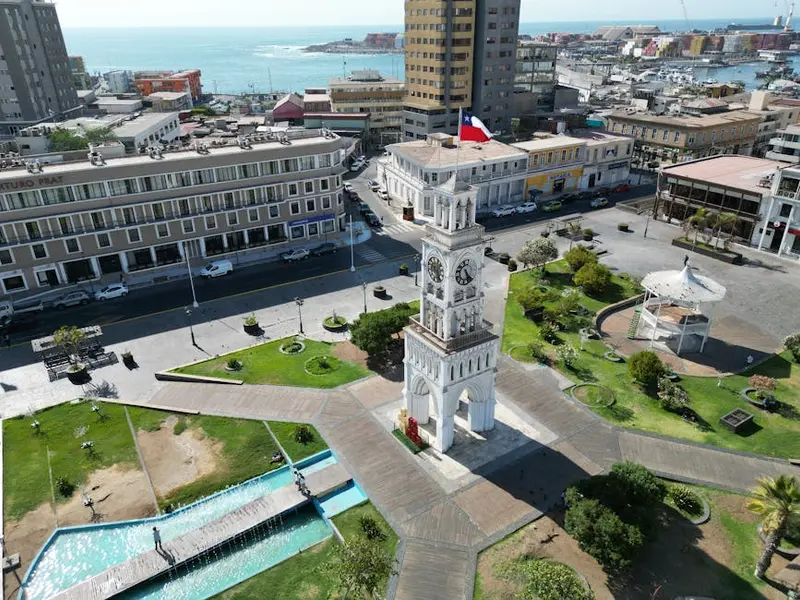
    Iquique, eine bedeutende Hafenstadt im Norden Chiles, vereint eine reiche Geschichte mit modernem Küstenflair. Du entdeckst im Barrio Histórico entlang des Paseo Baquedano prächtige Holzhäuser im georgianischen Stil, die vom Wohlstand der Salpeter-Ära zeugen. Der Palacio Astoreca bietet hierbei einen authentischen Einblick in diese Epoche. Entspannung findest du an der beliebten Playa Cavancha, während die zollfreie Zone Zofri zum ausgiebigen Shopping einlädt. Für ein tieferes Verständnis der regionalen Vergangenheit lohnt sich ein Ausflug zu den UNESCO-Weltkulturerbestätten Humberstone und Santa Laura, ehemaligen Salpeterwerken. Besuche Iquique am besten zwischen September und Mai, um das angenehme Klima und die vielfältigen Angebote optimal zu erleben.

    Places in Iquique

    Discover the most important sights and attractions

    Sights in Iquique

    Corbeta Esmeralda Museum

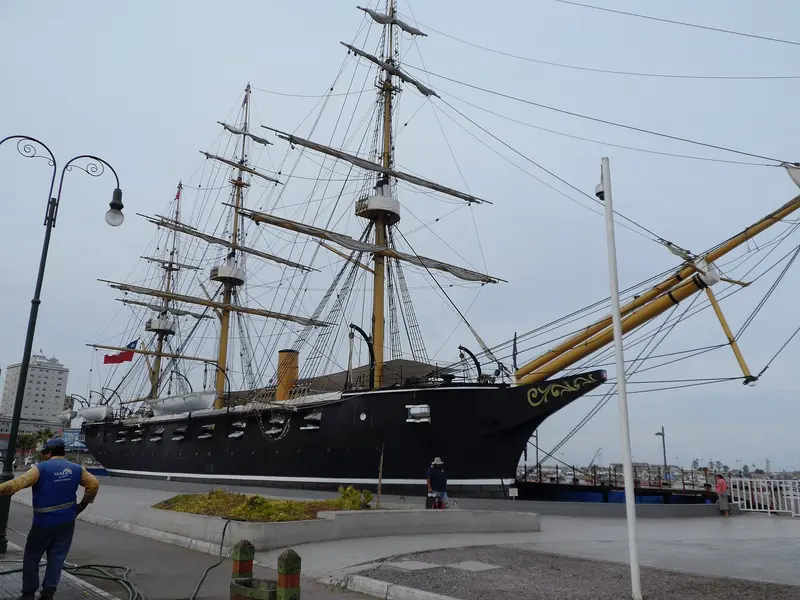
    The **Corbeta Esmeralda Museum** in Iquique is a meticulously detailed replica of the Chilean corvette that sank during the Saltpeter War (Guerra del Pacífico) in the Battle of Iquique in 1879. Here, you step aboard a floating museum that brings to life the history and heroism of the Chilean Navy. The Esmeralda, under the command of Captain Arturo Prat, became a national symbol of courage and sacrifice.Inside the museum, you'll experience an impressive reconstruction of the ship, from the crew's quarters to the bridge. Authentic furnishings, uniforms, and weapons convey a genuine impression of life on board and the dramatic events of the naval battle. You gain deep insights into Chile's maritime history and the significance of this conflict for the national identity. The guided tour is highly informative, highlighting strategic aspects as well as the personal stories of the crew.Our Tip: Make sure to book your tickets online in advance, as tours are often fully booked and visitor numbers are limited. Plan at least 90 minutes for your visit to absorb all the details at your leisure. For the best photos of the corvette with the harbor in the background, a stroll along Muelle Prat is recommended.
    Open in Google Maps

    Santuario Sagrado Corazón De Jesús

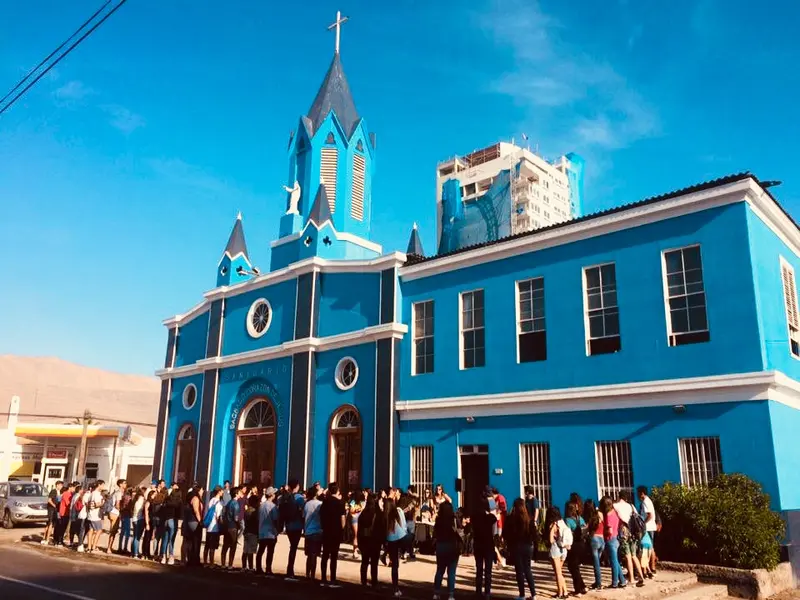
    The Santuario Sagrado Corazón de Jesús in Iquique is a significant center of Catholic devotion and a place of contemplation for the local community. Here, you'll find a tranquil and dignified atmosphere that invites quiet reflection. The sanctuary's architecture is simple yet expressive, reflecting the region's religious architectural style. Inside, you'll find carefully designed altars and religious artworks dedicated to the veneration of the Sacred Heart of Jesus. It is an authentic place to experience the deep spirituality and faith of Iquique's residents.Our Tip: To fully absorb the sanctuary's tranquility and admire the details of its interior, it's best to visit in the morning, outside of regular service hours. For an impressive photo of the facade, late afternoon is recommended, when the warm sunlight highlights its details. Pay attention to the local opening hours, which are often linked to the service schedule, to plan your visit optimally.
    Open in Google Maps

    Paseo Peatonal baquedano. Iquique

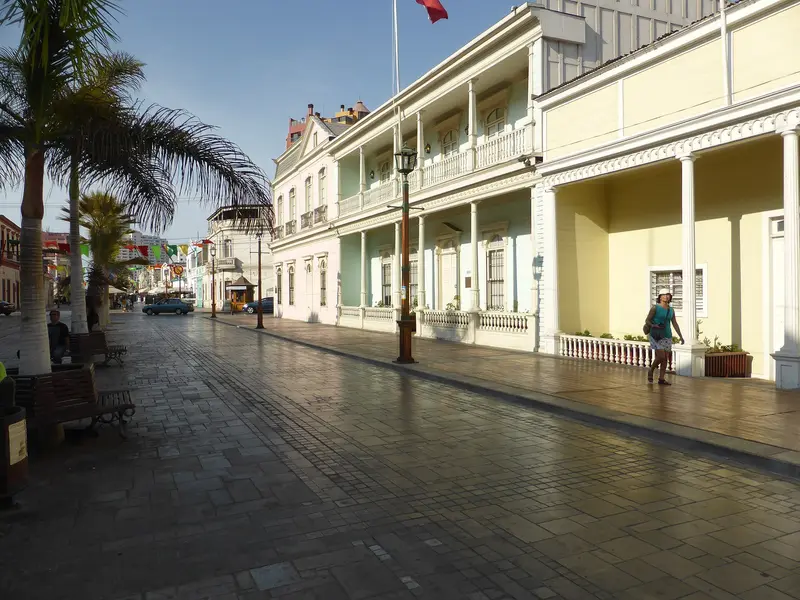
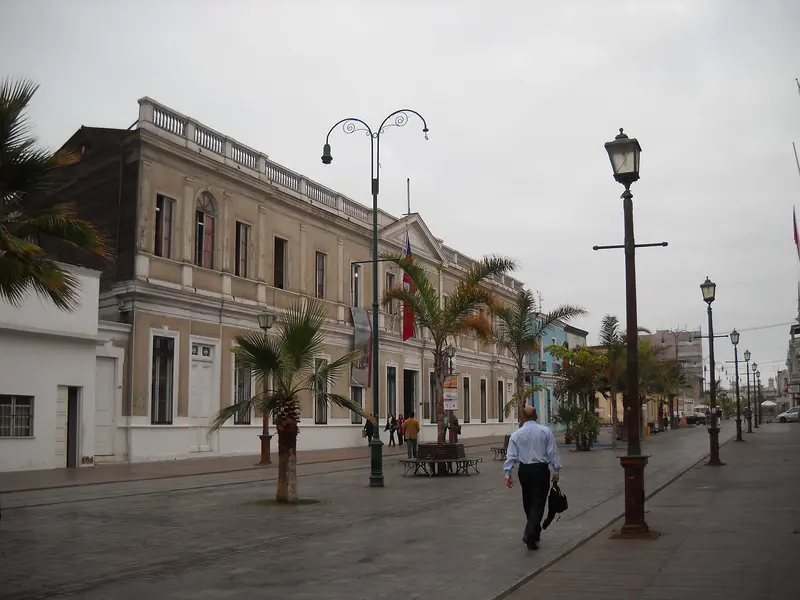
    The Paseo Peatonal Baquedano in Iquique is the city's historic heart and a vivid testament to Chile's glorious saltpeter era in the late 19th and early 20th centuries. Along this charming pedestrian street, you'll discover a unique collection of Georgian and American-style buildings, mostly constructed from Oregon pine wood. This architecture, often featuring elaborate verandas and balconies, lends the street a distinctive character, reminiscent of Iquique's prosperous past.Strolling along the wooden sidewalks today, you'll find numerous cafés, restaurants, and small shops inviting you to linger. Cultural institutions like the Palacio Astoreca, an impressive mansion from the saltpeter era, also line the path, offering insights into life at that time. The Paseo Baquedano is not only an architectural highlight but also a central meeting point for locals and visitors.Our tip: Visit the Paseo in the late afternoon or early evening when temperatures are more pleasant and the buildings appear especially picturesque in the warm light. For undisturbed photos of the facades, a morning visit is recommended, before most shops open and the street becomes livelier. Pay attention to the fine details of the woodwork and the historical lanterns, which contribute to its authenticity.
    Open in Google Maps

    Museo Regional

    The Museo Regional in Iquique is a central institution for understanding the rich history and culture of the Tarapacá region. Here you'll find a comprehensive collection of artifacts, ranging from pre-Columbian cultures to the heyday of saltpeter mining. A special highlight are the Chinchorro mummies, which are among the oldest in the world and offer deep insights into the burial rituals of the early inhabitants of the Atacama Desert. Further exhibitions are dedicated to the era of the saltpeter boom, which shaped Iquique in the late 19th and early 20th centuries. You'll see tools, documents, and everyday objects illustrating life in the saltpeter *oficinas*. The city's maritime history, including its role as an important port, is also highlighted.Our Tip: Plan your visit in the morning to enjoy the tranquility and examine the exhibits in detail. Pay special attention to the detailed descriptions of the Chinchorro mummies; they offer a unique insight into the region's human history.
    Open in Google Maps

    Immaculate Conception Cathedral

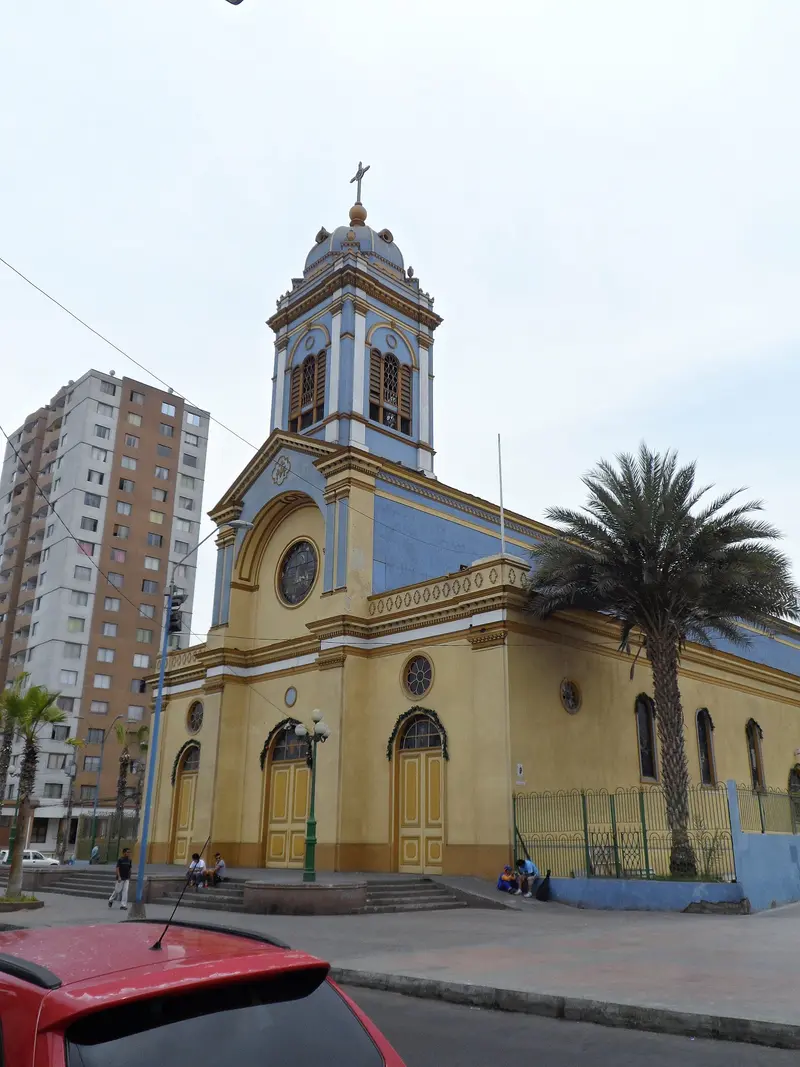
    The Cathedral of the Immaculate Conception in Iquique is a central religious and architectural landmark of the city. After its destruction by an earthquake in 1868, the current cathedral was rebuilt starting in 1885 in the Neoclassical style. Particularly noteworthy is its construction from Oregon pine wood, which lends it a unique aesthetic and distinguishes it from many other stone churches in Chile.Upon entering, you will notice the serene atmosphere and the intricate details of the interior. Pay attention to the impressive wooden ceilings and the carefully designed altars, which reflect the history and faith of the region. The bell tower, which majestically rises above Plaza Arturo Prat, is a prominent landmark and shapes the cityscape.The cathedral serves not only as the Bishop's seat but also as an important gathering place for the local community and a testament to Iquique's resilience. Our tip: Visit the cathedral in the morning to capture the best lighting for photos and enjoy the tranquility before the afternoon rush. For a comprehensive perspective on the facade and bell tower, the opposite Plaza Arturo Prat offers an ideal photo spot.
    Open in Google Maps

    City walks in Iquique

    Curated walking tours through the city's highlights — handpicked by experienced travel journalists.

    Iquique: Strände, Panoramen und modernes Leben

    Dieser Spaziergang führt Sie entlang der berühmten Strände von Iquique, von der lebhaften Playa Cavancha bis zur weitläufigen Playa Brava. Entdecken Sie moderne Küstenarchitektur, genießen Sie atemberaubende Ausblicke auf den Pazifik und erleben Sie das entspannte Strandleben der Stadt.

    ~2 Std.
    In Google Maps öffnen
    Stopps (6)

    Essen & Trinken

    Culture, Art & History of Iquique

    Iquique, a city rich in history and culture, was significantly shaped by the saltpeter boom of the late 19th and early 20th centuries. This era of economic prosperity attracted people from all over the world and created a unique architectural and cultural heritage.Iquique's architecture is particularly remarkable, as many downtown buildings, especially along the Paseo Baquedano, were constructed from American pine wood. With their verandas and Victorian-inspired facades, they bear witness to the wealth of the saltpeter era. Pre-Columbian cultures like the Chinchorro also left their mark on the region, whose artifacts can be found in local museums today. Local traditions are strongly shaped by this maritime history, the indigenous population, and the influences of various immigrant communities.

    Nightlife

    Iquique's nightlife spans from relaxed beach bars to lively dance clubs, often concentrated along the coast or in the city center. Here, you can sample local beers in a Schoperia like Restaurant & Schoperia 680, or dance the night away at clubs such as SKANDAR ENTERTAINMENT CLUB.

    Getting Around Here

    In Iquique sind Busse (lokal Micros genannt), Colectivos und Taxis die gängigsten Transportmittel, da die Stadt weder über ein U-Bahn- noch ein Straßenbahnsystem verfügt. Das öffentliche Busnetz deckt die Stadtteile ab und ist kostengünstig; Colectivos sind geteilte Taxis mit festen Routen, die flexibel an der Straße angehalten werden können. Für beide benötigt man in der Regel Bargeld in kleinen Scheinen, da Mehrfahrtenkarten oder Apps hierfür selten sind.Taxis sind eine komfortable Option, bei der es ratsam ist, den Fahrpreis vorab zu klären. Moderne Ride-Sharing-Apps wie Uber sind ebenfalls eine bequeme Alternative. Die lange Strandpromenade ist ideal zum Radfahren oder mit E-Scootern, die man oft mieten kann, und bietet eine fantastische Möglichkeit, die Küste zu erkunden. Das historische Zentrum ist zudem sehr fußgängerfreundlich und lädt zum entspannten Schlendern ein.Ein praktischer Tipp: Achten Sie bei Colectivos und Bussen auf die Beschilderung der Routen oder fragen Sie freundliche Einheimische. Planen Sie für Ausflüge zu weiter entfernten Zielen wie den Salpeterwerken Humberstone eine Tour oder ein Taxi ein, um diese bequem zu erreichen.

    Accommodations in Iquique

    Accommodations in Iquique

    Find perfect stay in Iquique

    Booking.com
    Search Hotels
    Agoda
    Search Hotels
    Airbnb
    Vacation Rentals
    Hotels.com
    Hotels Worldwide
    Hostelworld
    Hostels

    Plan your trip to Iquique

    Save places, build a route and plan your city trip — all in one place.

    Save places

    Bookmark sights, restaurants and neighborhoods you're interested in.

    Build your route

    Turn your bookmarks into a route — define order, days and budget.

    Refine with AI

    Let Mein Fernweh suggest experiences and put together a tailored daily plan.

    Start trip planningOpen bookmarks

    Locations nearby

    These places are nearby — perfect for additional days or a day trip.

    Salar de Surire

    Salar de Surire

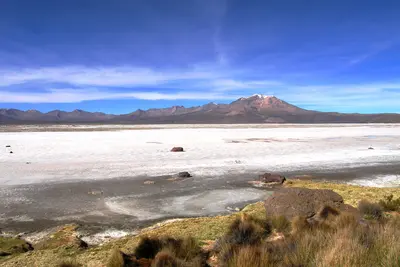
    Erlebe die surreale Schönheit dieser abgelegenen Salzpfanne, wo Flamingos in den türkisfarbenen Lagunen leben und die Ruhe der Anden Dich gefangen nehmen wird.
    Arica

    Arica

    Arica, bekannt als "Stadt des ewigen Frühlings", ist die nördlichste Großstadt Chiles und dient als wichtiger Ausgangspunkt für Deine Entdeckungsreisen in den Altiplano, während sie selbst ein entspanntes Küstenflair bietet.
    Norte Grande (Altiplano)

    Norte Grande (Altiplano)

    Tauche ein in die atemberaubende Hochgebirgswelt des chilenischen Altiplano, einem Landstrich, wo sich der Himmel unendlich weit anfühlt und die Luft klar und rein ist. Entdecke eine einzigartige Landschaft aus majestätischen Vulkanen, schillernden Salzseen und einer faszinierenden Tierwelt, die Dich mit ihrer Ursprünglichkeit verzaubern wird. Diese abgelegene Region im Norden Chiles verspricht Dir ein unvergessliches Abenteuer fernab der Zivilisation.
    Putre

    Putre

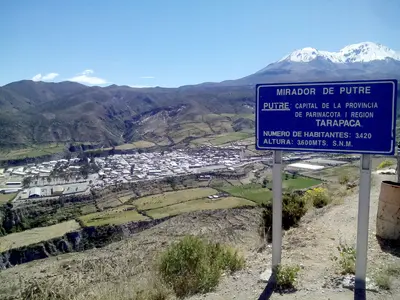
    Putre ist das wichtigste Tor zum Lauca-Nationalpark und ein charmantes Dorf, das auf 3.500 Metern Höhe thront und Dich mit seiner authentischen Anden-Atmosphäre empfängt.
    Parque Nacional Lauca

    Parque Nacional Lauca

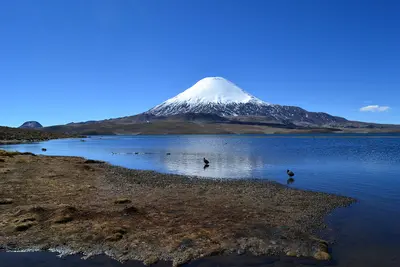
    Dieser Nationalpark ist ein UNESCO-Biosphärenreservat und schützt eine spektakuläre Hochgebirgslandschaft mit Vulkanen, Seen und einer reichen Tierwelt, die Du unbedingt erkunden solltest.