Fernweh
    ExploreTravel GuidesMy Trips
    de|en
    About FernwehImprintFAQPrivacy Policy
    ExploreTravel GuidesMy Trips
    Magellan and Chilean Antarctic (Magellan Region)

    Magellan and Chilean Antarctic (Magellan Region)

    Region
    1. Home
    2. Destinations
    3. Chile
    4. Magellan and Chilean Antarctic (Magellan Region)
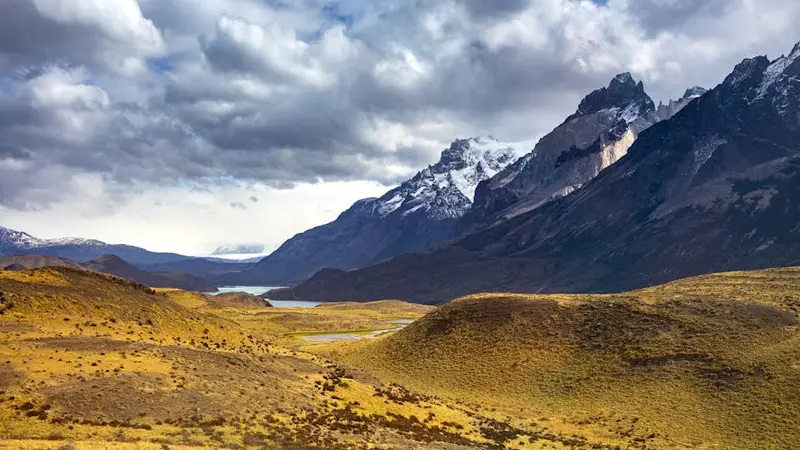
    Welcome to the end of the world! The Región de Magallanes y Antártica Chilena is a region of breathtaking, untouched wilderness, where rugged beauty meets unparalleled adventures. Here you experience Patagonia in its purest form, from majestic glaciers to vibrant animal colonies, and stand at the threshold of the mysterious Antarctic continent.
    • Overview
    • Places in the region
    • Eat & drink
    • Culture
    • Nearby
    • Overview
    • Places in the region
    • Eat & drink
    • Culture
    • Nearby
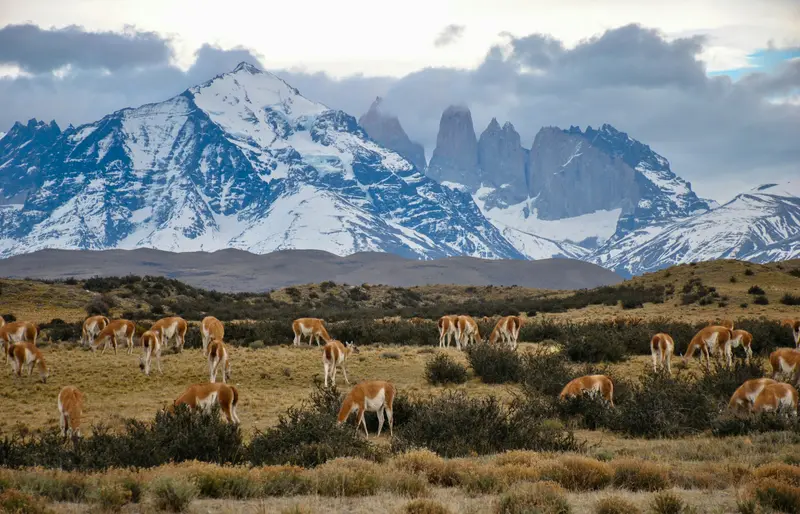
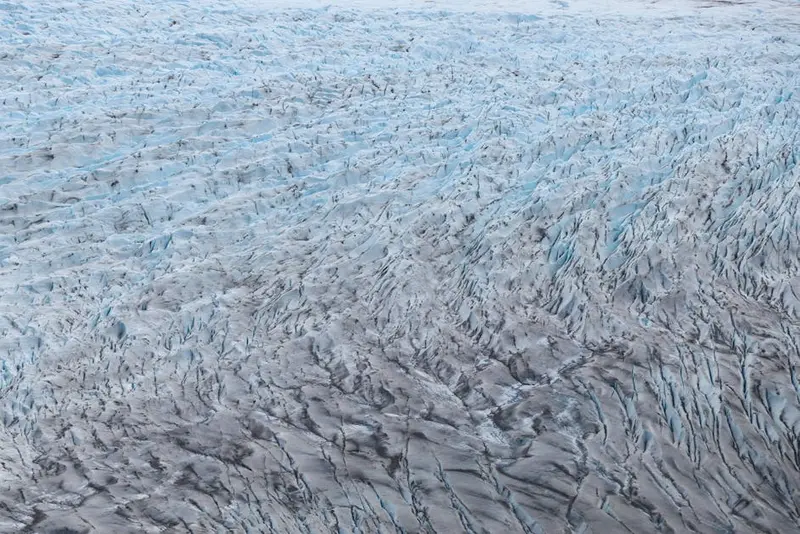
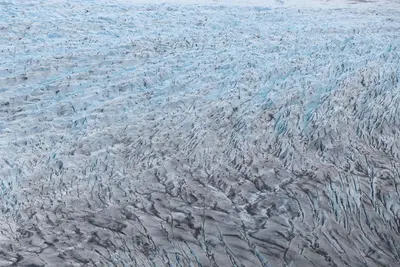
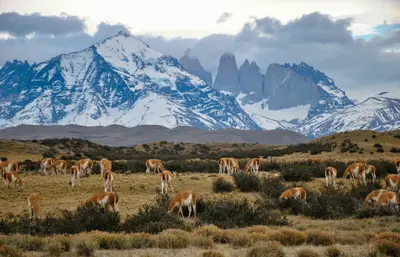
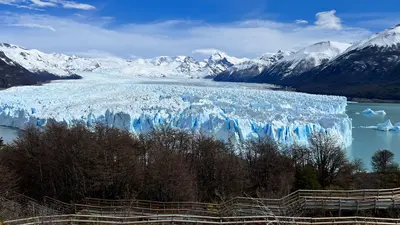
    The **Región de Magallanes y Antártica Chilena** forms the southernmost part of Chile and is the gateway to the Chilean Antarctic. Its landscape is characterized by the *Andean foothills*, extensive glaciers, deep fjords, and the Patagonian steppe. Key highlights include **Torres del Paine National Park** with its distinctive granite formations and *Bernardo O'Higgins National Park*, home to the *Grey Glacier*. In the regional capital **Punta Arenas**, an important port city on the Strait of Magellan, you'll discover historical buildings and the legacy of European immigrants as well as sheep farming. The region also allows for the observation of penguin colonies on *Isla Magdalena* and whales in *Francisco Coloane Marine Park*. The optimal travel time for the national parks is between *October and April*, marked by more stable weather and longer days. Plan enough time for the vast distances and unpredictable weather to experience Patagonia's nature intensely.

    Places in Magellan and Chilean Antarctic (Magellan Region)

    National Park Torres del Paine

    National Park Torres del Paine

    One of the most spectacular national parks in the world, famous for its dramatic granite peaks, vast glaciers, and unique wildlife.
    Puerto Natales

    Puerto Natales

    Puerto Natales serves as the main gateway to Torres del Paine National Park and Cueva del Milodón. This city on the Última Esperanza Fjord is characterized by its maritime history and its role as a regional supply center. Along the Costanera, you'll discover the historic pier and enjoy views of the surrounding mountains. Its colorful houses and the bustling Plaza de Armas reflect the authentic character of this former sheep farming stronghold. Local restaurants offer fresh seafood and regional lamb. For a more pleasant trip, a visit in November or March is recommended to avoid the largest crowds. Book accommodations and tours early during high season.
    Punta Arenas

    Punta Arenas

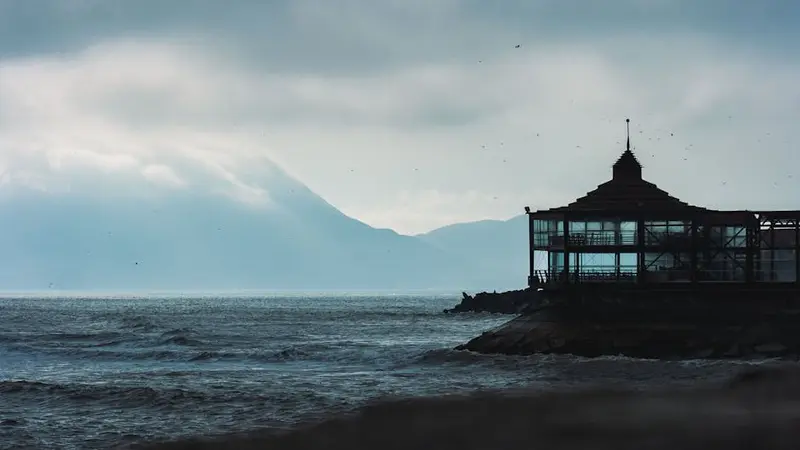
    The vibrant capital of the region, a gateway to Patagonia and Antarctica, with a rich history and colorful buildings.
    Tierra del Fuego (Chilean part)

    Tierra del Fuego (Chilean part)

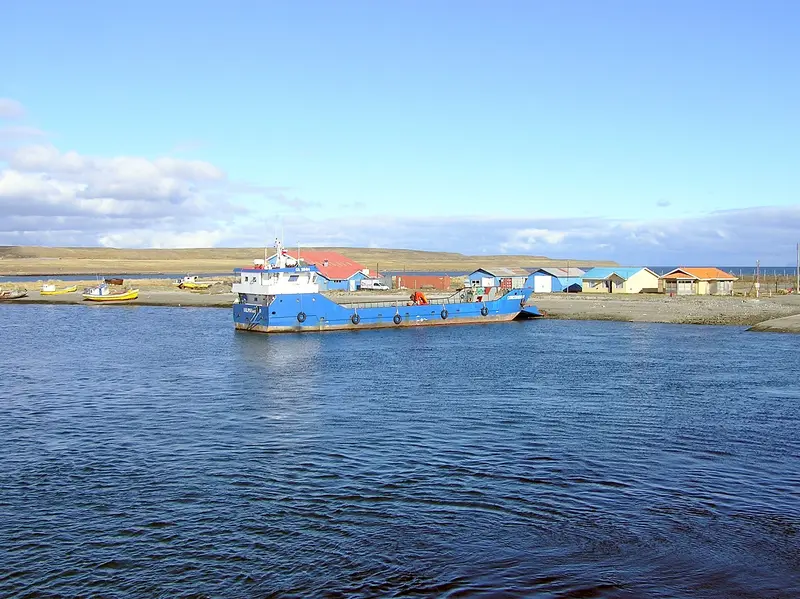
    The western part of the great island of Tierra del Fuego, a rugged and wind-swept landscape with Arctic forests and isolated coves.

    Sights in Magellan and Chilean Antarctic (Magellan Region)

    Discover the most important sights and attractions

    Nombre de Punta Arenas

    Attraction in Punta Arenas.
    Open in Google Maps

    Sacred Heart Cathedral, Punta Arenas

    The Cathedral of the Sacred Heart (Catedral del Sagrado Corazón) in Punta Arenas is a prominent landmark in the heart of the city. Built between 1892 and 1902, it stands as a testament to early European settlement and the strong presence of the Salesians in the Magallanes Region. You'll find it directly on Plaza Muñoz Gamero, Punta Arenas' central square.Architecturally, the cathedral showcases a neoclassical style with Romanesque elements, reflected in its robust brick facade and two distinctive towers. Inside, a simple yet dignified atmosphere awaits you. Note the intricate woodwork and the stained-glass windows, which depict biblical scenes and cast a warm light into the space. To this day, the cathedral serves as an important religious center for the local community and a place of contemplation.Our Tip: Visit the cathedral in the morning to capture the best light for interior photos, as the sun shines through the windows. To fully appreciate the tranquility and architectural details, avoid times of worship services. A stroll around the building also offers various perspectives on the facade and towers.
    Open in Google Maps

    Letras Punta Arenas 500 años

    The Letras Punta Arenas 500 años are a prominent monument on Punta Arenas' coastal promenade, commemorating a pivotal event in world history. They celebrate the 500th anniversary of the discovery of the Strait of Magellan by Ferdinand Magellan in 1520, a milestone of the first circumnavigation of the world. This installation highlights the city's deep historical connection to seafaring and its strategic importance on this legendary passage between the Atlantic and Pacific.As a visitor, you'll find large, colorful letters here, forming the city's name and the year "500 años." They not only offer a popular backdrop for souvenir photos but also an excellent viewpoint of the Strait of Magellan and the landscape beyond. You can watch the ships that still use this historic route today. Our Tip: For the best photos with soft light and fewer crowds, we recommend visiting in the early morning or late afternoon. Be mindful of the often strong winds in Punta Arenas and dress accordingly to ensure a comfortable visit.
    Open in Google Maps

    La Galería, tienda de arte y diseño

    The La Galería, tienda de arte y diseño in the Magallanes Region is a significant cultural hub for lovers of local art and handicrafts. Here you'll find a carefully curated selection of works by regional artists and designers, often inspired by Patagonia's unique landscape and culture. The gallery serves not only as a retail space but also as a platform to promote creative endeavors in this remote region of Chile. Expect a diverse range of media, from painting and sculpture to textiles and jewelry, reflecting the rich artistic tradition and modern interpretations. Many of the exhibited pieces are unique and offer an authentic insight into the local art scene. A practical tip: Take ample time to explore the details of each exhibit and perhaps converse with the artists present, if they are on-site. This will enrich your understanding of the works and the region. For a relaxed atmosphere, a morning visit is recommended before the main visitor flows begin.
    Open in Google Maps

    Plaza de Armas Punta Arenas

    The Plaza de Armas, officially Plaza Muñoz Gamero, forms the historical and social heart of Punta Arenas. Here you'll find the imposing *Magellan Monument*, inaugurated in 1920, commemorating the discovery of the Strait of Magellan and the region's maritime significance. At the base of the monument is an indigenous figure; local superstition holds that touching its foot guarantees a return to Patagonia – a popular ritual among travelers.The square is surrounded by architecturally significant buildings that reflect the city's former prosperity in the late 19th and early 20th centuries. These include the neoclassical Cathedral, the magnificent Palacio Sara Braun (now Club de la Unión and hotel), and the Government building. These structures attest to the European influence brought by immigrants who grew wealthy through sheep farming and the port. For a relaxed exploration and to capture the best photos without large crowds, an early morning visit is recommended. From here, you can easily explore the adjacent historical streets and the City Museum.
    Open in Google Maps

    Monumento Hernando De Magallanes

    The Monumento Hernando De Magallanes on Plaza Muñoz Gamero in Punta Arenas honors Ferdinand Magellan, the Portuguese navigator who, in 1520, was the first European to cross the strait named after him, thus paving the way for the first circumnavigation of the world. This imposing monument, inaugurated in 1920 for the 400th anniversary of the discovery, is a central landmark of the city. You see Magellan atop a tall pedestal, surrounded by allegorical figures, including a mermaid and a striking depiction of an indigenous Patagonian. The sculpture by Guillermo Córdova captures the region's historical significance as the gateway to the Pacific. A local custom says: Those who kiss the foot of the indigenous Patagonian will one day return to Patagonia. This offers a unique photo opportunity. It's best to visit the monument in the morning to enjoy the tranquility of the Plaza and admire the details of the bronze work in good light, before the main tourist crowds arrive.
    Open in Google Maps

    Essen & Trinken

    Culture, Art, and History in Magallanes

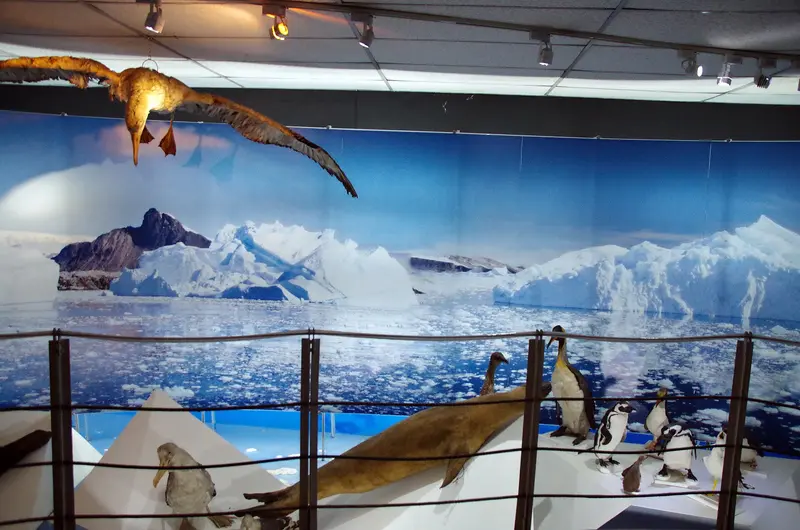
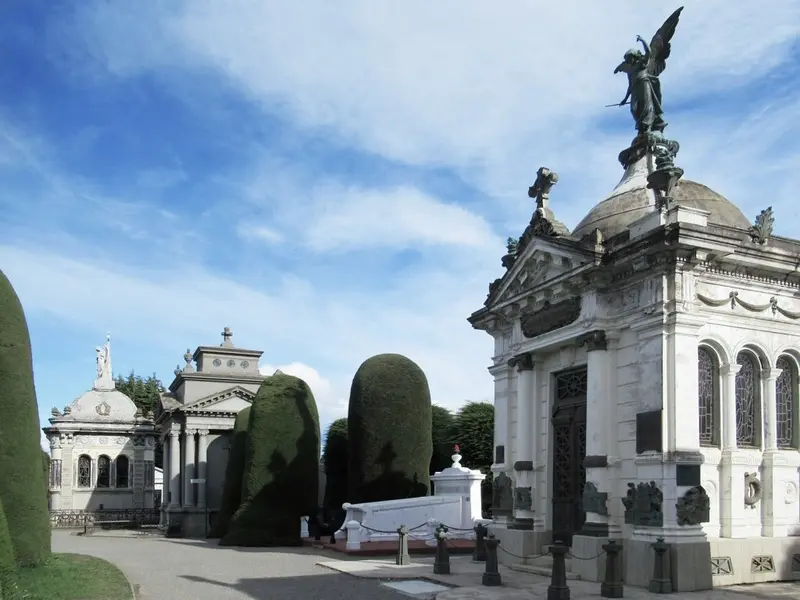
    The Magallanes y Antártica Chilena region is a melting pot of indigenous history and European influence, forming a unique cultural identity. Its remoteness and strategic location at the 'end of the world' have created a robust and diverse culture.The region's history spans millennia, featuring the nomadic seafaring peoples Kawésqar and Yámana, along with the land hunters Selk'nam, whose heritage is preserved in museums. European arrival began with Ferdinand Magellan's passage in 1520, yet significant settlement only gained momentum with Chilean annexation in the 19th century and the founding of Punta Arenas in 1848 as a penal colony and later a commercial hub. The sheep farming boom in the late 19th century attracted immigrants from Europe, profoundly shaping the economy and social structure.Punta Arenas' architecture attests to this prosperity and European diversity, notably through magnificent eclectic-style mansions, such as the Palacio Sara Braun. Local traditions are deeply rooted in the Patagonian identity, shaped by the rugged landscape and a strong connection to the sea and Antarctica. The regional cuisine reflects this with hearty lamb dishes and fresh seafood, while festivals like the "Invernada Patagónica" celebrate the vibrant community and its customs.

    Locations nearby

    These places are nearby — perfect for additional days or a day trip.

    Punta Arenas

    Punta Arenas

    The vibrant capital of the region, a gateway to Patagonia and Antarctica, with a rich history and colorful buildings.
    Tierra del Fuego (Chilean part)

    Tierra del Fuego (Chilean part)

    The western part of the great island of Tierra del Fuego, a rugged and wind-swept landscape with Arctic forests and isolated coves.
    Puerto Natales

    Puerto Natales

    Puerto Natales serves as the main gateway to Torres del Paine National Park and Cueva del Milodón. This city on the Última Esperanza Fjord is characterized by its maritime history and its role as a regional supply center. Along the Costanera, you'll discover the historic pier and enjoy views of the surrounding mountains. Its colorful houses and the bustling Plaza de Armas reflect the authentic character of this former sheep farming stronghold. Local restaurants offer fresh seafood and regional lamb. For a more pleasant trip, a visit in November or March is recommended to avoid the largest crowds. Book accommodations and tours early during high season.
    National Park Torres del Paine

    National Park Torres del Paine

    One of the most spectacular national parks in the world, famous for its dramatic granite peaks, vast glaciers, and unique wildlife.
    District Lago General Carrera

    District Lago General Carrera

    Around the vast Lago General Carrera await fascinating landscapes, the famous Marble Chapels, and charming Patagonian villages.