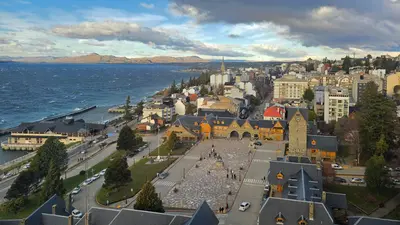
Puerto Varas is a small town on Lago Llanquihue in the south of the Chilean Lake District, characterized by wooden houses from the period of German immigration.
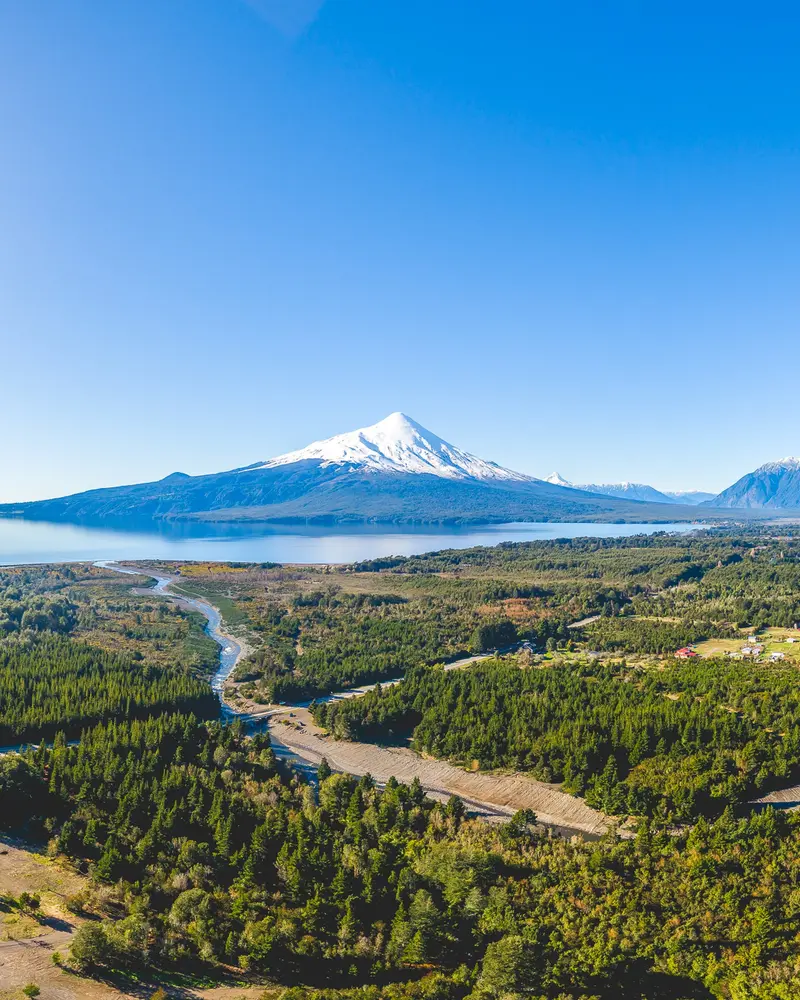
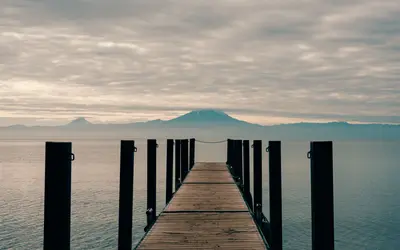
Puerto Varas is a small town on Lago Llanquihue in the south of the Chilean Lake District, characterized by wooden houses from the period of German immigration. On clear days, the Osorno and Calbuco volcanoes rise above the lake, and most of the region's attractions can be reached from here as a day trip.
Sehenswürdigkeiten
Discover the most important sights and attractions
1Pasaje Eduardo Ricke
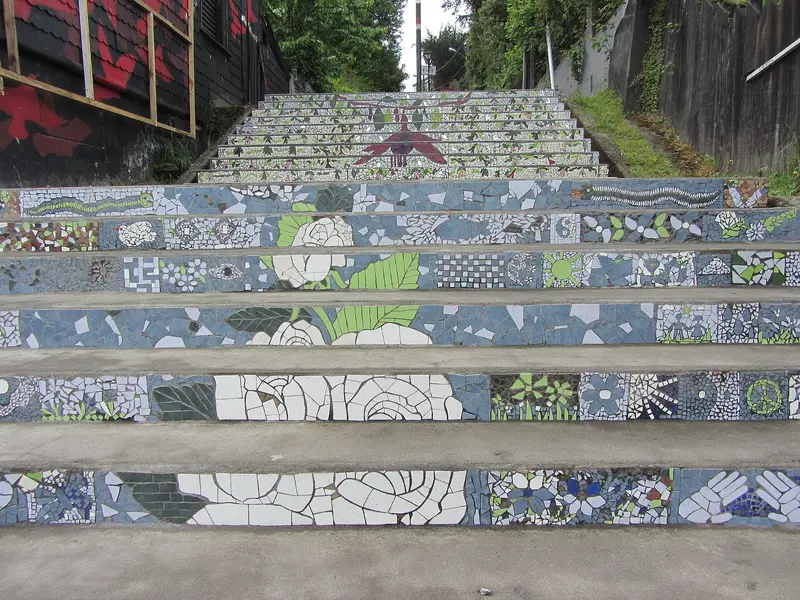
Pedestrian street in the center of Puerto Varas, perfect for including in a town tour.
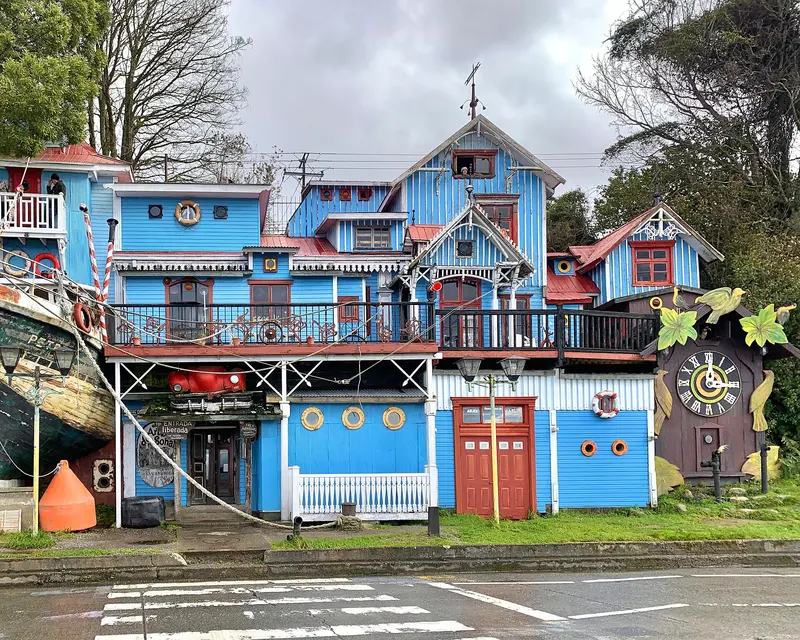
Artist Pablo Fierro's museum, opened 2006 in a former waterfront pump house, was provided by the municipality. Its facade displays a large cuckoo clock and a boat's bow. Inside, alongside his paintings of old South Chilean houses, are tube radios, typewriters, cameras, and a replica classroom; many items are touchable. Admission is free; donations welcome.
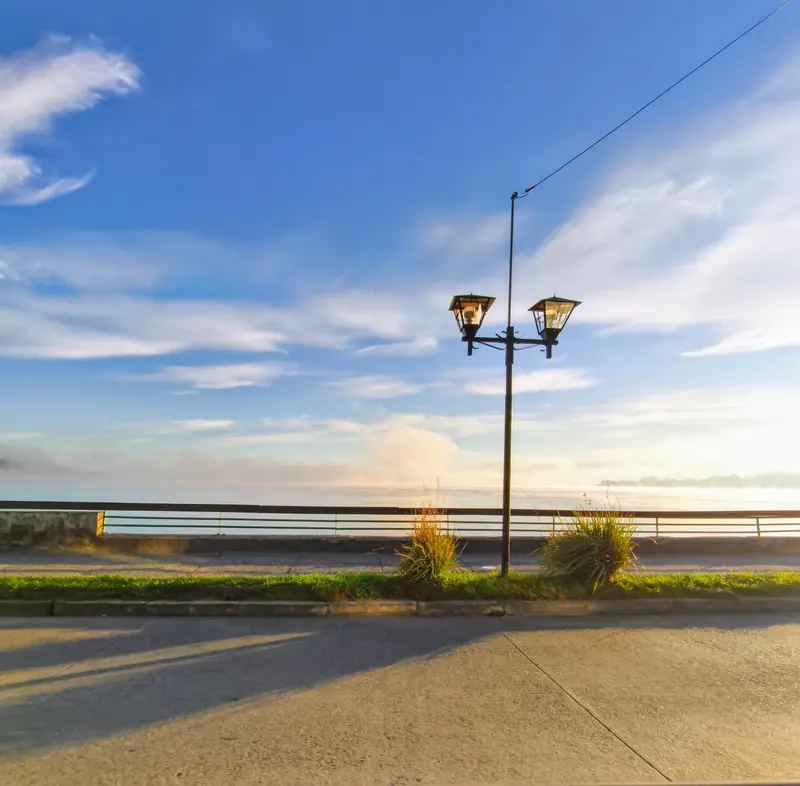
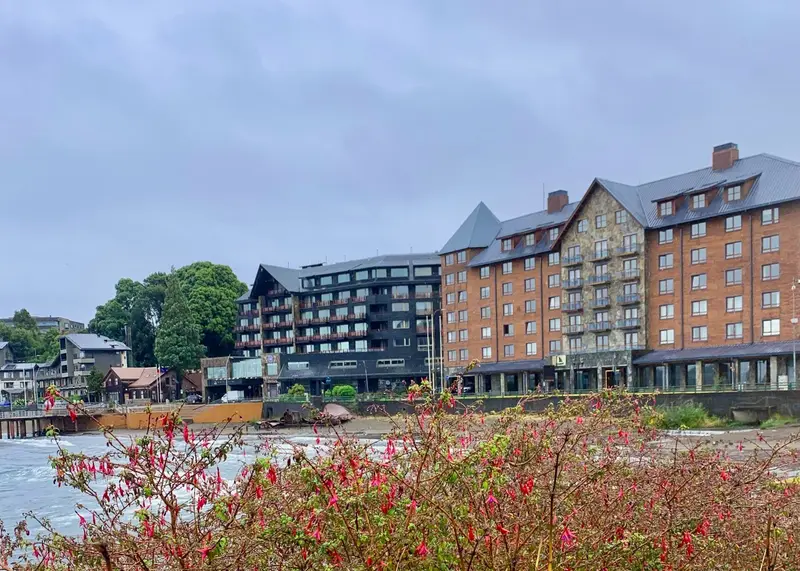
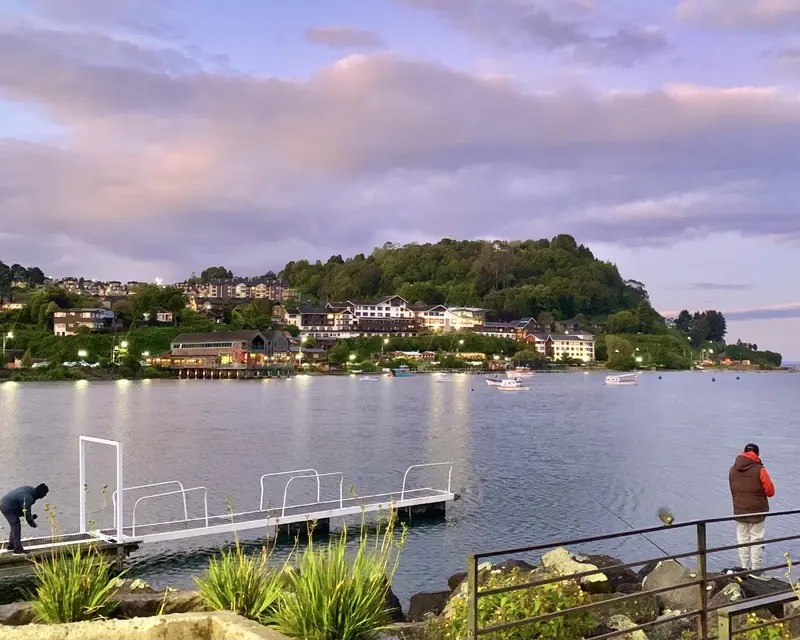
The waterfront promenade along Avenida Vicente Pérez Rosales runs between the center and Puerto Chico on Lago Llanquihue. Here you can walk or cycle, and on a clear day, you'll see the volcanoes Osorno and Calbuco. In summer, kayaks, stand-up paddleboards, and pedal boats are available for rent.
The wooded hill north of the town center is one of its viewpoints. You can reach it by car or on foot via a steep path. From the top, you'll overlook the town and lake, and on a clear day, even the volcanoes. Access is free. Some sections are barely lit at night, so go during the day.
Café on Calle San Juan 431 in the center, a branch of the South Chilean chain Cassis, offering cakes, ice cream, and coffee. Ideal for a break during your city stroll.
For a place of this size, the selection is unusually good: locally sourced fish, German baking heritage, and a vibrant microbrewery scene.
Salmon and Trout
Salmon and trout feature on many menus. You'll also find fish and seafood restaurants off the promenade.
Cakes and Onces
The cafés in the center serve cakes in the tradition of German immigrant families, often with seasonal fruits like Murta, raspberries or blueberries. This also includes the late-afternoon Onces. Some establishments, like the Restaurant of the Club Alemán, offer German-influenced menus.
Craft Beer
Around 8 kilometers north of the center, Chester Beer has been brewing its own beer since 2006. In town, brewpubs like Quintal and Mesa Tropera serve craft beers from the region, often including Kunstmann from Valdivia.
Today's menu
Some simple places off the promenade offer a well-priced daily menu at noon.
Culture in Puerto Varas
The Church on the HillThe Church of Sagrado Corazón de Jesús on the hill above the town is its landmark: a wooden structure built between 1915 and 1918, designed after churches in Baden-Württemberg and a National Monument since 1992. From up there, you also get a good view of the lake and volcanoes.Homes of Immigrant FamiliesAround the center stand several heritage-listed residential buildings of the immigrant families from the late 19th and early 20th centuries, recognizable by their shingle facades, bay windows, and steep roofs. Some today house hotels or restaurants, while others can only be viewed from the outside.In everyday life, the German heritage is more a backdrop than a living tradition: Spanish is spoken, Chilean customs are celebrated. It remains visible in breweries, bakeries, and club names.
Exploring Locally
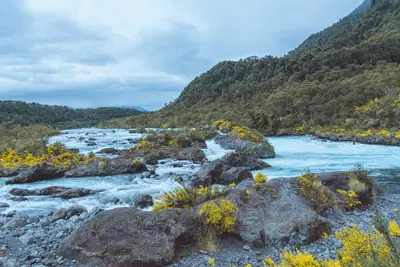
In Town and to Nearby LocationsYou don't need a vehicle in town: The center, promenade, and the Puerto Chico district are all located along the waterfront and are connected on foot. The only significant climb is the hill up to the church.Buses and colectivos run continuously during the day to Puerto Montt and El Tepual Airport; the journey takes about 30 minutes. Frutillar, Osorno, and Ensenada are also reachable by bus. Regular connections to Vicente Pérez Rosales National Park are available in summer, less frequently outside the season.Car Rental and ToursFor volcano drives, lake circuits, and smaller destinations, a rental car is the more convenient solution. Alternatively, local agencies offer day tours. This is especially worthwhile for rafting on the Petrohué and the Andes crossing to Bariloche.