Fernweh
    ExploreTravel GuidesMy Trips
    de|en
    About FernwehImprintFAQPrivacy Policy
    ExploreTravel GuidesMy Trips
    Cyclades

    Cyclades

    Region
    1. Home
    2. Destinations
    3. Greece
    4. Cyclades
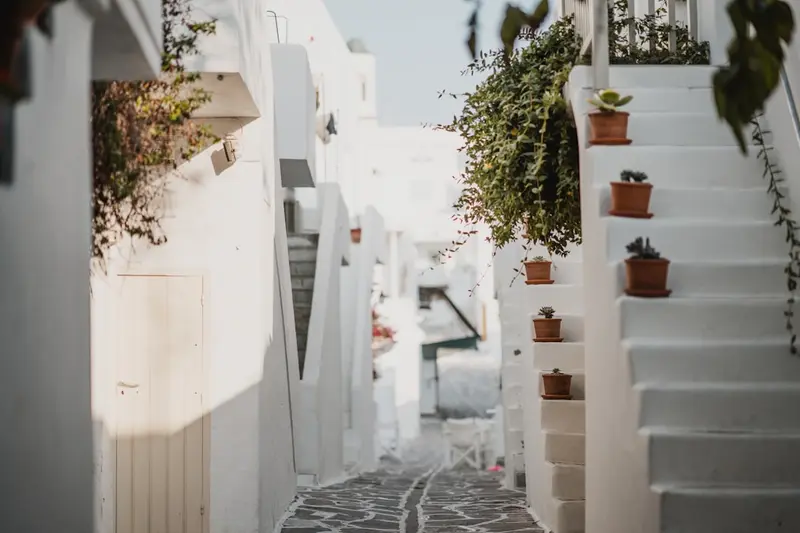
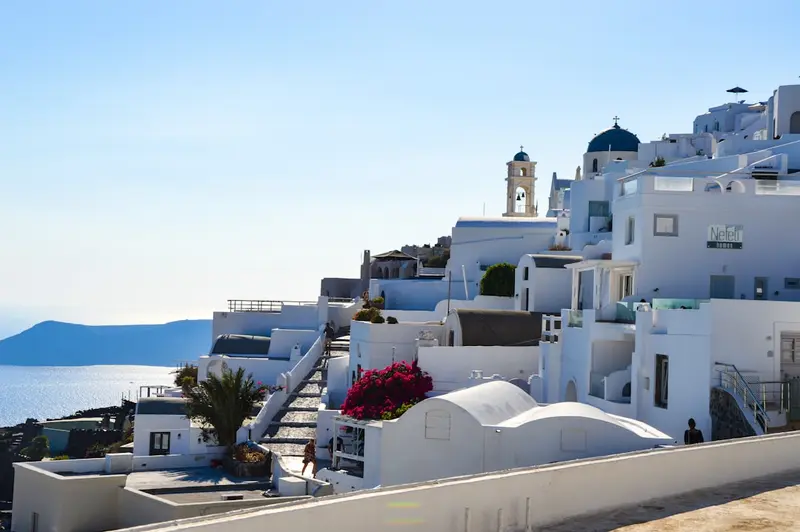
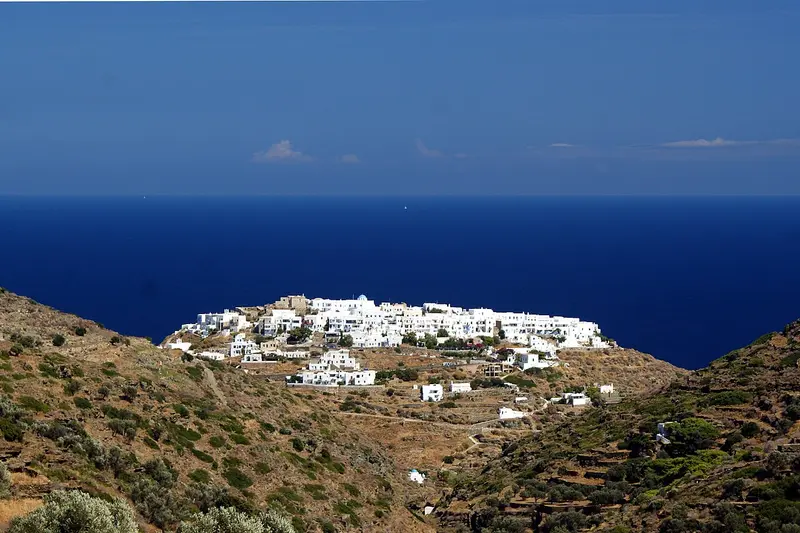
    The Cyclades, a breathtaking island group in the Aegean Sea, are the epitome of the Greek dream. With their iconic whitewashed villages, brilliant blue-domed churches, and pristine beaches, they offer an unparalleled blend of cultural richness and relaxed Mediterranean flair. Discover the allure of these islands, where history meets hospitality and every sunset is a masterpiece.
    • Overview
    • Places in the region
    • Eat & drink
    • Culture
    • Nearby
    • Overview
    • Places in the region
    • Eat & drink
    • Culture
    • Nearby
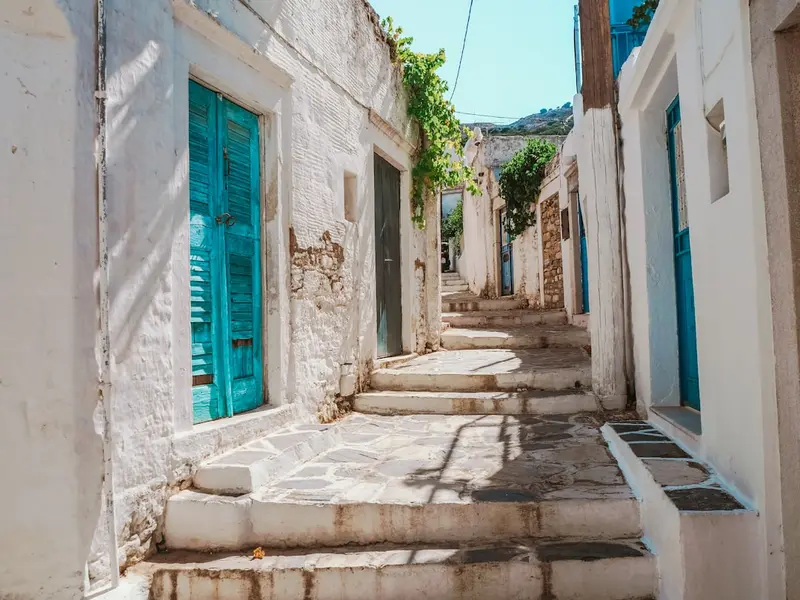
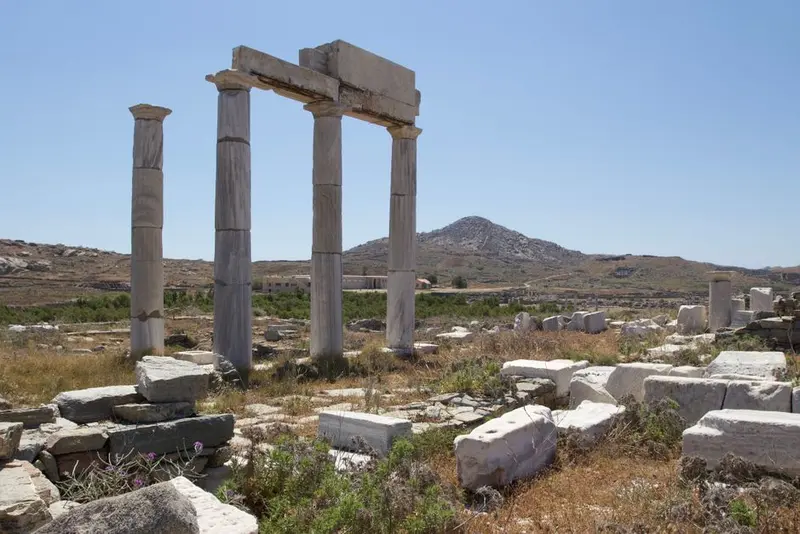
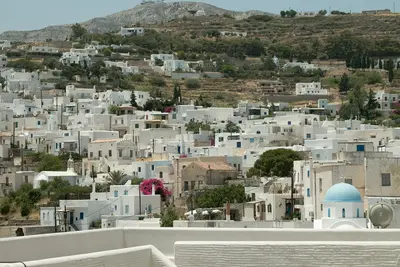
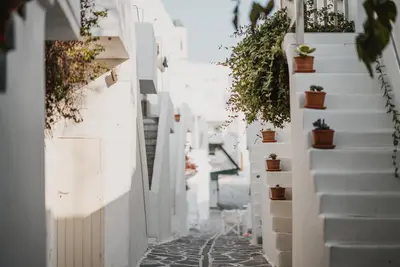
    The Cyclades in the Aegean captivate with iconic whitewashed houses and blue domes, blending picturesquely into the sparse landscape. Here you'll find Santorini with its caldera and Oia's sunsets, as well as Mykonos, known for windmills and nightlife. Naxos offers the ancient Portara, Paros charming fishing villages, and Delos (UNESCO World Heritage site) important archaeological sites. The islands combine a relaxed lifestyle with traditional cuisine and fresh seafood. Travel in late spring or early autumn for pleasant temperatures; the Meltemi wind can affect ferry connections in summer.

    Places in Cyclades

    Milos

    Milos

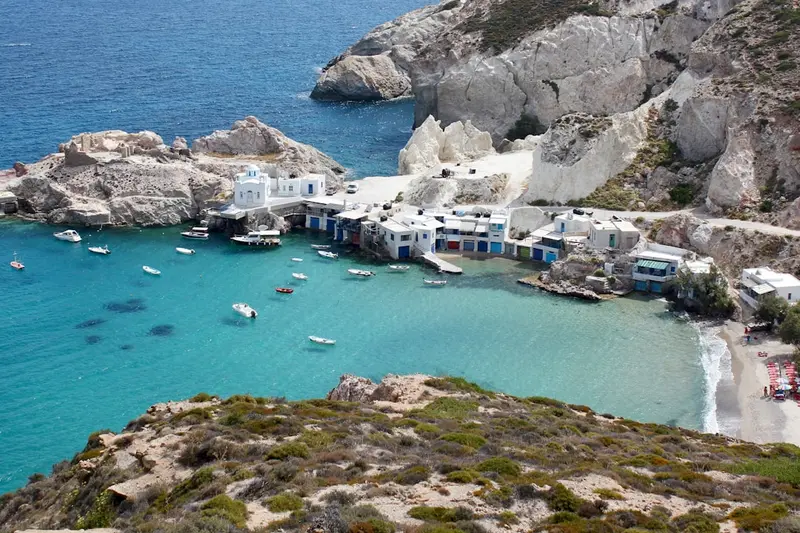
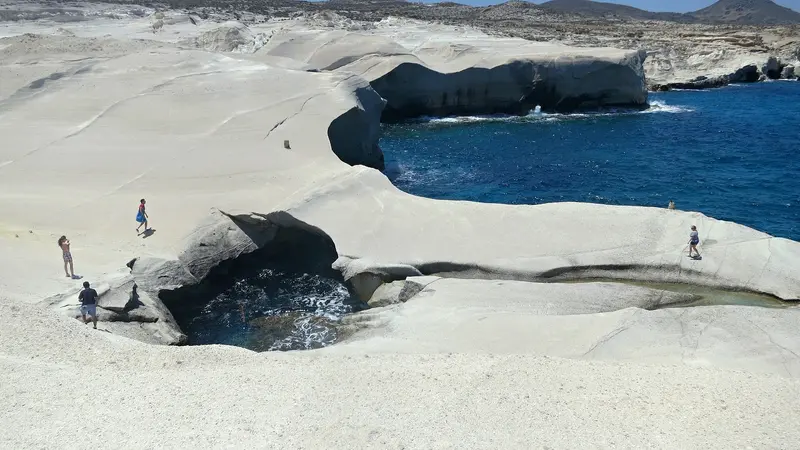
    Milos, a volcanic Cycladic island, captivates with unique geology and diverse coastal landscapes. Here you'll find Sarakiniko with its moon-like rock formations, as well as the striking sea caves of Kleftiko, ideal for exploration by boat tour. The island's capital, Plaka, offers traditional Cycladic architecture, narrow streets, and a Venetian Kastro with panoramic views. Historically significant are the discovery site of the Venus de Milo and the early Christian catacombs near the ancient city of Klima. Characteristic are the colourful fishing villages like Klima and Mandrakia, whose “Syrmata” boathouses are located directly on the water. For exploring the beaches and coves, a rental vehicle is recommended; the best travel time is late spring or early autumn.
    Mykonos

    Mykonos

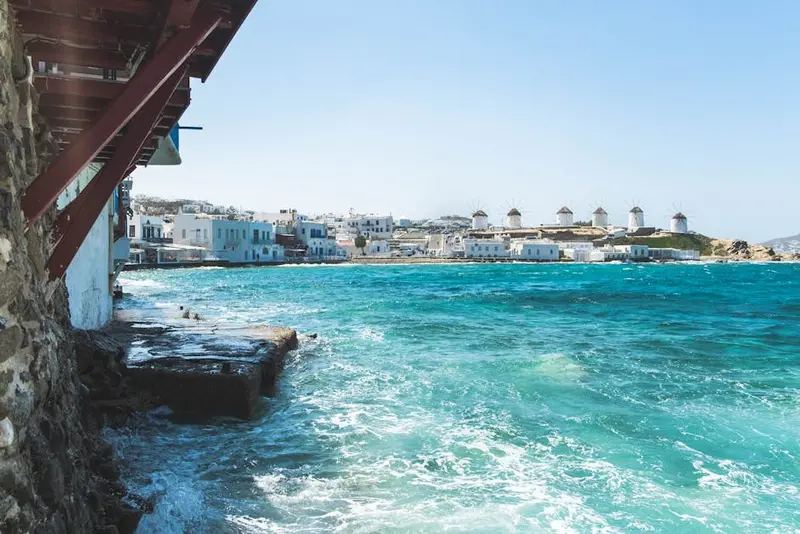
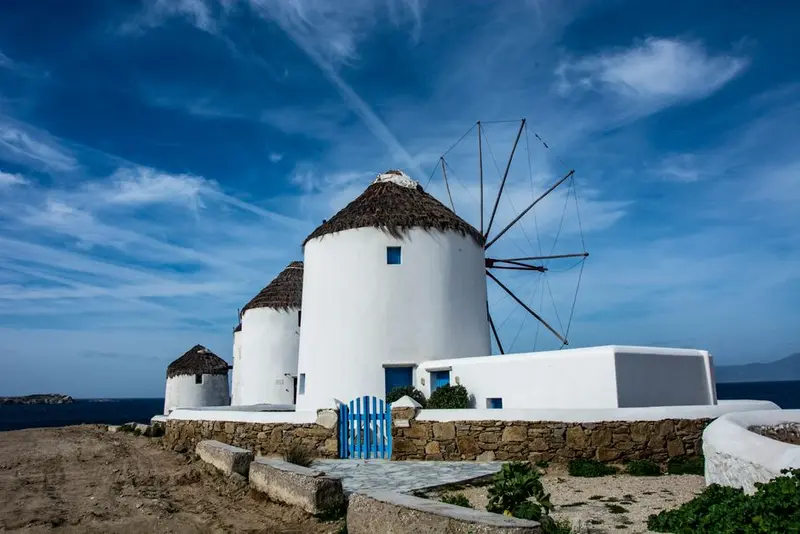
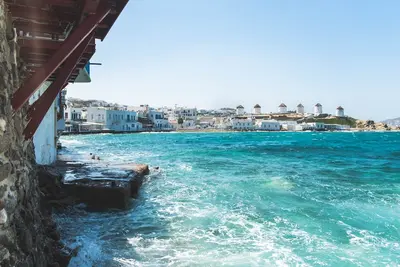
    Mykonos, one of the most famous islands of the Cyclades, captivates with its characteristic architecture of dazzling white houses and a labyrinth of narrow streets. The capital Chora, also known as Mykonos Town, features picturesque districts such as Little Venice, where colorful buildings stand directly by the sea. A historical landmark is the windmills of Kato Mili, which once served for grain processing and today offer a striking sight. Culturally, the island combines its heritage as a fishing village with a cosmopolitan flair, which is also reflected in the well-known beaches like Psarou and Elia. To explore the charming alleys and boutiques in Chora in peace, an early morning walk is recommended. The best time to travel for a more relaxed atmosphere is the pre- or post-season, especially in May or September.
    Naxos

    Naxos

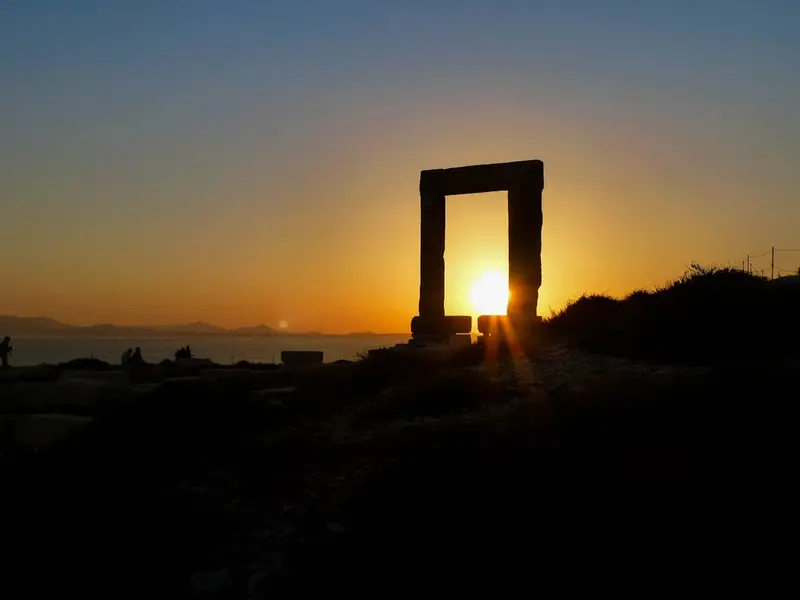
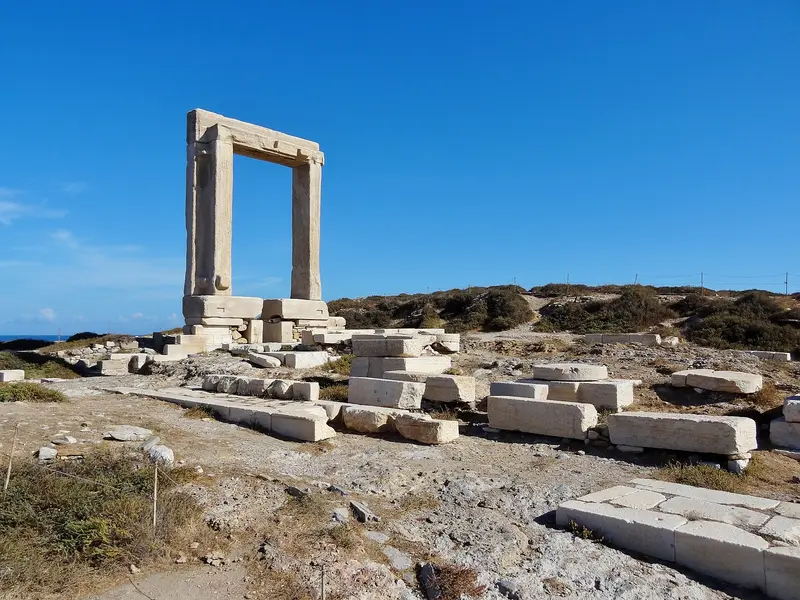
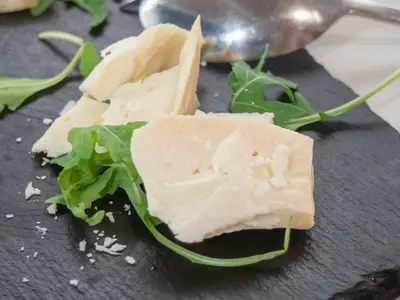
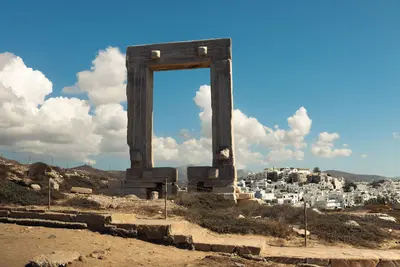
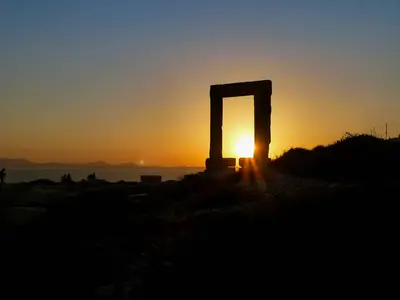
    As the largest and most fertile island of the Cyclades, Naxos offers an impressive diversity, from long sandy beaches to mountainous hinterland and traditional villages. The capital Chora impresses with the Portara, the monumental marble gate of the ancient Temple of Apollo, which overlooks the harbour. In the heart of the city, you'll find the Venetian Kastro, a medieval quarter with narrow alleys and historic buildings, reflecting the island's long history. Away from the coast, a trip is worthwhile to mountain villages like Apiranthos, known for its marble architecture and museums, or to the mythologically significant mountain region of Zas. Try the local products such as Naxos Graviera cheese and Kitron liqueur in the tavernas. The best times to visit are late spring and early autumn, to explore the island at pleasant temperatures and with fewer tourist crowds.
    Paros

    Paros

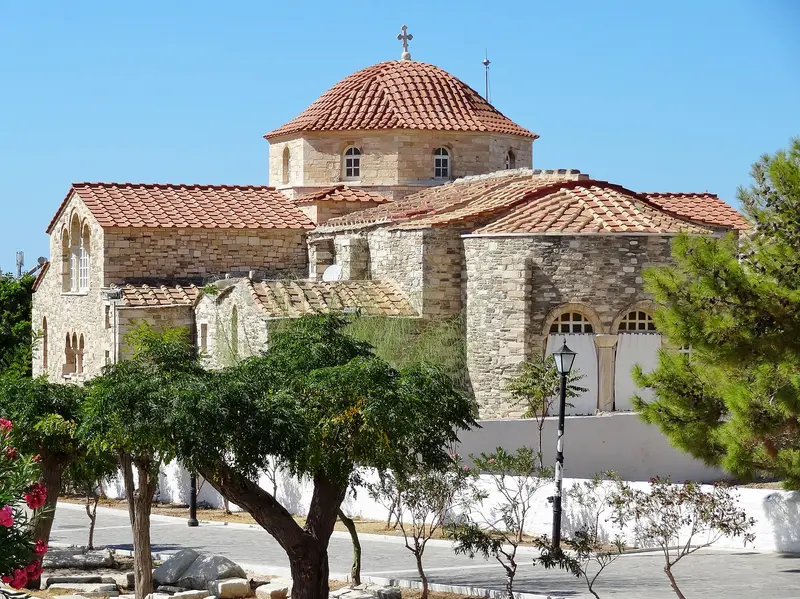
    Paros, an island of the Cyclades, captivates with its authentic aesthetic and the combination of lively coastal towns and quiet mountain villages. The capital, Parikia, welcomes you with a charming harbor, winding alleyways, and the impressive Byzantine church of Panagia Ekatontapiliani. In Naoussa, you'll find a picturesque fishing harbor that transforms into a vibrant meeting point in the evenings, known for its excellent seafood. Visit the traditional mountain village of *Lefkes* to get a glimpse into authentic island life and enjoy the panoramic views. The island is blessed with numerous beaches; Chryssi Akti (Golden Beach) is ideal for windsurfers, while Santa Maria allows for more relaxed sunbathing. To explore the island at your leisure and discover hidden coves, renting a scooter or car is recommended. The best time to visit is in late spring or early autumn, to experience pleasant temperatures and fewer crowds.
    Santorini (Thira)

    Santorini (Thira)

    Santorini, officially Thira, is a Greek island in the Cyclades, renowned for its dramatic caldera and unique Cycladic architecture. Its characteristic whitewashed villages like Fira and Oia cling to steep cliffs, offering expansive views of the Aegean Sea, especially at sunset. The island was formed after a massive volcanic eruption in the Bronze Age, whose remnants shape its current crescent form and buried the archaeological site of Akrotiri. Visitors explore its narrow streets, admire the blue-domed churches, and the breathtaking landscape. Beyond the main towns, beaches such as the Red Beach or the black sand beaches of Perissa and Perivolos are also worth a visit. To avoid the large tourist crowds, the shoulder season in spring or autumn is recommended; book accommodations and restaurants in popular locations early to avoid disappointment.
    Syros

    Syros

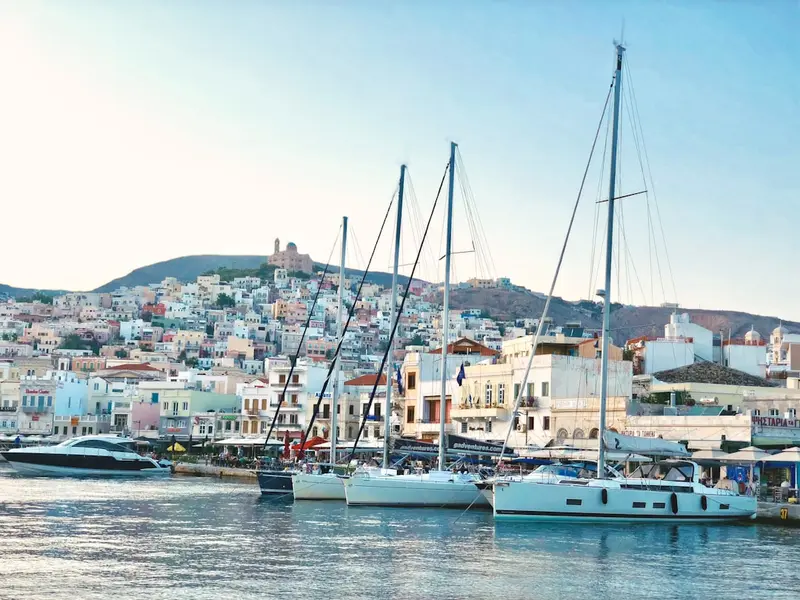
    Syros stands out as one of the most elegant Cycladic islands, with its capital Ermoupoli boasting impressive neoclassical architecture. The city, once a significant commercial hub, impresses with its magnificent Town Hall on Miaouli Square and the historic Apollo Theater, a miniature version of Milan's La Scala. Above it lies the medieval Ano Syros, a labyrinthine, Catholic quarter that, with its narrow streets and the Cathedral of Saint George, forms a fascinating contrast. Syros is also the birthplace of Rebetiko, represented by Markos Vamvakaris, and cultivates a vibrant music culture. For a more relaxed experience, a visit in late spring or early autumn is recommended to enjoy the island and its beaches, such as Galissas or Kini, without the summer crowds. The island offers an authentic blend of cosmopolitan flair and traditional island life.

    Sights in Cyclades

    Discover the most important sights and attractions

    Tubby Black Kitty

    The Big Black Cat, often locally referred to as “Mavri Pachi Gata,” is more than just an animal; she has evolved into a charming, unofficial mascot of the Cyclades, especially in the picturesque alleys of places like Oia. Her consistent presence is associated by many with good luck and the unobtrusive beauty of authentic island life. For many years, this cat, or her successors, has been a fixture in the local scene and embodies the relaxed atmosphere of the Aegean. You'll often find her napping in the sun on warm stones or on one of the many white roofs, a silent observer of daily life. Her calm demeanor and majestic appearance have earned her a special place in the hearts of locals and visitors alike. Our Tip: To experience the “Big Black Cat” in her natural environment, visit the area in the early morning or late afternoon, when the alleys are quieter and the cat becomes more active. A respectful distance and quiet observation are recommended to avoid disturbing her well-being. For an unposed photo, look out for her near the old windmills or on the steps of the small chapels.
    Open in Google Maps

    Ciccio & Lady cute cats

    The Cyclades are renowned for their picturesque landscapes and the ever-present cats, which are an integral part of island life. Ciccio and Lady charmingly embody this tradition and have become a local fixture. You'll often find them in a specific spot, where they are cherished and cared for by locals and visitors alike. Their presence reflects the close bond between humans and animals, deeply rooted in the Greek islands. Observe them basking in the sun or playfully exploring their surroundings. Our Tip: Visit them in the early morning or late afternoon, when temperatures are milder and the cats are more active. Make sure to respect their space and not to crowd them. A quiet moment of observation often offers the most beautiful impressions and photo opportunities.
    Open in Google Maps

    Castle Cat

    The Castle Cat in the Cyclades is a picturesque ruin that owes its name to the large number of cats that have lived here for centuries. Originally, this site presumably served as a Byzantine or Venetian watchpost, strategically located for monitoring the surrounding waters. Here you will find the remnants of walls and foundations, bearing witness to its former significance. The architecture reflects the typical construction style of the Aegean, with robust stone blending seamlessly into the landscape. From here, you can enjoy a breathtaking panoramic view over the Aegean and the neighboring islands, especially impressive in the evening hours. The countless cats that inhabit the grounds are tame and contribute to the unique atmosphere. Our tip: Visit Castle Cat in the late afternoon to experience the golden hour and the sunset over the sea. Bring water, as there are no provisions on site, and respect the animal residents.
    Open in Google Maps

    Port of Agia Anna

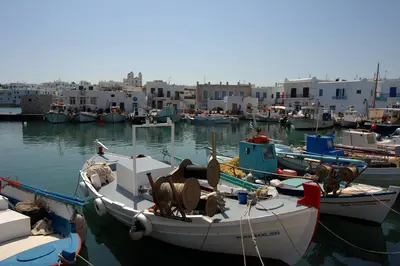
    The port of Agia Anna in the Cyclades embodies the authentic, maritime way of life of the Greek islands. Originally a small fishing port, it still serves as an anchorage for traditional fishing boats and smaller yachts. You'll experience a tranquil atmosphere here, characterized by the gentle rocking of boats and the scent of the sea. Along the waterfront promenade, you'll find charming tavernas known for their freshly caught fish and offering direct views of the Aegean Sea. It's an ideal spot to observe local life and soak in the relaxed island culture. Our tip: Visit the harbor in the late afternoon to capture the golden light of the sunset over the water and then sample fresh seafood at one of the tavernas. For undisturbed photos of the fishing boats and coastline, a walk along the small mole is recommended.
    Open in Google Maps

    Antico Veneziano Antique shop Naxos, greece

    The Antico Veneziano on Naxos is more than just an antique shop; it's a window into the rich history of the Cyclades and the Venetian presence that shaped the islands for centuries. Here you'll find a carefully curated selection of objects, ranging from antique furniture and jewelry to local handicrafts. Many of the pieces reflect the cultural exchange that made Naxos an important trade hub. You can discover authentic mementos here that tell stories from past eras, whether through Byzantine icons, Ottoman ceramics, or Venetian glassware. The atmosphere invites you to browse and offers the chance to find unique treasures you wouldn't discover anywhere else on the island. Our Tip: Take your time to examine each piece closely and speak with the owners, who often know fascinating backstories about the objects. A morning visit allows for a relaxed shopping experience before the main tourist crowds arrive.
    Open in Google Maps

    Castle Cat

    The Castle Cat in the Cyclades is a picturesque ruin that owes its name to the large number of cats that have lived here for centuries. Originally, this site presumably served as a Byzantine or Venetian watchpost, strategically located for monitoring the surrounding waters. Here you will find the remnants of walls and foundations, bearing witness to its former significance. The architecture reflects the typical construction style of the Aegean, with robust stone blending seamlessly into the landscape. From here, you can enjoy a breathtaking panoramic view over the Aegean and the neighboring islands, especially impressive in the evening hours. The countless cats that inhabit the grounds are tame and contribute to the unique atmosphere. Our tip: Visit Castle Cat in the late afternoon to experience the golden hour and the sunset over the sea. Bring water, as there are no provisions on site, and respect the animal residents.
    Open in Google Maps

    Food & Drinks

    Cycladic Cultural Heritage

    The Cyclades are the cradle of one of Europe's oldest civilizations, the Cycladic Culture (c. 3200-2000 BC), whose marble figurines are now considered early masterpieces of art. Their long history is shaped by Minoan, Mycenaean, Classical Greek, Roman, Byzantine, Venetian, and Ottoman influences, which have left behind a rich cultural layering.The characteristic architecture is manifested in cuboid, brightly whitewashed houses with blue details, which blend harmoniously into the barren landscape. Narrow, winding alleys and robust stone buildings served not only for protection against wind and sun, but also as defense against pirate raids.Local traditions are deeply rooted in religious festivals (Panegyria), which are celebrated with music, dance, and regional delicacies, strengthening the sense of community. The islands also preserve a rich craft heritage, from pottery to weaving, and have always inspired artists with their stark beauty and intense light. The cultural heritage of the Cyclades is thus a vibrant mix of ancient splendor, Byzantine spirituality, and creative adaptation to island life.

    Locations nearby

    These places are nearby — perfect for additional days or a day trip.

    Naxos

    Naxos

    As the largest and most fertile island of the Cyclades, Naxos offers an impressive diversity, from long sandy beaches to mountainous hinterland and traditional villages. The capital Chora impresses with the Portara, the monumental marble gate of the ancient Temple of Apollo, which overlooks the harbour. In the heart of the city, you'll find the Venetian Kastro, a medieval quarter with narrow alleys and historic buildings, reflecting the island's long history. Away from the coast, a trip is worthwhile to mountain villages like Apiranthos, known for its marble architecture and museums, or to the mythologically significant mountain region of Zas. Try the local products such as Naxos Graviera cheese and Kitron liqueur in the tavernas. The best times to visit are late spring and early autumn, to explore the island at pleasant temperatures and with fewer tourist crowds.
    Paros

    Paros

    Paros, an island of the Cyclades, captivates with its authentic aesthetic and the combination of lively coastal towns and quiet mountain villages. The capital, Parikia, welcomes you with a charming harbor, winding alleyways, and the impressive Byzantine church of Panagia Ekatontapiliani. In Naoussa, you'll find a picturesque fishing harbor that transforms into a vibrant meeting point in the evenings, known for its excellent seafood. Visit the traditional mountain village of *Lefkes* to get a glimpse into authentic island life and enjoy the panoramic views. The island is blessed with numerous beaches; Chryssi Akti (Golden Beach) is ideal for windsurfers, while Santa Maria allows for more relaxed sunbathing. To explore the island at your leisure and discover hidden coves, renting a scooter or car is recommended. The best time to visit is in late spring or early autumn, to experience pleasant temperatures and fewer crowds.
    Mykonos

    Mykonos

    Mykonos, one of the most famous islands of the Cyclades, captivates with its characteristic architecture of dazzling white houses and a labyrinth of narrow streets. The capital Chora, also known as Mykonos Town, features picturesque districts such as Little Venice, where colorful buildings stand directly by the sea. A historical landmark is the windmills of Kato Mili, which once served for grain processing and today offer a striking sight. Culturally, the island combines its heritage as a fishing village with a cosmopolitan flair, which is also reflected in the well-known beaches like Psarou and Elia. To explore the charming alleys and boutiques in Chora in peace, an early morning walk is recommended. The best time to travel for a more relaxed atmosphere is the pre- or post-season, especially in May or September.
    Syros

    Syros

    Syros stands out as one of the most elegant Cycladic islands, with its capital Ermoupoli boasting impressive neoclassical architecture. The city, once a significant commercial hub, impresses with its magnificent Town Hall on Miaouli Square and the historic Apollo Theater, a miniature version of Milan's La Scala. Above it lies the medieval Ano Syros, a labyrinthine, Catholic quarter that, with its narrow streets and the Cathedral of Saint George, forms a fascinating contrast. Syros is also the birthplace of Rebetiko, represented by Markos Vamvakaris, and cultivates a vibrant music culture. For a more relaxed experience, a visit in late spring or early autumn is recommended to enjoy the island and its beaches, such as Galissas or Kini, without the summer crowds. The island offers an authentic blend of cosmopolitan flair and traditional island life.
    Santorini (Thira)

    Santorini (Thira)

    Santorini, officially Thira, is a Greek island in the Cyclades, renowned for its dramatic caldera and unique Cycladic architecture. Its characteristic whitewashed villages like Fira and Oia cling to steep cliffs, offering expansive views of the Aegean Sea, especially at sunset. The island was formed after a massive volcanic eruption in the Bronze Age, whose remnants shape its current crescent form and buried the archaeological site of Akrotiri. Visitors explore its narrow streets, admire the blue-domed churches, and the breathtaking landscape. Beyond the main towns, beaches such as the Red Beach or the black sand beaches of Perissa and Perivolos are also worth a visit. To avoid the large tourist crowds, the shoulder season in spring or autumn is recommended; book accommodations and restaurants in popular locations early to avoid disappointment.