Fernweh
    ExploreTravel GuidesMy Trips
    de|en
    All Places & RegionsAbout FernwehImprintFAQPrivacy Policy
    ExploreTravel GuidesMy Trips
    Lake District National Park

    Lake District National Park

    Region
    1. Home
    2. Destinations
    3. Great Britain
    4. Lake District National Park
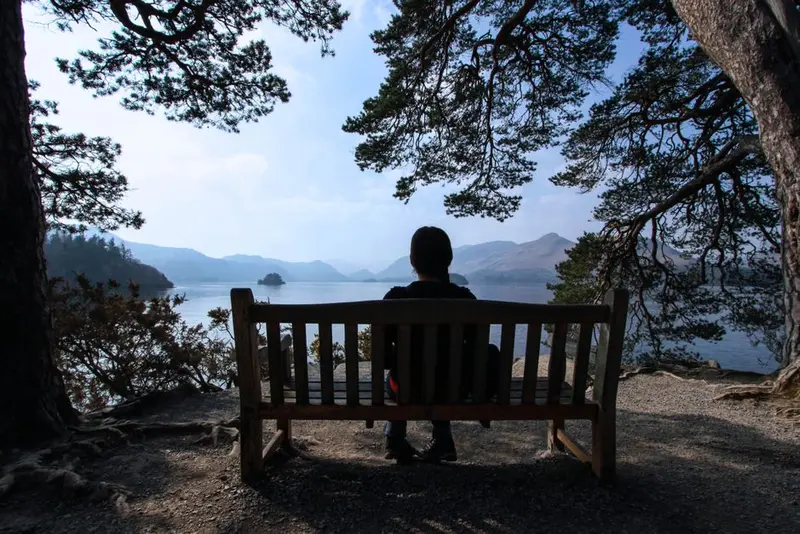
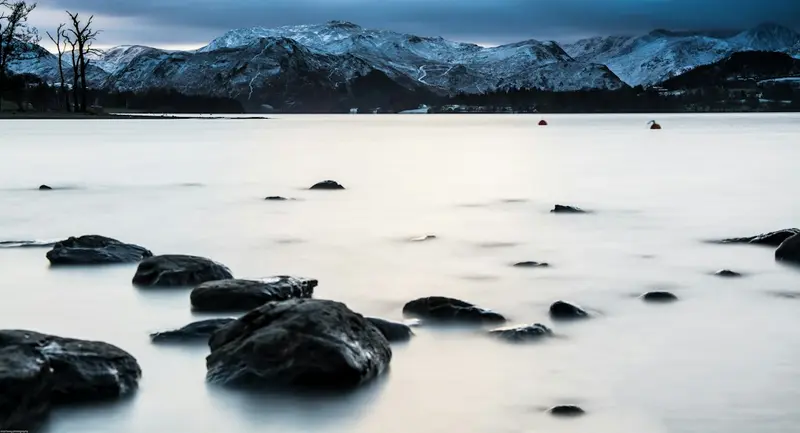
    The Lake District National Park, a breathtaking landscape in Northwest England, is a UNESCO World Heritage site and a region of unparalleled natural beauty. Here you'll find majestic mountains, known as Fells, gentle green valleys, and over 16 large lakes, among the largest and deepest in England.The region invites you to immerse yourself in a world of outdoor adventures, picturesque villages, and rich literary history that has inspired artists and writers like William Wordsworth and Beatrix Potter.
    • Overview
    • Places in the region
    • Eat & drink
    • Food culture
    • Culture
    • Getting around
    • Excursions
    • Accommodation
    • Nearby
    • Overview
    • Places in the region
    • Eat & drink
    • Food culture
    • Culture
    • Getting around
    • Excursions
    • Accommodation
    • Nearby
    The Lake District National Park, a UNESCO World Heritage site in northwest England, captivates with its unique combination of majestic mountains, known as Fells, and over sixteen major lakes. This landscape inspired artists and writers for centuries, such as William Wordsworth and Beatrix Potter; their former homes today offer fascinating insights. You'll find ideal conditions for outdoor activities here; hiking trails lead to peaks like Scafell Pike, and boat trips allow you to explore Windermere or Ullswater. Picturesque villages like Grasmere or Hawkshead retain their traditional charm with historic buildings and dry stone walls. For a more relaxed exploration, a visit during the shoulder months of spring or autumn is recommended to avoid the main tourist crowds. Also try the local specialties and discover artisanal products at the regional markets.

    Places in Lake District National Park

    Ambleside & Grasmere

    Ambleside & Grasmere

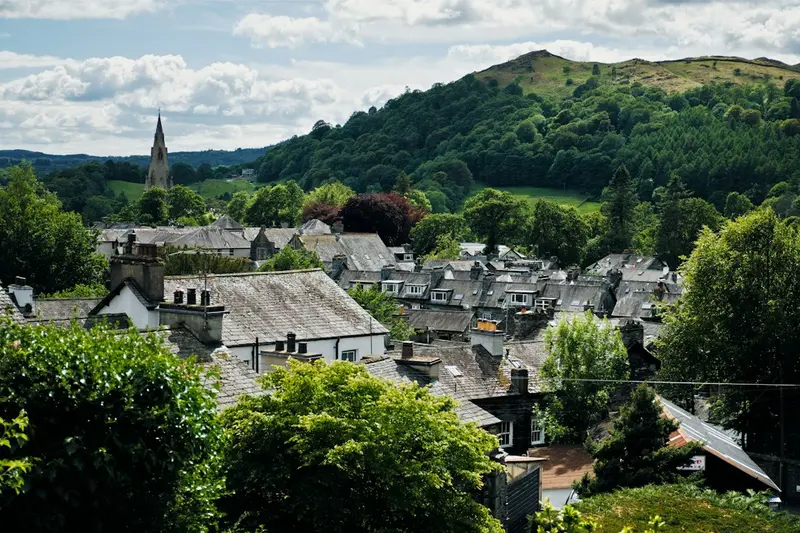
    Ambleside and Grasmere form the heart of the Lake District, combining natural beauty and rich cultural heritage.In Ambleside, discover the iconic Bridge House over Stock Ghyll and Waterhead Pier on Windermere, England's largest lake.The town is an ideal starting point for hikes into the Fells landscape.A few kilometers north lies Grasmere, inextricably linked with poet William Wordsworth, who lived and is buried here at Dove Cottage.Visit his home and museum, try Grasmere Gingerbread; ideal for hikes is late spring or early autumn.
    Keswick

    Keswick

    Keswick, a vibrant market town in the heart of the Lake District, is the ideal base from which to explore the dramatic landscape of Northwest England. Here you'll find a rich history, reflected in its Victorian architecture and the historic Moot Hall, the hub of the traditional weekly market. The town lies directly on the shore of the picturesque Derwentwater Lake, which is perfect for boat trips and lakeside strolls. For hikers, the nearby Catbells summit offers a moderate challenge with spectacular views over the lake and the surrounding fells. Culturally, it is shaped by the Theatre by the Lake and its literary connection to the Lake Poets, whose works were inspired by this unique natural beauty. Be sure to visit the prehistoric Castlerigg Stone Circle east of the town to gain insight into the region's long history of settlement. The best months for outdoor activities are May to September, with an early morning start ensuring you'll experience the most popular trails with greater tranquility.
    Ullswater

    Ullswater

    The park's second-largest lake offers a quieter atmosphere, spectacular mountain scenery, and the chance to cruise on historic steamboats.
    Wasdale & Scafell Pike

    Wasdale & Scafell Pike

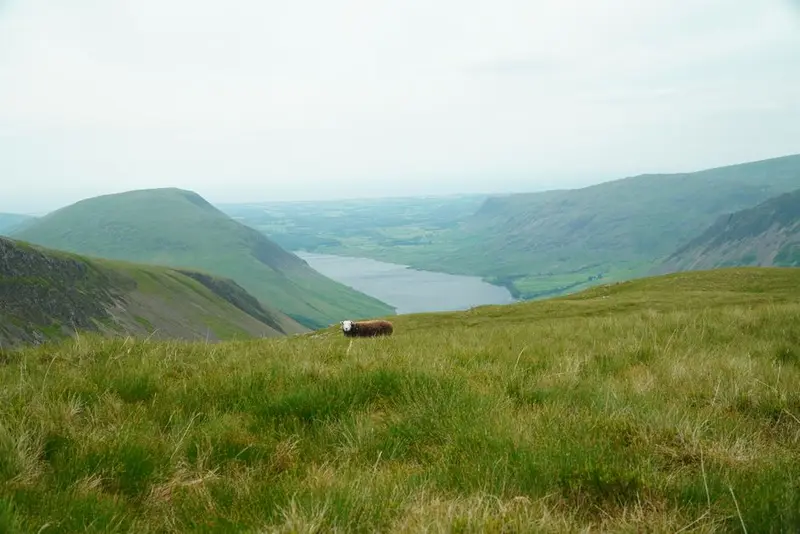
    Experience the rugged beauty of the remote western valleys and the ascent to Scafell Pike, England's highest mountain.
    Windermere & Bowness-on-Windermere

    Windermere & Bowness-on-Windermere

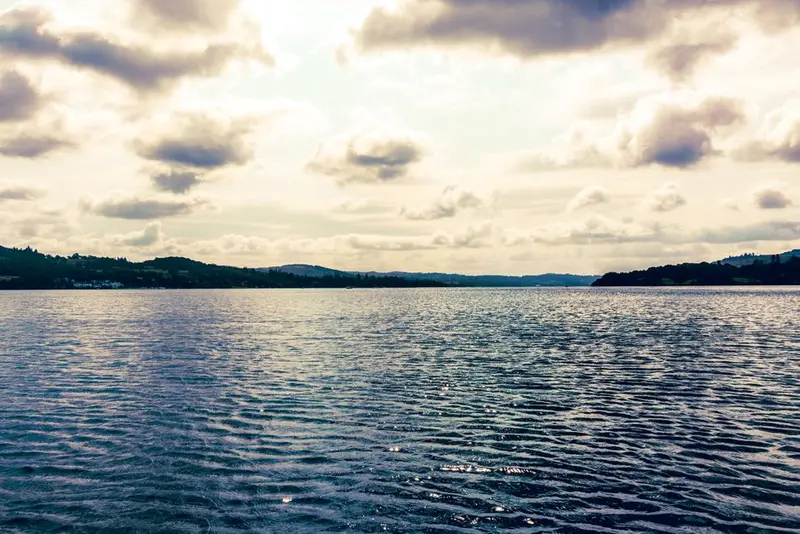
    Windermere and Bowness-on-Windermere are the vibrant centres on England's largest lake, Lake Windermere, in the heart of the Lake District National Park. While Windermere is a charming town situated above the lake and offers access to the railway station, Bowness-on-Windermere is located directly on the shore and is the starting point for many water activities. Here you can board historic steamboats or rent modern boats to explore the picturesque lake landscape. A highlight is the World of Beatrix Potter Attraction in Bowness, dedicated to the life and work of the famous children's author who was closely associated with the region. The area offers numerous hiking trails with panoramic views and showcases the typical Victorian holiday architecture that defines the region's charm. For a relaxed exploration, a visit outside the summer high season, for example in spring or autumn, is recommended to better enjoy the tranquility of the landscape. An insider tip is a walk to Orrest Head from Windermere, which offers a breathtaking first view over the lake and the surrounding mountains.

    Sights in Lake District National Park

    Discover the most important sights and attractions

    Easedale Tarn

    Easedale Tarn

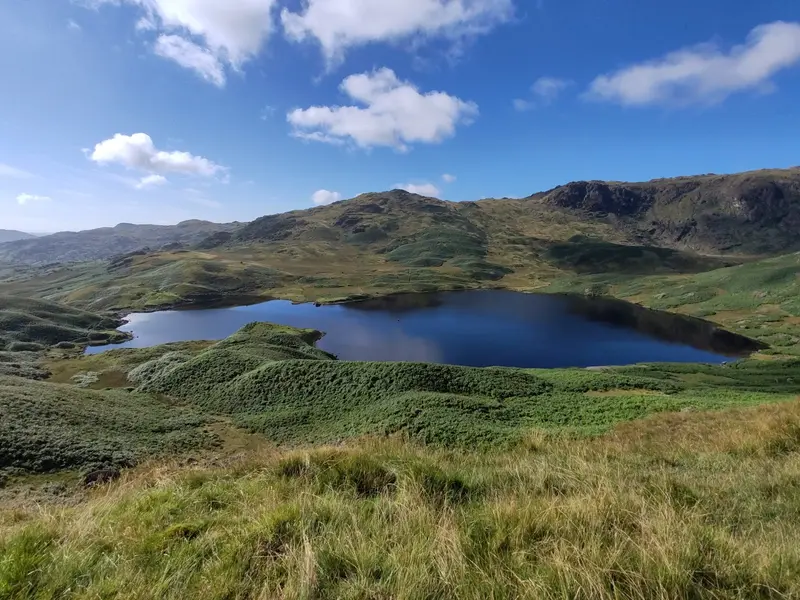
    Easedale Tarn is a picturesque mountain lake in the heart of the Lake District National Park. You'll find it above the village of Grasmere, nestled in an impressive rocky landscape. The ascent to the tarn is a popular hike, taking you through typical Cumbrian landscapes. Once at the top, a wide view unfolds over the lake's tranquil waters and the surrounding fells. The area is known for its untouched nature and offers an atmosphere of seclusion. Here you can enjoy the tranquility of the mountains and let the expansive landscape captivate you. The tarn itself is a classic example of the many small lakes that shape the unique topography of the Lake District. It invites you to linger and observe the local flora and fauna.
    Open in Google Maps
    Colwith Force

    Colwith Force

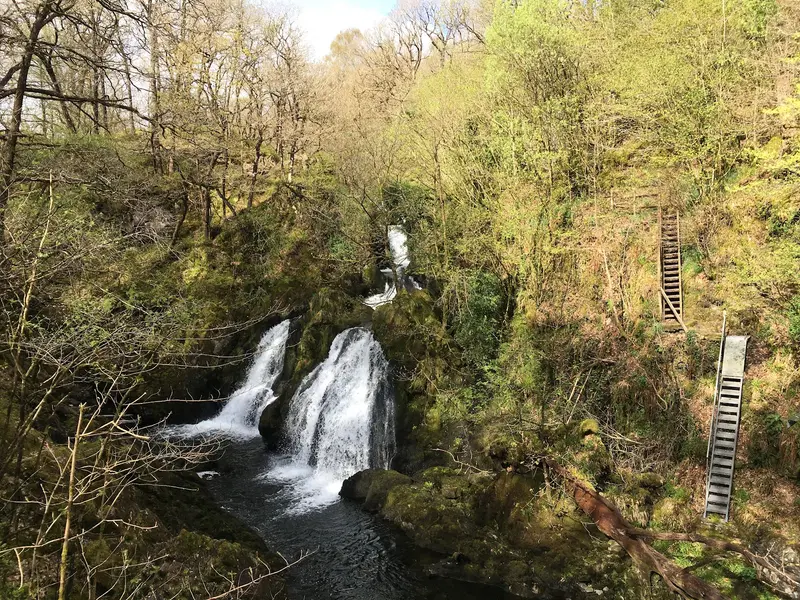
    The Colwith Force is a remarkable waterfall in the heart of the Lake District National Park in Great Britain. You'll find this natural attraction where the River Brathay plunges down a series of cascades. The waterfall is nestled within a dense forest landscape, offering a picturesque backdrop throughout the year.Visitors can expect a nature-focused experience here. Access is typically via hiking trails that lead through the wooded terrain and can occasionally be uneven. The different levels of Colwith Force offer varying perspectives on the rushing water and surrounding vegetation. Although no specific historical construction exists, Colwith Force is an integral part of the Lake District's scenic attractions, drawing nature lovers and hikers for generations who appreciate the tranquility and power of the water.
    Open in Google Maps
    The Grasmere Gingerbread Shop

    The Grasmere Gingerbread Shop

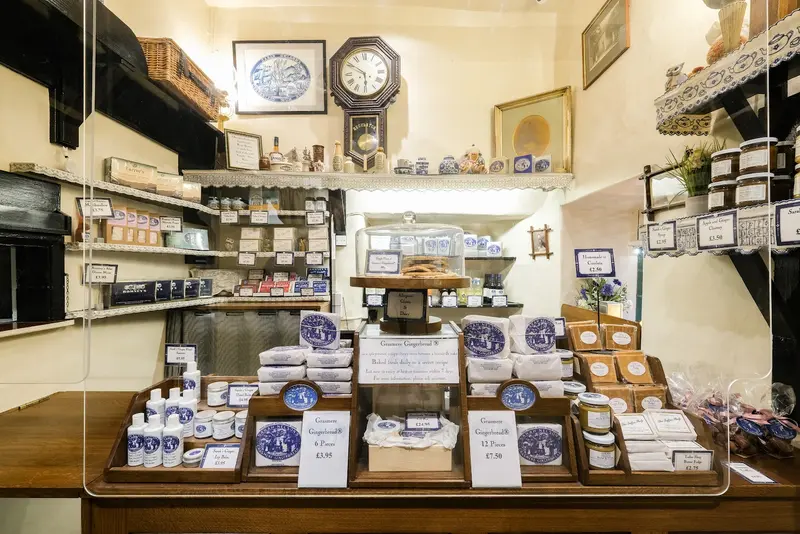
    You'll find the Grasmere Gingerbread Shop in a historic building in Grasmere, which once housed the village school. Here, in the heart of the Lake District, a unique gingerbread recipe was developed in 1854 by Sarah Nelson. Her Grasmere Gingerbread is known for its special texture, somewhere between a biscuit and a cake, offering a distinctive flavour. The small shop preserves the charm of bygone eras and offers you the chance to taste and purchase this traditional specialty right here. It is an integral part of local culture, attracting visitors who wish to experience an authentic piece of the Lake District's culinary heritage. Here, you can enjoy a delicacy that has been cherished for generations.
    Open in Google Maps
    Rydal Cave

    Rydal Cave

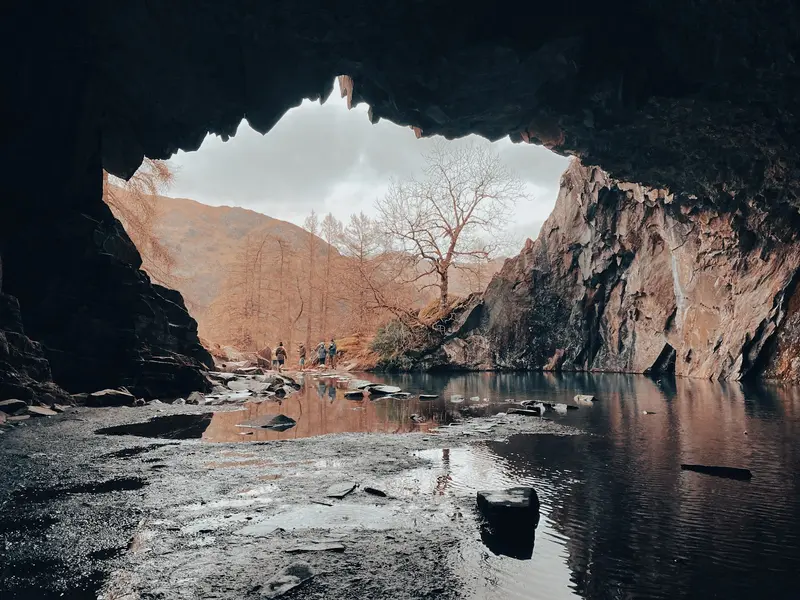
    The Rydal Cave is not a natural cave, but an impressive testament to the former slate industry in the Lake District. You'll find it above Rydal Water, nestled into the picturesque landscape. Originally, this site served as a quarry, from which slate was extracted over many years. Today, the cave is a popular destination for hikers exploring the surroundings.Upon entering the cave, a cool, damp atmosphere awaits you. Often, water collects inside, which you can cross using stepping stones to venture deeper into the cavity. Rydal Cave offers a fascinating insight into local history and a unique backdrop for a break on your hike through this part of the National Park.
    Open in Google Maps

    Restaurants in Lake District National Park

    Food & Drink in the Lake District

    Cumbria's cuisine is geared towards sheep farming and long winters: cured meats, oat products, and long-lasting sweets.

    Cumberland Sausage

    A coarsely chopped pork sausage with pepper, not portioned but rolled into a spiral. It can be over half a meter long. Since 2011, its traditional production in Cumbria is protected; the meat content must be at least 80%.

    Grasmere Gingerbread

    Sarah Nelson developed the recipe in 1854 in Grasmere. The result, somewhere between biscuit and cake, is crumbly and tastes strongly of ginger. It is sold to this day in the former village school next to the church; the recipe is in a bank safe.

    Kendal Mint Cake

    Not a cake, but a hard tablet of sugar and peppermint oil, allegedly created from an overcooked mixture. As a compact energy source, it was carried on the first ascent of Everest in 1953 and has since been standard equipment for British mountaineers.

    Sticky Toffee Pudding

    A date cake with caramel sauce, whose origin the Sharrow Bay Hotel on Ullswater claims from the 1970s. The Cartmel Village Shop, south of the park, now mass-produces it and supplies supermarkets nationwide.

    Herdwick Lamb

    The Herdwick sheep, with their grey fleeces and white heads, shape the landscape. They are adapted to high altitudes and remain without fences on their ancestral slope, a behaviour called Hefting. Beatrix Potter bred them and bequeathed her farms to the National Trust.

    Historic and Cultural Heritage

    Die Kulturlandschaft des Lake District National Park ist tief verwurzelt in ihrer Geologie und den menschlichen Interaktionen über Jahrtausende. Die heutige Topografie wurde maßgeblich durch eiszeitliche Gletscher geformt, die tiefe Täler und die charakteristischen Seen hinterließen. Bereits die Römer hinterließen Spuren in Form von Straßen und Forts, während spätere skandinavische Siedler im 9. und 10. Jahrhundert durch ihre Ortsnamen und landwirtschaftlichen Praktiken die Region prägten.Eine entscheidende Epoche begann im 18. und 19. Jahrhundert mit der Romantik. Dichter wie William Wordsworth, Samuel Taylor Coleridge und Robert Southey, bekannt als die „Lake Poets“, ließen sich von der majestätischen Landschaft inspirieren und trugen maßgeblich zur Bewunderung und zum Schutz des Gebiets bei. Diese literarische Tradition wurde später von weiteren Künstlern wie Beatrix Potter und Arthur Ransome fortgesetzt, die ebenfalls ihre Werke in der Region ansiedelten.Architektonisch zeichnet sich der Lake District durch eine funktionale, auf lokale Materialien basierende Bauweise aus. Traditionelle Bauernhäuser und Scheunen bestehen typischerweise aus grauem Schiefergestein, das in den zahlreichen Steinbrüchen der Region abgebaut wurde, oft ergänzt durch weiße Putzfassaden. Ein allgegenwärtiges Merkmal der Landschaft sind die kunstvoll geschichteten Trockenmauern, die seit Jahrhunderten als Begrenzungen für Weiden dienen.Lokale Traditionen sind eng mit der Landwirtschaft und der rauen Natur verbunden. Die Schafzucht, insbesondere die der robusten Herdwick-Schafe, prägt bis heute das Leben vieler Gemeinden. Das „fell walking“, das Wandern in den Bergen, ist nicht nur eine beliebte Freizeitbeschäftigung, sondern ein integraler Bestandteil der lokalen Kultur und Identität. Die Anerkennung als UNESCO-Weltkulturerbe im Jahr 2017 würdigt die einzigartige Verbindung von Natur und menschlicher Gestaltung, die den Lake District so besonders macht.

    Exploring the Lake District

    Arriving by TrainThe West Coast Main Line serves the park at Oxenholme and Penrith. From Oxenholme, a branch line runs to Windermere, the only station actually inside the park. The Cumbrian Coast Line skirts the region to the west, connecting Ravenglass and Whitehaven.Buses and BoatsBus route 555 links Kendal, Windermere, Ambleside, Grasmere and Keswick, providing the main car-free connection. The 599 runs as an open-top double-decker in summer. Passenger boats sail on Windermere, Ullswater, Derwent Water, and Coniston Water, perfect for combining with hikes: outbound by boat, return on foot.Cars: Narrow and CrowdedThe Hardknott and Wrynose Pass roads feature gradients up to 30 percent and tight hairpin bends, making them unsuitable for motorhomes. Parking at popular trailheads is full by mid-morning on summer weekends; roadside parking is widely prohibited and enforced. Those who are flexible should start early or use bus and boat.

    Trips from the Lake District

    Hadrian's Wall

    North of the park, the Roman frontier fortification stretches from coast to coast. Its best-preserved sections are at Housesteads and Steel Rigg, where the wall runs along a basalt ridge. From Keswick, it's roughly a 90-minute drive.

    Yorkshire Dales

    East of the A65, a different limestone landscape emerges with dry stone walls, caves, and the Ribblehead Viaduct. The Settle-Carlisle railway is one of England's most beautiful, offering a car-free day trip.

    Ravenglass and Eskdale Railway

    A 38-centimeter narrow-gauge railway, operating since 1875, starts on the west coast and runs into Eskdale. Originally built for ore mining, it is now the easiest way to reach the remote valley without a car.

    Isle of Man

    From Heysham, south of the park, the ferry travels in a good three and a half hours to the island with its own parliament, its own language, and a steam railway. Too far for a day trip, it makes an unusual addition for two to three days.

    Accommodation

    Places to stay

    In and around Lake District National Park there are places to stay across different categories and price ranges – from simple to comfortable.

    Locations nearby

    These places are nearby — perfect for additional days or a day trip.

    Ambleside & Grasmere

    Ambleside & Grasmere

    Ambleside and Grasmere form the heart of the Lake District, combining natural beauty and rich cultural heritage.In Ambleside, discover the iconic Bridge House over Stock Ghyll and Waterhead Pier on Windermere, England's largest lake.The town is an ideal starting point for hikes into the Fells landscape.A few kilometers north lies Grasmere, inextricably linked with poet William Wordsworth, who lived and is buried here at Dove Cottage.Visit his home and museum, try Grasmere Gingerbread; ideal for hikes is late spring or early autumn.
    Windermere & Bowness-on-Windermere

    Windermere & Bowness-on-Windermere

    Windermere and Bowness-on-Windermere are the vibrant centres on England's largest lake, Lake Windermere, in the heart of the Lake District National Park. While Windermere is a charming town situated above the lake and offers access to the railway station, Bowness-on-Windermere is located directly on the shore and is the starting point for many water activities. Here you can board historic steamboats or rent modern boats to explore the picturesque lake landscape. A highlight is the World of Beatrix Potter Attraction in Bowness, dedicated to the life and work of the famous children's author who was closely associated with the region. The area offers numerous hiking trails with panoramic views and showcases the typical Victorian holiday architecture that defines the region's charm. For a relaxed exploration, a visit outside the summer high season, for example in spring or autumn, is recommended to better enjoy the tranquility of the landscape. An insider tip is a walk to Orrest Head from Windermere, which offers a breathtaking first view over the lake and the surrounding mountains.
    Wasdale & Scafell Pike

    Wasdale & Scafell Pike

    Experience the rugged beauty of the remote western valleys and the ascent to Scafell Pike, England's highest mountain.
    Ullswater

    Ullswater

    The park's second-largest lake offers a quieter atmosphere, spectacular mountain scenery, and the chance to cruise on historic steamboats.
    Keswick

    Keswick

    Keswick, a vibrant market town in the heart of the Lake District, is the ideal base from which to explore the dramatic landscape of Northwest England. Here you'll find a rich history, reflected in its Victorian architecture and the historic Moot Hall, the hub of the traditional weekly market. The town lies directly on the shore of the picturesque Derwentwater Lake, which is perfect for boat trips and lakeside strolls. For hikers, the nearby Catbells summit offers a moderate challenge with spectacular views over the lake and the surrounding fells. Culturally, it is shaped by the Theatre by the Lake and its literary connection to the Lake Poets, whose works were inspired by this unique natural beauty. Be sure to visit the prehistoric Castlerigg Stone Circle east of the town to gain insight into the region's long history of settlement. The best months for outdoor activities are May to September, with an early morning start ensuring you'll experience the most popular trails with greater tranquility.