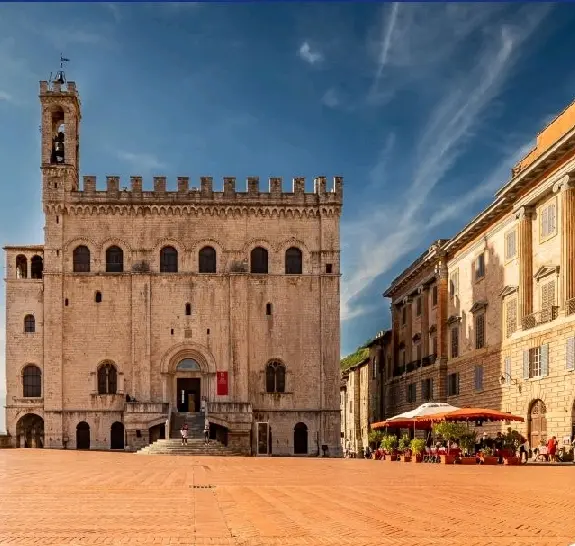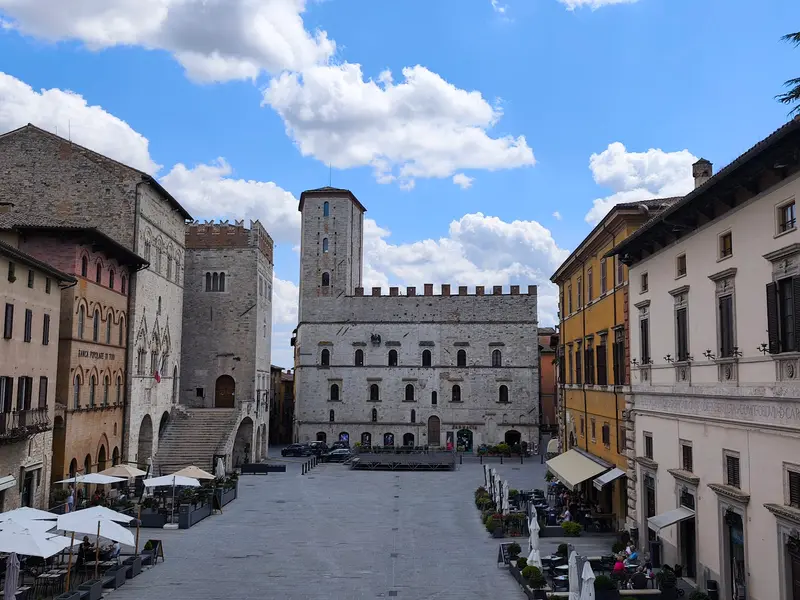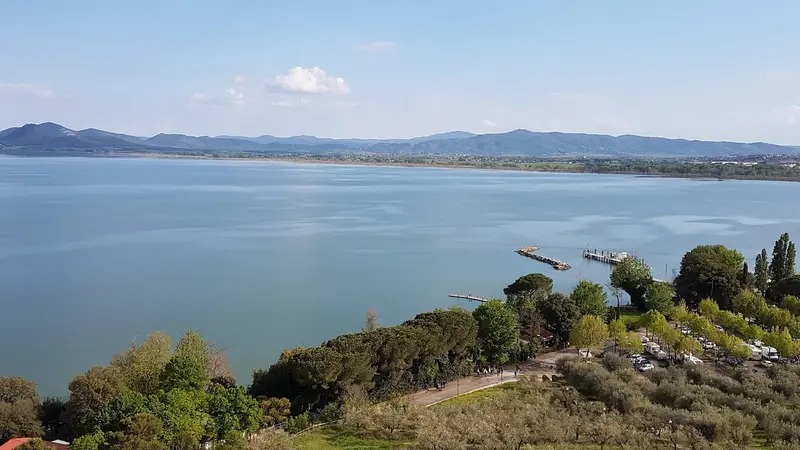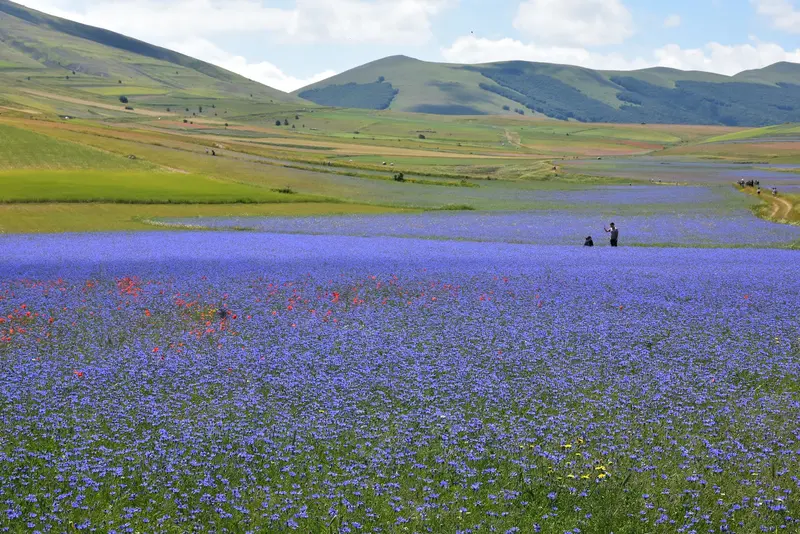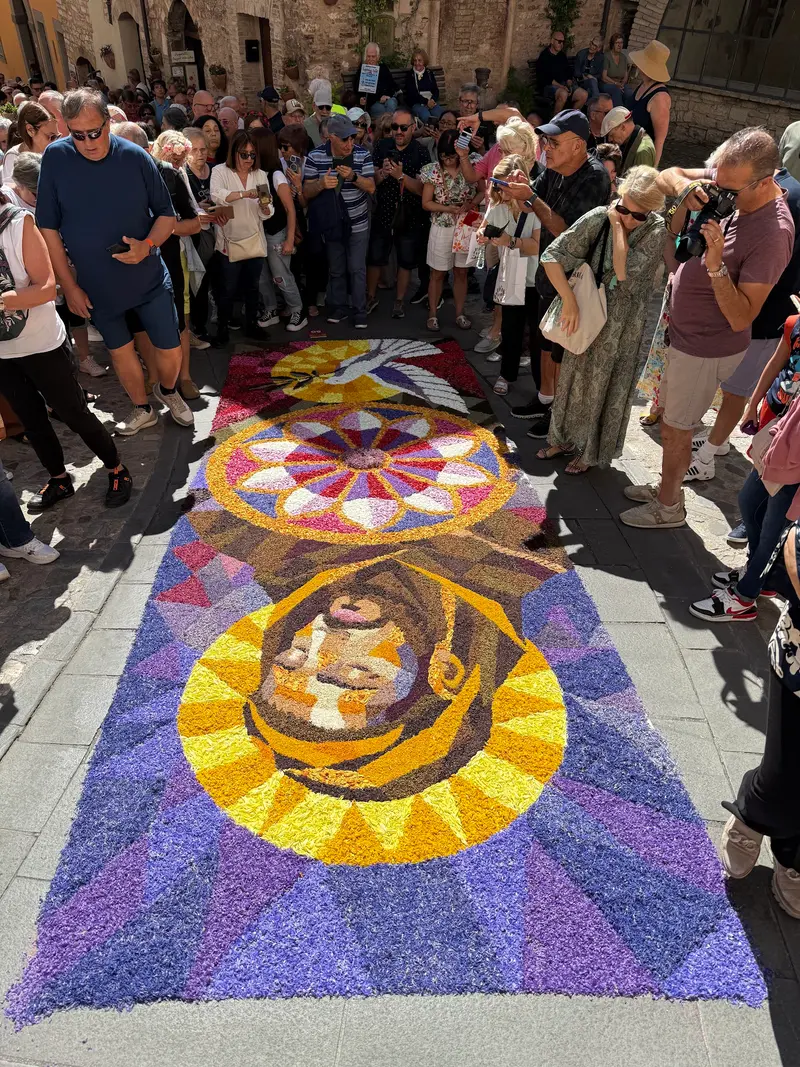
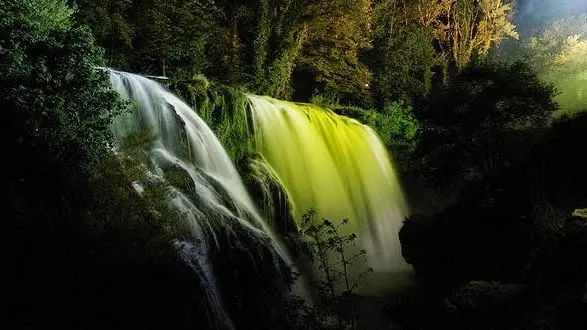
Umbria, the 'Green Heart of Italy', enchants with its gentle hills, medieval hill towns, and a rich art and culinary culture. Discover here the spiritual home of Saint Francis, ancient Etruscan roots, and authentic hospitality away from the major tourist crowds.
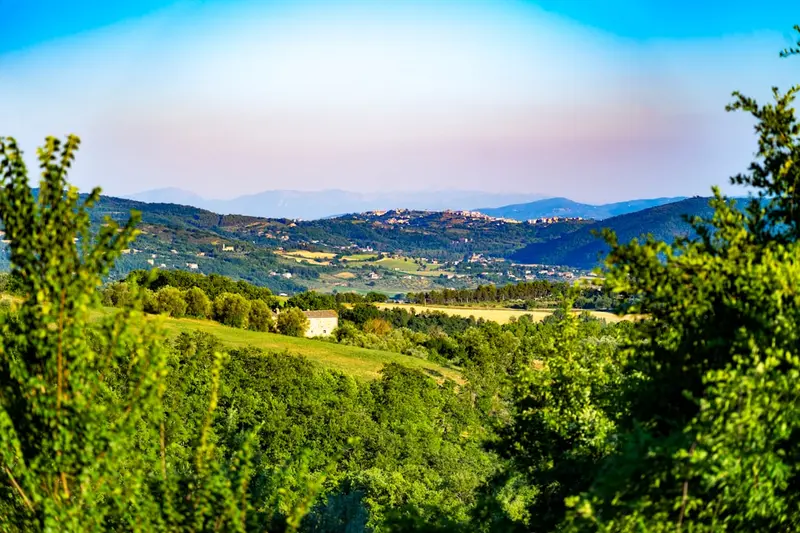
As the 'Green Heart of Italy', Umbria presents itself with a landscape of rolling hills, dense forests, and fertile valleys, offering a tranquil alternative to Tuscany. Here you'll discover a region that has preserved its medieval hill towns and authentic culture. Assisi draws you into its spiritual spell with the impressive Basilica of Saint Francis, while Perugia beckons as a vibrant regional capital with Etruscan roots and art treasures. Majestically perched on a tuff cliff, Orvieto impresses with its Gothic cathedral and underground passages. Umbrian cuisine, known for truffles, olive oil, and robust wines, is an integral part of the travel experience. For a relaxed exploration away from the main tourist crowds, spring or early autumn are ideal travel times.
Places in Umbria
Assisi
Assisi, a picturesque medieval town in Umbria, is inextricably linked to Saint Francis and emanates a deep spiritual tranquility. Its centerpiece is the impressive Basilica di San Francesco, a UNESCO World Heritage site, which captivates with frescoes by Giotto and Cimabue. You'll also discover the Rocca Maggiore, an imposing fortress with panoramic views, and the central Piazza del Comune with the Roman Temple of Minerva. The narrow, winding streets lead you to further Franciscan sites such as the Chiesa Nuova and the Basilica Santa Chiara, the tomb of Saint Clare. To experience the special atmosphere without larger crowds, a visit in the early morning hours or during the off-season is recommended. Wear comfortable shoes to easily explore the city's steep paths and cobblestone streets.
Orvieto
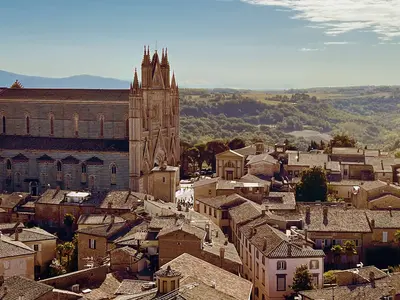
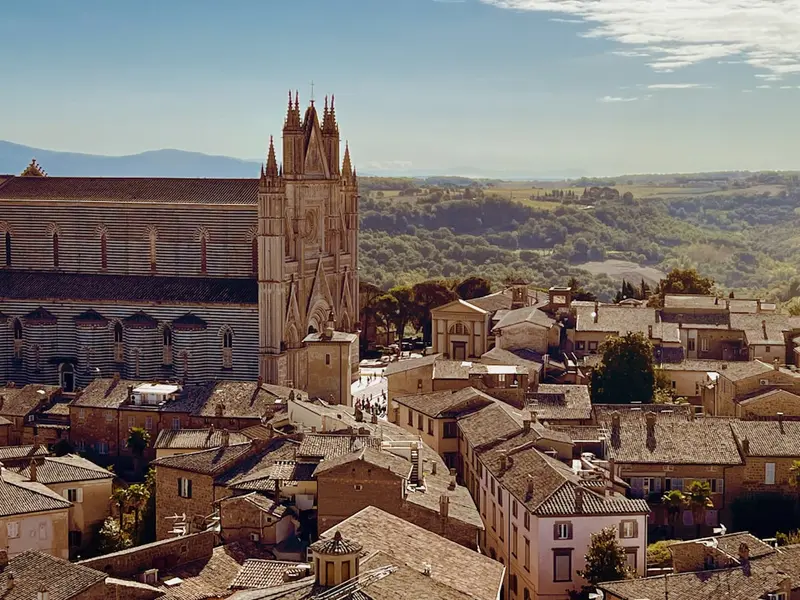
Orvieto sits majestically atop a tufa cliff in Umbria, offering a captivating blend of Etruscan history and medieval charm. The absolute highlight is the Orvieto Cathedral, a masterpiece of Gothic architecture with an impressive facade and frescoes by Luca Signorelli inside. Also explore the underground city, a labyrinth of caves and tunnels that reveals Orvieto's Etruscan and medieval roots. Another remarkable structure is the Pozzo di San Patrizio, a deep 16th-century well with a unique double-helix staircase. Wander through the narrow streets, discover small artisan shops, and savor local cuisine in traditional trattorias. For an authentic experience, a visit in the early morning or late afternoon is recommended, once the day-trippers have departed. From the city walls, you can also enjoy expansive views over the surrounding Umbrian landscape.
Perugia
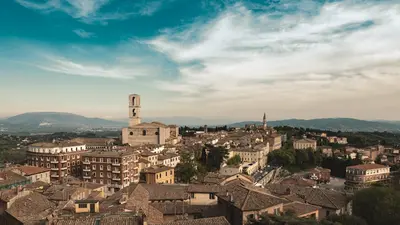
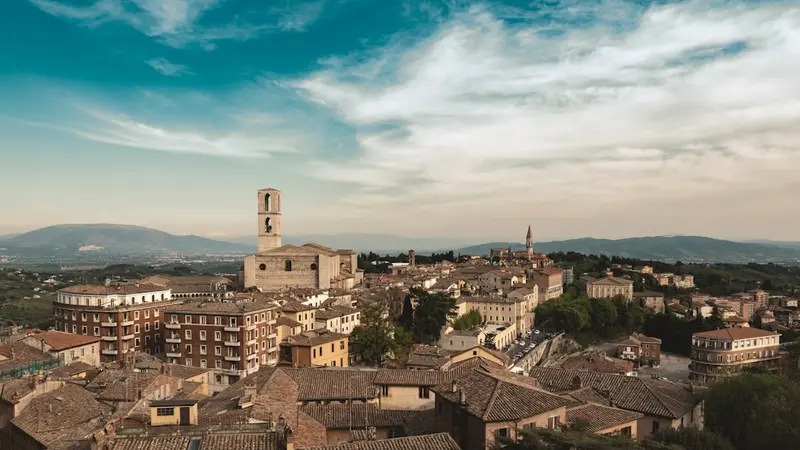
As the vibrant capital of Umbria, Perugia offers a fascinating combination of its Etruscan roots, medieval architecture, artistic treasures, and a pulsating modern life.
Spoleto
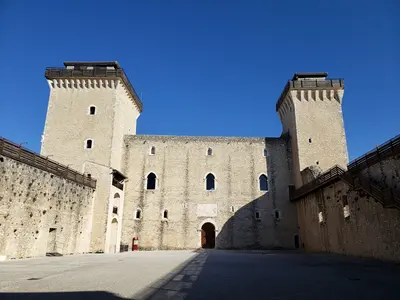
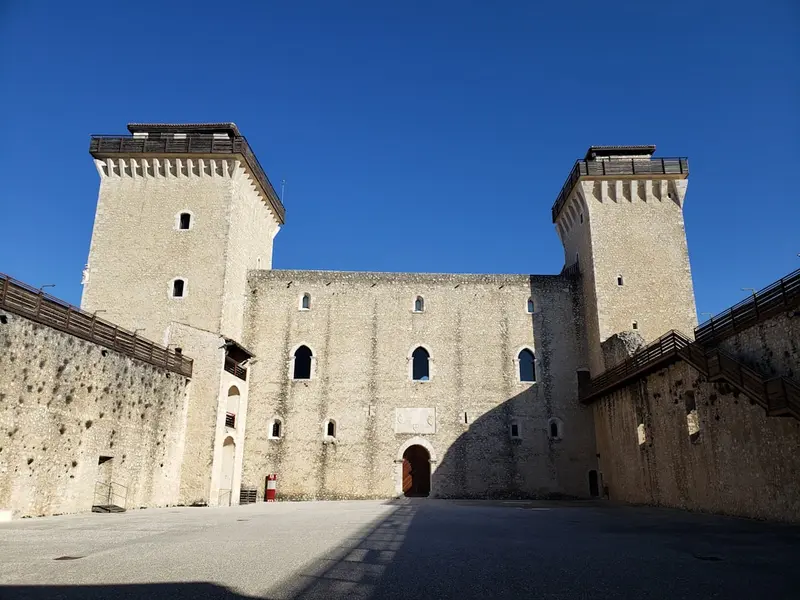
Spoleto is a historic city in Umbria that will impress you with its medieval architecture and Roman roots. Here you will discover the imposing Duomo di Santa Maria Assunta, known for Filippo Lippi's frescoes, as well as the well-preserved Roman Theatre. A prominent landmark is the Ponte delle Torri, a spectacular medieval bridge that once served as an aqueduct. Above the city sits the Rocca Albornoziana, a fortress offering panoramic views over the surrounding Spoleto Valley. The narrow streets of the old town invite you to stroll and reveal hidden squares and traditional shops. For a relaxed exploration, a visit in spring or autumn is recommended to experience the city's full beauty without the summer tourist crowds.
Sights in Umbria
Discover the most important sights and attractions
San Michele Arcangelo
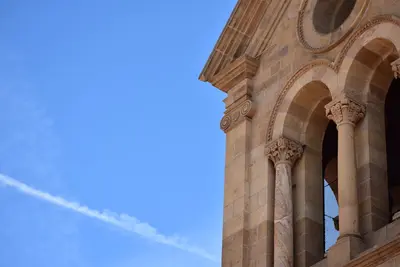
Jahrhundertealte katholische Rundkirche mit einer Kuppel und einem Innenraum mit kunstvollen Säulen.
These places are nearby — perfect for additional days or a day trip.
Perugia
As the vibrant capital of Umbria, Perugia offers a fascinating combination of its Etruscan roots, medieval architecture, artistic treasures, and a pulsating modern life.
Assisi
Assisi, a picturesque medieval town in Umbria, is inextricably linked to Saint Francis and emanates a deep spiritual tranquility. Its centerpiece is the impressive Basilica di San Francesco, a UNESCO World Heritage site, which captivates with frescoes by Giotto and Cimabue. You'll also discover the Rocca Maggiore, an imposing fortress with panoramic views, and the central Piazza del Comune with the Roman Temple of Minerva. The narrow, winding streets lead you to further Franciscan sites such as the Chiesa Nuova and the Basilica Santa Chiara, the tomb of Saint Clare. To experience the special atmosphere without larger crowds, a visit in the early morning hours or during the off-season is recommended. Wear comfortable shoes to easily explore the city's steep paths and cobblestone streets.
Orvieto
Orvieto sits majestically atop a tufa cliff in Umbria, offering a captivating blend of Etruscan history and medieval charm. The absolute highlight is the Orvieto Cathedral, a masterpiece of Gothic architecture with an impressive facade and frescoes by Luca Signorelli inside. Also explore the underground city, a labyrinth of caves and tunnels that reveals Orvieto's Etruscan and medieval roots. Another remarkable structure is the Pozzo di San Patrizio, a deep 16th-century well with a unique double-helix staircase. Wander through the narrow streets, discover small artisan shops, and savor local cuisine in traditional trattorias. For an authentic experience, a visit in the early morning or late afternoon is recommended, once the day-trippers have departed. From the city walls, you can also enjoy expansive views over the surrounding Umbrian landscape.
Montepulciano
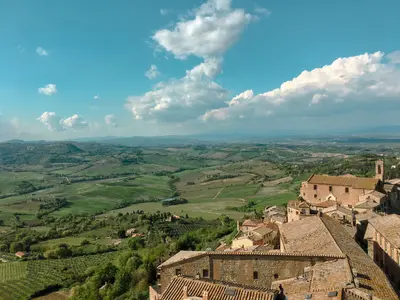
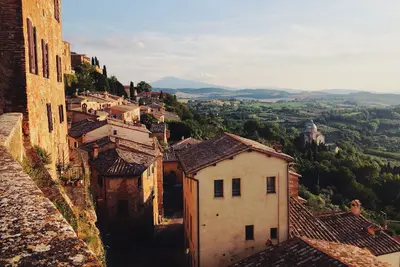
Perched high atop a hill, Montepulciano welcomes you with a breathtaking panorama of the rolling Tuscan hills. This city is not only a masterpiece of Renaissance architecture with its elegant palaces and winding alleyways, but also the heart of the world-famous Vino Nobile di Montepulciano, which you absolutely must taste here.
Spoleto
Spoleto is a historic city in Umbria that will impress you with its medieval architecture and Roman roots. Here you will discover the imposing Duomo di Santa Maria Assunta, known for Filippo Lippi's frescoes, as well as the well-preserved Roman Theatre. A prominent landmark is the Ponte delle Torri, a spectacular medieval bridge that once served as an aqueduct. Above the city sits the Rocca Albornoziana, a fortress offering panoramic views over the surrounding Spoleto Valley. The narrow streets of the old town invite you to stroll and reveal hidden squares and traditional shops. For a relaxed exploration, a visit in spring or autumn is recommended to experience the city's full beauty without the summer tourist crowds.