Fernweh
    ExploreTravel GuidesMy Trips
    de|en
    About FernwehImprintFAQPrivacy Policy
    ExploreTravel GuidesMy Trips
    Bairro Alto

    Bairro Alto

    City
    1. Home
    2. Destinations
    3. Portugal
    4. Lisbon Metropolitan Region (Área Metropolitana de Lisboa)
    5. Bairro Alto
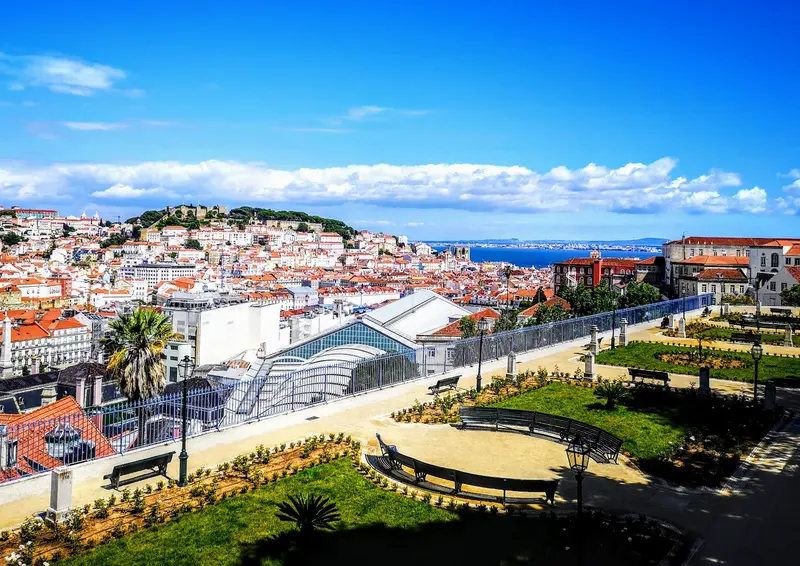
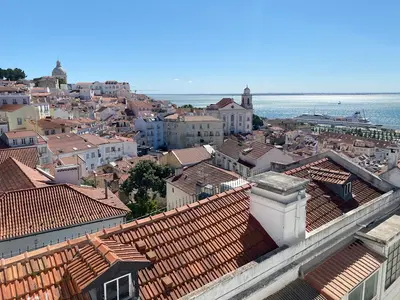
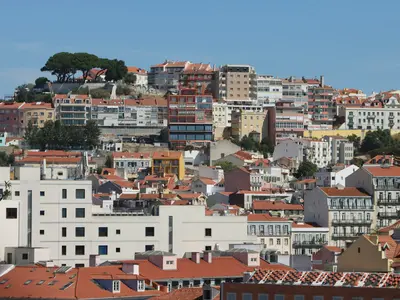
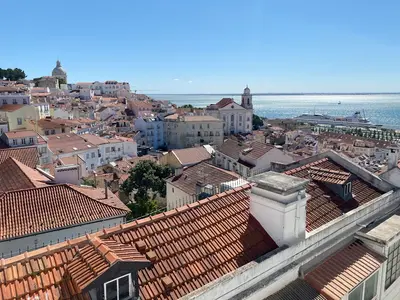
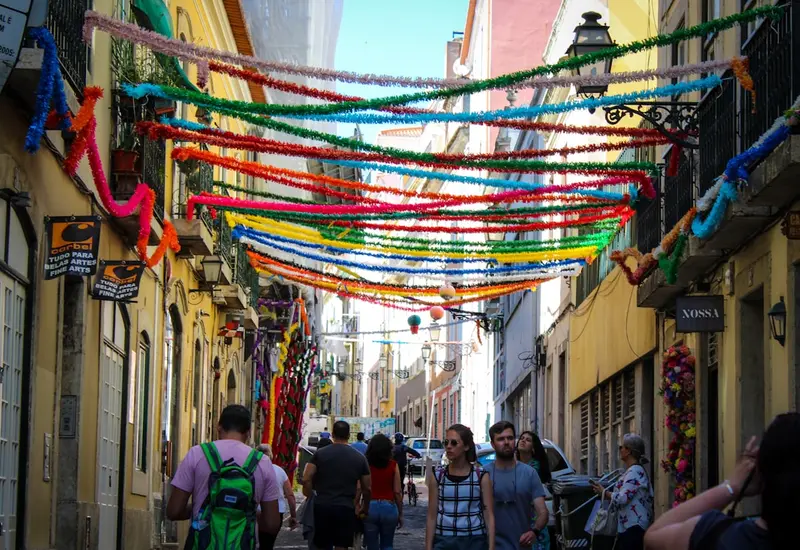
    In the heart of Lisbon, Bairro Alto presents itself as a district with two faces. By day, you'll find a quieter, almost sleepy atmosphere here, with traditional shops and artisan crafts. By evening, however, the narrow streets transform into a vibrant hub of nightlife, lined with countless bars, restaurants, and Fado venues. Particularly recommended is a visit to the Miradouro de São Pedro de Alcântara, which offers panoramic views over the city, stretching to the Castelo de São Jorge. For an authentic cultural experience, seek out one of the traditional Fado houses, where melancholic melodies tell Portugal's story. Plan your visit ideally in the late afternoon to witness the transition from tranquil daytime activity to the vibrant evening. Exploring on foot is ideal, but be prepared for steep ascents and cobblestone streets.
    • Neighborhoods & highlights
    • Walking tours
    • Eat & drink
    • Culture
    • Getting around
    • Accommodation
    • Plan trip
    • Nearby
    • Neighborhoods & highlights
    • Walking tours
    • Eat & drink
    • Culture
    • Getting around
    • Accommodation
    • Plan trip
    • Nearby

    Overview

    Bairro Alto in Lisbon, a historic 16th-century district, transforms from a quiet residential area by day into the lively hub of the city's nightlife. Here, narrow, cobbled streets and traditional houses define the scene, while in the evenings, numerous bars, restaurants, and authentic Fado houses fill up. You'll experience Lisbon's pulsating energy here, where music and conversations fill the air until the early hours. A visit after 9 PM reveals the district's true essence, as residents and visitors enliven the streets. Particularly recommended is enjoying a traditional Fado performance in one of the small venues, often accompanied by regional dishes. Wear comfortable footwear to effortlessly explore the steep and uneven cobblestone streets. For panoramic city views before your evening begins, the adjacent Miradouro de São Pedro de Alcântara is ideal.

    Places in Bairro Alto

    Discover the most important sights and attractions

    Sights in Bairro Alto

    Arco da Rua Augusta

    The Arco da Rua Augusta is an imposing triumphal arch that marks the transition from Praça do Comércio to Rua Augusta. Its construction after the devastating earthquake of 1755 symbolizes the reconstruction of Lisbon and the triumph over destruction. Construction work spanned over a century, with completion only in 1875. You will see allegorical statues of Glory, Genius, and Valour enthroned at the summit, as well as busts of significant figures in Portuguese history like Vasco da Gama and Marquês de Pombal. The Latin inscription "VIRTVTIBUS MAIORVM" (To the Virtues of the Ancestors) underscores its significance. From the arch's viewing platform, you can enjoy panoramic views over the Baixa Pombalina, the Tejo, and Praça do Comércio. Access is convenient via an elevator and a short staircase. Our tip: To avoid crowds and get the best light for photos, we recommend visiting in the early morning or late afternoon. The view of the Tejo and the adjacent buildings is particularly stunning at sunset. For an unobstructed view of the arch itself, position yourself on Praça do Comércio.
    Open in Google Maps

    Cristo Rei

    The Cristo Rei, an imposing Christ statue, stands on a high pedestal on the south bank of the Tejo in Almada, directly opposite Lisbon. Inspired by Rio de Janeiro's Corcovado, this monumental landmark was erected as thanks for Portugal's being spared during World War II and inaugurated in 1959. To this day, it symbolizes peace and faith for many Portuguese.When you visit the complex, you'll find not only the impressive statue with its widely open arms, but also a small chapel at the foot of the pedestal. The main highlight, however, is the observation deck on the pedestal. From here, you can enjoy a 360-degree panoramic view over Lisbon, the Ponte 25 de Abril and the vast Tejo estuary – especially stunning at sunset.Our Tip: To avoid the crowds and get the best light for photos, we recommend visiting in the early morning or late afternoon. The easiest way to get there is by ferry from Cais do Sodré to Cacilhas, followed by a short bus ride or a taxi directly to the monument.
    Open in Google Maps

    Igreja de São Roque

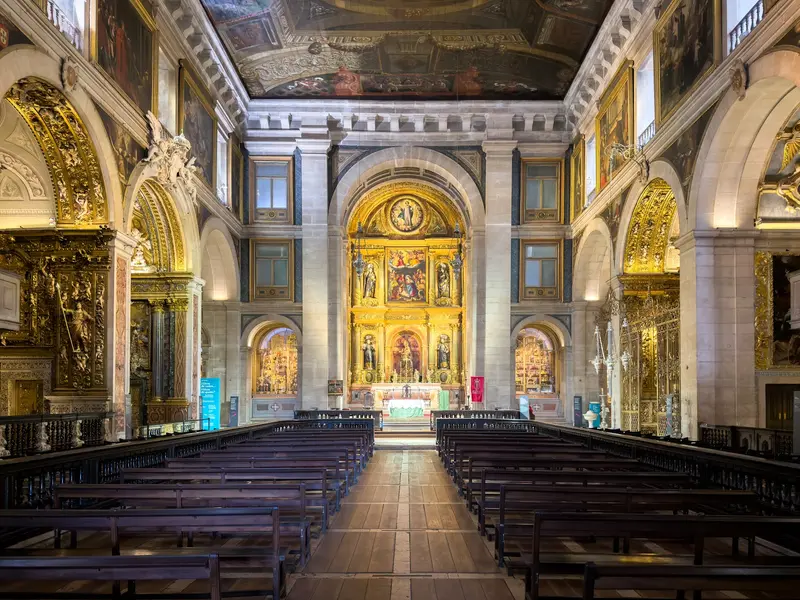
    Located in the heart of Bairro Alto, the Igreja de São Roque was Portugal's first Jesuit church and one of the first worldwide. Its modest, plain 16th-century facade gives little hint of the splendor hidden within. You step into a space rich in Baroque and Rococo art, characterized by opulent gilded wood carvings, colorful marble, elaborate azulejos, and impressive paintings.The absolute highlight is the Capela de São João Baptista. This chapel was crafted in the 18th century in Rome from the noblest materials such as lapis lazuli, amethyst, and alabaster, then shipped in pieces to Lisbon and reassembled here. It is considered one of the most expensive artworks of its time and is an outstanding example of Roman Baroque art.Our Tip: Ideally, visit the church in the morning to best utilize the natural light for viewing the details and to avoid the largest crowds. Also take time for the adjacent Museum of Sacred Art, which illuminates the history of the Jesuits in Portugal and houses other valuable exhibits.
    Open in Google Maps

    Castelo de São Jorge

    The Castelo de São Jorge majestically crowns Lisbon's highest hill, offering you a deep insight into Portugal's rich history. Originally a Roman fortress, it was later expanded by the Moors and, after the Reconquista, served as a royal residence for Portuguese kings. You can explore the well-preserved castle walls, climb the eleven towers, and stroll through the extensive gardens, which are often inhabited by peacocks. From the battlements, you can enjoy an incomparable panoramic view over Alfama, the Tagus River, and the entire city. Inside the castle complex, you'll also find an archaeological site, revealing remains from various eras and illustrating the fortress's development. Our Tip: Visit the Castelo early in the morning or late in the afternoon to avoid the biggest crowds and take advantage of the soft light for stunning photos. A walk along the walls at sunset is especially recommended.
    Open in Google Maps

    Brücke des 25. April

    The 25 de Abril Bridge in Lisbon is a striking structure that spans the Tagus River and connects the city with Almada. Originally inaugurated in 1966 as Ponte Salazar, it received its current name after the Carnation Revolution of 1974. Its impressive red steel construction strongly resembles the Golden Gate Bridge in San Francisco, often earning it the nickname "Lisbon's Golden Gate." It is a vital traffic artery with two levels for road and rail transport.From various viewpoints along the Tagus, such as in Belém or Cais do Sodré, you'll get an excellent view of the bridge and the Cristo Rei statue beyond. A practical tip: For a unique perspective, visit the Pilar 7 Bridge Experience. There, you can ride a glass elevator up to the road level and experience the structure up close. The best photos of the bridge are taken in the late afternoon, when the sun is low and bathes the red steelwork in warm light.
    Open in Google Maps

    City walks in Bairro Alto

    Curated walking tours through the city's highlights — handpicked by experienced travel journalists.

    Fado, Gassen & grandiose Aussichten: Ein Spaziergang durch Bairro Alto

    Entdecken Sie den einzigartigen Charme des Bairro Alto bei einem entspannten Spaziergang. Tauchen Sie ein in labyrinthartige Gassen, wo der Geist des Fado in der Luft liegt, und genießen Sie atemberaubende Panoramablicke über die Dächer Lissabons und den Tejo.

    ~2 Std. 27 Min.
    In Google Maps öffnen
    Stopps (7)

    Food & Drinks

    Bairro Alto: History and Cultural Heritage

    The Bairro Alto, one of Lisbon's most traditional neighborhoods, originated in the late 16th century with a characteristic orthogonal street grid. Originally a residential area for nobles, it developed over the centuries into a vibrant city center. Its historical substance and cultural distinctiveness continue to shape Lisbon's cityscape and heritage to this day.

    Exploring locally

    Bairro Alto, known for its steep streets and charming cobblestones, is perfect for exploring on foot – comfortable footwear is essential. For longer distances and to navigate the elevation changes, Lisbon offers an excellent public transport network. The fast Metro, the extensive bus lines, and the iconic trams (like Line 28, which runs along the edge of the district) are the main modes of transport. The Viva Viagem card is your best friend here: it's rechargeable and valid for the Metro, buses, trams, ferries, and the convenient funiculars and lifts like the Elevador da Glória. The latter are not just means of transport, but also attractions that conveniently connect Bairro Alto with other districts. For quick or late-night journeys, taxis and ride-sharing services like Uber and Bolt are always available. Although bicycles and e-scooters are challenging due to the topography, they offer an alternative for the adventurous. An important tip: Plan your routes and utilize the variety of transport options to best experience this unique district. The combination of walking and smart use of public transport is key to discovering Bairro Alto.

    Accommodations in Bairro Alto

    Accommodations in Bairro Alto

    Find perfect stay in Bairro Alto

    Booking.com
    Search Hotels
    Agoda
    Search Hotels
    Airbnb
    Vacation Rentals
    Hotels.com
    Hotels Worldwide
    Hostelworld
    Hostels

    Campgrounds in Bairro Alto

    Find perfect campground in Bairro Alto

    Search via Google Maps
    Campgrounds nearby (15km)
    Camping.info
    Find Campgrounds
    Park4Night
    RV Parks & Camping

    Plan your trip to Bairro Alto

    Save places, build a route and plan your city trip — all in one place.

    Save places

    Bookmark sights, restaurants and neighborhoods you're interested in.

    Build your route

    Turn your bookmarks into a route — define order, days and budget.

    Refine with AI

    Let Mein Fernweh suggest experiences and put together a tailored daily plan.

    Start trip planningOpen bookmarks

    Locations nearby

    These places are nearby — perfect for additional days or a day trip.

    Baixa Pombalina

    Baixa Pombalina

    Lisbon's Baixa Pombalina forms the city's historic heart, shaped by its reconstruction after the 1755 earthquake. Its grid-like street plan was designed under Marquês de Pombal and is considered an early example of anti-seismic urban planning. Key points are the expansive Praça do Comércio on the Tagus riverfront and the lively Rossio Square, lined with traditional shops and cafés. Notable landmarks like the Arco da Rua Augusta and the Elevador de Santa Justa offer impressive city views. For authentic shopping experiences, it's best to explore the smaller side streets away from the main thoroughfares. A visit in the morning or late afternoon avoids the largest crowds and offers more pleasant light for the architecture.
    Lisbon

    Lisbon

    Welcome to Lisbon, the enchanting capital of Portugal! Allow yourself to be captivated by the melancholic beauty of its seven hills, the dazzling light over the Tagus, and the nostalgic sound of Fado. This city is a vibrant mosaic of centuries-old history, lively culture, and an unbridled zest for life that will instantly cast its spell on you.
    Lisbon Metropolitan Region (Área Metropolitana de Lisboa)

    Lisbon Metropolitan Region (Área Metropolitana de Lisboa)

    The **Lisbon Metropolitan Area** welcomes visitors with a fascinating mix of historical charm and modern flair, nestled in a breathtaking coastal landscape. From the labyrinthine alleys of the old town to the magnificent UNESCO World Heritage sites and golden beaches, this region offers unforgettable experiences for every traveler.
    Alfama

    Alfama

    Alfama, Lisbon's oldest district, captivates with its labyrinthine maze of alleys, dating back to Moorish times. Here you can explore the Sé de Lisboa Cathedral and enjoy expansive views over the city and the Tagus River from São Jorge Castle. The narrow streets reveal traditional craft shops and authentic Fado taverns, where melancholic melodies resonate in the evenings. Particularly noteworthy are viewpoints like the Miradouro das Portas do Sol and the Miradouro de Santa Luzia, offering picturesque panoramas. This district largely survived the 1755 earthquake unscathed and retains its original character. Wear comfortable shoes for the steep, cobblestone paths. Mornings or late afternoons are ideal for experiencing the unique atmosphere without the largest crowds.
    Belém

    Belém

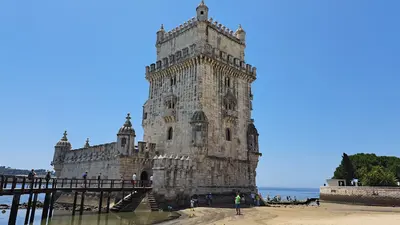
    Belém, a historic district of Lisbon, is inextricably linked with Portugal's Age of Discoveries. Here you'll find architectural masterpieces that commemorate the great seafarers. The Torre de Belém and the imposing Mosteiro dos Jerónimos, both UNESCO World Heritage Sites, bear witness to the country's maritime power. Directly on the banks of the Tejo stands the Padrão dos Descobrimentos, a monument to explorers like Vasco da Gama. A visit to the historic bakery for the original Pastéis de Belém is a must. To avoid the biggest crowds, an early morning visit to the main attractions is recommended.