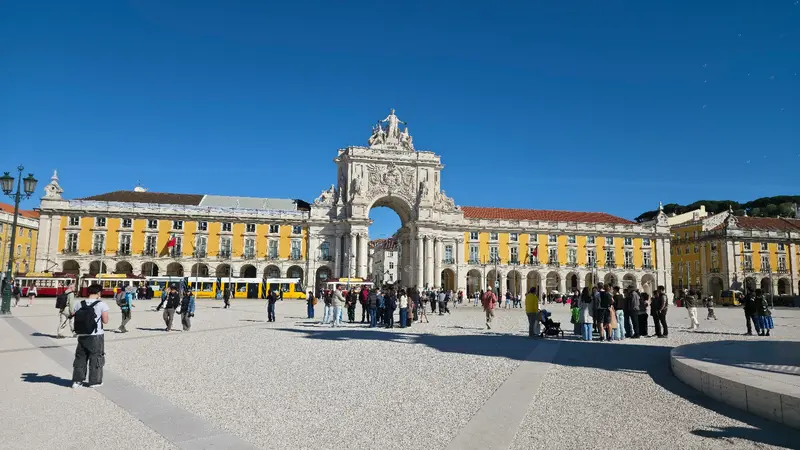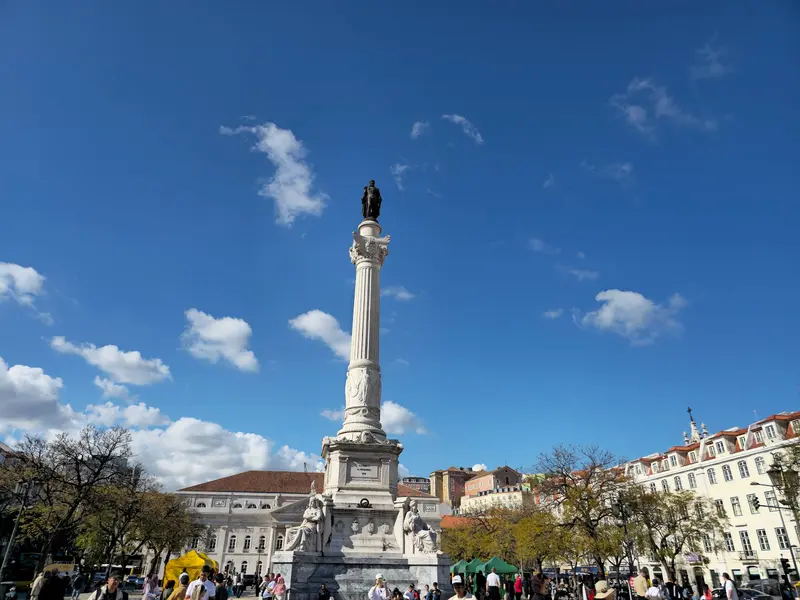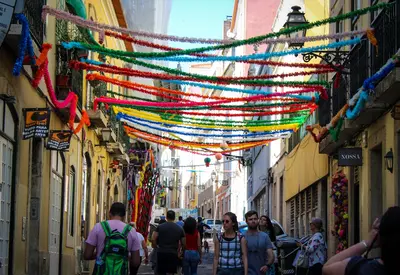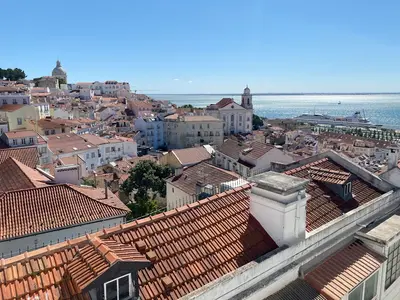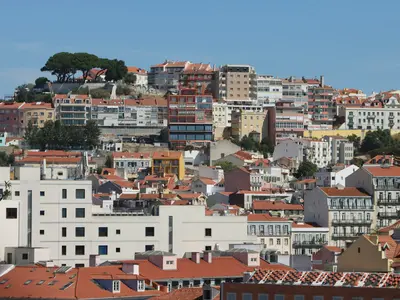
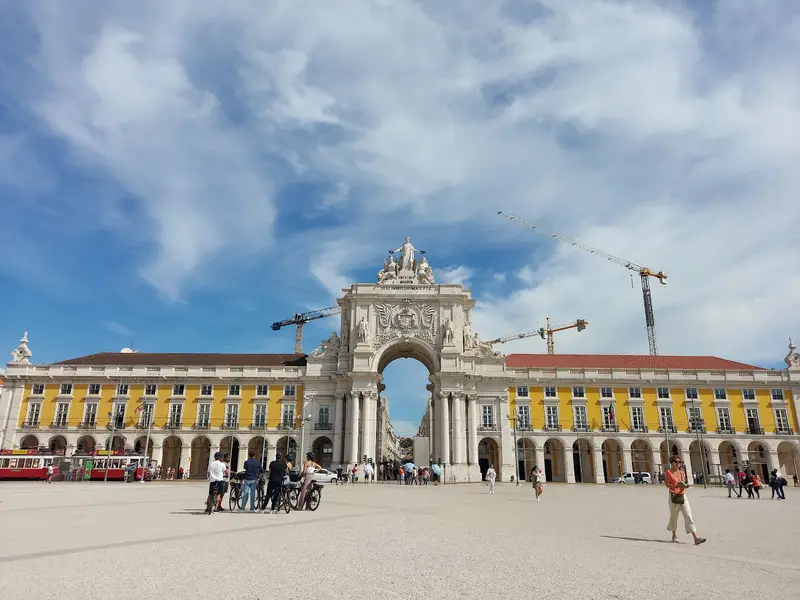
Lisbon's Baixa Pombalina forms the city's historic heart, shaped by its reconstruction after the 1755 earthquake. Its grid-like street plan was designed under Marquês de Pombal and is considered an early example of anti-seismic urban planning. Key points are the expansive Praça do Comércio on the Tagus riverfront and the lively Rossio Square, lined with traditional shops and cafés. Notable landmarks like the Arco da Rua Augusta and the Elevador de Santa Justa offer impressive city views. For authentic shopping experiences, it's best to explore the smaller side streets away from the main thoroughfares. A visit in the morning or late afternoon avoids the largest crowds and offers more pleasant light for the architecture.
Lisbon's Baixa Pombalina stands as a testament to the city's rebirth following the devastating 1755 earthquake, largely shaped by Marquês de Pombal. Here you'll find a unique, grid-patterned street network with wide avenues and uniform, earthquake-resistant buildings, considered pioneering urban planning at the time. At the heart of the district lies the majestic Praça do Comércio, opening onto the Tagus River, as well as the lively Rossio and Praça da Figueira, historic city meeting points. Stroll along the pedestrianized Rua Augusta, which leads to the impressive Triumphal Arch, and discover traditional shops, cafés, and restaurants. The coherent Pombaline architecture lends the entire area an elegant and functional appearance. To best experience the atmosphere, explore the Baixa on foot and visit Praça do Comércio in the early morning before the main crowds arrive.
Places in Baixa Pombalina
Discover the most important sights and attractions
Sights in Baixa Pombalina
Arco da Rua Augusta
The Arco da Rua Augusta is an impressive triumphal arch that marks the entrance to Praça do Comércio from Rua Augusta. Its construction symbolizes Lisbon's reconstruction after the devastating earthquake of 1755 and stands as a monument to the city's resilience. Originally conceived as a bell tower, its design was later changed to a magnificent arch, whose construction took over a century and was only completed in 1875.On the arch, you'll find sculptures of significant Portuguese figures, including Vasco da Gama and Marquês de Pombal, as well as allegorical figures representing Glory and Genius. A special highlight is the viewing platform at the top. From there, you can enjoy 360-degree views over Baixa Pombalina, the Tejo, and São Jorge Castle. Our tip: Visit the arch in the early morning or late afternoon to avoid the crowds and capture the best light for photos. The golden hour offers particularly atmospheric shots of Praça do Comércio and the river.
The Igreja de São Roque, located in Baixa Pombalina, is a remarkable example of early Jesuit architecture in Portugal and one of the first Jesuit churches worldwide. While rather modest from the outside, its interior conceals an overwhelming splendor you might not expect. The church largely survived the 1755 earthquake undamaged and thus retains its original Baroque furnishings.Upon entering, you will be impressed by an abundance of gilded woodcarvings (talha dourada), colorful Azulejos, and marble work. The undoubted highlight is the Capela de São João Baptista, considered one of the most expensive chapels in the world. It was crafted in the 18th century in Rome from the most precious materials such as Lapislazuli, Amethyst, and Alabaster, blessed by the Pope, and then shipped in parts to Lisbon, where it was reassembled. Its richness of detail is breathtaking and testifies to the highest craftsmanship.Our Tip: It's best to visit the church on a weekday morning to avoid crowds and enjoy the special light on the golden altars. Take your time to admire the fine details of the chapels and the elaborate ceiling paintings. The adjoining museum area also offers further insights into the church's history and art collection.
The Castelo de São Jorge stands majestically on Lisbon's highest hill, offering unparalleled views over the city and the Tagus. Its history dates back to Roman times, but its current form is largely due to the Moors, who built an Alcáçova here. After the Christian Reconquest in 1147 by Afonso Henriques, it served as a royal residence until the 16th century. You can explore the well-preserved fortress walls, stroll through the gardens, and visit the archaeological site, which offers insights into the various eras of settlement. Look out for the free-roaming peacocks, which lend a special atmosphere to the grounds. Our Tip: It's best to visit the Castelo early in the morning right after opening or in the late afternoon to avoid the biggest crowds and utilize the soft light for photos. The Camera Obscura in Ulysses Tower also offers a fascinating 360-degree projection of the city.
The 25 de Abril Bridge is a striking landmark of Lisbon and an impressive engineering marvel. Originally opened in 1966 as the Ponte Salazar, it was renamed after the Carnation Revolution on April 25, 1974, and has since symbolized Portugal's liberation from dictatorship. Its striking resemblance to the Golden Gate Bridge in San Francisco is no coincidence, as the same American company was involved in its construction. The bridge spans the Tagus River and connects Lisbon with the south bank, where the imposing Christ the King Statue stands. From there, you can enjoy an an excellent panoramic view. Our Tip: For a deeper insight into its construction, visit the Pilar 7 Bridge Experience. There, you can examine the structure up close and reach a viewing platform with a glass elevator, offering you a breathtaking view over the river and the city. The best time for photos is late afternoon, when the light softens and the bridge glows in warm colors.
The Igreja de Santa Engrácia, today known as Panteão Nacional, is an impressive example of Baroque architecture in Lisbon. Its construction history is remarkable: Begun in the 17th century, it was only completed in 1966, giving rise to the Portuguese expression “obras de Santa Engrácia” for endlessly long construction projects. Inside, you'll find the tombs of important Portuguese personalities, including presidents, writers, and the famous Fado singer Amália Rodrigues. The majestic dome dominates the building and offers from its upper terrace a wide view over Alfama, the Tejo, and the eastern districts. Pay attention to the fine marble inlays and the harmonious spatial design. Our tip: Visit the Pantheon in the morning to enjoy the tranquility and see the architectural details in the best light. For an unobstructed view of the city, you should definitely climb the dome; the ascent is moderate and worthwhile for panorama photos.
Curated walking tours through the city's highlights — handpicked by experienced travel journalists.
Lissabons Wiedergeburt: Ein Spaziergang durch die Baixa Pombalina
Entdecken Sie das pulsierende Herz Lissabons auf diesem 2-stündigen Rundgang durch die elegante Baixa Pombalina. Tauchen Sie ein in die einzigartige Architektur des Wiederaufbaus nach dem Erdbeben von 1755, erkunden Sie geschäftige Plätze und kosten Sie lokale Spezialitäten. Eine perfekte Mischung aus Geschichte, Kultur und Genuss erwartet Sie.
Lisbon's Baixa Pombalina is a striking testament to the city's history and its reconstruction after the devastating earthquake of 1755. Under the leadership of Prime Minister Marquês de Pombal, a completely new planned district emerged, considered one of the first examples of modern urban planning in Europe. This district uniquely embodies the principles of the Enlightenment in architecture and urbanism.Characteristic is its strict, orthogonal street grid, which creates a clear and functional structure. The architecture of the so-called Pombaline style is characterized by uniform, robust facades with standardized building elements, which also integrated an innovative earthquake-resistant construction. Magnificent squares like the Praça do Comércio form the representative endpoints of this arrangement. Historically, the Baixa was always the commercial heart of the city, a tradition that is reflected to this day in numerous traditional shops and cafes and shapes daily cultural life.
Getting Around Here
Thanks to its flat, grid-like layout, Baixa Pombalina is a **pedestrian's paradise**; most attractions within the district are easily accessible on foot. For longer distances, Lisbon's excellent public transport network is ideal: The Metro stations Baixa-Chiado and Terreiro do Paço efficiently connect you to the entire city. Numerous bus lines and the iconic yellow trams, such as the famous Line 28, which is accessible at the edges of Baixa, complement the offerings.Use the **rechargeable Viva Viagem card** for all Metro, bus, and tram rides; it is available at every Metro station and can be easily recharged. For those who prefer a more individual approach, Baixa has numerous e-scooters and bikes for rent, ideal for the flat streets along the Tejo. Taxis and ride-sharing services like Uber or Bolt are also readily available and a convenient option, especially after sunset. Remember to wear comfortable footwear for the typical cobblestone streets, allowing you to explore Baixa at ease.
These places are nearby — perfect for additional days or a day trip.
Lisbon
Welcome to Lisbon, the enchanting capital of Portugal! Allow yourself to be captivated by the melancholic beauty of its seven hills, the dazzling light over the Tagus, and the nostalgic sound of Fado. This city is a vibrant mosaic of centuries-old history, lively culture, and an unbridled zest for life that will instantly cast its spell on you.
Bairro Alto
In the heart of Lisbon, Bairro Alto presents itself as a district with two faces. By day, you'll find a quieter, almost sleepy atmosphere here, with traditional shops and artisan crafts. By evening, however, the narrow streets transform into a vibrant hub of nightlife, lined with countless bars, restaurants, and Fado venues. Particularly recommended is a visit to the Miradouro de São Pedro de Alcântara, which offers panoramic views over the city, stretching to the Castelo de São Jorge. For an authentic cultural experience, seek out one of the traditional Fado houses, where melancholic melodies tell Portugal's story. Plan your visit ideally in the late afternoon to witness the transition from tranquil daytime activity to the vibrant evening. Exploring on foot is ideal, but be prepared for steep ascents and cobblestone streets.
Alfama
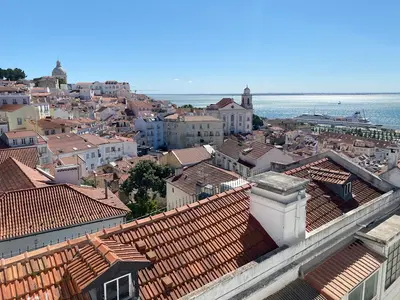
Alfama, Lisbon's oldest district, captivates with its labyrinthine maze of alleys, dating back to Moorish times. Here you can explore the Sé de Lisboa Cathedral and enjoy expansive views over the city and the Tagus River from São Jorge Castle. The narrow streets reveal traditional craft shops and authentic Fado taverns, where melancholic melodies resonate in the evenings. Particularly noteworthy are viewpoints like the Miradouro das Portas do Sol and the Miradouro de Santa Luzia, offering picturesque panoramas. This district largely survived the 1755 earthquake unscathed and retains its original character. Wear comfortable shoes for the steep, cobblestone paths. Mornings or late afternoons are ideal for experiencing the unique atmosphere without the largest crowds.
Lisbon Metropolitan Region (Área Metropolitana de Lisboa)
The **Lisbon Metropolitan Area** welcomes visitors with a fascinating mix of historical charm and modern flair, nestled in a breathtaking coastal landscape. From the labyrinthine alleys of the old town to the magnificent UNESCO World Heritage sites and golden beaches, this region offers unforgettable experiences for every traveler.
Belém
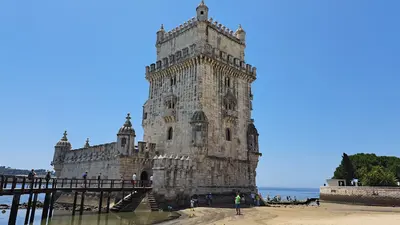
Belém, a historic district of Lisbon, is inextricably linked with Portugal's Age of Discoveries. Here you'll find architectural masterpieces that commemorate the great seafarers. The Torre de Belém and the imposing Mosteiro dos Jerónimos, both UNESCO World Heritage Sites, bear witness to the country's maritime power. Directly on the banks of the Tejo stands the Padrão dos Descobrimentos, a monument to explorers like Vasco da Gama. A visit to the historic bakery for the original Pastéis de Belém is a must. To avoid the biggest crowds, an early morning visit to the main attractions is recommended.