Fernweh
    ExploreTravel GuidesMy Trips
    de|en
    About FernwehImprintFAQPrivacy Policy
    ExploreTravel GuidesMy Trips
    Belém

    Belém

    CityCultureFor Families
    1. Home
    2. Destinations
    3. Portugal
    4. Lisbon Metropolitan Region (Área Metropolitana de Lisboa)
    5. Belém
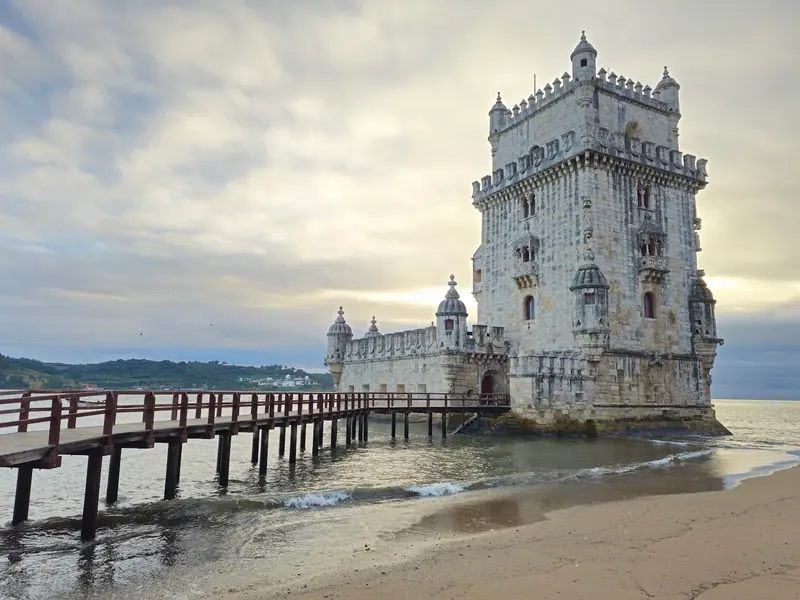
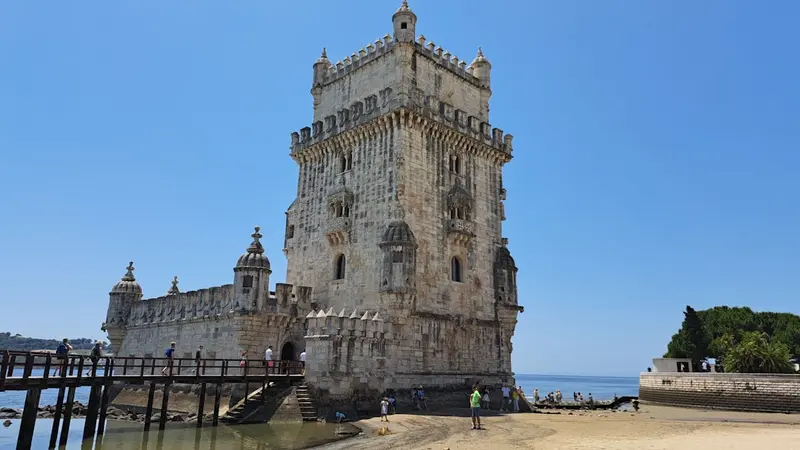
    Belém, a historic district of Lisbon, is inextricably linked with Portugal's Age of Discoveries. Here you'll find architectural masterpieces that commemorate the great seafarers. The Torre de Belém and the imposing Mosteiro dos Jerónimos, both UNESCO World Heritage Sites, bear witness to the country's maritime power. Directly on the banks of the Tejo stands the Padrão dos Descobrimentos, a monument to explorers like Vasco da Gama. A visit to the historic bakery for the original Pastéis de Belém is a must. To avoid the biggest crowds, an early morning visit to the main attractions is recommended.
    • Neighborhoods & highlights
    • Walking tours
    • Eat & drink
    • Culture
    • Getting around
    • Accommodation
    • Plan trip
    • Nearby
    • Neighborhoods & highlights
    • Walking tours
    • Eat & drink
    • Culture
    • Getting around
    • Accommodation
    • Plan trip
    • Nearby

    Overview

    Belém, a historic district of Lisbon, is inseparably linked to Portugal's Age of Discoveries, reflecting the country's maritime history. Here, you'll find impressive architectural masterpieces to explore. The Torre de Belém, once a lighthouse and fortress, and the imposing Mosteiro dos Jerónimos, a UNESCO World Heritage site, attest to the naval power of that era. Directly on the banks of the Tejo rises the Padrão dos Descobrimentos, a monument honoring the most significant Portuguese explorers. A mandatory stop is the historic bakery to try the original Pastéis de Belém. To avoid the largest crowds, visiting the main attractions in the early morning or towards evening is recommended.

    Places in Belém

    Discover the most important sights and attractions

    Sights in Belém

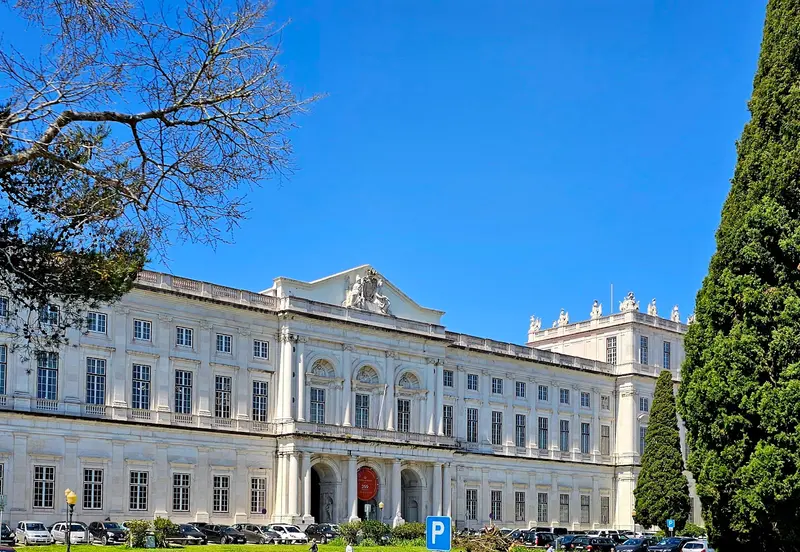
    Palácio Nacional da Ajuda

    The **Palácio Nacional da Ajuda** in Belém is a significant testament to the Portuguese monarchy and Neoclassicism. Begun after the devastating 1755 earthquake as a replacement for the destroyed Palácio da Ribeira, the building remained unfinished but nevertheless served as a royal residence, particularly in the 19th century. Here you will find magnificent state rooms and private apartments, offering deep insight into court life. The collections include exquisite furniture, textiles, jewelry, and artworks, reflecting the opulence of the era. A tip: As the palace is often less crowded than other attractions in Belém, you can explore it in peace. It's best to plan your visit for the morning. For impressive photos of the interiors, utilize the early hours when the light softly falls through the windows, highlighting the details of the decor.
    Open in Google Maps

    Padrão dos Descobrimentos

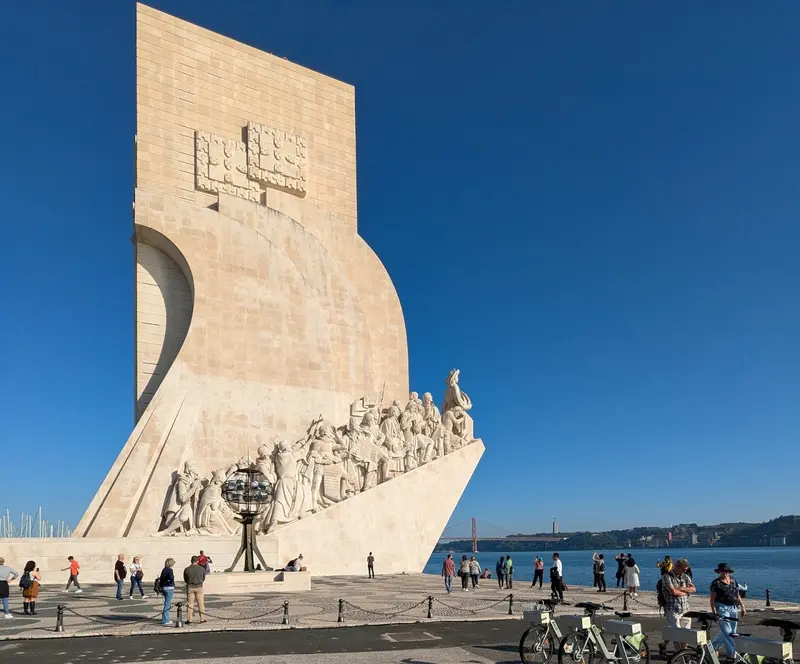
    The Padrão dos Descobrimentos in Belém, Lisbon, is an impressive monument that commemorates the golden age of Portuguese discoveries. Originally built in 1940 for the Portuguese World Exhibition and inaugurated in its current form in 1960, it commemorates the 500th anniversary of Henry the Navigator's death. You'll see a stylized caravel, with Henry the Navigator standing at its prow, followed by 32 other significant figures from Portuguese history, including explorers, cartographers, and missionaries. These figures are intricately depicted and symbolize the pioneering spirit of the nation. In front of the monument is a large marble windrose, which displays a world map with the routes of the Portuguese explorers – a fascinating sight. Our Tip: Take the elevator to the monument's viewing platform. From there, you'll enjoy an excellent panoramic view over the Tagus River, the Belém Tower, and the Jerónimos Monastery. To avoid the crowds and get the best light for photos, a visit in the early morning or late afternoon is recommended.
    Open in Google Maps

    Cristo Rei

    The Cristo Rei, an imposing statue of Christ, towers on a high plinth on the south bank of the Tejo in Almada, protectively gazing over Lisbon. Its construction was a vow made by the Portuguese Episcopate during World War II, should Portugal be spared from the conflict. Inspired by the Cristo Redentor in Rio de Janeiro, the monument was inaugurated in 1959 and has since been a significant religious and tourist landmark.You can conveniently reach the statue by ferry from Cais do Sodré to Cacilhas, followed by a short bus ride. Once at the top, you'll find not only the impressive, 28-meter-high figure of Christ atop an 82-meter-high plinth, but also, most importantly, a breathtaking panoramic view over the city of Lisbon, the 25 de Abril Bridge, and the vast Tejo. Inside the plinth, there is a chapel inviting contemplation.For the best photos and to avoid the crowds, we recommend visiting in the early morning or late afternoon. The view of the sunset over Lisbon is particularly magical. The viewing platform offers an unparalleled perspective that you shouldn't miss to fully grasp the expanse of the Portuguese capital.
    Open in Google Maps

    Centro Cultural de Belém

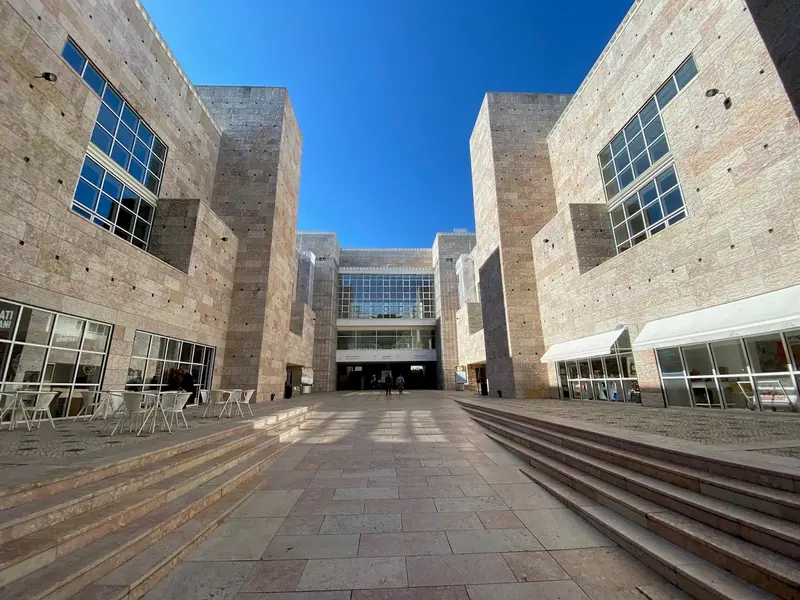
    The Centro Cultural de Belém (CCB), located on the banks of the Tagus in Lisbon's historic Belém district, is an outstanding example of modern Portuguese architecture and a central hub for art and culture. Opened in 1993, it was created to mark Portugal's EU Council presidency, with the aim of establishing a multifunctional cultural center of international renown. Architects Vittorio Gregotti and Manuel Salgado designed a complex that harmoniously blends into its surroundings while maintaining a striking presence.Inside, you'll find various areas: a conference centre, an exhibition centre, and a Performing Arts Centre. Of particular note is the Museu Coleção Berardo, which houses an impressive collection of modern and contemporary art, including works by Picasso, Dalí, Warhol, and Miró. The expansive terraces and gardens also offer relaxing retreats with views of the river and the Ponte 25 de Abril.For a visit, it's best to plan half a day to explore the exhibitions at your leisure and appreciate the architecture. Our Tip: Combine your visit to the CCB with a stroll along the Tagus to the Torre de Belém and the Mosteiro dos Jerónimos, which are located in close proximity. The early morning hours or late afternoon are ideal to avoid the crowds and capture the special light by the river for photos.
    Open in Google Maps

    Museu Nacional dos Coches

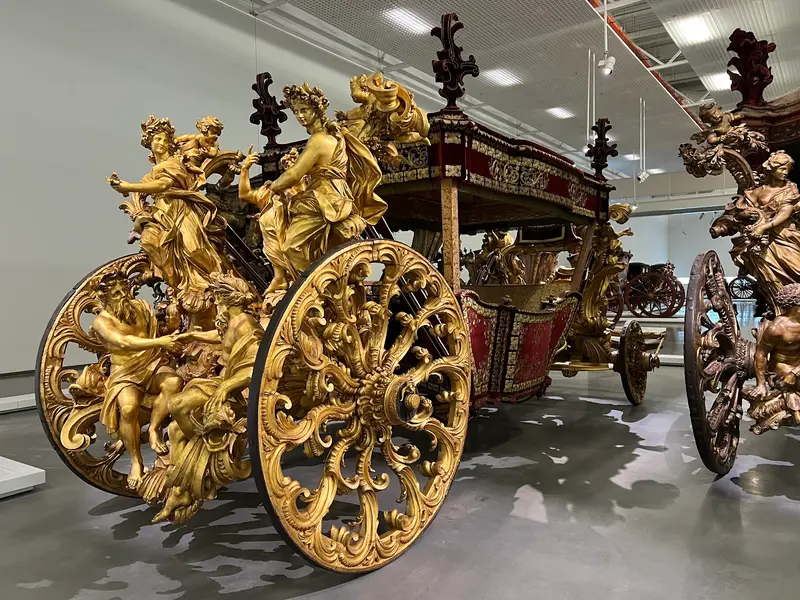
    The Museu Nacional dos Coches in Belém houses one of the world's most significant collections of royal coaches and historic vehicles. Here you'll find an impressive chronology of European coachbuilding from the 16th to the 19th century. The exhibits range from opulent state carriages, used for royal processions, to simpler travel coaches. Each piece tells a story of court ceremony, craftsmanship, and the evolution of transport. Particularly noteworthy are the opulent coaches from the 18th century, adorned with gilded carvings and elaborate paintings. To view the coaches' details at leisure and avoid the crowds, a visit right after opening in the morning is recommended. A tip for photographers: The large windows of the modern building provide excellent natural light to capture the gleaming surfaces and fine details of the vehicles. Allow about 1.5 to 2 hours for your visit.
    Open in Google Maps

    City walks in Belém

    Curated walking tours through the city's highlights — handpicked by experienced travel journalists.

    Beléms Goldene Ära: Ein Spaziergang durch Portugals Seefahrergeschichte

    Tauchen Sie auf diesem zweistündigen Spaziergang ein in die glorreiche Vergangenheit Beléms, dem Ausgangspunkt vieler portugiesischer Entdeckungsreisen. Entdecken Sie beeindruckende Monumente, genießen Sie lokale Köstlichkeiten und spüren Sie den Wind des Tejo-Flusses, während Sie die wichtigsten Sehenswürdigkeiten erkunden.

    ~2 Std. 15 Min.
    In Google Maps öffnen
    Stopps (6)

    Dining & Drinks

    Belém's Historic Heritage and Cultural Identity

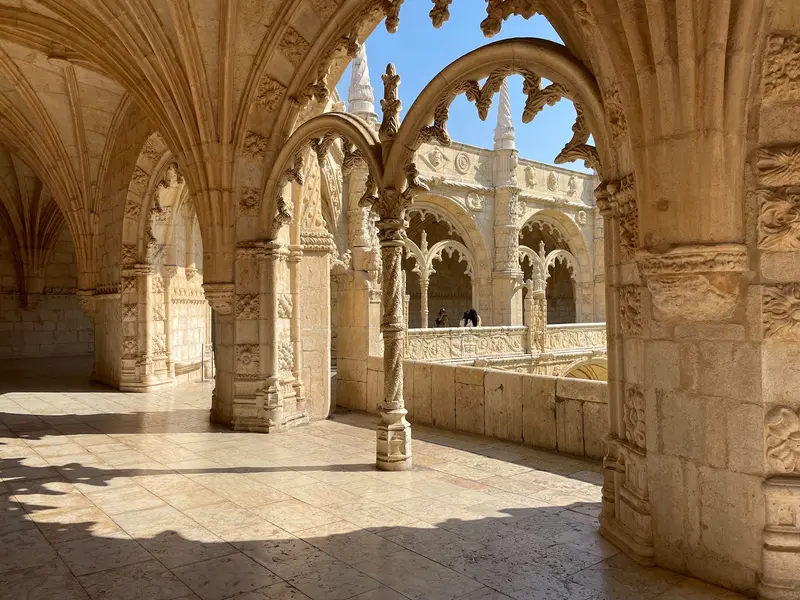
    Belém, situated on the banks of the Tejo, is inextricably linked to Portugal's maritime history. As the departure point for the great voyages of discovery in the 15th and 16th centuries, the era of seafarers profoundly shaped the district's identity. It was here that Vasco da Gama's journey to India began, making Belém a symbol of Portugal's global ambitions.Belém's architecture is a testament to this golden era, particularly the Manueline style. Examples include the Mosteiro dos Jerónimos and the Torre de Belém, both of which are UNESCO World Heritage sites. The monastery, whose construction began in 1501, and the tower, completed in 1521, combine late Gothic and maritime elements with Islamic and Indian influences, creating their unique aesthetic.Beyond its historical monuments, Belém is also known for local traditions. The original recipe for the world-famous Pastéis de Belém originated from the former sugar refinery of the Jerónimos Monastery and is preserved to this day in the Fábrica de Pastéis de Belém. The deep connection to the river and seafaring continues to shape the cultural atmosphere, which is reflected in numerous museums such as the Museu da Marinha. Belém is thus a living history book that preserves its rich past while embracing modern cultural impulses.

    Getting Around Here

    Belém, though an integral part of Lisbon, boasts excellent public transport links to the city center. The historic Tram 15E is arguably the most charming way to reach Belém, connecting it directly to Praça da Figueira. For buses and trams, the rechargeable Viva Viagem card is essential; it's cheaper than single tickets and can also be used for Lisbon's Metro, as Belém itself has no direct Metro connection.Numerous bike rental stations and e-scooter services offer flexible options, especially along the picturesque waterfront promenade, ideal for exploring in good weather. Taxis and ride-sharing services like Uber or Bolt are also readily available, providing comfort for longer distances or late hours.Belém itself is wonderfully explorable on foot, thanks to its many pedestrian zones and manageable size, especially the historic district and areas around its iconic monuments. However, for longer distances, plan to use the efficient public transport to effortlessly experience all the beauty of the district.

    Accommodations in Belém

    Accommodations in Belém

    Find perfect stay in Belém

    Booking.com
    Search Hotels
    Agoda
    Search Hotels
    Airbnb
    Vacation Rentals
    Hotels.com
    Hotels Worldwide
    Hostelworld
    Hostels

    Campgrounds in Belém

    Find perfect campground in Belém

    Search via Google Maps
    Campgrounds nearby (15km)
    Camping.info
    Find Campgrounds
    Park4Night
    RV Parks & Camping

    Plan your trip to Belém

    Save places, build a route and plan your city trip — all in one place.

    Save places

    Bookmark sights, restaurants and neighborhoods you're interested in.

    Build your route

    Turn your bookmarks into a route — define order, days and budget.

    Refine with AI

    Let Mein Fernweh suggest experiences and put together a tailored daily plan.

    Start trip planningOpen bookmarks

    Locations nearby

    These places are nearby — perfect for additional days or a day trip.

    Bairro Alto

    Bairro Alto

    In the heart of Lisbon, Bairro Alto presents itself as a district with two faces. By day, you'll find a quieter, almost sleepy atmosphere here, with traditional shops and artisan crafts. By evening, however, the narrow streets transform into a vibrant hub of nightlife, lined with countless bars, restaurants, and Fado venues. Particularly recommended is a visit to the Miradouro de São Pedro de Alcântara, which offers panoramic views over the city, stretching to the Castelo de São Jorge. For an authentic cultural experience, seek out one of the traditional Fado houses, where melancholic melodies tell Portugal's story. Plan your visit ideally in the late afternoon to witness the transition from tranquil daytime activity to the vibrant evening. Exploring on foot is ideal, but be prepared for steep ascents and cobblestone streets.
    Baixa Pombalina

    Baixa Pombalina

    Lisbon's Baixa Pombalina forms the city's historic heart, shaped by its reconstruction after the 1755 earthquake. Its grid-like street plan was designed under Marquês de Pombal and is considered an early example of anti-seismic urban planning. Key points are the expansive Praça do Comércio on the Tagus riverfront and the lively Rossio Square, lined with traditional shops and cafés. Notable landmarks like the Arco da Rua Augusta and the Elevador de Santa Justa offer impressive city views. For authentic shopping experiences, it's best to explore the smaller side streets away from the main thoroughfares. A visit in the morning or late afternoon avoids the largest crowds and offers more pleasant light for the architecture.
    Lisbon

    Lisbon

    Welcome to Lisbon, the enchanting capital of Portugal! Allow yourself to be captivated by the melancholic beauty of its seven hills, the dazzling light over the Tagus, and the nostalgic sound of Fado. This city is a vibrant mosaic of centuries-old history, lively culture, and an unbridled zest for life that will instantly cast its spell on you.
    Lisbon Metropolitan Region (Área Metropolitana de Lisboa)

    Lisbon Metropolitan Region (Área Metropolitana de Lisboa)

    The **Lisbon Metropolitan Area** welcomes visitors with a fascinating mix of historical charm and modern flair, nestled in a breathtaking coastal landscape. From the labyrinthine alleys of the old town to the magnificent UNESCO World Heritage sites and golden beaches, this region offers unforgettable experiences for every traveler.
    Alfama

    Alfama

    Alfama, Lisbon's oldest district, captivates with its labyrinthine maze of alleys, dating back to Moorish times. Here you can explore the Sé de Lisboa Cathedral and enjoy expansive views over the city and the Tagus River from São Jorge Castle. The narrow streets reveal traditional craft shops and authentic Fado taverns, where melancholic melodies resonate in the evenings. Particularly noteworthy are viewpoints like the Miradouro das Portas do Sol and the Miradouro de Santa Luzia, offering picturesque panoramas. This district largely survived the 1755 earthquake unscathed and retains its original character. Wear comfortable shoes for the steep, cobblestone paths. Mornings or late afternoons are ideal for experiencing the unique atmosphere without the largest crowds.