Lisbon Metropolitan Area (Área Metropolitana de Lisboa) - Fernweh
Lisbon Metropolitan Region (Área Metropolitana de Lisboa)
Region
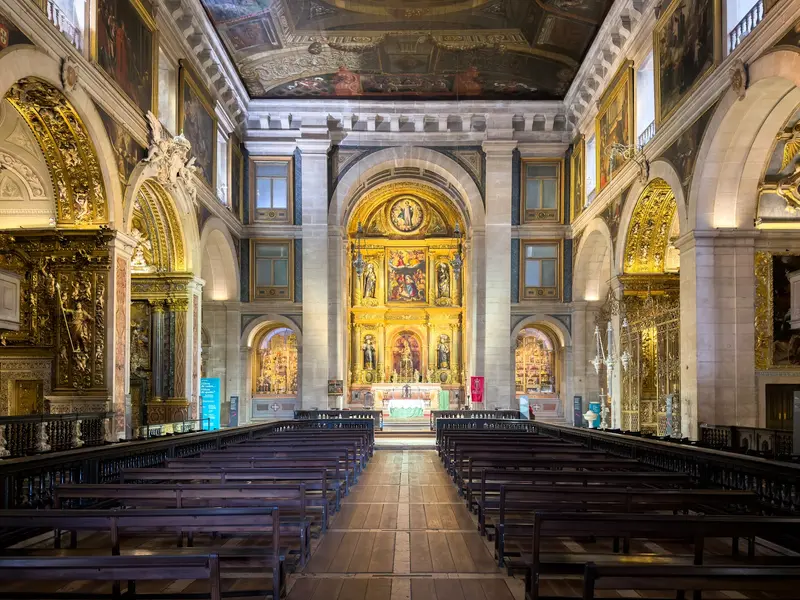
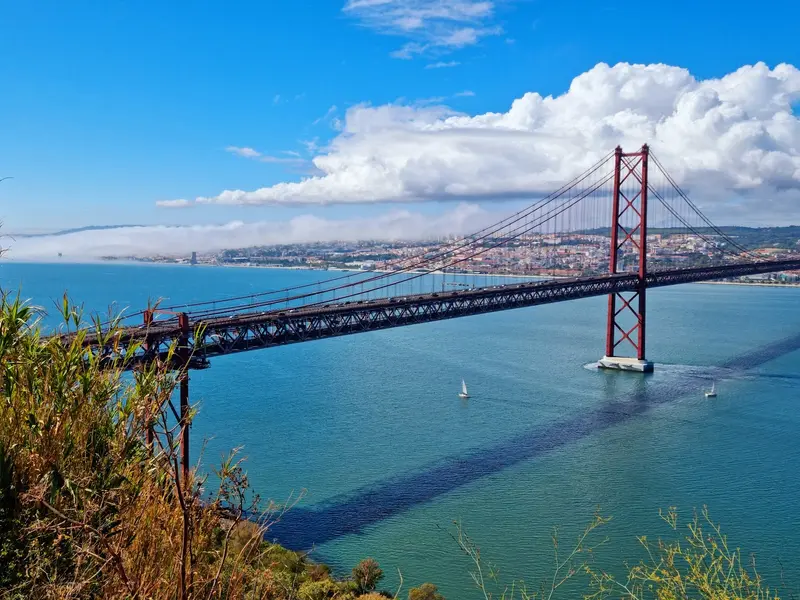
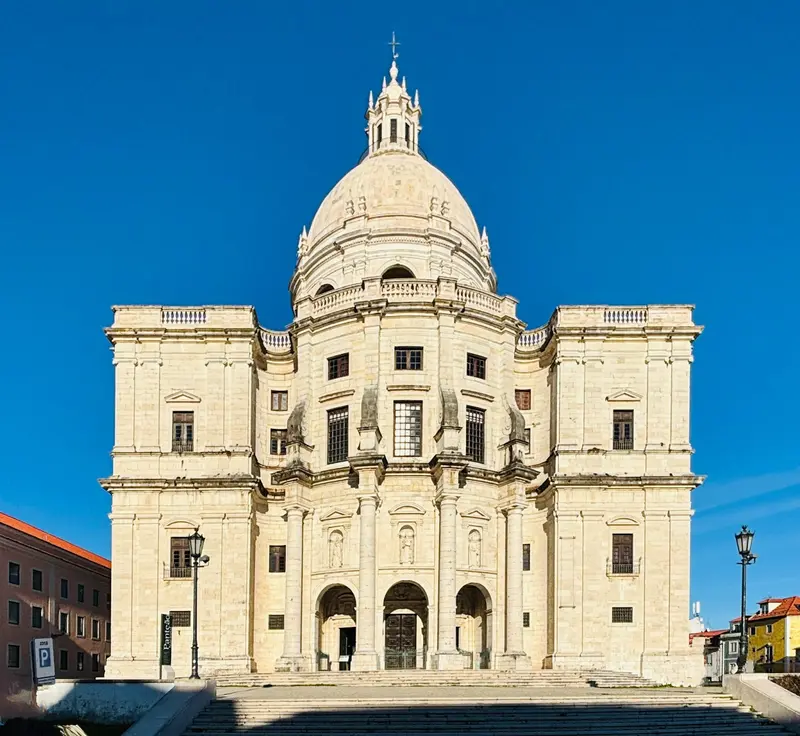
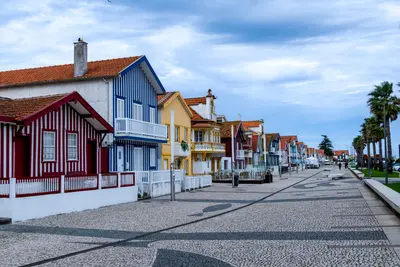
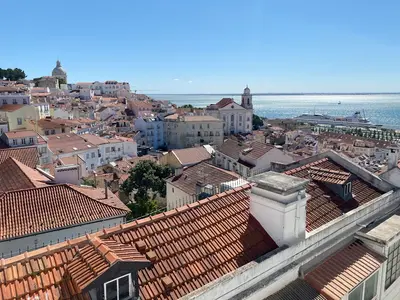
The **Lisbon Metropolitan Area** welcomes visitors with a fascinating mix of historical charm and modern flair, nestled in a breathtaking coastal landscape. From the labyrinthine alleys of the old town to the magnificent UNESCO World Heritage sites and golden beaches, this region offers unforgettable experiences for every traveler.
Places in Lisbon Metropolitan Region (Área Metropolitana de Lisboa)
Lisbon
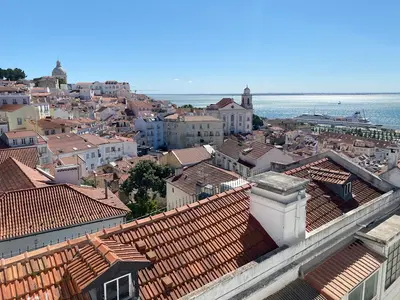
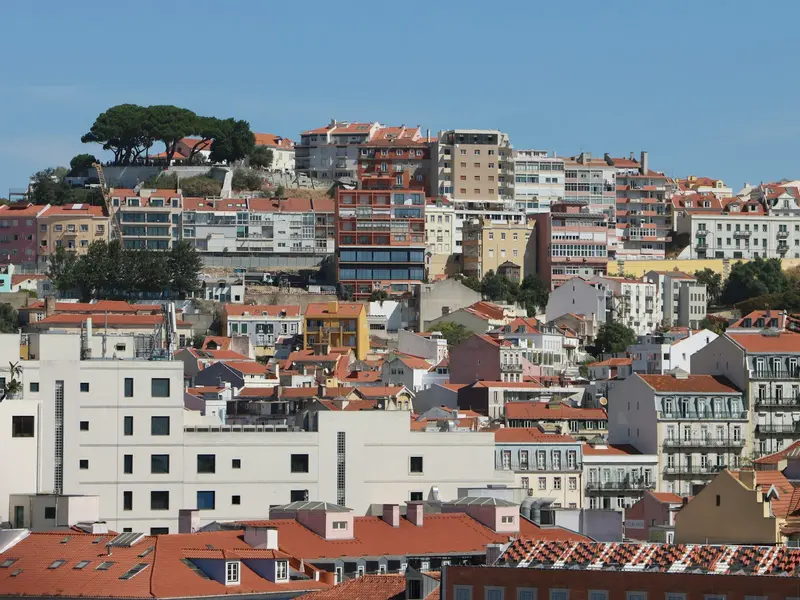
Welcome to Lisbon, the enchanting capital of Portugal! Allow yourself to be captivated by the melancholic beauty of its seven hills, the dazzling light over the Tagus, and the nostalgic sound of Fado. This city is a vibrant mosaic of centuries-old history, lively culture, and an unbridled zest for life that will instantly cast its spell on you.
Sintra
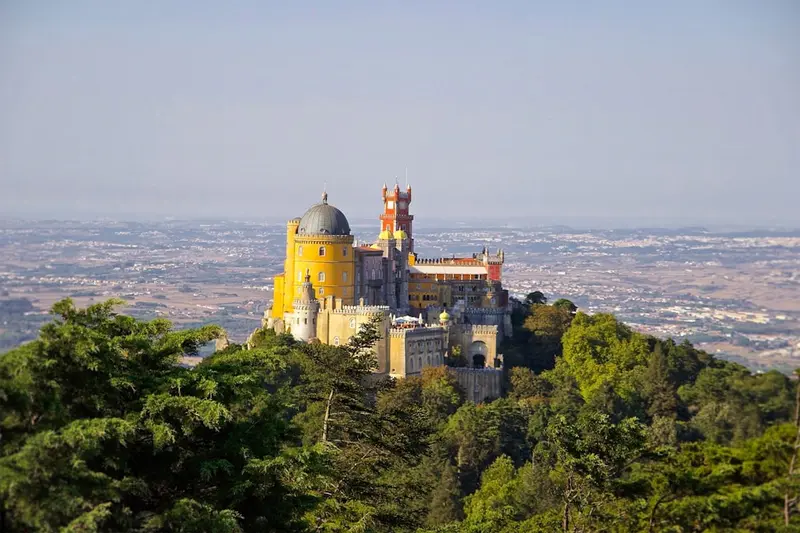
Immerse yourself in the fairytale world of Sintra, a UNESCO World Heritage city in Portugal, that will enchant you with its unique combination of romance, mysticism, and breathtaking nature. Here, where lush hills rise and historical palaces and mysterious gardens are nestled side by side, you will discover an unforgettable landscape that seems to have sprung directly from a picture book. Sintra is a place where you can lose yourself in fantastic stories and royal splendor.
Cascais
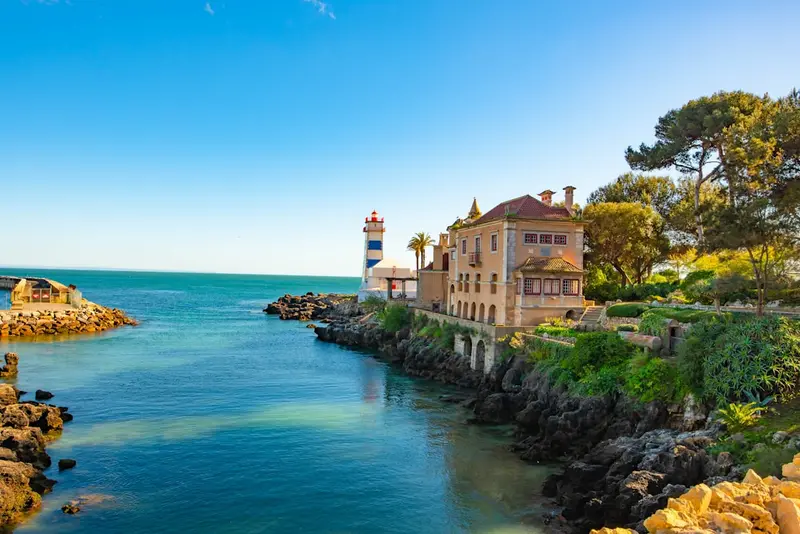
Welcome to Cascais, the charming former fishing village that has evolved into an elegant coastal town on Portugal's sun-drenched Riviera. Here, you'll discover a perfect blend of historic charm, cosmopolitan ambiance, and the relaxed seaside lifestyle. Let yourself be captivated by the golden-yellow beaches, the lively promenade, and the picturesque alleys, while you enjoy the fresh sea breeze – an ideal starting point to explore the Lisbon region or simply unwind and relax.
Alfama
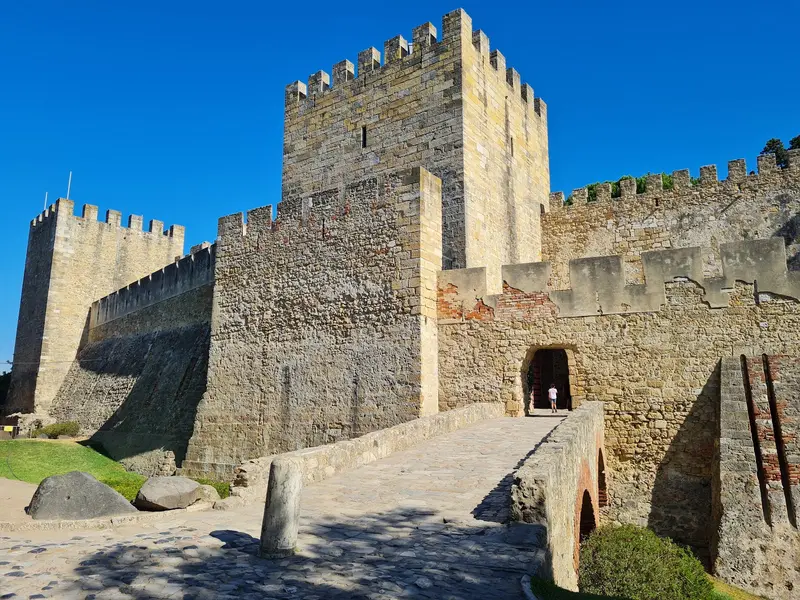
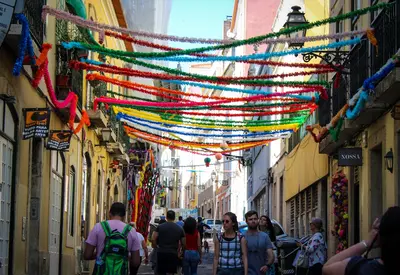
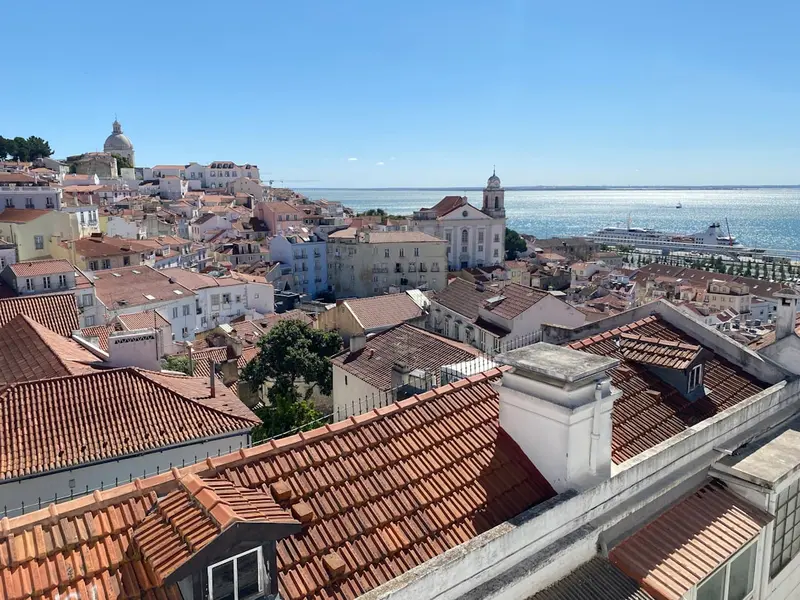
Alfama, Lisbon's oldest district, captivates with its labyrinthine maze of alleys, dating back to Moorish times. Here you can explore the Sé de Lisboa Cathedral and enjoy expansive views over the city and the Tagus River from São Jorge Castle. The narrow streets reveal traditional craft shops and authentic Fado taverns, where melancholic melodies resonate in the evenings. Particularly noteworthy are viewpoints like the Miradouro das Portas do Sol and the Miradouro de Santa Luzia, offering picturesque panoramas. This district largely survived the 1755 earthquake unscathed and retains its original character. Wear comfortable shoes for the steep, cobblestone paths. Mornings or late afternoons are ideal for experiencing the unique atmosphere without the largest crowds.
Bairro Alto
In the heart of Lisbon, Bairro Alto presents itself as a district with two faces. By day, you'll find a quieter, almost sleepy atmosphere here, with traditional shops and artisan crafts. By evening, however, the narrow streets transform into a vibrant hub of nightlife, lined with countless bars, restaurants, and Fado venues. Particularly recommended is a visit to the Miradouro de São Pedro de Alcântara, which offers panoramic views over the city, stretching to the Castelo de São Jorge. For an authentic cultural experience, seek out one of the traditional Fado houses, where melancholic melodies tell Portugal's story. Plan your visit ideally in the late afternoon to witness the transition from tranquil daytime activity to the vibrant evening. Exploring on foot is ideal, but be prepared for steep ascents and cobblestone streets.
Baixa Pombalina
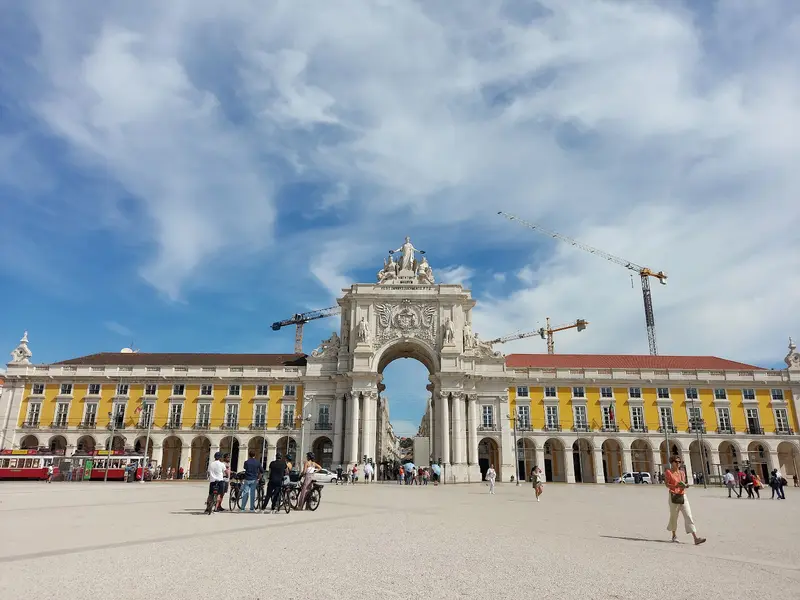
Lisbon's Baixa Pombalina forms the city's historic heart, shaped by its reconstruction after the 1755 earthquake. Its grid-like street plan was designed under Marquês de Pombal and is considered an early example of anti-seismic urban planning. Key points are the expansive Praça do Comércio on the Tagus riverfront and the lively Rossio Square, lined with traditional shops and cafés. Notable landmarks like the Arco da Rua Augusta and the Elevador de Santa Justa offer impressive city views. For authentic shopping experiences, it's best to explore the smaller side streets away from the main thoroughfares. A visit in the morning or late afternoon avoids the largest crowds and offers more pleasant light for the architecture.
Belém
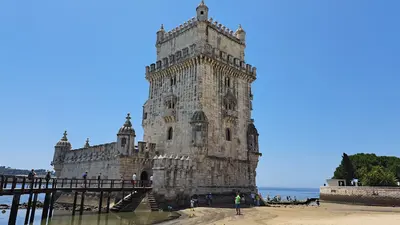
Belém, a historic district of Lisbon, is inextricably linked with Portugal's Age of Discoveries. Here you'll find architectural masterpieces that commemorate the great seafarers. The Torre de Belém and the imposing Mosteiro dos Jerónimos, both UNESCO World Heritage Sites, bear witness to the country's maritime power. Directly on the banks of the Tejo stands the Padrão dos Descobrimentos, a monument to explorers like Vasco da Gama. A visit to the historic bakery for the original Pastéis de Belém is a must. To avoid the biggest crowds, an early morning visit to the main attractions is recommended.
Sights in Lisbon Metropolitan Region (Área Metropolitana de Lisboa)
Discover the most important sights and attractions
These places are nearby — perfect for additional days or a day trip.
Lisbon
Welcome to Lisbon, the enchanting capital of Portugal! Allow yourself to be captivated by the melancholic beauty of its seven hills, the dazzling light over the Tagus, and the nostalgic sound of Fado. This city is a vibrant mosaic of centuries-old history, lively culture, and an unbridled zest for life that will instantly cast its spell on you.
Bairro Alto
In the heart of Lisbon, Bairro Alto presents itself as a district with two faces. By day, you'll find a quieter, almost sleepy atmosphere here, with traditional shops and artisan crafts. By evening, however, the narrow streets transform into a vibrant hub of nightlife, lined with countless bars, restaurants, and Fado venues. Particularly recommended is a visit to the Miradouro de São Pedro de Alcântara, which offers panoramic views over the city, stretching to the Castelo de São Jorge. For an authentic cultural experience, seek out one of the traditional Fado houses, where melancholic melodies tell Portugal's story. Plan your visit ideally in the late afternoon to witness the transition from tranquil daytime activity to the vibrant evening. Exploring on foot is ideal, but be prepared for steep ascents and cobblestone streets.
Baixa Pombalina
Lisbon's Baixa Pombalina forms the city's historic heart, shaped by its reconstruction after the 1755 earthquake. Its grid-like street plan was designed under Marquês de Pombal and is considered an early example of anti-seismic urban planning. Key points are the expansive Praça do Comércio on the Tagus riverfront and the lively Rossio Square, lined with traditional shops and cafés. Notable landmarks like the Arco da Rua Augusta and the Elevador de Santa Justa offer impressive city views. For authentic shopping experiences, it's best to explore the smaller side streets away from the main thoroughfares. A visit in the morning or late afternoon avoids the largest crowds and offers more pleasant light for the architecture.
Alfama
Alfama, Lisbon's oldest district, captivates with its labyrinthine maze of alleys, dating back to Moorish times. Here you can explore the Sé de Lisboa Cathedral and enjoy expansive views over the city and the Tagus River from São Jorge Castle. The narrow streets reveal traditional craft shops and authentic Fado taverns, where melancholic melodies resonate in the evenings. Particularly noteworthy are viewpoints like the Miradouro das Portas do Sol and the Miradouro de Santa Luzia, offering picturesque panoramas. This district largely survived the 1755 earthquake unscathed and retains its original character. Wear comfortable shoes for the steep, cobblestone paths. Mornings or late afternoons are ideal for experiencing the unique atmosphere without the largest crowds.
Belém
Belém, a historic district of Lisbon, is inextricably linked with Portugal's Age of Discoveries. Here you'll find architectural masterpieces that commemorate the great seafarers. The Torre de Belém and the imposing Mosteiro dos Jerónimos, both UNESCO World Heritage Sites, bear witness to the country's maritime power. Directly on the banks of the Tejo stands the Padrão dos Descobrimentos, a monument to explorers like Vasco da Gama. A visit to the historic bakery for the original Pastéis de Belém is a must. To avoid the biggest crowds, an early morning visit to the main attractions is recommended.