Fernweh: Home
    ExploreTravel GuidesPlan a tripMy tripLast visited
    de|en
    All Places & RegionsAll highlightsAbout FernwehFAQPrivacy PolicyImprint
    ExploreTravel GuidesPlan a tripMy tripLast visited
    • Places in the region
    • Eat & drink
    • Round trips
    • Nearby
    Galicia

    Spain

    Galicia

    Region

    Galicia is in Spain's northwestern tip, characterized by a rugged Atlantic coast, green landscapes, and a distinct culture with its own language, Galician.

    by Felix Gillen

    1. Home
    2. Destinations
    3. Spain
    4. Galicia
    Galicia is in Spain's northwestern tip, characterized by a rugged Atlantic coast, green landscapes, and a distinct culture with its own language, Galician. It is the Camino's destination, known for its seafood, historic cities, and varied coastal scenery.
    Ribadeo

    Place 1 of 4

    Ribadeo

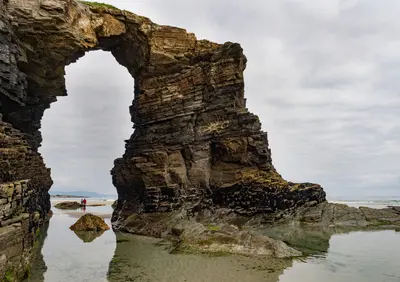
    Ribadeo is a small town on the coast of Galicia and a good starting point to explore the Ría de Ribadeo and the famous Praia das Catedrais. You can expect a mix of maritime history, nature, and good food.

    Discover
    A Coruña

    Place 2 of 4

    A Coruña

    This vibrant port city on the Galician Atlantic coast is known for its Roman Tower of Hercules, which is considered the world's oldest continuously operating lighthouse and a UNESCO World Heritage site, as well as for its glazed balconies (Galerías).

    Discover
    Costa da Morte

    Place 3 of 4

    Costa da Morte

    The rugged "Coast of Death" in western Galicia is known for its wild landscapes, steep cliffs, secluded beaches, and numerous lighthouses. Its name recalls the many shipwrecks off this coast.

    Discover
    Lugo

    Place 4 of 4

    Lugo

    Lugo in Galicia is primarily known for its fully preserved Roman city wall. The Muralla Romana was built between around 260 and 325, has been a UNESCO World Heritage site since 2000, and defines the cityscape.

    Discover

    More places in Galicia

    Rías Baixas

    Rías Baixas

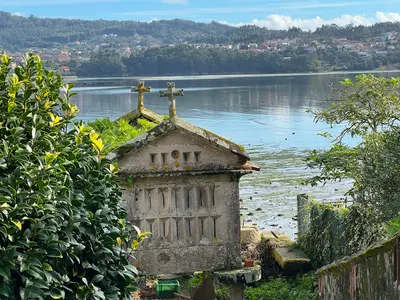
    This coastal region in southwest Galicia is known for its deep, fjord-like inlets, the Rías, and as home to Albariño wine from the Rías Baixas Designation of Origin. Vineyards and small fishing villages shape the landscape.
    Santiago de Compostela

    Santiago de Compostela

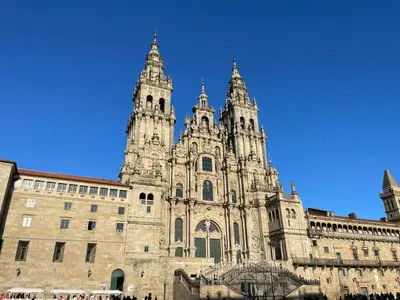
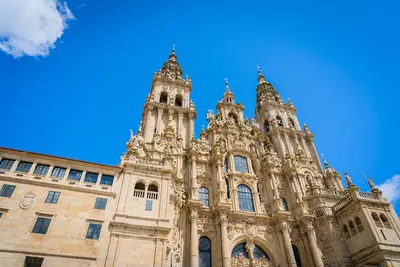
    Santiago de Compostela, the capital of Galicia, is the destination of the Way of St. James and one of Europe's most famous pilgrimage sites. It's worth visiting for the Cathedral above the tomb of Apostle James, with its Romanesque Pórtico da Gloria, and for the Old Town, a UNESCO World Heritage site since 1985. In its alleys, pilgrims, students, and travelers mingle, and Romanesque, Gothic, and Baroque buildings stand close together.
    Vigo

    Vigo

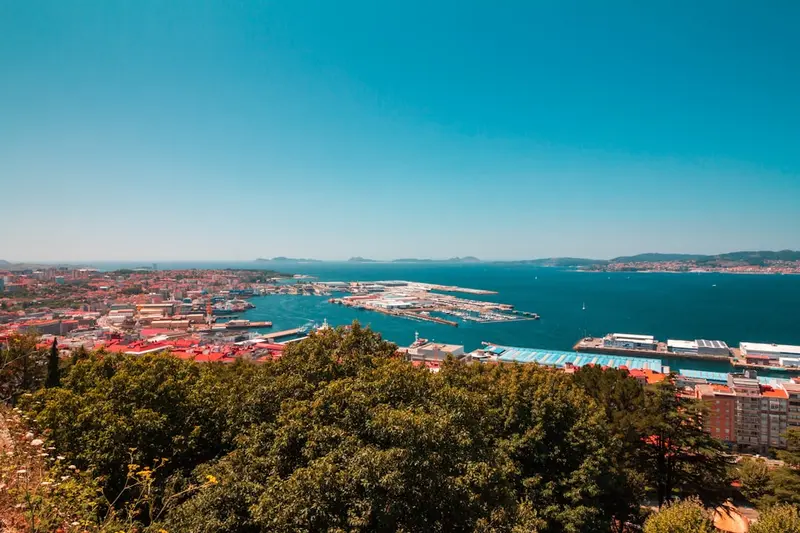
    Vigo is Galicia's largest city and one of Europe's most important fishing ports. The city combines a small old town with modern districts and is a departure point for trips to the Cíes Islands.

    Sights in Galicia

    Discover the most important sights and attractions

    Cañón do Sil (Balcóns de Madrid)
    Attraction

    Cañón do Sil (Balcóns de Madrid)

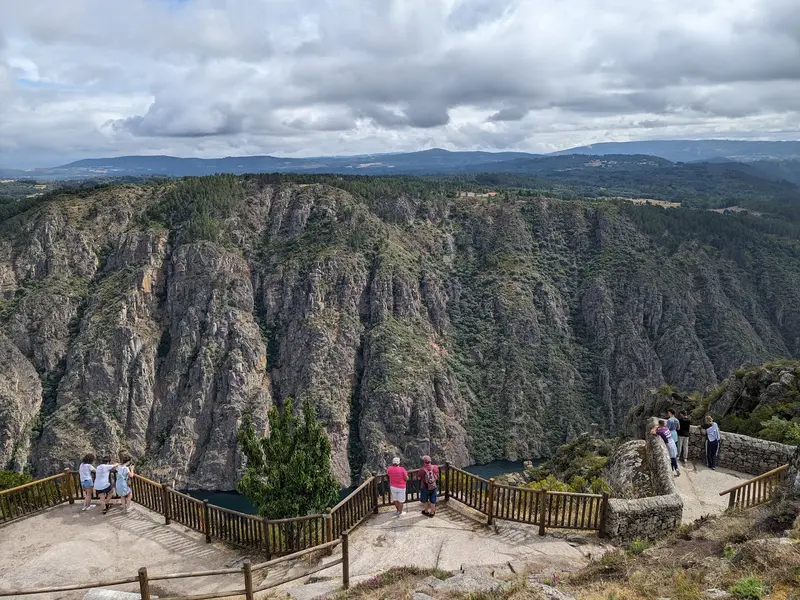
    The Sil has carved its way deep into the rock at the border of the Ourense and Lugo provinces; in some places, the slopes drop more than 500 meters. On steep terraces, vines of the Ribeira Sacra designation of origin grow right down to the water's edge. From the Balcóns de Madrid viewpoint near Parada de Sil, you overlook the gorge, with catamarans cruising on the river.
    Open in Google Maps
    As Burgas (Ourense)
    Historic Landmark

    As Burgas (Ourense)

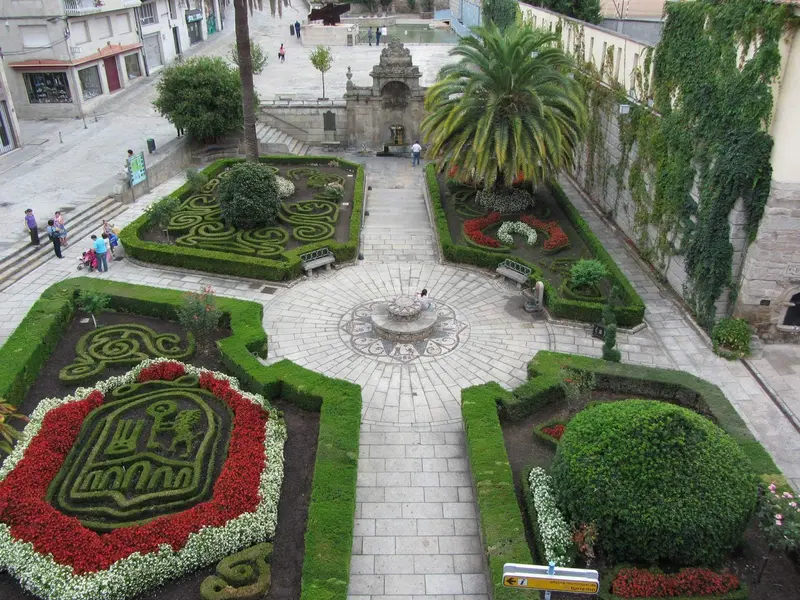
    Right in Ourense, the As Burgas thermal springs emerge with water around 64 to 68 degrees. From the 1st century onwards, Roman baths with a spring sanctuary were located here. The 17th-century fountains of Burga de Abaixo and Burga de Arriba are open to the public.
    Open in Google Maps
    Monte de Santa Trega
    Attraction

    Monte de Santa Trega

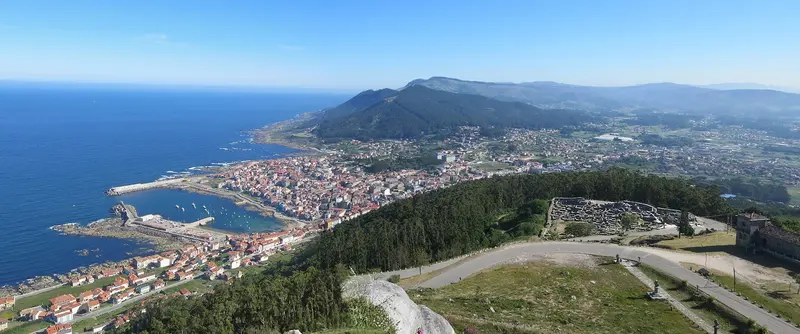
    The 341-meter-high mountain near A Guarda in the extreme southwest of Galicia bears the remains of a fortified Castro settlement with some reconstructed roundhouses. Rock carvings show that the site was inhabited long before. From the summit, you look out over the mouth of the Miño, the Atlantic and the mountains of Portugal.
    Open in Google Maps
    Garita da Vixía Herbeira
    Attraction

    Garita da Vixía Herbeira

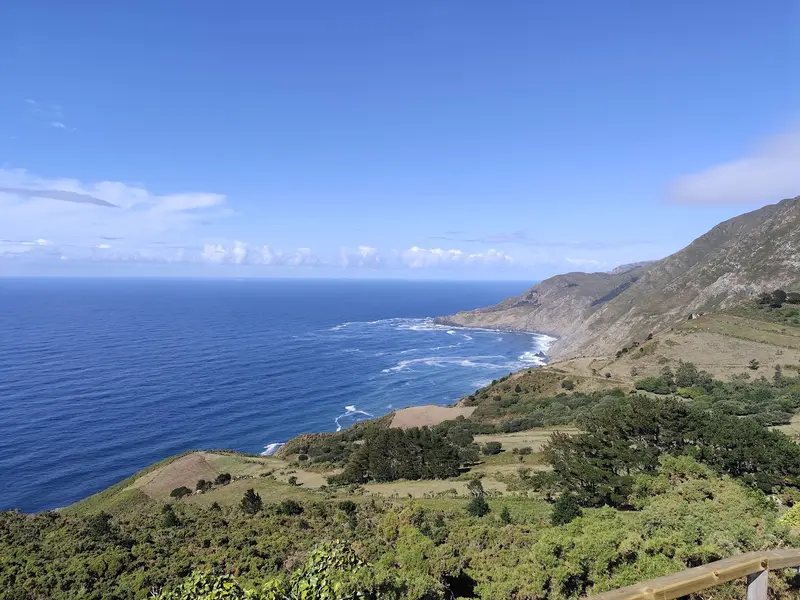
    In the Serra da Capelada, between Cariño and Cedeira, the cliffs reach 613 metres above sea level, considered the highest on mainland Europe. At the viewpoint stands an old coast guard watch house, the current structure dating back to the early 19th century. The pilgrimage site of San Andrés de Teixido is very close by.
    Open in Google Maps

    Essen & Trinken

    1

    A Casa do Pillado

    Restaurant in A Penela 6.
    Show on Google Maps
    2

    Casa Achacán

    Bar in Casa Achacán 6001P.
    Show on Google Maps
    3

    Hostal Restaurante Galicia

    Restaurant in Tr.ª San Pedro.
    Show on Google Maps
    4

    Taberna Xan De Patricio

    Bar in Pob. Capilla.
    Show on Google Maps
    5

    Restaurante Agolada

    Bar in 36520 Agolada.
    Show on Google Maps

    Round trips through this region

    North Spain & Atlantic Coast

    North Spain & Atlantic Coast

    The route starts in Santiago de Compostela, leads to the Atlantic coast to A Coruña, and continues to Ribadeo on the border with Asturias. From there, it's about four hours along the Cantabrian Coast to Bilbao. In summer, it's cooler and quieter here than in southern Spain.

    9 Days
    4 stops
    Spain Motorhome North–South (2–3 Weeks)

    Spain Motorhome North–South (2–3 Weeks)

    The motorhome route leads from Bilbao on the Bay of Biscay to Santiago de Compostela in Galicia, then through Castile to Salamanca and via Extremadura to Córdoba and Seville. Several stages are 400 to 600 kilometers long; plan full driving days or stopovers for these.

    14 Days
    5 stops

    Nearby

    Lugo

    Lugo

    Lugo in Galicia is primarily known for its fully preserved Roman city wall. The Muralla Romana was built between around 260 and 325, has been a UNESCO World Heritage site since 2000, and defines the cityscape. On its good 2.2-kilometer-long wall-walk, you can walk around the old town once.Within the walls lies the Catedral de Santa María de Lugo, whose construction began in 1129 in Romanesque style. Remains of Roman baths are preserved in the city's thermal spa. Lugo is known for its tapas bars; in some, you get a small tapa with your drink. Spring and autumn offer pleasant temperatures and fewer crowds.
    Santiago de Compostela

    Santiago de Compostela

    Santiago de Compostela, the capital of Galicia, is the destination of the Way of St. James and one of Europe's most famous pilgrimage sites. It's worth visiting for the Cathedral above the tomb of Apostle James, with its Romanesque Pórtico da Gloria, and for the Old Town, a UNESCO World Heritage site since 1985. In its alleys, pilgrims, students, and travelers mingle, and Romanesque, Gothic, and Baroque buildings stand close together.
    Rías Baixas

    Rías Baixas

    This coastal region in southwest Galicia is known for its deep, fjord-like inlets, the Rías, and as home to Albariño wine from the Rías Baixas Designation of Origin. Vineyards and small fishing villages shape the landscape.
    A Coruña

    A Coruña

    This vibrant port city on the Galician Atlantic coast is known for its Roman Tower of Hercules, which is considered the world's oldest continuously operating lighthouse and a UNESCO World Heritage site, as well as for its glazed balconies (Galerías).
    Vigo

    Vigo

    Vigo is Galicia's largest city and one of Europe's most important fishing ports. The city combines a small old town with modern districts and is a departure point for trips to the Cíes Islands.

    Sources & method

    • Photos: Unsplash, Google Maps. Each photo carries its credit.
    • Place data such as addresses and ratings comes from Google Maps.
    • The content is based on web research from public, traceable sources. How the content is made · The role of AI