Fernweh
    ExploreTravel GuidesMy Trips
    de|en
    About FernwehImprintFAQPrivacy Policy
    ExploreTravel GuidesMy Trips
    Chao Phraya Riverfront (Riverside)

    Chao Phraya Riverfront (Riverside)

    CityCulture
    1. Home
    2. Destinations
    3. Thailand
    4. Chao Phraya Riverfront (Riverside)
    Along the majestic river are luxurious hotels, historic temples, and charming markets, ideal for picturesque boat trips and romantic dinners.
    • Neighborhoods & highlights
    • Eat & drink
    • Accommodation
    • Plan trip
    • Nearby
    • Neighborhoods & highlights
    • Eat & drink
    • Accommodation
    • Plan trip
    • Nearby

    Places in Chao Phraya Riverfront (Riverside)

    Discover the most important sights and attractions

    Sights in Chao Phraya Riverfront (Riverside)

    Sri Maha Mariamman Temple (Wat Khaek)

    The **Sri Maha Mariamman Temple**, also known as Wat Khaek, is a vibrant testament to Bangkok's Indian community and one of Thailand's most important Hindu temples. It was built in 1879 by Tamil immigrants, primarily merchants and gem cutters. It is dedicated to the goddess Mariamman, revered for rain, fertility, and protection from illness. You'll immediately be struck by its colorful architecture, especially the imposing *Gopuram*, the richly decorated gateway tower adorned with countless sculptures of Hindu deities. These depictions are typical of South Indian temple architecture and offer a fascinating glimpse into Hindu mythology.Inside the temple, you'll find further shrines dedicated to various deities like Ganesha and Shiva. The atmosphere is often filled with the scent of incense and the sounds of traditional rituals, as the temple is an active place of worship. Pay attention to the intricate details of the carvings and paintings adorning the walls and ceilings. *Practical tip:* It's best to visit the temple in the early morning or late afternoon to observe devotees during their Pujas and avoid the crowds. Remember to dress respectfully by covering your shoulders and knees before entering the temple. Photography inside is often restricted or forbidden; please respect this.
    Open in Google Maps

    Wat Phichaiyat

    The Wat Phichaiyat is a historically significant temple on the western bank of the Chao Phraya, constructed under King Rama III (reigned 1824–1851). It originally served as a royal temple for the royal family and reflects the architecture of the early Rattanakosin period, often with subtle Chinese influences. Here, you'll find a remarkably tranquil atmosphere, away from the busier tourist paths. The Ubosot and Viharn are adorned with detailed murals depicting scenes from the life of Buddha and the Jataka tales. Particularly noteworthy is the central Chedi, said to house a relic of Buddha. The complex is meticulously maintained and offers an authentic insight into traditional Thai temple art. Look out for the intricate gable decorations and the mythological Naga figures on the staircases. Our tip: Visit the temple in the early morning to best capture the peaceful ambiance and soft light for photos. Respectful attire is obligatory, and you can best reach the temple by local boat or taxi from the river.
    Open in Google Maps

    Masjid Ban U | مسجد

    The Masjid Ban U, one of the many mosques along the Chao Phraya River in Bangkok, attests to the long and diverse history of Muslim communities in Thailand. These communities, often descendants of traders and immigrants, have settled along the riverbanks over centuries and continue to shape the city's cultural mosaic to this day. You will find an active place of worship here, offering insight into the religious life of the local population. Its architecture is typically simple and functional, often featuring elements that reflect both Islamic and local Thai influences. It is a place of peace and contemplation, away from the bustling pace of the metropolis. Our Tip: Please ensure appropriate attire – shoulders and knees should be covered. Visit the mosque outside of prayer times to avoid disturbing worshippers and to fully experience the peaceful atmosphere. An early morning visit often provides the best opportunity for undisturbed observations and photos, as the light gently falls upon the river's water.
    Open in Google Maps

    Sanam Luang

    Sanam Luang, the expansive royal field in the heart of Bangkok, is a place of immense historical and cultural significance. Originally known as Thung Phra Men, it has served for centuries as a royal cremation ground and the venue for important state ceremonies. Under King Rama IV, it received its current name and was transformed into a central public space. You'll find it directly in front of the Grand Palace and Wat Phra Kaeo, which underscores its prominent position. Today, Sanam Luang is a vast green space used by locals for relaxation and recreational activities, especially kite flying during the dry season. It is surrounded by other significant landmarks such as the National Museum and Thammasat University. Our tip: Visit Sanam Luang early in the morning to enjoy the cooler temperatures and tranquility before the city awakens. For impressive photos of the surrounding architecture, late afternoon is ideal when the light softens. Be sure to respect local customs, as it is a sacred site.
    Open in Google Maps

    Wat Mangkon Kamalawat

    The Wat Mangkon Kamalawat, originally called Wat Leng Noei Yee, is the largest and most significant Chinese-Buddhist temple in Bangkok and a central place for Thailand's Chinese community. It was built in 1871 under King Rama V and serves as a spiritual center, uniting elements of Buddhism, Taoism, and Confucianism. Here you'll find a fascinating blend of Chinese and Thai architecture, reflected in the ornate roofs, dragon figures, and detailed carvings.Upon entering the temple grounds, you'll be greeted by a lively atmosphere, especially during Chinese festivals. Numerous shrines house statues of Buddha, Taoist deities, and Confucian sages. Pay attention to the impressive dragon motifs that give the temple its current name – 'Mangkon' means dragon. The complex is a place of devotion and prayer, where devotees light incense sticks and make offerings.Our Tip: It's best to visit the temple early in the morning to avoid the largest crowds and better absorb the quieter, more contemplative atmosphere. As the temple is located in the heart of Bangkok's Chinatown, you can ideally combine your visit with a stroll through the bustling alleys and a culinary experience. Be sure to wear appropriate clothing that covers your shoulders and knees.
    Open in Google Maps

    Essen & Trinken

    Accommodations in Chao Phraya Riverfront (Riverside)

    Accommodations in Chao Phraya Riverfront (Riverside)

    Find perfect stay in Chao Phraya Riverfront (Riverside)

    Booking.com
    Search Hotels
    Agoda
    Search Hotels
    Airbnb
    Vacation Rentals
    Hotels.com
    Hotels Worldwide
    Hostelworld
    Hostels

    Plan your trip to Chao Phraya Riverfront (Riverside)

    Save places, build a route and plan your city trip — all in one place.

    Save places

    Bookmark sights, restaurants and neighborhoods you're interested in.

    Build your route

    Turn your bookmarks into a route — define order, days and budget.

    Refine with AI

    Let Mein Fernweh suggest experiences and put together a tailored daily plan.

    Start trip planningOpen bookmarks

    Locations nearby

    These places are nearby — perfect for additional days or a day trip.

    Yaowarat (Chinatown)

    Yaowarat (Chinatown)

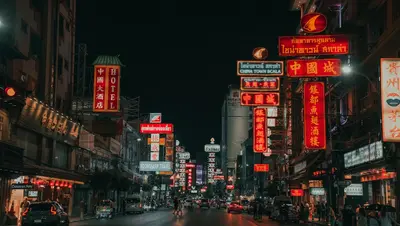
    A vibrant district full of golden temples, traditional shops and a world-famous street food scene that particularly comes alive in the evenings.
    Silom / Sathorn

    Silom / Sathorn

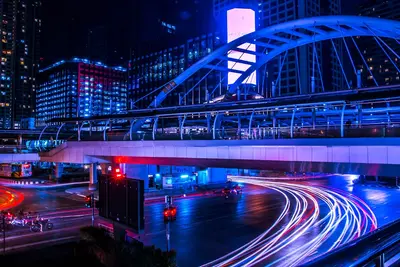
    A dynamic financial district that by evening transforms into a hotspot for upscale dining and dazzling nightlife, complemented by green oases like Lumphini Park.
    Bangkok

    Bangkok

    Bangkok is a vibrant metropolis that uniquely blends traditional Thai culture with modern city life. Here, you'll discover majestic temple complexes like the Grand Palace and the Reclining Buddha at **Wat Pho**, offering deep insights into Thailand's royal and Buddhist history. A boat trip on the Chao Phraya River reveals the city from a new perspective and takes you to landmarks such as the magnificent Wat Arun. The vibrant markets, including the colossal **Chatuchak Weekend Market**, are perfect for experiencing local products and authentic street food culture. In contrast, modern skyscrapers and shopping malls stand tall in districts like Sukhumvit. Ideally, visit Bangkok in the cooler months from November to February to avoid the heat. For efficient transportation, it's best to use the Skytrain (BTS) or Metro (MRT) to bypass traffic.
    Central Lowland (Chao Phraya Plain)

    Central Lowland (Chao Phraya Plain)

    The Central Plains of Thailand, dominated by the majestic Chao Phraya River, is the cradle of Thai civilization and the heart of the country.It captivates with vibrant metropolises, historical kingdoms, and fertile landscapes, offering deep insights into Thailand's culture and history.
    Rattanakosin Island (Old City)

    Rattanakosin Island (Old City)

    Bangkok's historic heart is home to the most magnificent temples and royal palaces, including the Grand Palace and Wat Pho.