Fernweh: Home
    ExploreTravel GuidesPlan a tripMy tripLast visited
    de|en
    All Places & RegionsAll highlightsAbout FernwehFAQPrivacy PolicyImprint
    ExploreTravel GuidesPlan a tripMy tripLast visited
    • Neighborhoods & highlights
    • Eat & drink
    • Food culture
    • Culture
    • Getting around
    • Accommodation
    • Plan trip
    • Nearby
    Yaowarat (Chinatown)

    Thailand

    Yaowarat (Chinatown)

    CityCulture

    Yaowarat is Bangkok's Chinatown, formed when the Chinese community relocated here from Rattanakosin during the construction of the Grand Palace.

    by Felix Gillen

    1. Home
    2. Destinations
    3. Thailand
    4. Bangkok
    5. Yaowarat (Chinatown)
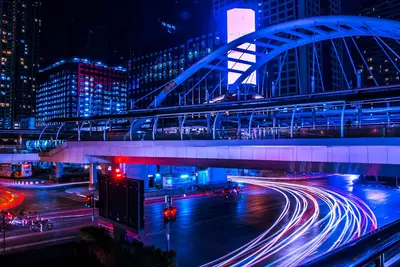
    Yaowarat is Bangkok's Chinatown, formed when the Chinese community relocated here from Rattanakosin during the construction of the Grand Palace. Along Yaowarat Road, gold shops, Chinese medicine pharmacies, shrines, and street food stalls jostle for space; their neon signs are inscribed in both Chinese and Thai.Key attractions include Wat Traimit, home to a 5.5-ton golden Buddha long hidden beneath a layer of stucco, and Wat Mangkon Kamalawat, Bangkok's most important Chinese-Buddhist temple on Charoen Krung Road. In Sampheng Alley and its side streets, wholesale trade predominates.In the evenings, the main street transforms into a food paradise: grilled seafood, noodle soups, roasted chestnuts, and desserts, available in permanent restaurants and from folding stalls on the pavement. The Wat Mangkon MRT station is located in the heart of the district. During Chinese New Year, Yaowarat gets notably crowded. Southwest of here is Talat Noi, a quieter alley district with workshops, old residential buildings, and cafés stretching down to the river.

    Sights in Yaowarat (Chinatown)

    Discover the most important sights and attractions

    1Wat Mangkon Kamalawat

    The largest and most important Chinese-Buddhist temple in Bangkok, founded around 1871 and just a few steps from the MRT station of the same name. Several successive courtyards, altars for Buddhas, deities, and ancestors side by side, thick smoke from incense. For Chinese New Year and the Kin Che Vegetarian Festival, the temple is the focal point of the district. Only take incense sticks if you use them; do not photograph over altars.
    Open in Google Maps

    2Wat Traimit (Golden Buddha)

    On the eastern edge of Yaowarat stands the temple with a seated Buddha statue in Sukhothai style made of solid gold, weighing approximately 5.5 tons. It was long covered in stucco and was only recognized as a gold figure in 1955 when it fell during relocation and its casing broke open. On the lower floors, two exhibitions showcase the history of the figure and the history of Chinese immigration to Bangkok.
    Open in Google Maps

    3Sampheng Lane (Soi Wanit 1)

    The alley where the Chinese community settled after 1782 is today a wholesale street: fabrics, buttons, packaging, toys, paper goods, dry goods, all in a cramped space. Busy during the day and so narrow that carts and motorcycles push their way between the displays. No place to linger, but a good insight into the daily life of the district.
    Open in Google Maps

    4Gold Shops of Yaowarat Road

    Along the main thoroughfare, dozens of gold shops with red signs line up, many family-owned. Trading takes place by weight, measured in the Thai unit Baht, and at the daily rate. Here, gold is considered a store of value. Even without buying intent, these shops shape the streetscape by day.
    Open in Google Maps

    Essen & Trinken

    Food stalls of Soi Phadungdao

    The side alley on Yaowarat Road, where charcoal grills and folding tables appear in the evenings. Specializing in seafood on ice, charged by weight, plus noodle dishes and wok cuisine. Open from around 6 PM until late. Enquire about prices beforehand, especially for crabs and prawns.
    Show on Google Maps

    Unbekannter Ort

    Evenings, the main thoroughfare becomes a food street: stalls offering Kuay Jap, fried noodles, oyster omelets, braised dishes with rice, mango sticky rice, coconut ice cream. Eating is done standing or at folding tables along the curb. It's liveliest from early evening until late night.
    Show on Google Maps

    Eating and Drinking in Yaowarat

    Yaowarat is Bangkok's food district. The cuisine is Chinese-Thai influenced, with Teochew roots: plenty of pork and duck, steamed and braised dishes, rice soup, noodles in clear broth, seafood from charcoal grills. The offerings are divided into two layers — during the day, the old shophouse restaurants and markets; from evening onwards, the street food stalls on Yaowarat Road's sidewalks and in the side alleys.

    Kuay Jap Nam Sai

    Rolled rice ribbons in a clear, peppery broth with pork and offal, a Teochew dish for which Yaowarat is known. Cooked at several stalls.

    Slow-Cooked & Braised Dishes

    Braised goose and duck, rice soup, pork knuckle with rice, Dim Sum. The old shophouse restaurants feature long cooking times and short menus.

    Seafood off the Grill

    Evenings, grills are set up for cooking prawns, mussels, and fish, with fresh displays kept on ice. Often paid by weight, so confirm price beforehand.

    Kin Che, Vegetarian Festival

    In the ninth Chinese lunar month, usually in September or October, many kitchens cook for nine days without meat, fish, and strong spices. Yellow flags with red writing mark the participating stalls.

    Sweets and Drinks

    Mango with sticky rice, coconut ice cream, Chinese herbal teas, sweetened bean soups, toast with condensed milk. Plus old coffee houses with Oliang, the dark iced coffee.

    The Chinese Bangkok

    Yaowarat is the city's oldest immigrant district. When Rama I relocated the capital to the east bank in 1782, a Chinese trading settlement stood where the Grand Palace is today. It was moved southeast, along Sampheng Lane and later Yaowarat Road, built between 1892 and 1900. This relocation gave rise to the district: densely built, commercial, with Chinese dialects spoken daily.Gold, Trade, OriginsThe majority of families originate from the Teochew-speaking south of China, along with Hakka, Hokkien, and Cantonese communities. The most visible business is the gold trade: Dozens of gold shops with red signs line Yaowarat Road, where bars, chains, and pendants are sold by weight and daily price. Gold is considered an investment here. Behind them are Sampheng's wholesale alleys, featuring fabrics, buttons, packaging, toys, and dried goods.Temples and FestivalsWat Mangkon Kamalawat, founded around 1871, is Bangkok's largest and most important Chinese Buddhist temple: multiple courtyards, incense, altars for Buddhas, deities, and ancestors side-by-side. Chinese New Year is celebrated, and for the Vegetarian Festival, Kin Che, in the ninth lunar month, yellow flags with red script hang in the district, and many kitchens cook without meat, fish, or strong spices.EtiquetteIn Chinese temples: only take incense sticks if you intend to use them, do not photograph over altars, and do not obstruct worshippers.People work in Sampheng's wholesale alleys. Carts have right of way, and stopping for photos blocks operations.Gold is traded by weight and daily price. Anyone offering you a special deal on the street is not selling real gold.


    Exploring locally

    Yaowarat is a district for walking. The main thoroughfare, Yaowarat Road, is around 1.5 kilometers long, with parallel and cross-cutting alleys. Vehicles often move slower here than you do on foot.MRT: The Wat Mangkon station (Blue Line) is located in the middle of the district on Charoen Krung near the temple and offers the best access. Neighboring stations are Sam Yot to the northwest and Hua Lamphong at the old main train station to the east.BTS: No station in the district.Express Boat: The Ratchawong pier is on the southwestern edge, a few minutes' walk from Yaowarat Road. Convenient if you are coming from the river or Rattanakosin.Timing: By day, the district is for commerce: gold shops, wholesale alleys, markets. In the evening, the street food stalls set up. Both halves are worth a separate visit.On Foot: The sidewalks are narrow and occupied by stalls. Watch out for motorcycles and keep an eye on your valuables. It gets slippery when it rains.Taxi and Tuk-Tuk: In the evening, traffic on Yaowarat Road often comes to a standstill. Get off at Charoen Krung or the MRT station and walk the last stretch.

    Accommodations in Yaowarat (Chinatown)

    Find perfect stay in Yaowarat (Chinatown)

    Booking.com* (Affiliate link)
    Search Hotels
    Agoda* (Affiliate link)
    Search Hotels
    Airbnb
    Vacation Rentals

    * Affiliate link: if you book through it, we earn a small commission. The price stays the same for you.

    Plan your trip to Yaowarat (Chinatown)

    Save places, build a route and plan your city trip, all in one place.

    1. 1
      Sunrise over alpine peaks and a sea of clouds
      1234

      Round trip

      12 days · 4 stops

      Saved

      Pick a route

      Pick a ready-made one or save places and plan your own.

      Open bookmarks
    2. 2

      Trip to Yaowarat (Chinatown)

      Live
      • 1Wat Mangkon Kamalawat3 days
      • 2Wat Traimit (Golden Buddha)4 days
      • 3Sampheng Lane (Soi Wanit 1)5 days
      Budget

      Plan your trip

      The planner sorts stops, days and budget. Plan together in real time.

      Start trip planning
    3. 3
      9:41 No signal
      Yaowarat (Chinatown)
      Available offline

      Use it on the road

      Download the guide to your phone and use it on site, even offline.

    Nearby

    Bangkok

    Bangkok

    Bangkok is Thailand's capital and by far its largest city, where Buddhist temples, street food, and high-rise districts lie closely side by side. Along the Chao Phraya River stand the Grand Palace with the Emerald Buddha, Wat Pho with its 46-meter-long Reclining Buddha, and opposite, Wat Arun. Markets like the Chatuchak Weekend Market and the street food of Yaowarat showcase daily city life, while Sukhumvit and Siam are known for shopping malls and nightlife. The most pleasant time to visit is from November to February. You can avoid traffic jams with the Skytrain (BTS), Metro (MRT), and river boats.
    Central Lowland (Chao Phraya Plain)

    Central Lowland (Chao Phraya Plain)

    The Central Lowland is the plain of the Chao Phraya between Nakhon Sawan and the Gulf of Thailand. On this fertile alluvial land, the country's centers of power successively emerged: Dvaravati cities like Nakhon Pathom, then Ayutthaya and finally Bangkok.Destinations include the Ayutthaya Historical Park, the Bang Pa-In Summer Palace, the Khmer structures and the Narai Palace in Lopburi, as well as Phra Pathom Chedi in Nakhon Pathom. Most places are reachable from Bangkok within one to three hours.
    Rattanakosin (Old City)

    Rattanakosin (Old City)

    Rattanakosin is the historical heart of Bangkok: an artificial island encircled by the Chao Phraya River and a ring of canals. King Rama I founded it in 1782 as the new capital after Ayutthaya's destruction, arranging the palace, temples, and administrative buildings at its center.Here stands the **Grand Palace** with the Temple of the Emerald Buddha (Wat Phra Kaeo) and, a few minutes south, **Wat Pho** with the Reclining Buddha and a Thai massage school. Across the river, **Wat Arun** rises, which ferries from Tha Tien Pier access. Also here are the National Museum at Sanam Luang, Museum Siam, and Wat Suthat with the Giant Swing.A dress code applies to the palace and temples, strictly enforced at the palace: shoulders covered, long trousers or long skirts, no sleeveless tops. The Sanam Chai MRT station is right by Wat Pho; otherwise, you can easily get around by express boat. To the north, the district around Khao San Road connects. Locally offered 'special tours,' claiming the palace is supposedly closed, are a well-known scam.
    Riverside (Chao Phraya)

    Riverside (Chao Phraya)

    The Chao Phraya is Bangkok's most important waterway and one of the most revealing perspectives on the city. Along its banks, temples, old trading houses, cargo piers, and modern high-rises line up. In the Riverside district, historic hotels stand next to large shopping centers on the Thonburi side.The Chao Phraya Express Boats operate between numerous piers and are often the most practical means of transport for visitors: Sathorn Pier connects to the BTS Skytrain, and further north are the piers for Wat Arun, Wat Pho, and the Grand Palace. Small cross-river ferries connect the two sides of the river.In the evening, dinner boats cruise up and down the river, and waterside night markets and restaurant terraces open. For those who prefer peace, stroll through the alleys of Talat Noi and Chinatown, which reach right to the riverbank.
    Silom / Sathorn

    Silom / Sathorn

    Silom and Sathorn form Bangkok's business district: two parallel main streets between Lumphini Park and the Chao Phraya, lined with office towers, banks, and embassies. During the day, rush hour traffic and street food stalls in the side streets define the scene.At the eastern end lies Lumphini Park, where Tai Chi groups and joggers are out in the mornings and monitor lizards live by the ponds. On Silom Road stands the Hindu Sri Maha Mariamman Temple with its colorful Gopuram, founded by the Tamil community.In the evenings, life shifts to the Sois: The night market of Patpong, the bars of Soi 4, and restaurants on Convent Road are just a few minutes apart, plus there are rooftop bars in the skyscrapers. Connectivity is good: BTS Sala Daeng and Chong Nonsi, MRT Si Lom and Lumphini. At the river end, the BTS Saphan Taksin station takes you directly to the express boat pier.

    Sources & method

    • Photos: Unsplash. Each photo carries its credit.
    • The content is based on web research from public, traceable sources. How the content is made · The role of AI