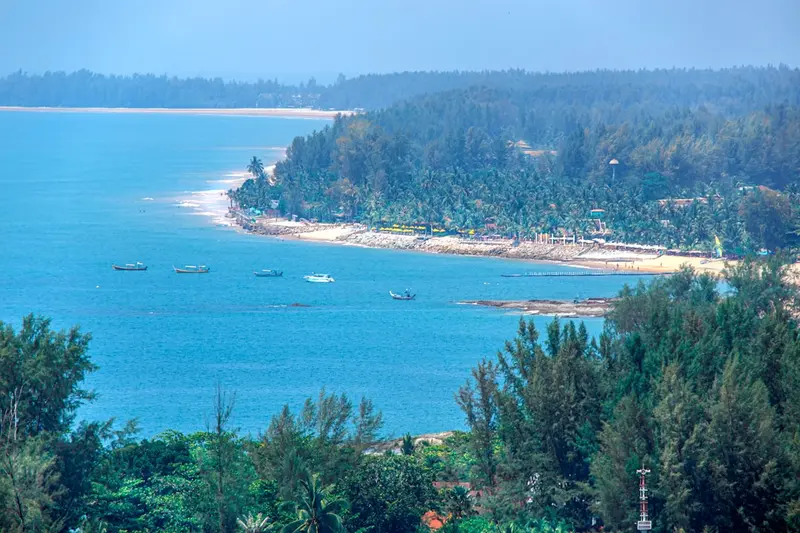
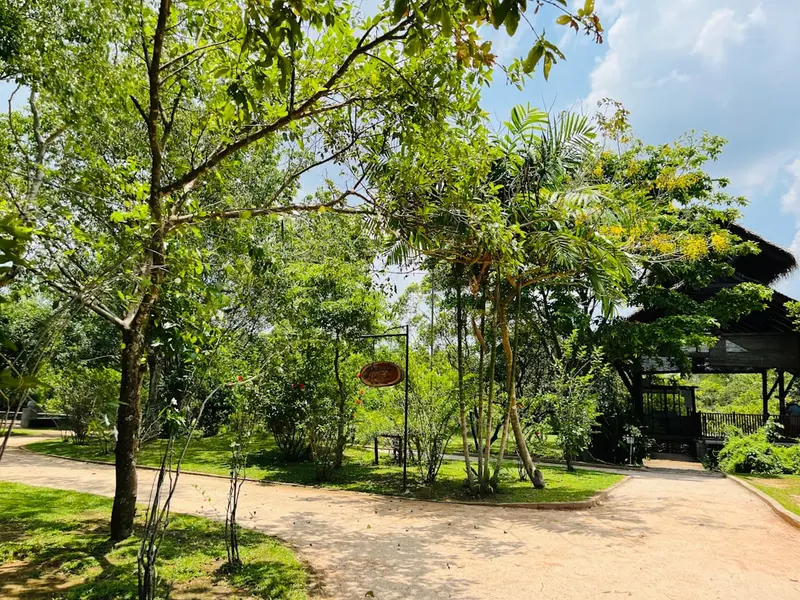
The Khao Yai Region lies about 180 kilometers northeast of Bangkok. Its heart is the Khao Yai National Park, founded in 1962 as Thailand's first national park and part of the UNESCO World Heritage Site Dong Phayayen-Khao Yai.
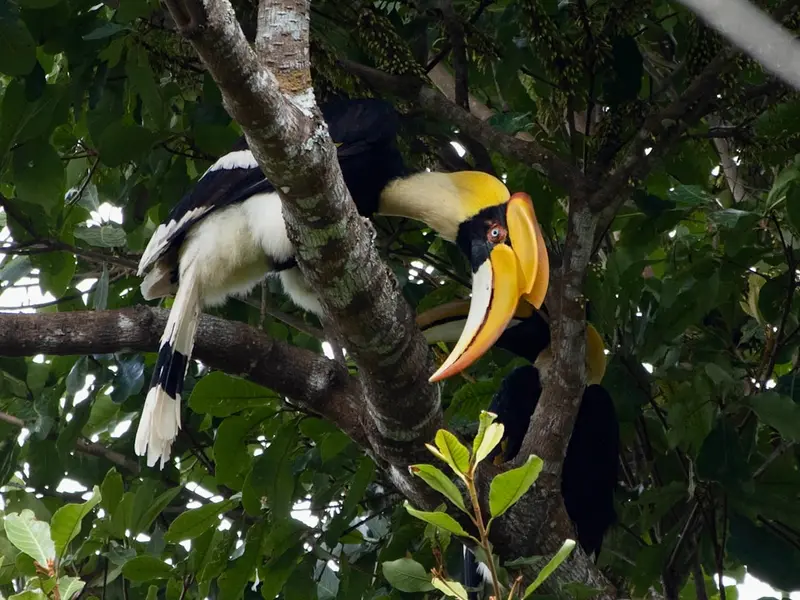
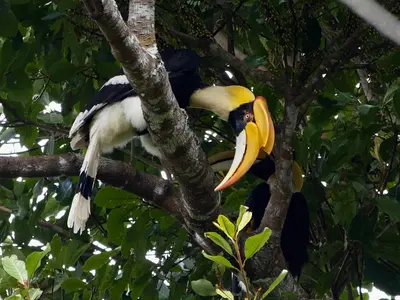
The Khao Yai Region lies about 180 kilometers northeast of Bangkok. Its heart is the Khao Yai National Park, founded in 1962 as Thailand's first national park and part of the UNESCO World Heritage Site Dong Phayayen-Khao Yai. The park offers rainforest, waterfalls, wild elephants, gibbons, and hornbills.Around Pak Chong, outside the park gate, are wineries, cafés, and amusement parks, popular with Bangkok day-trippers on weekends.
The Khao Yai Region comprises the national park and the Pak Chong area. At 2,168 square kilometers, the park is Thailand's third largest. It features the Haew Suwat and Haew Narok waterfalls, salt-lick grasslands, and wildlife: elephants, gibbons, and hornbills. Wineries such as GranMonte are outside the park. November to February is dry and cool, best for hiking and wildlife spotting. Allow at least two days for the park.
Place 1 of 2
Khao Yai National Park
Khao Yai National Park was Thailand's first national park in 1962 and is part of the Dong Phayayen-Khao Yai Forest Complex, a UNESCO World Heritage site.
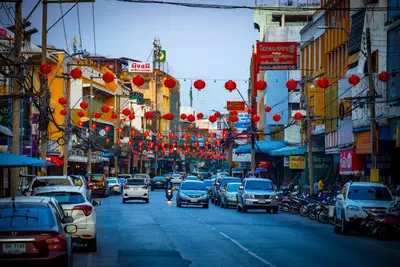
Pak Chong is the northern gateway to Khao Yai National Park. It's a bustling provincial town on the railway and main road from Bangkok to Korat; most accommodations are along the road to the park entrance.
Discover the most important sights and attractions
Khao Khiao Grassland
An open grassland on the plateau of Khao Yai National Park, existing as its own habitat amidst the dense forest stands. These areas serve as grazing grounds for the park's large herbivores – Sambar deer are regularly seen; gaurs and elephants, if you're lucky. Your chances are best at dawn and during the evening twilight. Bring binoculars and keep your distance; elephants in the park are wild and unpredictable.
A natural salt lick in Khao Yai National Park. Here, herbivores take in minerals from the soil, which is why wildlife regularly gathers at such spots – Sambar deer and muntjacs most often, gaurs and elephants more rarely. Observations are made from the platform, quietly and with binoculars. In the morning and during the last hours before nightfall, the chances are highest.
The park's highest waterfall in the south plunges in three stages over a total of approximately 150 meters, with the highest stage measuring about 80 meters. Access is currently closed until further notice, after a wooden bridge collapsed due to heavy rain. Before your visit, check with the park administration if it is open again.
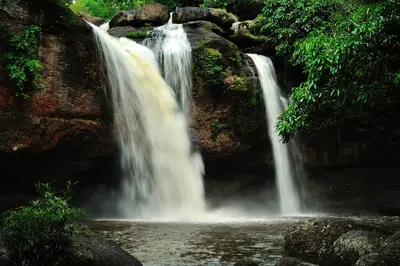
A roughly 20-meter-tall waterfall in the middle of the park, accessible via a short staircase from the park road and thus the most visited. It gained fame from the film “The Beach”. Below, there's a pool. During the dry season, it carries considerably less water.
A simple Thai restaurant in the Khao Yai region, part of an accommodation complex. The menu sticks to standard Thai cuisine, and the decor is functional. Convenient if you're staying nearby and don't want to drive to Pak Chong for every meal.
An eatery near Khao Yai National Park, serving everyday Thai cuisine. The decor is simple, and the operation is geared towards quick meals. Suitable for a meal before or after exploring the park, but without any special culinary ambitions.
A small Thai spot near Khao Yai National Park, geared towards locals. The decor features simple tables, and an English menu isn't always available. Eat here and you'll get everyday Thai cooking – be prepared for spice.
The canteen at the headquarters of Khao Yai National Park, set up for park visitors and staff. Simple Thai food is served over the counter, eaten at tables under a roof. Its value lies in its location: within the park itself there are few other food options, and the paths between the waterfalls and viewpoints are long.
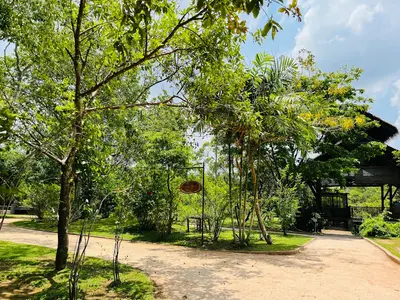
A Thai restaurant in the Khao Yai region, open-plan and integrated into the surrounding landscape. The menu focuses on Thai cuisine, and the clientele is a mix of travelers and weekend guests from Bangkok – Khao Yai is the capital's closest weekend destination. Expect crowds on weekends.
Khao Yai is located on the border between Central Thailand and Isan, which is reflected in its menus: alongside Central Thai curries and noodle dishes, you'll find Som Tam, Larb, and grilled chicken everywhere. Additionally, there's a second layer that distinguishes this region from others: agriculture at the mountain foothills, with dairy farming, fruit plantations, and vineyards, which has led to a distinct farm shop and café culture along Thanarat Road.
Som Tam, Larb and Gai Yang
The trio of papaya salad, minced meat salad, and grilled chicken with sticky rice comes from neighboring Isan and is standard here. You’ll find it at stalls along Thanarat Road and at the night market in Pak Chong, often much spicier than in Bangkok.
Regional Dairy Offerings
Around Pak Chong and Muak Lek lies a hub of the Thai dairy industry, established with Danish support in the 1960s. At the farm shops, you can find fresh milk, yogurt, ice cream, and milk candies, which are considered a typical souvenir.
Wine from the Asoke Valley
The region's wineries grow Shiraz, Chenin Blanc, and Tempranillo, among others. This type of cultivation is called New Latitude Wine and works with a pruning schedule adapted to the tropics. Tastings usually take place in the morning, and there are also restaurants on the estates.
Grilled Corn and Field Crops
Along the roads around Pak Chong, regional sweet corn is sold, cooked and grilled, alongside sweet potatoes and peanuts. The hillsides are cultivation areas for corn and manioc, so the offerings at the stalls change seasonally.
Coffee and Coffee Shops on Thanarat Road
The History
Khao Yai was established in 1962 as Thailand's first national park. In 2005, UNESCO inscribed the Dong Phayayen-Khao Yai Forest Complex, to which the park belongs, on its World Heritage List.The park is known for its elephants. Animals have repeatedly died at Haew Narok Waterfall; in 2019, eleven elephants plunged to their deaths there. Wineries and resorts have grown around Pak Chong since the late 1980s; it's now a popular weekend spot for Bangkok residents.
Exploring Locally
Pak Chong is about 180 kilometers from Bangkok, a drive of around two and a half to three hours. It gets busy on weekends and public holidays.By train, the journey to Pak Chong takes three to four hours; buses and minivans cover the same route. From Pak Chong, Thanarat Road (Highway 2090) leads about 20 kilometers south to the northern park entrance. Most accommodations and wineries are located along this road.Rental car is the most practical option, as destinations within the park are far apart. There is no public transport inside the park.Without your own vehicle, you can reach the park gate by Songthaew; after that, you'll need a booked tour. Guided tours are advisable for wildlife observation anyway.Two entrances lead into the park: in the north near Pak Chong and in the south near Prachinburi. The gates are open daily from 6 AM to 6 PM.From November to February, it is dry and cool. From June to October, there is heavy rainfall, and the waterfalls carry the most water; watch out for leeches on forest trails. Maintain distance from elephants on the road.For current safety and health advice, please consult the German Federal Foreign Office.