Fernweh: Home
    ExploreTravel GuidesPlan a tripMy tripLast visited
    de|en
    All Places & RegionsAll highlightsAbout FernwehFAQPrivacy PolicyImprint
    ExploreTravel GuidesPlan a tripMy tripLast visited
    • Overview
    • Places in the region
    • Food culture
    • Culture
    • Getting around
    • Round trips
    • Nearby
    Istanbul & Marmara

    Turkey

    Istanbul & Marmara

    Region

    The region around the Sea of Marmara connects Europe and Asia: to the north Thrace with Istanbul and Edirne, to the south Bursa and the Dardanelles near Çanakkale.

    by Felix Gillen

    1. Home
    2. Destinations
    3. Turkey
    4. Istanbul & Marmara
    The region around the Sea of Marmara connects Europe and Asia: to the north Thrace with Istanbul and Edirne, to the south Bursa and the Dardanelles near Çanakkale. Here you'll find Byzantium and the three early Ottoman capitals, plus Gallipoli and the excavations of Troy. Istanbul is the hub; you can reach the other destinations from there by bus, ferry, or car.
    OverviewIstanbul is located on the Bosphorus between the Black Sea and the Sea of Marmara, while Edirne lies in the far northwest of Thrace. Bursa, at the foot of Uludağ, was the first capital of the Ottomans, Edirne the second, and Istanbul the third from 1453. In the southwest, fortresses guard the Dardanelles, beyond which lie Gallipoli and Troy.Best Time to Visit and Getting ThereApril and May, as well as September and October, are the most pleasant months, with mild temperatures and fewer crowds than in the hot July and August. Winter is cool and humid, with most rain falling in December. Most travelers land at one of Istanbul's two airports and continue their journey from there by bus, ferry, or car.What to ExpectWorld Heritage: Istanbul's historic areas, the Selimiye in Edirne, Bursa with Cumalıkızık, and Troy are on the UNESCO list.20th Century History: The battlefields of Gallipoli are now protected as a Historical Site.Cuisine: İskender Kebap from Bursa, Tava Ciğer from Edirne, fish from the Dardanelles, and Meze in Istanbul.
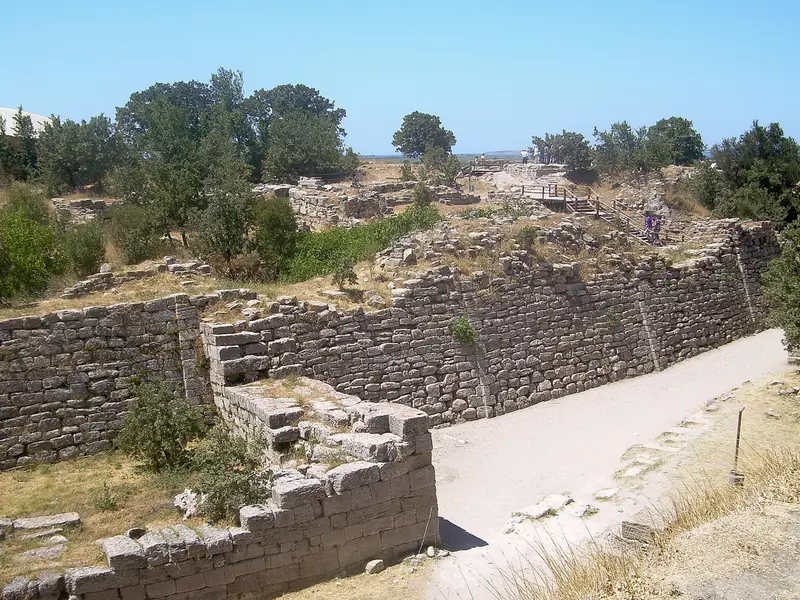
    Troy
    CherryX / Wikimedia Commons / CC BY-SA 3.0

    Place 1 of 4

    Troy

    Troy is located on Hisarlık Hill, about 30 kilometers southwest of Çanakkale, near the southern entrance of the Dardanelles. The excavation site reveals settlement layers spanning approximately 4,000 years and has been a UNESCO World Heritage site since 1998.

    Discover
    Edirne

    Place 2 of 4

    Edirne

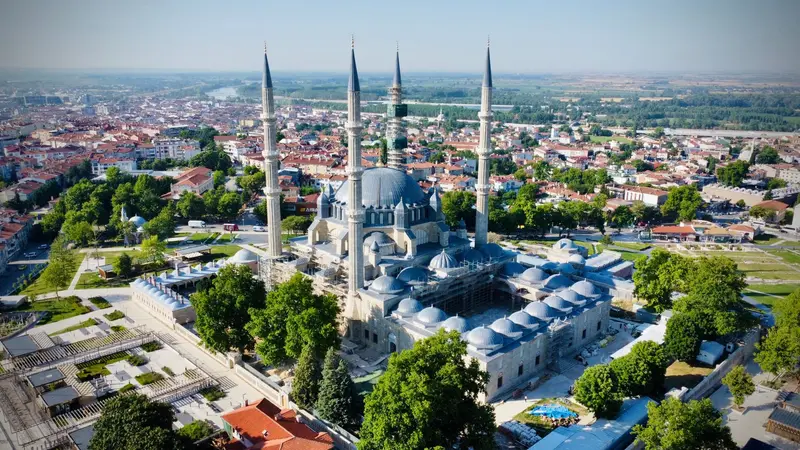
    Edirne is located in Turkey's far northwest, in the European part of Thrace, about two and a half hours' drive from Istanbul.

    Discover
    Çanakkale

    Place 3 of 4

    Çanakkale

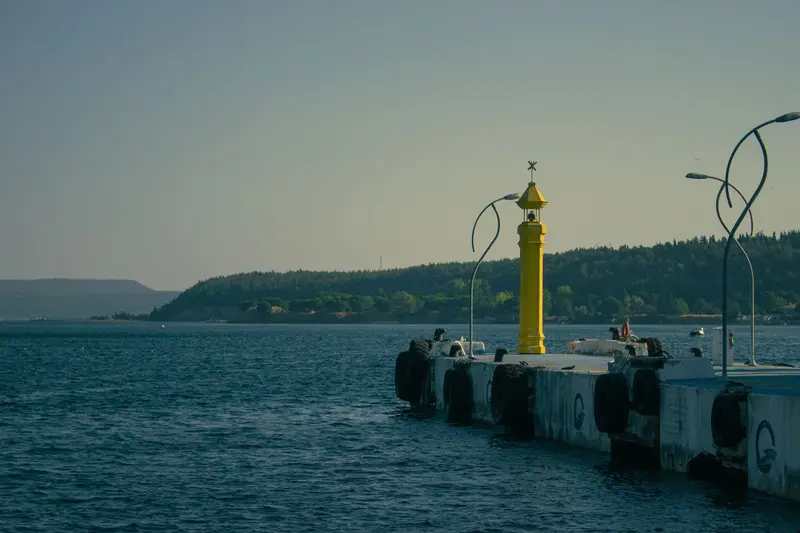
    Çanakkale lies at the narrowest point of the Dardanelles, on the Asian side of the strait connecting the Marmara and Aegean Seas. This lively student city is the starting point for the battlefields of Gallipoli and the excavations of Troy.

    Discover
    Bursa

    Place 4 of 4

    Bursa

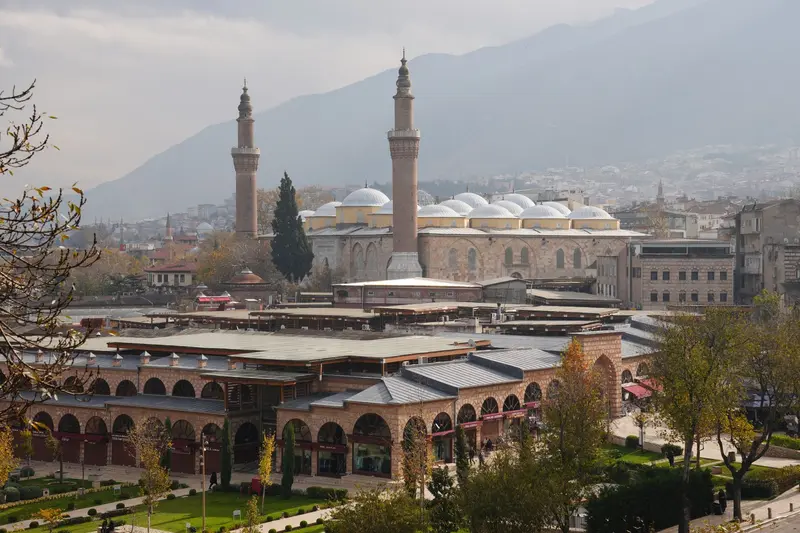
    Bursa is located on the northern slope of Uludağ, south of the Marmara Sea, and about two hours from Istanbul.

    Discover

    More places in Istanbul & Marmara

    Istanbul

    Istanbul

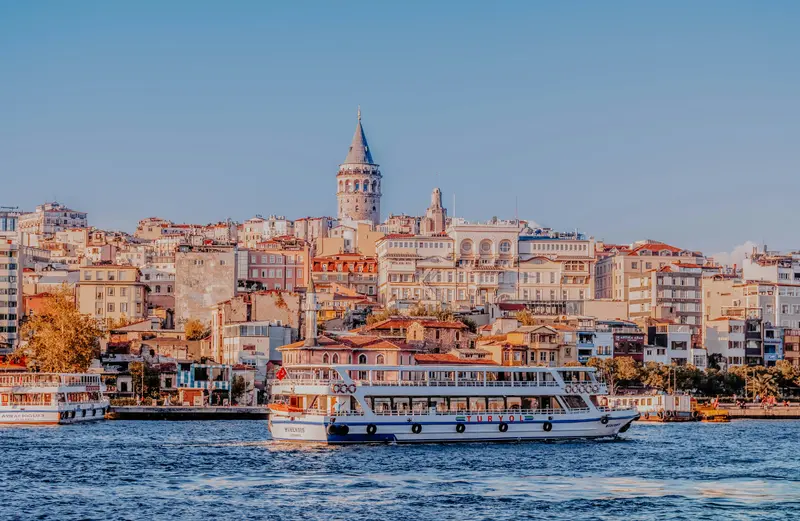
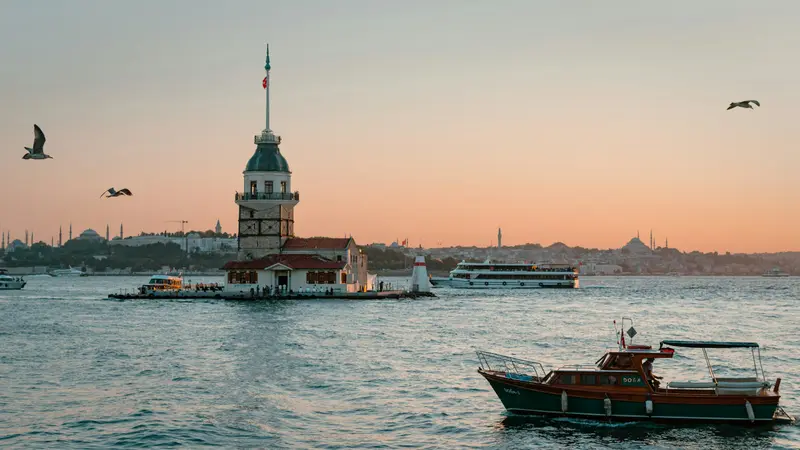
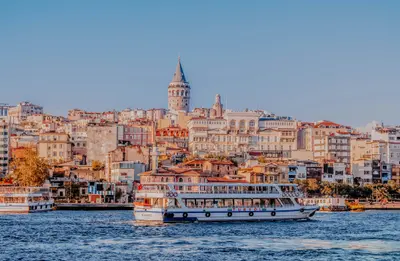
    Spanning Europe and Asia, Istanbul sits on the Bosphorus, linking Black and Marmara Seas. Byzantine churches, Ottoman mosques, and lively nightlife make Turkey's largest city the start of many Turkey trips. Most sights lie on historic Sultanahmet peninsula, south of the Golden Horn. North of it, Karaköy and Beyoğlu offer Galata Tower and bars. The Asian side's Kadıköy is a hub for market, food, nightlife.

    Food & Drink

    Every town in the region has its own signature dish. Plus, fish and cheese from the coasts of Thrace and the Dardanelles.

    İskender Kebap

    Thinly sliced meat from a vertical skewer with yogurt and pide, traditionally invented in Bursa in 1867.

    Tava Ciğer

    Thinly sliced, fried liver, the most famous dish from Edirne.

    Balık Ekmek

    Fish sandwiches on the shores of Eminönü and Karaköy in Istanbul.

    Ezine Cheese

    White cheese from the Çanakkale region with EU Protected Designation of Origin.

    Culture & History

    Byzantium and the OttomansConstantinople was the capital of the Roman Empire from 330. In 1326, the Ottomans conquered Bursa and made it their first capital, followed by Edirne in the 1360s. After 1453, Istanbul became the capital and remained so until the end of the empire.Architect SinanMimar Sinan shaped the region in the 16th century. In Istanbul, he built the Süleymaniye Mosque, and in Edirne, the Selimiye, which he himself called his masterpiece.The DardanellesAlong the strait lie Troy, whose settlement layers date back to approximately 3500 BC, and the battlefields of Gallipoli from 1915 and 1916.

    Arrival & On the Way

    ArrivalIstanbul Airport on the European side and Sabiha Gökçen on the Asian side are the gateways to the region. Çanakkale has a small airport with connections from Ankara.Between the CitiesTo Bursa: Fast ferries from Istanbul to Mudanya or Güzelyalı, then about 30 minutes to the city. By car via the Osmangazi Bridge, about two to two and a half hours.To Edirne: Long-distance buses from Istanbul's Otogar in about three and a half hours; by car, about 235 kilometers.To Çanakkale: Long-distance buses from Istanbul, Bursa, and İzmir, via the 1915 Çanakkale Bridge since 2022.TipA circular tour Istanbul, Edirne, Çanakkale including Troy and Gallipoli, Bursa, and back to Istanbul by ferry connects the region without redundant routes.
    Round trips through this region

    Turkey classics: Istanbul, Aegean and Cappadocia

    Turkey classics: Istanbul, Aegean and Cappadocia

    The route connects the stops that most first-time visitors come to Turkey for: Istanbul, Troy, Ephesus, the travertine terraces of Pamukkale, the Antalya Riviera, Konya, and the valleys of Cappadocia. You cover these stages by long-distance bus, train, or rental car; for the return journey to Istanbul, a domestic flight from Kayseri is recommended.

    15 Days
    7 stops
    Open jaw

    Nearby

    Istanbul

    Istanbul

    Spanning Europe and Asia, Istanbul sits on the Bosphorus, linking Black and Marmara Seas. Byzantine churches, Ottoman mosques, and lively nightlife make Turkey's largest city the start of many Turkey trips. Most sights lie on historic Sultanahmet peninsula, south of the Golden Horn. North of it, Karaköy and Beyoğlu offer Galata Tower and bars. The Asian side's Kadıköy is a hub for market, food, nightlife.
    Bursa

    Bursa

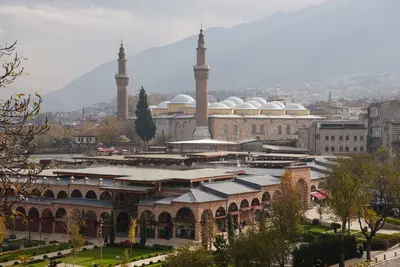
    Bursa is located on the northern slope of Uludağ, south of the Marmara Sea, and about two hours from Istanbul. As the first capital of the Ottomans, the city preserves early mosques, tomb complexes, and khans, which, along with the village of Cumalıkızık, are UNESCO World Heritage sites. The attractions are concentrated in the bazaar district around Ulu Cami and Koza Han, as well as on the Green Mosque hill further east. With approximately 3.3 million inhabitants in the province, Bursa is one of Turkey's major cities.
    Çanakkale

    Çanakkale

    Çanakkale lies at the narrowest point of the Dardanelles, on the Asian side of the strait connecting the Marmara and Aegean Seas. This lively student city is the starting point for the battlefields of Gallipoli and the excavations of Troy. Life unfolds on the Kordon, the waterfront promenade with the Trojan Horse, and in the alleys around the Clock Tower. Opposite, on the European side, are Kilitbahir and Eceabat, connected by short ferry rides.
    Edirne

    Edirne

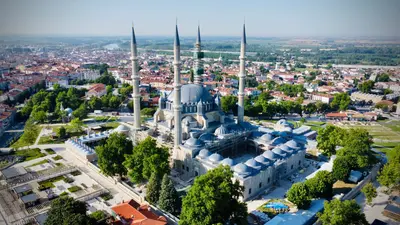
    Edirne is located in Turkey's far northwest, in the European part of Thrace, about two and a half hours' drive from Istanbul. The former Ottoman capital boasts the Selimiye Mosque, master architect Sinan's masterpiece, and an old town brimming with mosques and bazaars. You can reach the sights in the city center on foot; Kırkpınar Square is situated on the river island of Sarayiçi.
    Pergamon (Bergama)

    Pergamon (Bergama)

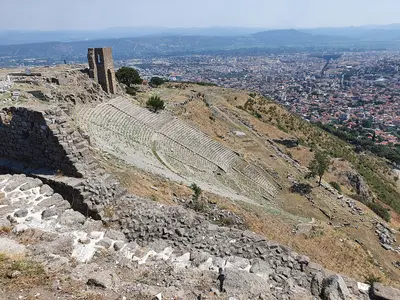
    Bergama is a small town about 100 kilometers north of İzmir, overlooked by the ruins of ancient Pergamon. You visit for its Acropolis with the steepest theatre of antiquity, the healing sanctuary Asklepieion, and the Red Hall in the town centre. Pergamon became UNESCO World Heritage in 2014.

    Sources & method

    • Photos: Unsplash. Each photo carries its credit.
    • The content is based on web research from public, traceable sources. How the content is made · The role of AI