Fernweh: Home
ExploreGuideDestinationsMy tripsMy trip
de|en
  • Why go
  • Highlights
  • Regions
  • Round trips
  • Local food
  • Good to know
  • Best time to visit
  • Travel advice
Guatemala

Photo by Paweł Wielądek on Unsplash

Travel Guide Guatemala

Check the UK FCDO travel advice for Guatemala: as of 15 November 2026 the FCDO advises against all but essential travel to within 5 km of the Mexican border from the Pacific coast up to and including the Gracias a Dios crossing, and to the…

by Felix Gillen

Why Go To Guatemala?

Hardly any country in Central America offers so much Maya culture in such a small area: from temple pyramids in the Petén rainforest to highland weekly markets where Spanish is often only a secondary language. Added to this are volcanic landscapes, Lake Atitlán, and Antigua, a colonial city that is a UNESCO World Heritage site. Festivals such as Semana Santa and the Giant Kites of Sumpango on November 1st are recognized by UNESCO as intangible cultural heritage.

Contents

  • Highlights
  • Regions
  • Round trips
  • Local food
  • Good to know
  • Best time to visit
  • Travel advice

Where in Guatemala?

Pick an area. The highlights, road trips and places below follow your choice.

Highlights in Guatemala

What you should have seen
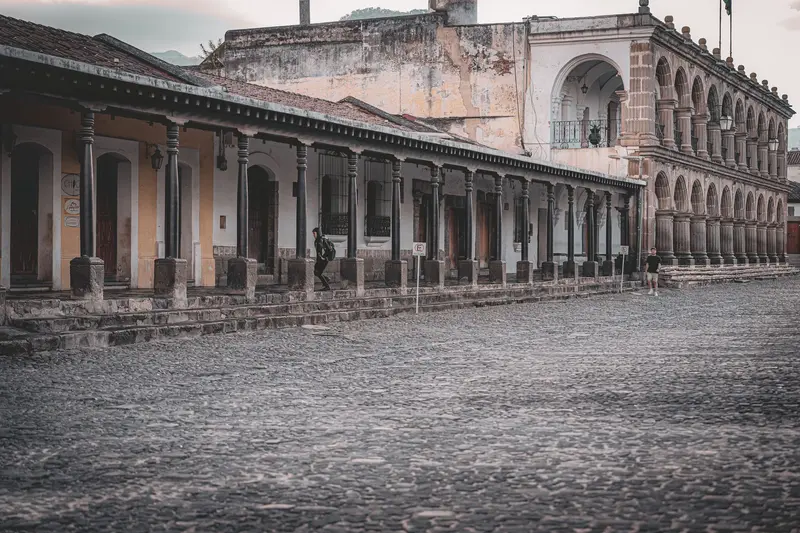
Antigua Guatemala

Photo by Mario Spencer on Pexels

Highlight 1 of 4

Antigua Guatemala

Antigua Guatemala is the former capital of the Spanish Captaincy General and has been a UNESCO World Heritage site since 1979.

Discover
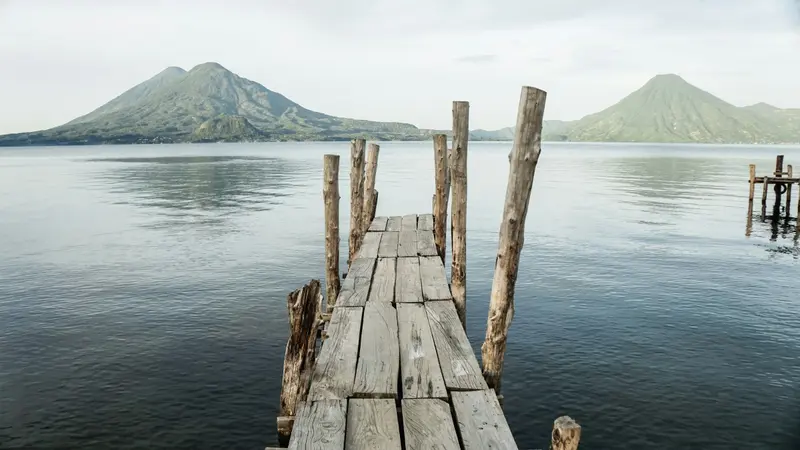
Lake Atitlán

Photo by Cameron Wilkins on Unsplash
Highlight 2 of 4

Lake Atitlán

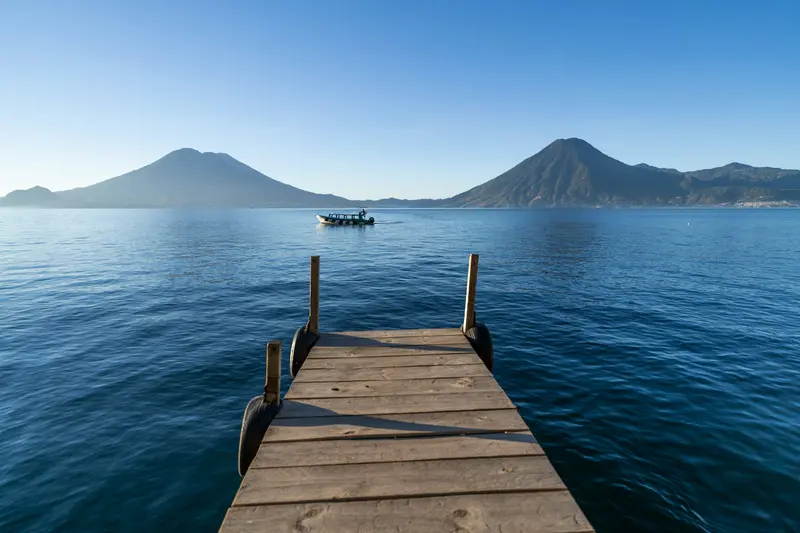
Lago de Atitlán is a crater lake in the Sololá department, approximately 1560 meters high in Guatemala's Western Highlands. On its shores stand the volcanoes Atitlán, Tolimán, and San Pedro, surrounded by Maya villages connected by boat.

Discover
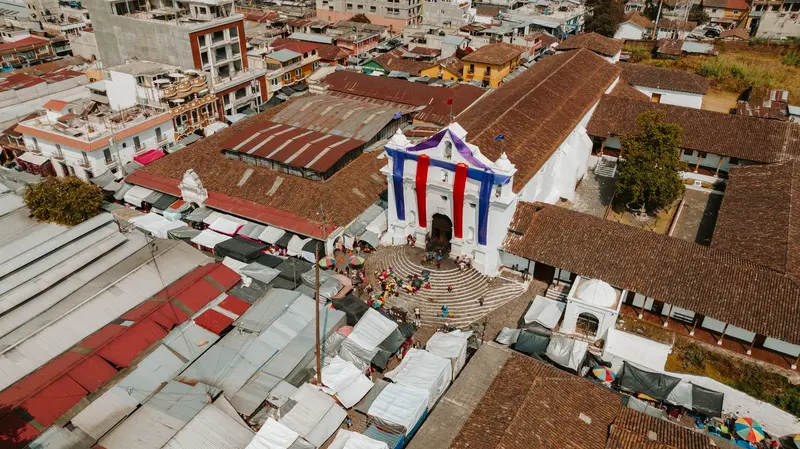
Chichicastenango

Photo by K on Pexels

Highlight 3 of 4

Chichicastenango

Chichicastenango is a K'iche' Maya town in the Quiché Department in the western highlands. It is known for its market on Thursdays and Sundays and for the rituals on the steps of Santo Tomás Church.

Discover
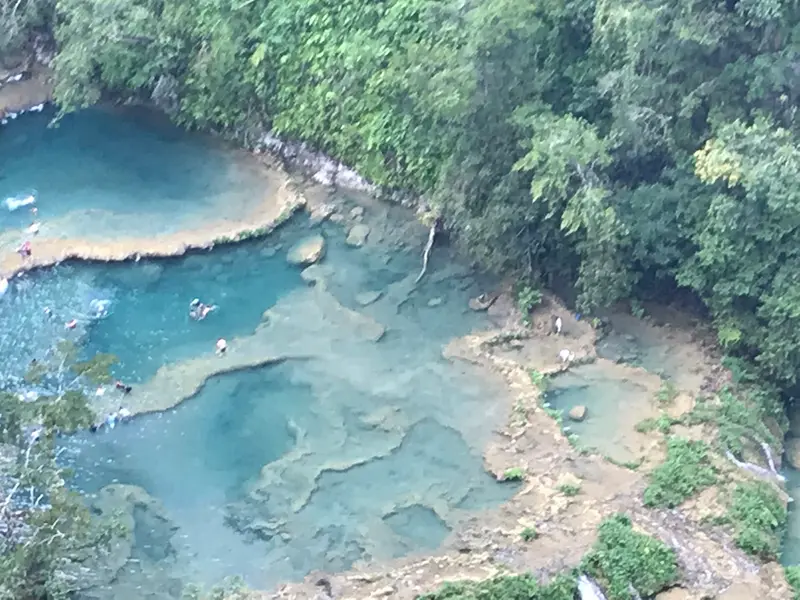
Semuc Champey

Betipá / Wikimedia Commons / CC BY-SA 4.0, mod.

Highlight 4 of 4

Semuc Champey

Semuc Champey is a natural limestone bridge, approximately 300 meters long, spanning the Río Cahabón, where turquoise pools cascade in terraces.

Discover

More highlights in Guatemala

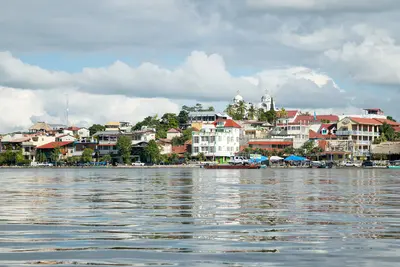
Flores

Flores

Flores is the small island town in Lago Petén Itzá and the capital of the Petén Department, connected by a causeway to Santa Elena on the mainland. Colourful houses, cobblestone streets, and lakeside paths make it a popular base for Tikal, which is about an hour away.The island is only a few blocks wide, and in its centre stands the Cathedral Nuestra Señora de los Remedios y San Pablo Itzá. Santa Elena on the mainland is more utilitarian; it's home to the airport, bus station, and many accommodations. You can cross to San Miguel on the opposite peninsula by small boats.

Edgouno·CC BY-SA 4.0

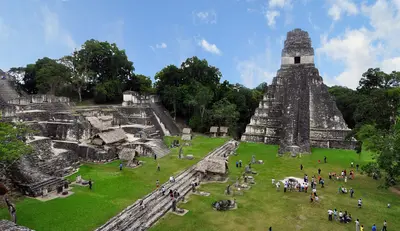
Tikal

Tikal

Tikal is one of the largest ruined cities of the Maya and is located deep in the rainforest of Petén, approximately 63 kilometers northeast of Flores. Temple pyramids towering above the canopy, plazas filled with stelae, and diverse wildlife make the national park a highlight of many Guatemala trips. The city was inhabited from the 6th century BC until the 10th century AD. The national park has been a UNESCO World Heritage site since 1979 and was inscribed under both cultural and natural criteria. At its center lies the Gran Plaza with Temple I and Temple II; to the west, Temple IV, the tallest structure of the site, rises with…

chensiyuan·CC BY-SA 4.0

Río Dulce

Río Dulce

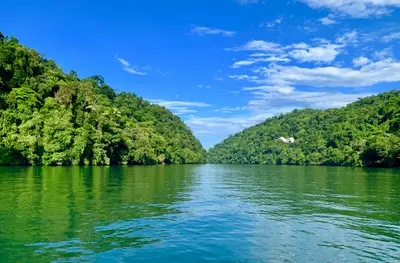
The Río Dulce connects Lago de Izabal with the Caribbean near Lívingston and flows through a jungle-clad limestone gorge. Many come for the boat trip to Lívingston, the Castillo de San Felipe, and the hot springs of Finca El Paraíso.The town of Río Dulce, also known as Fronteras, is located at the large road bridge where the river leaves the lake. Slightly west, the Castillo de San Felipe de Lara guards the narrowest point at the lake's exit. Downstream, the Río Dulce widens into El Golfete, home to the Biotopo Chocón Machacas protected area.

Weyden González·Unsplash

Lívingston

Lívingston

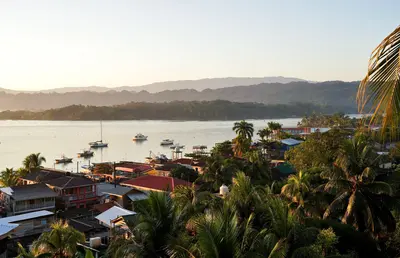
Lívingston is a Caribbean town at the mouth of the Río Dulce and the center of Garífuna culture in Guatemala. There's no road; you can only reach the town by boat from Río Dulce or Puerto Barrios, and the journey through the river gorge alone is worth it.In the town, Garífuna, Afro-Caribbean influences, Maya, and Ladinos mix. Typical is Tapado, a seafood stew in coconut milk. From the town, a path leads to the cascades of Los Siete Altares; you reach Playa Blanca by boat.Around November 26th, Lívingston celebrates National Garífuna Day for several days.

Exploraguate·CC BY-SA 4.0

Yaxhá

Yaxhá

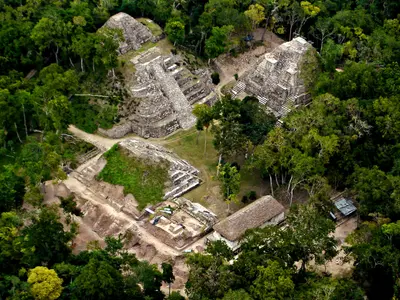
Yaxhá is a classic Maya city on a hill between Yaxhá and Sacnab lakes in eastern Petén, about 30 km southeast of Tikal. The site is smaller and quieter than Tikal, renowned for its sunset over the forest and lake.Yaxhá, Nakum, and Naranjo form the Yaxhá-Nakum-Naranjo National Park. The younger Postclassic site Topoxté is on a lake island.

Cafeyaxha·public domain

Pacaya Volcano

Pacaya Volcano

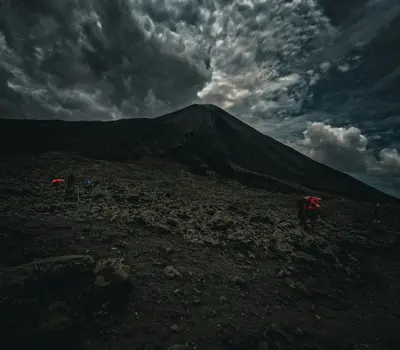
Check the UK FCDO Travel Advice for Guatemala before any volcano trip: the FCDO advises following the instructions of local authorities (CONRED and INSIVUMEH) and notes that there is no mountain rescue service (as of 15 November 2026). Pacaya is a 2,552-metre active volcano between the departments of Guatemala and Escuintla, south of Guatemala City. It lies within the Parque Nacional Volcán de Pacaya y Laguna de Calderas. The trail does not lead to the active crater but to a ridge on the flank with views of the lava fields. MacKenney Crater and the most recent lava flows are closed, and after eruptions the park sometimes closes…

Al Pie del Monte·Unsplash

Guatemala City

Guatemala City

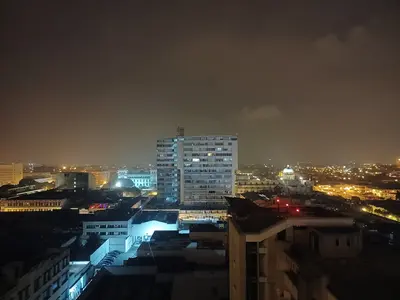
The Foreign Office warns of increased robberies in the business and entertainment districts of Zones 10 and 14, and on the airport route via Zone 13 (As of 15.11.2026). Guatemala City is the capital and, since its 1773 earthquake relocation, the seat of government. International flights land here.The museums are particularly worth visiting. The Museo Popol Vuh and Ixchel Textile Museum are on Universidad Francisco Marroquín campus in Zone 10. In the historical center, Zone 1, the Palacio Nacional de la Cultura stands on Plaza de la Constitución.

Simon Burchell·CC BY-SA 4.0

How to plan your trip to Guatemala

From the guide to the road: here is what comes next.

  1. 1
    Sunrise over alpine peaks and a sea of clouds
    1234

    Round trip

    12 days · 4 stops

    Saved

    Pick a route

    Pick a ready-made one or save places and plan your own.

    Browse routes
  2. 2

    Trip to Guatemala

    Live
    • 1Antigua Guatemala3 days
    • 2Lake Atitlán4 days
    • 3Chichicastenango5 days
    Budget

    Plan your trip

    The planner sorts stops, days and budget. Plan together in real time.

    Go to My Trips
  3. 3
    9:41 No signal
    Guatemala
    Available offline

    Photo by Paweł Wielądek on Unsplash

    Use it on the road

    Download the guide to your phone and use it on site, even offline.

Regions to Discover

Explore the diverse regions of Guatemala.
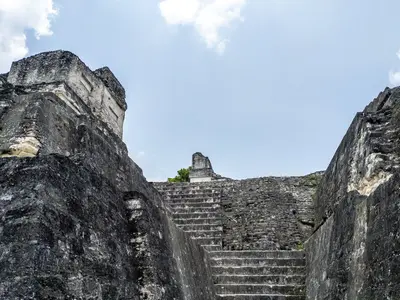
Petén

Petén

Petén is Guatemala's northernmost and largest department, located between Mexico to the north and west, and Belize to the east. Due to the Maya cities in the rainforest, especially Tikal, this region is the primary destination for many travelers to Guatemala.Its main town is Flores, situated on an island in Lago Petén Itzá. From here, you can reach Tikal, Yaxhá with the neighboring sites Nakum and Naranjo, as well as Uaxactún. The forests are home to jaguars, toucans, howler monkeys, and macaws, among other animals.According to the German Foreign Office, there is a risk of robberies in Flores and Tikal.

Matthias Stutzman·Pexels

Recommended Itineraries

Discover the best routes through Guatemala.
Guatemala in 16 Days: Highlands, Petén and Caribbean

Guatemala in 16 Days: Highlands, Petén and Caribbean

This tour combines colonial Antigua with Lake Atitlán and Chichicastenango market, leads through Semuc Champey pools into the Petén to Tikal and Yaxhá, concluding at Río Dulce and in Lívingston on the Caribbean. The longest stages are shuttle rides to Lanquín and on to Flores. Avoid night drives outside cities, as per the Foreign Office; check current travel/safety advisories before your trip.

16 Days
Stops at a glance
  1. 1.Antigua Guatemala
  2. 2.Panajachel
  3. 3.Antigua Guatemala
  4. 4.Lanquín
  5. 5.Flores
  6. 6.Río Dulce
  7. 7.Lívingston
View Route Details →

What you eat in Guatemala

Pepián

Hearty stew served with roasted sauce

Pepián is a meat dish in a thick sauce made from roasted tomatoes, miltomate, sesame, pumpkin seeds, and various chilies. There is a red and a black variety, served at family gatherings, weddings, and religious celebrations.

Kak'ik

Red Turkey Soup of the Q'eqchi'

Kak'ik is a turkey soup with pre-Hispanic roots from Alta Verapaz. The name comes from Q'eqchi' and refers to the red color and heat of the broth, made from roasted tomatoes, chilis, and spices. It is served with Tamalitos in banana leaf.

Jocón

Chicken in green sauce

Jocón is chicken in a green sauce made from miltomate, green tomatoes, onions, cilantro, and chili. The dish is associated with Huehuetenango.
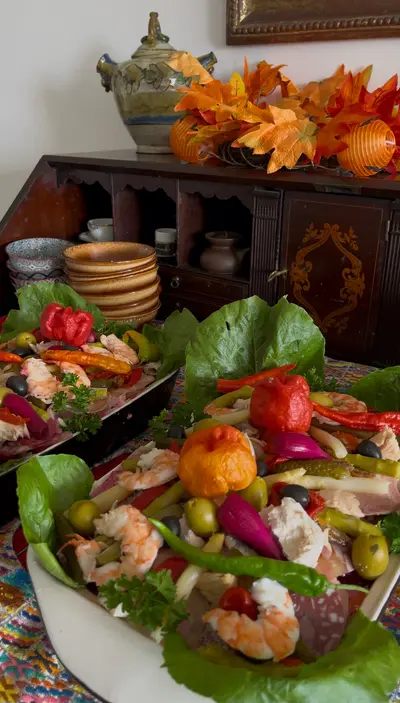
Fiambre

Luisfi·CC BY 4.0

Fiambre

Cold holiday salad for All Saints'

Fiambre is traditionally eaten on November 1st and often contains more than 50 ingredients, including vegetables, meat, sausage, and cheese. There is a red variant with beetroot and a white one; each family has its own recipe. Since 2019, its preparation is a Cultural Heritage of the Nation.

Plantains in mole

Plantains in chocolate sauce

For this dessert, plantains are fried and placed in a sauce of chocolate, pumpkin seeds, dried chilies, and sesame. Plátanos en mole have been recognized as a national heritage dish since 2007.
Café Antigua

Gerson Cifuentes·Unsplash

Café Antigua

Coffee with protected origin

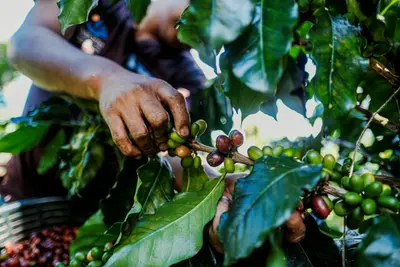
Coffee from the Departamento Sacatepéquez around Antigua has been registered in the EU since October 2026 as "Café Antigua," a protected geographical indication. The EU describes it as full-bodied, with notes of honey, caramel, apple, and roasted walnut.

Good to Know

Essential info for your trip planning.

Key facts

Guatemala City · 18.7 million (2025) · 108,889 km²

Land & People

Volcanoes, Highlands and RainforestA chain of volcanoes stretches through the highlands.

History & Society

Maya and Colonial PeriodThe Maya culture flourished during the Classic Period, approximately 250 to 900 AD.

Food & Drink

Stews with Mayan RootsHighland cuisine is based on corn, beans, chili, and hearty sauces made from roasted ingredients,…

Practical Info

For current and authoritative travel, safety and health advice, see the UK FCDO Travel Advice for Guatemala (gov.

Getting Around

Arrival and flightsInternational flights land at La Aurora airport (GUA) in Zone 13 of Guatemala City.

Traveling with Kids

Travelling with childrenThe highlands around Antigua and Lake Atitlán, with their mild climate, are the most…

Best Time to Visit

When is the best time for your trip?

November
December
January
February
March
19–22°C·2–30 mm(little rain)
From November to March, the highlands are dry and sunny, ideal for volcanoes, hikes, and Maya sites. This is also high season, with higher prices. Around Semana Santa, Antigua and Lake Atitlán are crowded, so book early. During the rainy season from May to October, it mainly rains in the afternoons; July and August often see a drier spell, the canícula.
Highlands (Antigua, Atitlán, Guatemala City): mild all year round, cool at night in winter, occasionally near freezing in Quetzaltenango.Petén with Flores and Tikal: mostly humid and hot; the rainy season can last until December. Remote ruins are best visited from February to May.Caribbean and Pacific coasts: humid heat, often tempered by sea breezes.Hurricane season from June to end of November with heavy rainfall and landslides.Climate data: Guatemala City (La Aurora), normal values 1991 to 2020 (INSIVUMEH, NOAA); average temperature as the mean of high and low values.

Seasons

Jan
Feb
Mar
Apr
May
Jun
Jul
Aug
Sep
Oct
Nov
Dec
Dry season
High season
Wet season
Best Time to Visit
▶Show detailed monthly data
MonthTemp (°C)Rain (mm)Sun (h)
January19.028.0
February20.348.4
March21.647.9
April22.4307.9
May22.11545.9
June21.12795.2
July21.12085.9
August21.12256.2
September20.82425.3
October20.41715.7
November19.6307.1
December19.256.7

Travel advice

Safety, entry requirements and health: the official, up-to-date advice for Guatemala is published by the UK government on GOV.UK.

Go to GOV.UK
Sources & method

  • Photos: Wikimedia Commons, Unsplash, Pexels. Each photo carries its credit.
  • The content is based on web research from public, traceable sources. How the content is made · The role of AI
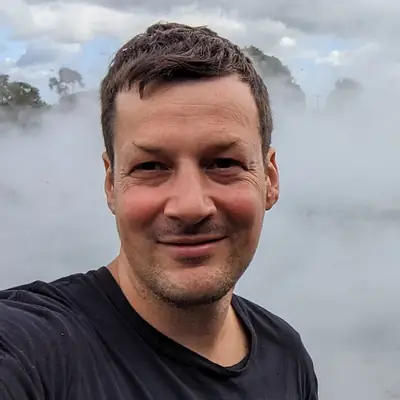
Felix at Kuirau Park in Rotorua, New Zealand

Who's behind Fernweh?

Hi, I'm Felix.

I love to travel, and I love planning even more. Fernweh.guide is my attempt at building a really good online travel guide.

About Fernweh

All places in Guatemala

  • Antigua Guatemala
  • Chichicastenango
  • Flores
  • Guatemala City
  • Lake Atitlán
  • Lanquín
  • Lívingston
  • Pacaya Volcano
  • Panajachel
  • Petén
  • Río Dulce
  • San Juan La Laguna
  • San Marcos La Laguna
  • Santiago Atitlán
  • Semuc Champey
  • Tikal
  • Volcano Acatenango
  • Yaxhá

More about Guatemala

  • Best Time to Visit Guatemala
  • Guatemala with Kids
All Places & RegionsRound tripsNight trains in EuropeAll highlightsAbout FernwehFAQPrivacy PolicyImprint
Download on the App StoreGet it on Google Play
ExploreGuideDestinationsMy tripsMy trip