
Fernweh
    ExploreTravel GuidesMy Trips
    de|en
    About FernwehImprintFAQPrivacy Policy
    ExploreTravel GuidesMy Trips
    Fyn

    Fyn

    Region
    1. Home
    2. Destinations
    3. Denmark
    4. Fyn
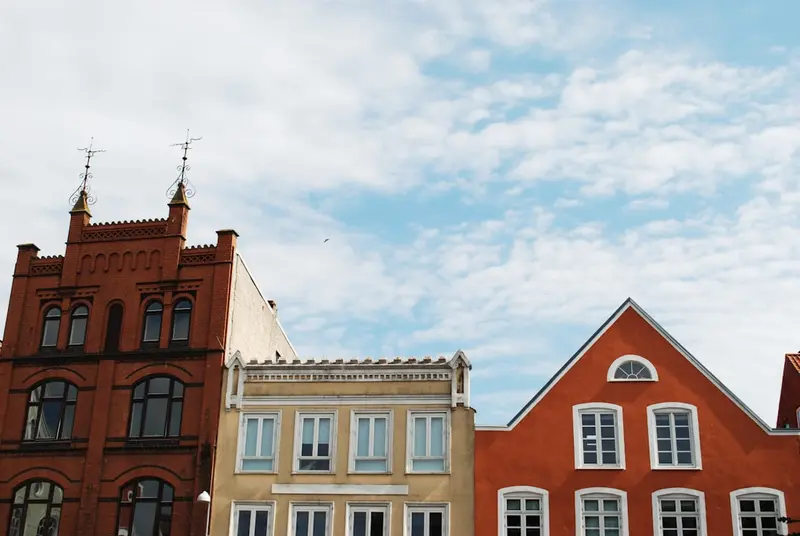
    Welcome to Fyn, the Garden of Denmark! This enchanting island, also affectionately known as the "Fairytale Island", will transport you to a world of gentle hills, fragrant orchards, and picturesque coastal towns. Here, discover not only the home of Hans Christian Andersen, but also a wealth of castles and an idyllic landscape that invites you to linger and explore.
    • Overview
    • Places in the region
    • Eat & drink
    • Culture
    • Nearby
    • Overview
    • Places in the region
    • Eat & drink
    • Culture
    • Nearby
    Fyn, often called the "Garden of Denmark", is an island characterized by its gentle, green landscape and picturesque coastal stretches. In Odense, the island's largest city, you can visit Hans Christian Andersen's birthplace and museum, offering a deep insight into the life of the famous poet. Another outstanding destination is Egeskov Slot, an impressive Renaissance water castle known for its architecture and expansive gardens. The island also offers charming fishing villages like Kerteminde and Faaborg, as well as extensive orchards that are particularly appealing in spring during blossom season. Cycling is recommended for exploring the island, as Fyn boasts a well-developed network of cycle paths and the landscape is ideal for leisurely tours.

    Places in Fyn

    Svendborg

    Svendborg

    Discover Svendborg, the vibrant heart of the South Fyn Archipelago, where maritime history meets charming city life. Wander through winding alleys, past colorful half-timbered houses, and feel the special atmosphere of a city deeply connected to the sea. Svendborg is not only a picturesque harbor town but also the ideal starting point for exploring the unspoiled beauty of the surrounding islands.
    Faaborg

    Faaborg

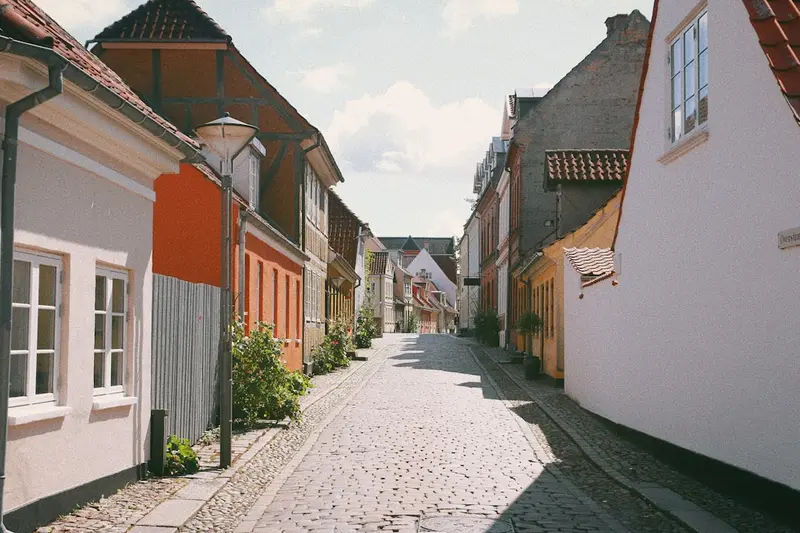
    Welcome to Faaborg, this **charming and well-preserved harbour town** on the island of Fyn, which will enchant you with its cobblestone streets and historic half-timbered houses. It is not only a living museum of Danish history and culture, but also the ideal gateway to the idyllic islands of the South Fyn Archipelago, a true paradise for sailors and nature lovers.

    Sights in Fyn

    Discover the most important sights and attractions

    Odense – Die Stadt Hans Christian Andersens

    Tauche ein in die Geburtsstadt des weltberühmten Märchenerzählers Hans Christian Andersen. Hier kannst du sein Geburtshaus und das faszinierende H.C. Andersen Museum erkunden, welches dich auf eine interaktive Reise durch sein Leben und Werk mitnimmt. Verpasse auch nicht die charmante Altstadt mit ihren kopfsteingepflasterten Gassen und farbenfrohen Häusern, die zum Spazieren und Entdecken einlädt.
    Open in Google Maps

    Egeskov Slot

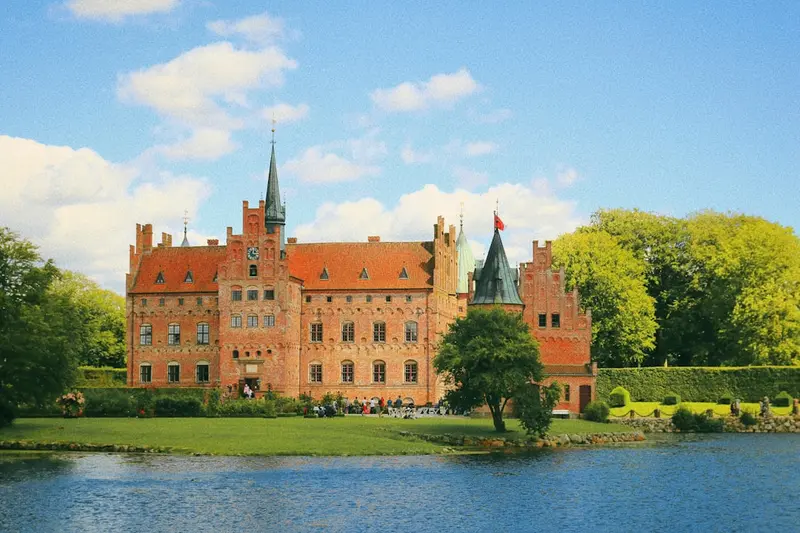
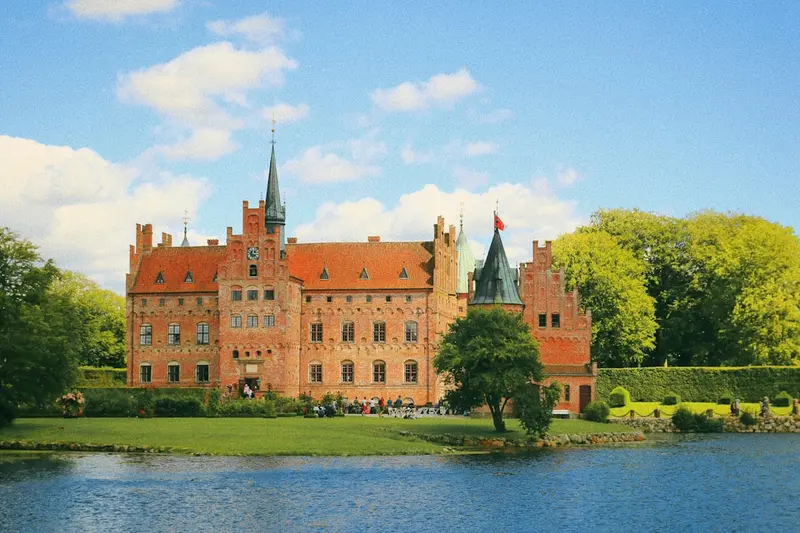
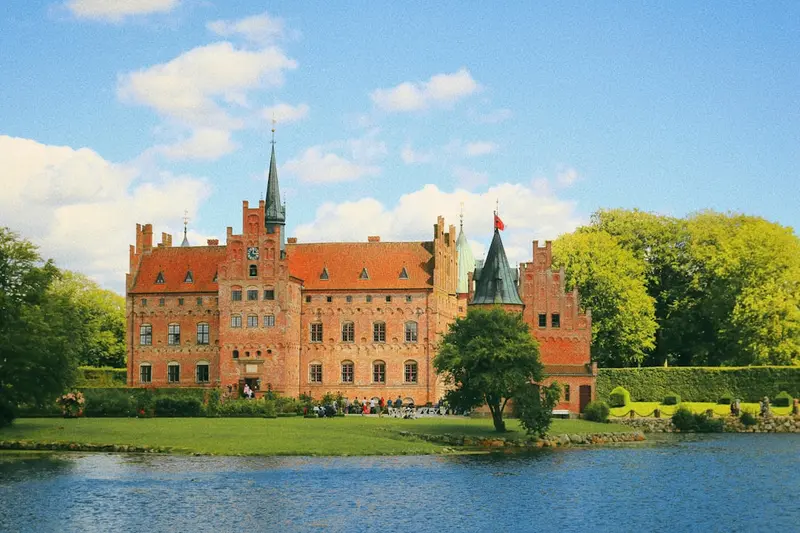
    The Egeskov Slot on Fyn is an outstanding example of a European Renaissance moated castle, built in 1554 by Frands Brockenhuus as a defensive fortress. Its unique architecture, featuring two buildings connected by a double wall, testifies to this historical function. Inside the castle, you'll discover original preserved rooms with historical furniture, paintings, and hunting trophies, illustrating the life of Danish nobility over centuries.The extensive gardens are another highlight. Here you'll find various themed areas such as the Renaissance and Baroque gardens, a herb garden, and an impressive labyrinth. The treetop walk "Rigmor's Tårn" also offers a unique perspective of the entire estate. Beyond the castle and gardens, Egeskov houses several museums, including collections of historical vehicles and aircraft, underscoring the diversity of its offerings.Our tip: To avoid crowds and enjoy the gardens peacefully, visit Egeskov in the early morning or late afternoon, ideally on weekdays. For that iconic castle photo, the view across the moat from the east side is highly recommended.
    Open in Google Maps

    Sydfynske Øhav (Südfünisches Inselmeer)

    The South Funen Archipelago (Sydfynske Øhav) is a unique natural landscape south of Fyn, characterized by a multitude of over 50 islands and islets. This region of Denmark is known for its rolling hills, picturesque coastlines, and the deep blue Baltic Sea, which is a paradise for sailors and nature lovers. Historically, the archipelago was an important seaway and has preserved a rich maritime culture, reflected in charming harbour towns like Ærøskøbing and Marstal on Ærø. Here you'll find well-preserved half-timbered houses, narrow streets, and a relaxed atmosphere that invites you to linger.The islands vary greatly in size and character, from larger, inhabited islands like Langeland, Tåsinge, and Ærø to smaller, idyllic islets such as Lyø and Avernakø. You can perfectly explore the archipelago using the numerous ferry connections that link the islands and allow you to experience authentic Danish island life. The region offers excellent conditions for water sports like kayaking and sailing, as well as for cycling tours and hikes along coastal paths. Our Tip: To avoid the crowds and fully enjoy the tranquility of nature, a visit in the shoulder season (May/June or September) is recommended. For impressive photos of the island world, you should take a ferry trip between the islands or use the viewpoints on Tåsinge.
    Open in Google Maps

    Den Fynske Landsby (Das Fünen Dorf)

    Den Fynske Landsby, The Funen Village, is a fascinating open-air museum on the island of Funen that transports you to rural 18th and 19th-century Denmark. It showcases a carefully curated collection of authentic buildings – including farmhouses, craftsmen's homes, a school, and a church – relocated here from their original sites on Funen. This architecture reflects the lifestyle and regional building culture of the era.The museum is a living testament to history. You can observe artisans performing traditional activities like weaving or blacksmithing, and explore historical gardens and fields cultivated using ancient methods. Traditional livestock breeds complete the picture of daily life back then, offering deep insights into Funen's agrarian culture. It's an immersive experience that goes beyond mere observation.Practical Tip: Plan at least half a day for your visit, as the grounds are extensive. To experience the authentic atmosphere undisturbed, a weekday visit or arriving right at opening is recommended. The summer months offer the widest variety of activities and demonstrations. Late afternoon is ideal for atmospheric photos of the historical buildings and gardens.
    Open in Google Maps

    Egeskov Slot

    Egeskov Castle on Fyn is one of Europe's best-preserved Renaissance moated castles. Built in 1554 on oak piles in a lake, its impressive architecture, featuring thick walls and arrow slits, once served for defense in turbulent times. Today, you can explore the castle's interior, featuring historic rooms and valuable collections that document centuries of Danish noble life. A definite highlight is the sprawling, award-winning gardens, counted among Europe's most beautiful, inviting visitors to stroll and linger across their diverse areas. The estate also features several museums, including a notable collection of historic vehicles and aircraft. Our Tip: Visit Egeskov in late spring or early summer to experience the gardens at their peak splendor. For the best photo of the moated castle without crowds, early morning is ideal.
    Open in Google Maps

    Sydfynske Øhav (Südfünisches Inselmeer)

    The South Fyn Archipelago (Sydfynske Øhav) south of Fyn is a unique natural and cultural landscape with over 50 islands, shaped by maritime history, picturesque coasts, and charming harbor towns. Here you can sail, kayak, cycle, or hike to discover the islands. The shallow waters are also an important habitat for birds. Our Tip: Visit the archipelago in late spring or early autumn to avoid crowds and enjoy the tranquility. Rent a bicycle on smaller islands like Lyø or Avernakø for individual exploration. Plan ferry connections in advance.
    Open in Google Maps

    Restaurants & Cafes

    Fyn's Cultural Heritage and Historical Traces

    Die Insel Fyn in Dänemark birgt eine reiche Geschichte und eine lebendige Kulturszene, die tief in ihrer Vergangenheit verwurzelt ist. Von Wikingerzeit-Artefakten bis hin zu prächtigen Renaissance-Schlössern zeugt die Insel von wichtigen Epochen dänischer Entwicklung. Fyn ist zudem die Heimat des weltberühmten Märchenerzählers Hans Christian Andersen, dessen Erbe die Region bis heute prägt.Die frühesten Zeugnisse menschlicher Besiedlung auf Fyn reichen bis in die Steinzeit zurück, doch besonders die Wikingerzeit hinterließ mit dem Ladbyschiff ein bedeutendes Erbe. Im Mittelalter prägten zahlreiche Kirchen und Burgen das Landschaftsbild, wobei viele davon bis heute erhalten sind und von der strategischen Bedeutung der Insel zeugen. Spätere Epochen, insbesondere die Renaissance und der Barock, manifestierten sich in der Errichtung eleganter Herrenhäuser und Schlösser, deren Architektur oft Elemente des niederländischen und norddeutschen Stils aufgreift.Ein herausragendes Beispiel der Baukunst ist Egeskov Slot, eine der am besten erhaltenen Wasserburgen Europas, die kontinuierlich bewohnt wurde und ihre architektonische Integrität über Jahrhunderte bewahrte. Kulturell ist Fyn untrennbar mit der Figur Hans Christian Andersens verbunden; seine Geburtsstadt Odense widmet ihm ein umfassendes Museum, das seine Geschichten und seinen Einfluss lebendig hält. Lokale Traditionen umfassen die Wertschätzung des Kunsthandwerks und kleiner Manufakturen, die die dänische Designtradition fortführen. Die Insel ist auch bekannt für ihre Obstgärten und die daraus resultierende Kulinarik, die oft in lokalen Festen und Märkten zelebriert wird, was das Bild Fyns als „Garten Dänemarks“ verstärkt.

    Locations nearby

    These places are nearby — perfect for additional days or a day trip.

    Odense

    Odense

    Situated on the island of Funen, the city of Odense is closely tied to the life and work of the famous fairy tale author Hans Christian Andersen. You can explore his birthplace here, as well as the modern H.C. Andersens Hus, which offers interactive insights into his fantastic world. Besides these literary traces, the Gothic Sankt Knuds Dom impresses with its architecture, and the open-air museum Den Fynske Landsby showcases the historical rural life of Funen. The former factory premises Brandts Klædefabrik has developed into a vibrant cultural center with museums and galleries. A relaxed boat trip on the Odense Å offers you a different perspective of the city. Ideally, plan your visit in spring or early summer to fully enjoy the blooming gardens and the pleasant atmosphere.
    Fyn (Funen)

    Fyn (Funen)

    Fyn (Funen), Denmark's second-largest island, charms as the "Garden Isle" with picturesque landscapes, gentle hills, and a wealth of historical treasures. It is home to fairy-tale castles, idyllic harbor towns, and the birthplace of the world-famous writer Hans Christian Andersen, making it an essential destination for culture lovers and those seeking tranquility.
    Egeskov Castle

    Egeskov Castle

    Egeskov Slot on the island of Funen in Denmark is considered one of Europe's best-preserved moated castles and impresses with its Renaissance architecture. Here, you can explore not only the historic castle building with its original interiors and art collections but also an extensive park. This includes diverse theme gardens, from classic rose gardens to a treetop walk that offers an unusual perspective of the grounds. On the estate, you will also find several museums, including a remarkable vintage car collection and an exhibition of historic aircraft and motorcycles. Plan ample time for your visit to fully appreciate the variety of gardens and the different exhibitions. A visit during the off-season in spring or autumn allows you to optimally experience the estate and its tranquility.
    Svendborg

    Svendborg

    Discover Svendborg, the vibrant heart of the South Fyn Archipelago, where maritime history meets charming city life. Wander through winding alleys, past colorful half-timbered houses, and feel the special atmosphere of a city deeply connected to the sea. Svendborg is not only a picturesque harbor town but also the ideal starting point for exploring the unspoiled beauty of the surrounding islands.
    Kerteminde

    Kerteminde

    Kerteminde, a charming coastal town on Funen, captivates with its picturesque harbor and well-preserved old town. Here you'll find the Fjord & Bælt Center, offering fascinating insights into the marine life of the Great Belt, as well as the Johannes Larsen Museum, dedicated to the renowned animal painter. The town boasts a long history as a fishing port, reflected in its traditional lanes with their half-timbered houses. A stroll along the harbor reveals numerous fish restaurants and small shops. For those interested in culture, the Ladby Ship Burial, a significant Viking site, is just a short distance away. The best months to visit are June to August, to optimally experience the maritime flair and local events like the Kirsebærfestival.