Fernweh: Home
    ExploreTravel GuidesPlan a tripMy tripLast visited
    de|en
    All Places & RegionsAll highlightsAbout FernwehFAQPrivacy PolicyImprint
    ExploreTravel GuidesPlan a tripMy tripLast visited
    • Overview
    • Places in the region
    • Eat & drink
    • Food culture
    • Culture
    • Getting around
    • Round trips
    • Nearby
    Fyn (Funen)

    Denmark

    Fyn (Funen)

    RegionCultureNatureBeachFor Families

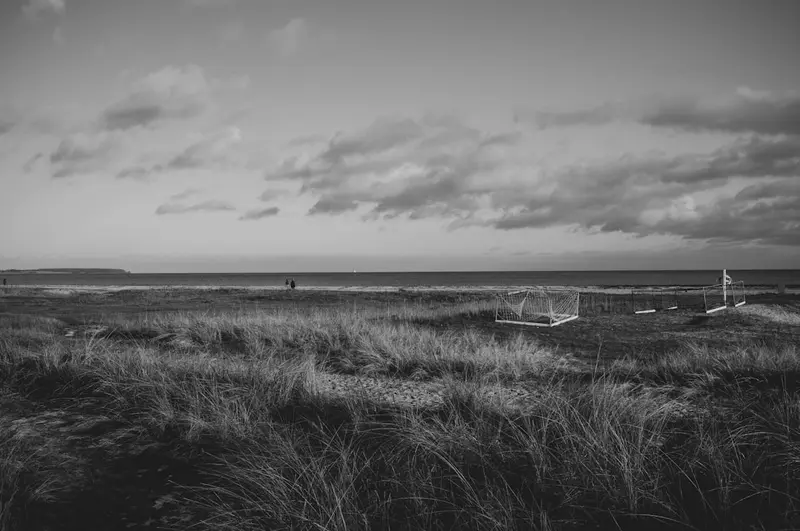
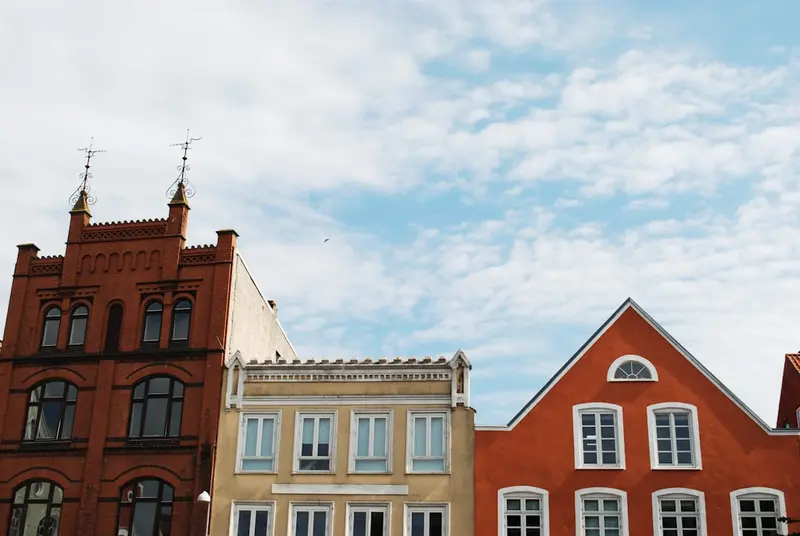
    Fyn, Denmark's third-largest island, lies between Jutland and Zealand. Gentle hills, orchards, manor houses, and the island sea in the south shape the landscape, where Hans Christian Andersen was born in Odense.

    by Felix Gillen

    1. Home
    2. Destinations
    3. Denmark
    4. Fyn (Funen)
    Fyn, Denmark's third-largest island, lies between Jutland and Zealand. Gentle hills, orchards, manor houses, and the island sea in the south shape the landscape, where Hans Christian Andersen was born in Odense.
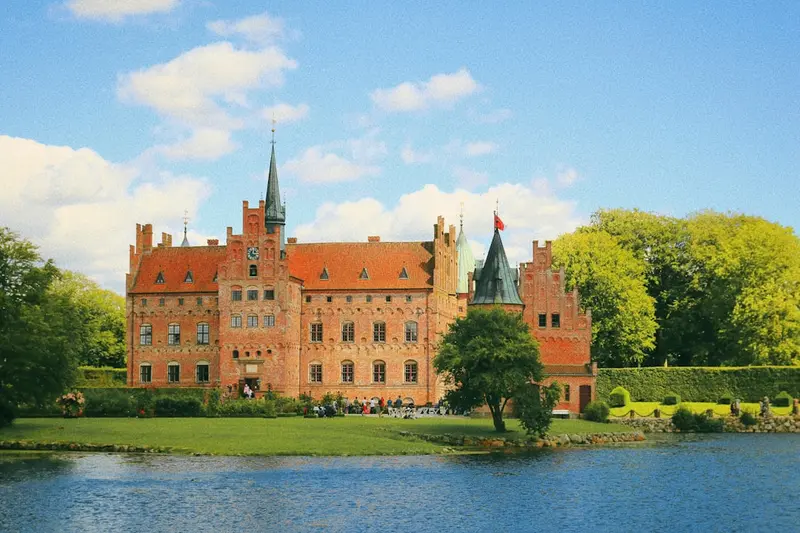
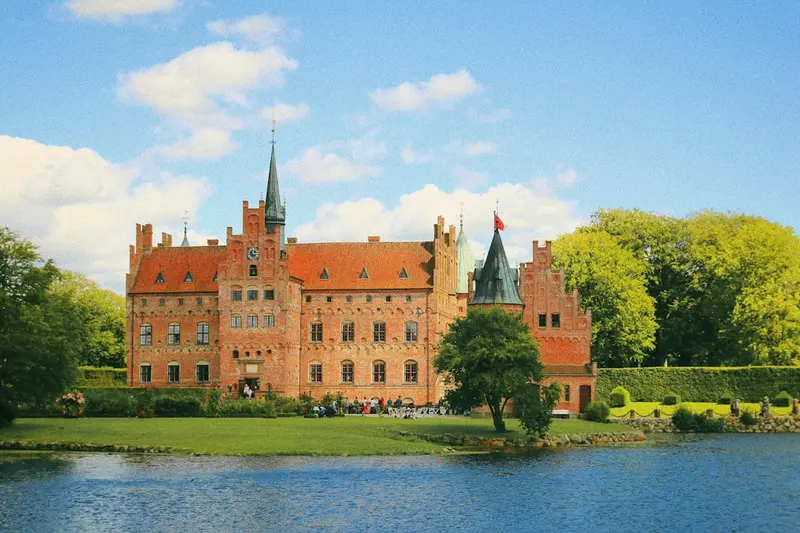
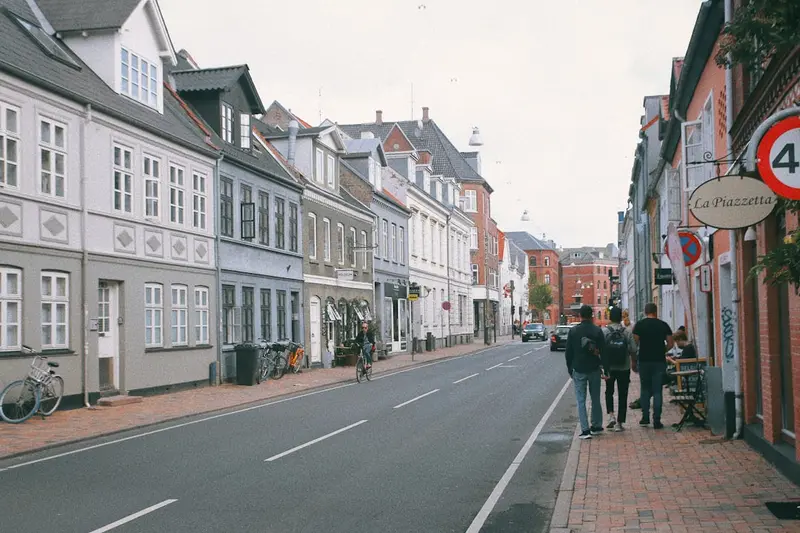
    The island of Fyn, Denmark's third-largest island, presents itself with a diverse landscape of gentle hills, orchards, and an extensive coastline. In Odense, Fyn's largest city, you can explore Hans Christian Andersen's birthplace and experience 19th-century rural life at the open-air museum Den Fynske Landsby. A prominent destination is the Renaissance moated castle Egeskov Slot with its extensive gardens and diverse exhibitions. Along the coast, picturesque harbor towns like Kerteminde invite you to linger with their fishing tradition and historical architecture. The island is excellent for bike tours, leading through green landscapes and past small farm shops. The best time to visit for outdoor activities and exploring the gardens is from May to September, when the weather is mild and the days are long.
    Egeskov Castle

    Place 1 of 4

    Egeskov Castle

    Egeskov Water Castle in Southern Funen is one of Europe's best-preserved Renaissance castles. Large gardens, a labyrinth, and several museums make it a destination for a full day.

    Discover
    Kerteminde

    Place 2 of 4

    Kerteminde

    This small port town on the northeast coast of Funen combines an old town with half-timbered houses, an active fishing harbour, and the Fjord&Bælt Marine Centre. Nearby lies the Viking ship burial of Ladby.

    Discover
    Odense

    Place 3 of 4

    Odense

    Funen's largest city is the birthplace of Hans Christian Andersen. Museums, a medieval cathedral, the Den Fynske Landsby open-air museum, and a lively city centre make it a destination for one to two days.

    Discover
    Ærøskøbing

    Place 4 of 4

    Ærøskøbing

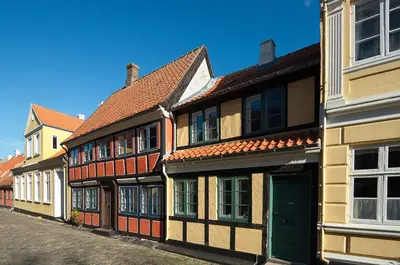
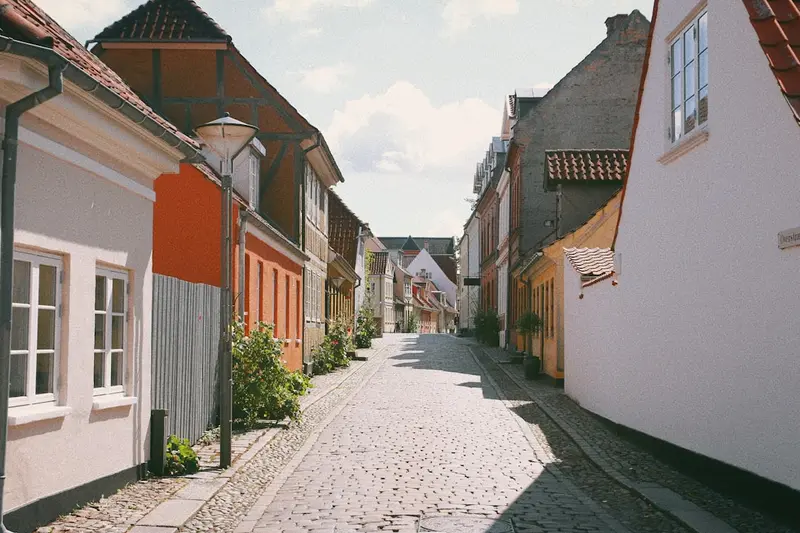
    The harbour town on the north coast of the island of Ærø has one of Denmark's best-preserved old towns, with cobblestone streets, low merchant houses, and hollyhocks in front of the doors.

    Discover

    More places in Fyn (Funen)

    Svendborg

    Svendborg

    This port town on Svendborg Sound is the gateway to the South Funen Archipelago. Ferries sail from here to Ærø and small islands, with traditional sailing ships and fishing cutters moored in the harbour.
    Faaborg

    Faaborg

    This small harbour town in southwest Funen has a well-preserved Old Town with cobblestone streets and a bell tower as its landmark. The Faaborg Museum displays the art of the Funen Painters; from the harbour, ferries sail to the small islands.

    Sights in Fyn (Funen)

    Discover the most important sights and attractions

    H.C. Andersen's House

    H.C. Andersen's House

    The museum in the center of Odense showcases the poet's life with light, sound and immersive fairy tale worlds, plus a dedicated children's area. The building, opened in 2021 by Japanese architect Kengo Kuma, is mostly situated beneath a garden next to Andersen's birthplace. Tickets are valid for fixed time slots.
    Open in Google Maps
    Egeskov Slot

    Egeskov Slot

    The water castle, dating from 1554, stands on oak piles in a lake and is considered one of Europe's best-preserved Renaissance castles. Besides its interiors, it also features extensive gardens with a labyrinth, a treetop walk, and museums with vintage cars, airplanes, and camping equipment. It is generally open from April to October.
    Open in Google Maps
    Sydfynske Øhav (South Funen Archipelago)

    Sydfynske Øhav (South Funen Archipelago)

    South of Funen lie dozens of islands and islets in shallow, protected water, including Tåsinge, Langeland, Ærø, Lyø, and Avernakø. The archipelago is one of Denmark's most popular sailing areas. Ferries connect the inhabited islands with Svendborg and Faaborg. The Øhavsstien trail follows the coast.
    Open in Google Maps
    Den Fynske Landsby (Funen Village)

    Den Fynske Landsby (Funen Village)

    The Open-Air Museum on the southern edge of Odense showcases a Funen village with around 25 buildings, predominantly from the 18th and 19th centuries, including farmhouses, craftsmen's houses, and a school with gardens. In summer, there are demonstrations and old breeds of domestic animals. Closed on Mondays outside of the summer holidays, in winter only open on select days.
    Open in Google Maps
    Viking Museum Ladby
    Attraction

    Viking Museum Ladby

    Kerteminde is home to Denmark's only known Viking ship grave. Under a burial mound, you can see the imprints of the 10th-century ship where a chieftain was buried with horses and dogs. The nearby museum shows finds and a replica of the ship.
    Open in Google Maps
    Valdemars Castle
    Museum

    Valdemars Castle

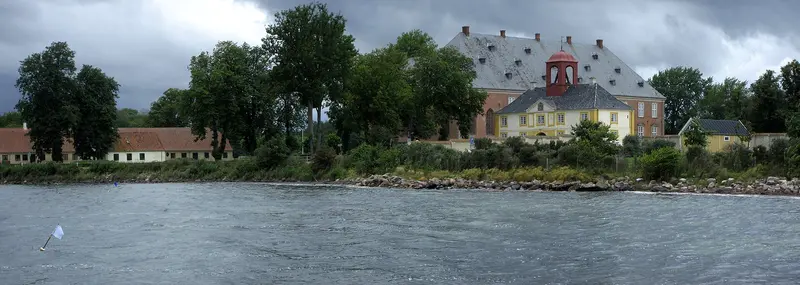
    The castle on the island of Tåsinge opposite Svendborg was built from 1639 to 1644 and received its present Rococo appearance in 1754. It is privately owned and reopened to visitors in 2025; besides historical paintings, it showcases contemporary art. The park extends to the water; in summer, the historic motor vessel Helge sails here from Svendborg.
    Open in Google Maps

    Dining & Drinks

    1

    Restaurant Under Lindetræet

    Restaurant in a 1771 house in Odense's Andersen Quarter, just behind H.C. Andersen's House. Cooking since 1965; the cuisine is Scandinavian and seasonal.
    Show on Google Maps
    2

    The Old Inn

    Traditional restaurant in a historic building in downtown Odense with classic Danish cuisine, primarily Smørrebrød at lunchtime.
    Show on Google Maps
    3

    Storms Pakhus

    Street food hall in a renovated warehouse near the port of Odense, with around 24 stalls and six bars. Plenty of space, a play area for children, and long opening hours on Fridays and Saturdays.
    Show on Google Maps
    4

    Restaurant Resumé (Svendborg)

    Upscale restaurant in a former church in Svendborg. Choose from several seasonal menus with varying numbers of courses, including suitable drink pairings. Open Wednesday to Saturday evenings, and for lunch on Fridays and Saturdays.
    Show on Google Maps

    Food and Drinks

    Farm-gate

    Along country roads, farms sell fruit, vegetables, honey and juices, especially strawberries and cherries in summer.

    Funen's Specialties

    Regional dishes include Æggekage, an egg pancake with bacon, complemented by apple products, cider, and fruit wines from small wineries.

    Street Food in Odense

    In an old warehouse by the harbour, you'll find numerous food stalls, perfect for a no-fuss meal in the city.

    Culture and History

    Castles and Manor HousesFunen boasts one of the highest densities of manor houses and castles in Denmark. The most famous is Egeskov Water Castle from the 16th century, while Valdemars Slot, dating from the 17th century, is located on Tåsinge. The Ladby Ship Burial near Kerteminde dates back to the Viking Age.Andersen and the Garden IslandHans Christian Andersen was born in Odense in 1805, and his legacy is omnipresent in the city. Due to its orchards and vegetable fields, the island is often called Denmark's Garden, with farm shops and markets selling apples, cherries, and strawberries directly.

    Exploring locally

    Fünen is connected to Jutland and Zealand via bridges; the Great Belt Bridge runs from Nyborg to Zealand. Trains from Copenhagen reach Odense in about 1.5 hours, from there regional trains travel to Svendborg and Middelfart.For visiting the small towns, castles, and beaches, a car or bike is more practical than the bus. The island is flat to gently rolling and features a well-signposted cycling network. Ferries to the southern islands depart from Svendborg and Faaborg.

    Round trips through this region

    Funen & Island Idyll

    Funen & Island Idyll

    From Odense, you drive to the east coast to Kerteminde, then south to Svendborg and by ferry to the island of Ærø to Ærøskøbing. Back on Fyn, the ferry from Søby takes you to Faaborg. You must book the ferries to Ærø in advance; journeys on Fyn rarely last longer than an hour.

    12 Days
    5 stops

    Nearby

    Odense

    Odense

    Funen's largest city is the birthplace of Hans Christian Andersen. Museums, a medieval cathedral, the Den Fynske Landsby open-air museum, and a lively city centre make it a destination for one to two days.
    Egeskov Castle

    Egeskov Castle

    Egeskov Water Castle in Southern Funen is one of Europe's best-preserved Renaissance castles. Large gardens, a labyrinth, and several museums make it a destination for a full day.
    Faaborg

    Faaborg

    This small harbour town in southwest Funen has a well-preserved Old Town with cobblestone streets and a bell tower as its landmark. The Faaborg Museum displays the art of the Funen Painters; from the harbour, ferries sail to the small islands.
    Kerteminde

    Kerteminde

    This small port town on the northeast coast of Funen combines an old town with half-timbered houses, an active fishing harbour, and the Fjord&Bælt Marine Centre. Nearby lies the Viking ship burial of Ladby.
    Svendborg

    Svendborg

    This port town on Svendborg Sound is the gateway to the South Funen Archipelago. Ferries sail from here to Ærø and small islands, with traditional sailing ships and fishing cutters moored in the harbour.

    Sources & method

    • Photos: Wikimedia Commons, Unsplash. Each photo carries its credit.
    • Place data such as addresses and ratings comes from Google Maps.
    • The content is based on web research from public, traceable sources. How the content is made · The role of AI