Fernweh
    ExploreTravel GuidesMy Trips
    de|en
    About FernwehImprintFAQPrivacy Policy
    ExploreTravel GuidesMy Trips
    Stevns Klint

    Stevns Klint

    City
    1. Home
    2. Destinations
    3. Denmark
    4. Sjælland
    5. Stevns Klint
    Immerse yourself in the fascinating world of Stevns Klint, a dramatic chalk coast on Denmark's Baltic Sea coast, which is a UNESCO World Natural Heritage Site for good reason. Here you'll experience not only breathtaking panoramas over the sea, but also a unique journey through Earth's history, which holds the secret of the dinosaur extinction.
    • Neighborhoods & highlights
    • Eat & drink
    • Culture
    • Getting around
    • Accommodation
    • Plan trip
    • Nearby
    • Neighborhoods & highlights
    • Eat & drink
    • Culture
    • Getting around
    • Accommodation
    • Plan trip
    • Nearby

    Overview

    Stevns Klint is a 17-kilometer-long chalk cliff coast on Denmark's Baltic Sea coast, considered a UNESCO World Heritage site of global significance. Here you will find a unique geological layer that documents the mass extinction of the dinosaurs 66 million years ago. Along the Trampestien, a picturesque coastal hiking trail, you will discover the dramatic landscape and the iconic Højerup Gamle Kirke, whose church tower stands precariously close to the abyss. Another significant historical testament is the former Stevnsfort, an underground NATO bunker from the Cold War, which today offers insights into that era. For a relaxed exploration of the coast and its views, a visit outside the main season is recommended. Wear sturdy footwear, especially if you plan to walk the entire coastal path.

    Places in Stevns Klint

    Discover the most important sights and attractions

    Sights in Stevns Klint

    Højerup Gamle Kirke

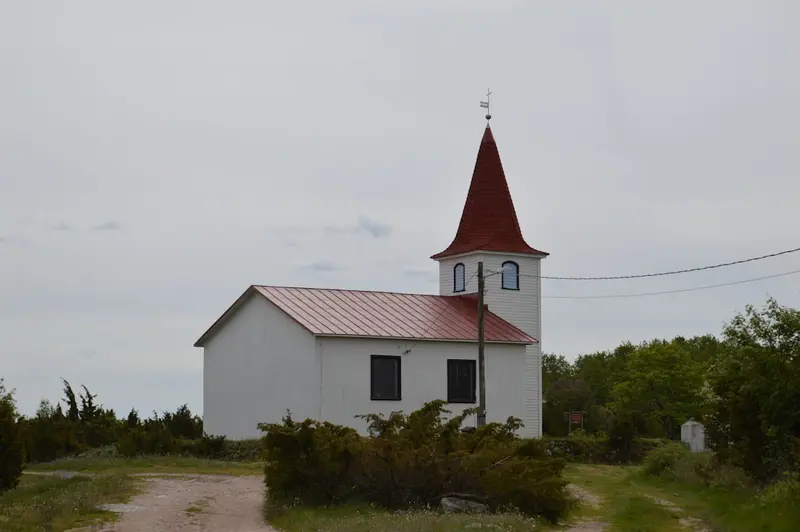
    The Højerup Old Church at Stevns Klint is an impressive testament to unstoppable natural forces and human history. Originally built around 1200, this medieval church once stood safely inland. Over the centuries, however, coastal erosion incessantly gnawed at the chalk cliff until the church stood directly on the edge of the abyss. In 1928, a large part of the choir collapsed into the sea, leading to the closure and preservation of the remaining nave. Today you can visit the preserved ruins and enjoy the dramatic view over the Baltic Sea and the UNESCO-protected cliff from a secured platform. The simple architecture of the interior tells of times past, while the view outside illustrates the massive erosion. Our Tip: Come early in the morning to capture the tranquility and special light over the sea and take the best photos without many visitors. Pay attention to the informative panels, which detail the church's fascinating history.
    Open in Google Maps

    Koldkrigsmuseum Stevnsfort

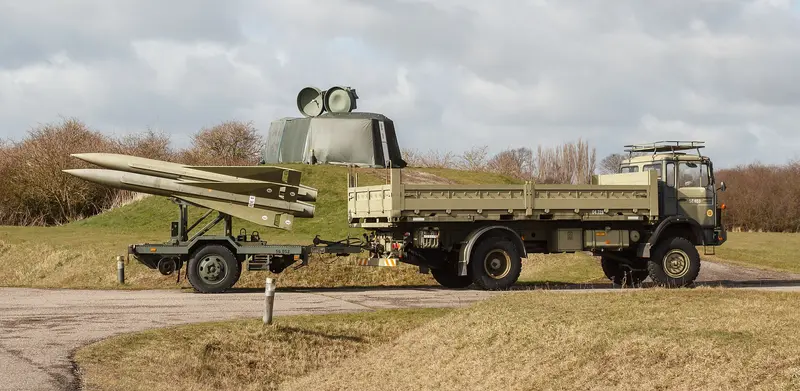
    The Cold War Museum Stevnsfort near Stevns Klint is a unique testament to the Cold War and Denmark's role in NATO's defense. This former, highly secret fortress, built deep into the chalk cliffs of Stevns Klint, was operational from 1953 to 2000. Its strategic location allowed for monitoring the Baltic Sea and served as an important outpost against a possible invasion from the East. Here, you'll discover an extensive network of underground passages, bunkers, and command centers that were home to hundreds of soldiers for decades.During your visit, you'll gain an authentic insight into life and work during the Cold War. Original equipment, detailed exhibitions, and the oppressive atmosphere of the underground facilities convey a powerful picture of the threat situation at the time. You'll see operational rooms, living quarters, and technical installations that once controlled missiles and radar systems. Our Tip: Book a guided tour in advance to gain access to the deepest parts of the fortress and hear the exciting stories of the former soldiers. Plan enough time, as the facility is very extensive and the tours are informative. For a good photo of the facility in the context of the cliffs, a short stroll along the coastal path is recommended.
    Open in Google Maps

    Stevns Fyr

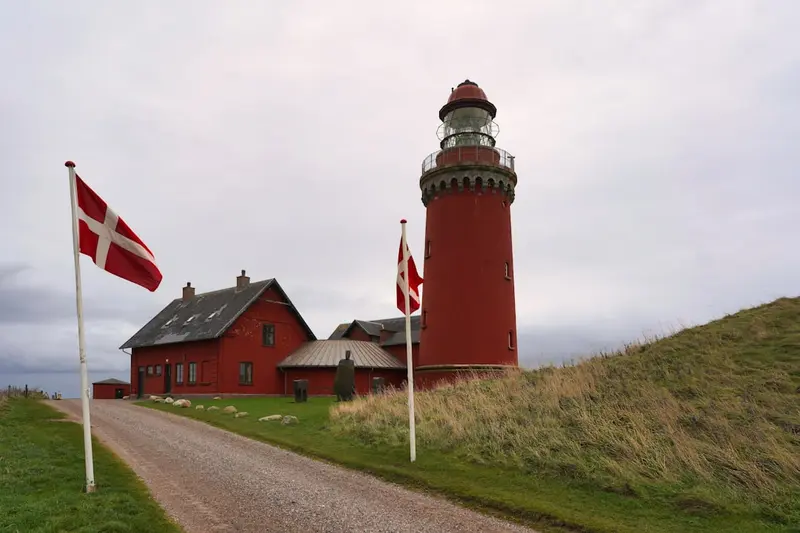
    The Stevns Lighthouse, built in 1878, majestically crowns the UNESCO World Heritage site Stevns Klint and serves as a prominent navigational landmark for shipping in the Baltic Sea. This imposing, square lighthouse, constructed from local limestone, replaced an older structure from 1818 and bears witness to the region's long maritime history. From its vantage point, you can enjoy expansive views over the dramatic chalk cliffs and the boundless sea stretching to the horizon. The geological layers of the cliff, visible here, tell the story of the Cretaceous-Tertiary transition, making the site geologically significant. Our Tip: It’s best to visit the lighthouse outside of peak season or early in the morning to experience the tranquil landscape undisturbed. A stroll along the cliff path also offers spectacular photo opportunities of the coast and the lighthouse from various perspectives.
    Open in Google Maps

    Stevns Klint Experience

    The Stevns Klint Experience is the central information hub for the UNESCO World Heritage site Stevns Klint. Here, you'll learn all about the unique geology of the chalk cliffs, which played a crucial role in understanding the mass extinction at the end of the Cretaceous period that also wiped out the dinosaurs. The exhibition highlights the global impact of this event, visible in the Fischton, a thin sediment layer exceptionally well-preserved here. You can explore interactive exhibits that vividly illustrate Earth's history and the Klint's significance. Another focus is the region's military history, particularly the Cold War, as a former NATO bunker, also open for visits, is located here. Our Tip: Plan your visit to allow ample time not only to explore the exhibition but also to take a walk along the Klint, enjoying the impressive natural scenery and views of the Baltic Sea. For the best photos of the Klint itself, head to Højerup Gamle Kirke, situated directly on the cliff edge, offering a dramatic perspective. Avoid midday hours during peak season to circumvent larger crowds.
    Open in Google Maps

    Springvand (Фонтан)

    At the foot of the impressive chalk cliffs of Stevns Klint, you will find the Springvand, a modest but refreshing water source. This is not an elaborate fountain in the traditional sense, but rather a natural outflow of spring water that harmoniously blends into the rugged coastal landscape. This phenomenon highlights the geological activity and the presence of groundwater in the porous limestone layers that make Stevns Klint so unique. You can take a short break here and enjoy the tranquility while listening to the gentle gurgling of the water. It offers a welcome refreshment on warm days and is an interesting contrast to the majestic cliffs. For photographers, the Springvand offers a beautiful opportunity to capture the details of the flora and fauna near the water. Our Tip: It's best to visit the Springvand in the early morning hours to experience the special lighting and undisturbed nature. Pay attention to the surrounding vegetation, which benefits from the constant moisture.
    Open in Google Maps

    Restaurants & Cafes

    Stevns Klint: Geology and Human History

    Stevns Klint is not only an impressive natural phenomenon but also a place of profound cultural and historical significance. Its geological formation approximately 66 million years ago marks the global Cretaceous-Paleogene event, which led to the extinction of the dinosaurs—a circumstance that gives the Fish Clay in the cliff its status as a UNESCO World Natural Heritage site.The human history along this stretch of coast is closely intertwined with the power of nature. An outstanding example is the Old Højerup Church, a medieval structure from the 13th century, built directly on the cliff edge. Over centuries, the cliff eroded, causing large parts of the church to fall into the sea and forcing the local population to find a new location. This fate testifies to the resilience and architectural challenges of that era.In more recent history, Stevns Klint played a strategic role in the Cold War. The Stevnsfort, a secret military installation carved deep into the limestone, served as an essential part of the Danish defense and is now a museum that offers insights into this tense era. The preservation of these sites and the communication of their stories are central aspects of the local culture and testify to the diverse past of this unique place.

    Getting Around

    The picturesque Stevns Klint region, a UNESCO World Heritage site, captivates with its natural beauty and requires a slightly different approach to getting around than urban centers. There are no metro or tram connections here; **public transport focuses on buses**, serving surrounding villages and towns like Store Heddinge and Rødvig. For bus tickets, using the DOT Tickets App or a Rejsekort is recommended, enabling convenient payment.The area is also a paradise for **cyclists**, with well-maintained paths offering breathtaking coastal views; e-scooters are less common here. Taxis are available, but should be booked in advance, especially in rural areas, while ride-sharing services play a minor role. Within the Klint area, **pedestrian-friendliness is excellent**, with numerous hiking trails leading directly along the cliff. For maximum flexibility when exploring the entire Stevns region, a rental car is often recommended.

    Accommodations in Stevns Klint

    Accommodations in Stevns Klint

    Find perfect stay in Stevns Klint

    Booking.com
    Search Hotels
    Agoda
    Search Hotels
    Airbnb
    Vacation Rentals
    Hotels.com
    Hotels Worldwide
    Hostelworld
    Hostels

    Campgrounds in Stevns Klint

    Find perfect campground in Stevns Klint

    Search via Google Maps
    Campgrounds nearby (15km)
    Camping.info
    Find Campgrounds
    Park4Night
    RV Parks & Camping

    Plan your trip to Stevns Klint

    Save places, build a route and plan your city trip — all in one place.

    Save places

    Bookmark sights, restaurants and neighborhoods you're interested in.

    Build your route

    Turn your bookmarks into a route — define order, days and budget.

    Refine with AI

    Let Mein Fernweh suggest experiences and put together a tailored daily plan.

    Start trip planningOpen bookmarks

    Locations nearby

    These places are nearby — perfect for additional days or a day trip.

    Islands Brygge

    Islands Brygge

    This modern harbour district on Amager boasts contemporary architecture, lively waterfront promenades, and popular harbour baths ideal for swimming.
    Copenhagen

    Copenhagen

    Copenhagen, Denmark's vibrant capital, is a fascinating blend of royal history, future-forward design, and an irresistible Hygge atmosphere. The city on the Øresund captivates with picturesque canals, magnificent castles, and an innovative culinary scene, making it one of Northern Europe's most sought-after destinations.
    Freetown Christiania

    Freetown Christiania

    Freetown Christiania in Copenhagen is a unique, self-governing community founded in 1971 on a former military base. Here you'll encounter an alternative way of life, characterized by art, culture, and individual architecture. The district offers a variety of organic restaurants, workshops, and handmade galleries that reflect the creative spirit of its residents. Especially well-known is the so-called Pusher Street, whose rules you should absolutely observe, especially the photography ban. Discover the diverse street art and unconventional housing structures that give Christiania its special character. It is recommended to explore the Freetown during the day to fully experience the relaxed atmosphere and cultural offerings. Always pay attention to the posted rules to ensure respectful interaction with the community.
    Indre By (Old Town)

    Indre By (Old Town)

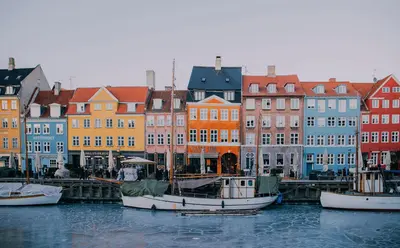
    Indre By, the heart of Copenhagen, presents itself as the historical and cultural center of the Danish capital. Here you'll discover a fascinating mix of old architecture and vibrant city life. The district is known for the long shopping street Strøget, which ranks among the world's oldest pedestrian zones, and for the picturesque harbor Nyhavn with its colorful gabled houses. Cultural highlights include the royal Rosenborg Slot with the crown jewels and the Rundetårn (Round Tower), offering a unique spiral ramp for panoramic views. The majestic Christiansborg Slot houses the Danish parliament and provides insights into the country's political history. To truly experience Indre By's special atmosphere, it's recommended to explore the small alleys and squares away from the main thoroughfares. Mornings are ideal for visiting the sights without large crowds.
    Roskilde

    Roskilde

    Welcome to Roskilde, a city where centuries-old history meets vibrant culture! As Denmark's former royal city, you'll immerse yourself in a fascinating blend of Viking heritage and royal splendor, surrounded by the picturesque backdrop of Roskilde Fjord.