Morocco
South: Kasbahs & Desert
Region
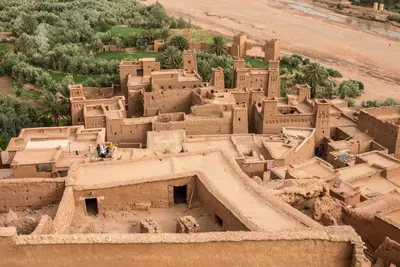
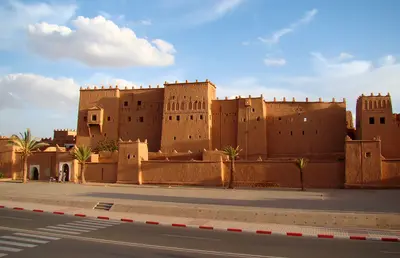
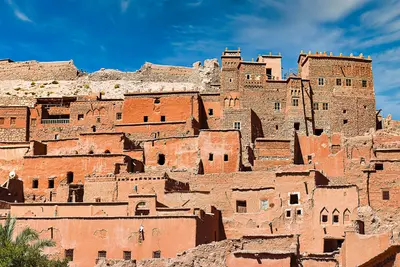
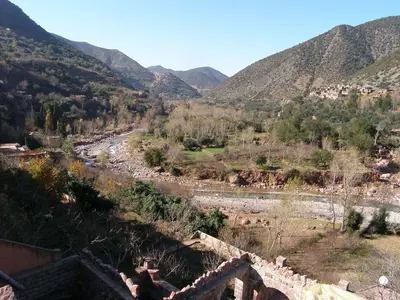
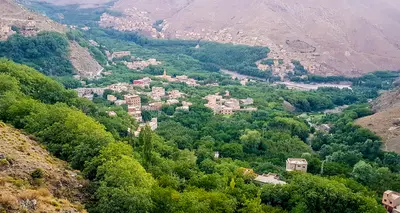
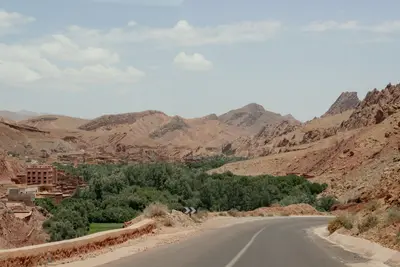
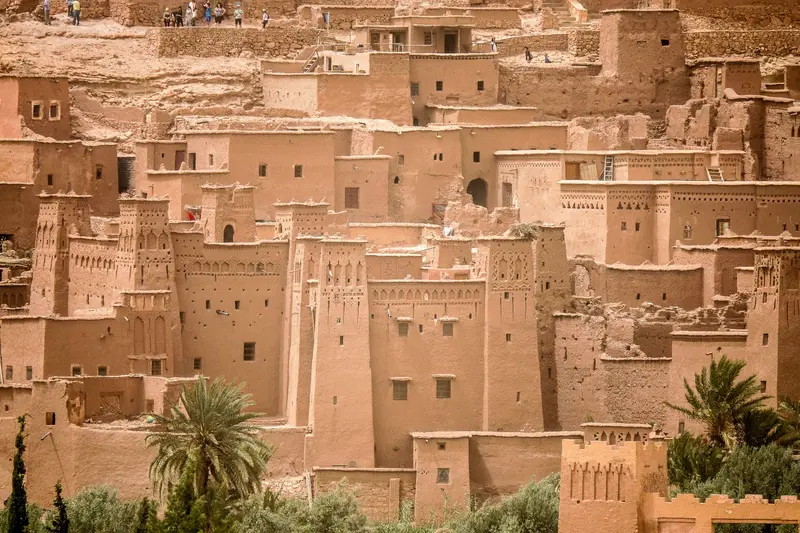
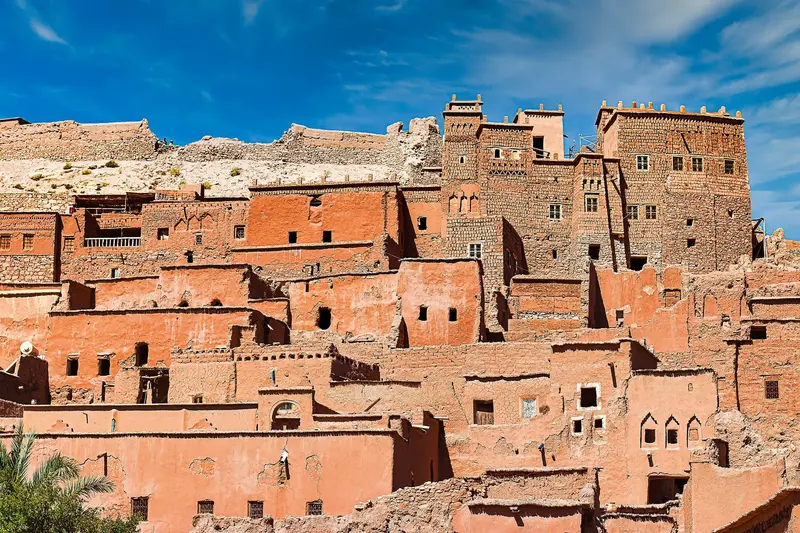
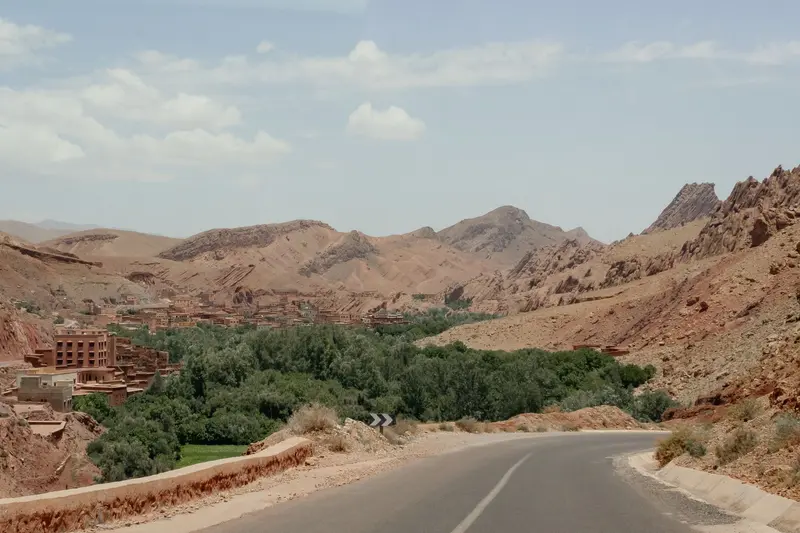
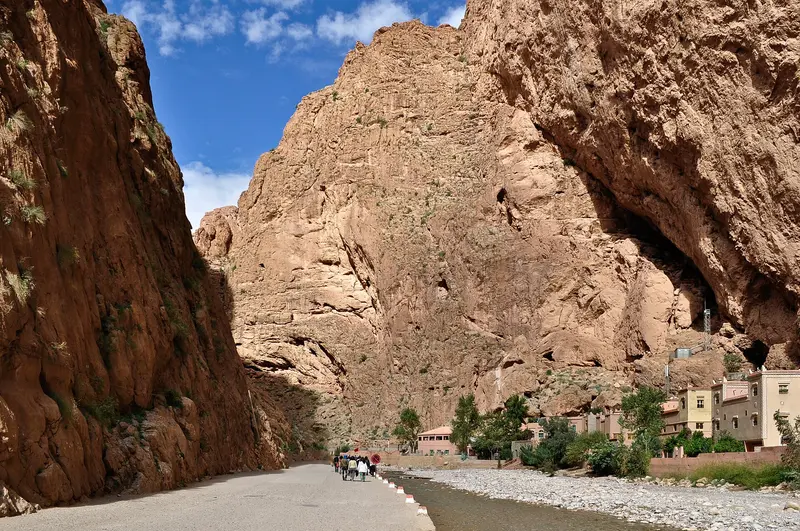
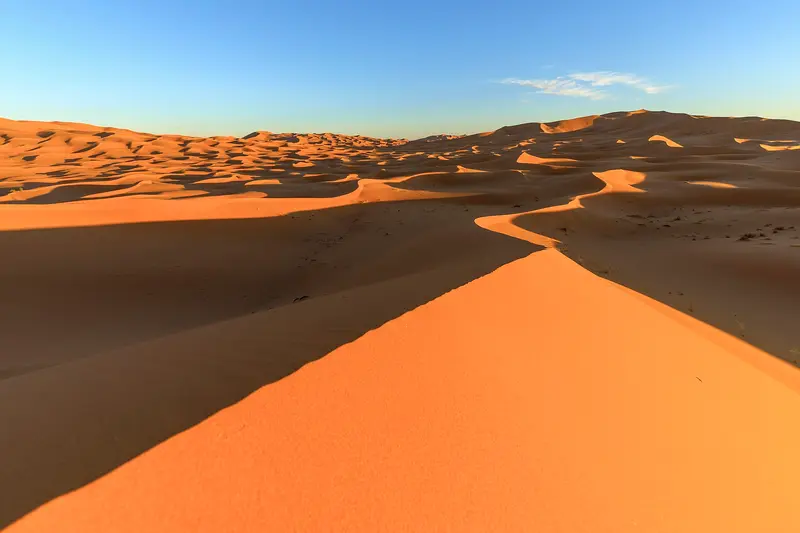
South of the High Atlas begins the land of mud-brick kasbahs and oases: the Ksar Aït-Ben-Haddou, the film city Ouarzazate, the gorges of Dadès and Todra and at the end the sand dunes of Erg Chebbi near Merzouga.
by Felix Gillen
South of the High Atlas begins the land of mud-brick kasbahs and oases: the Ksar Aït-Ben-Haddou, the film city Ouarzazate, the gorges of Dadès and Todra and at the end the sand dunes of Erg Chebbi near Merzouga.
More places in South: Kasbahs & Desert
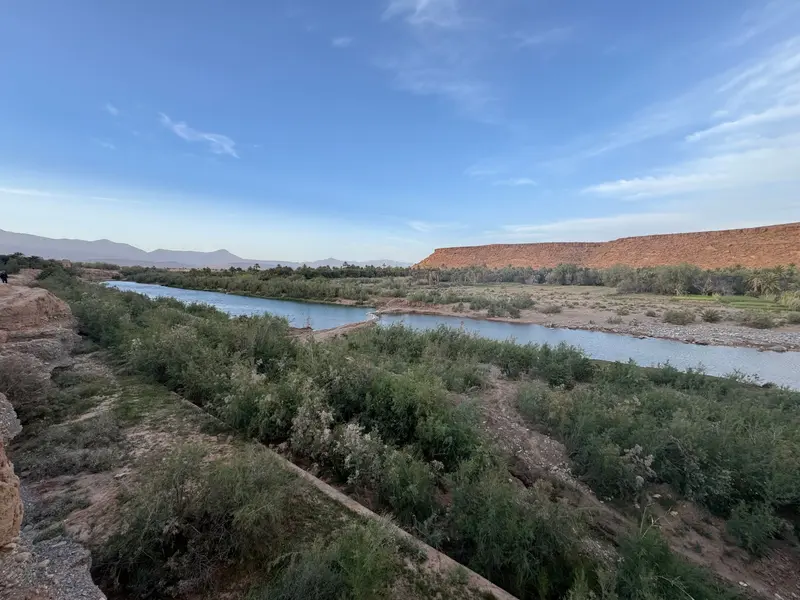
Zagora is the capital of the eponymous province in the Drâa Valley, whose palm groves stretch south of the Atlas towards the Sahara. The city is a starting point for the pottery and library village of Tamegroute and for tours via M'Hamid into the dunes of Erg Chigaga.
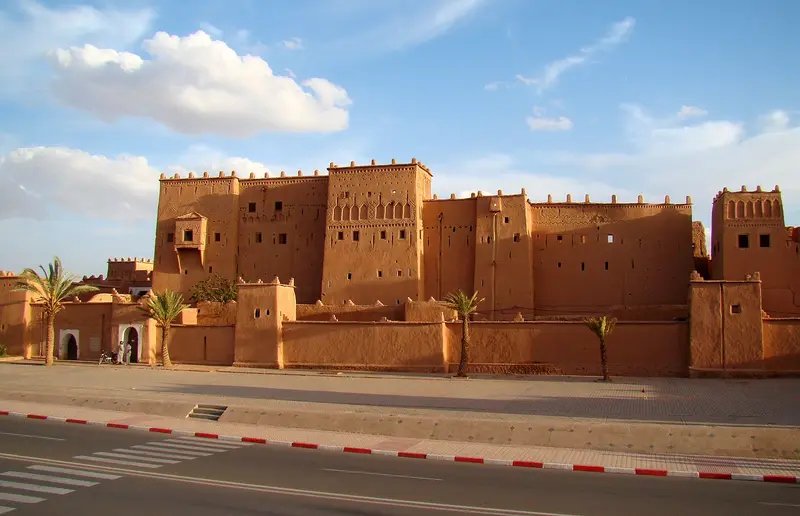
Ouarzazate lies south of the High Atlas at around 1,150 meters and is often called the Gateway to the Desert. The city grew during French rule as a garrison and administrative post and is now home to Atlas Studios, where many international films were filmed. Ksar Aït-Ben-Haddou lies about 30 kilometers northwest.