Lower Silesia (Dolny Śląsk) in southwestern Poland borders Saxony and the Czech Republic. Approximately 2.9 million people live on its roughly 19,900 km², with Breslau (Wrocław) as its capital and largest city.
Lower Silesia (Dolny Śląsk) in southwestern Poland borders Saxony and the Czech Republic. Approximately 2.9 million people live on its roughly 19,900 km², with Breslau (Wrocław) as its capital and largest city. To the south, the Sudetes Mountains rise, featuring the Giant Mountains, whose highest peak, Schneekoppe (Śnieżka), reaches 1603 meters. Northward, the land transitions into the flat Silesian Lowland along the Oder River.Throughout history, the region alternated between Bohemia, the Habsburgs, and Prussia, finally becoming part of Poland after 1945. Castles, churches, and historic towns bear witness to this past: the Churches of Peace in Schweidnitz (Świdnica) and Jauer (Jawor), the stately homes in the Hirschberg Valley, and Fürstenstein Castle near Waldenburg (Wałbrzych).
Wrocław, with its Old Town, Cathedral Island, and Centennial Hall, is the gateway to Lower Silesia. Southwest, the Sudetes await: Książ Castle by Wałbrzych and the Churches of Peace in Świdnica and Jawor are en route to the mountains.To the south, the Jelenia Góra Valley (Kotlina Jeleniogórska) opens up, with Jelenia Góra (Hirschberg) as its center. Numerous historic castles, manors, and fortresses are located here, many with landscaped parks. Since 2011, the valley's palaces and landscaped parks have been protected as a Polish historical monument. Behind this, the Giant Mountains (Riesengebirge) rise, featuring the resort town of Karpacz (Krummhübel), the ascent to Schneekoppe, and the Wang Church.Around 30% of the region is forested. Summer is ideal for hiking; in winter, the Giant Mountains become a ski resort.
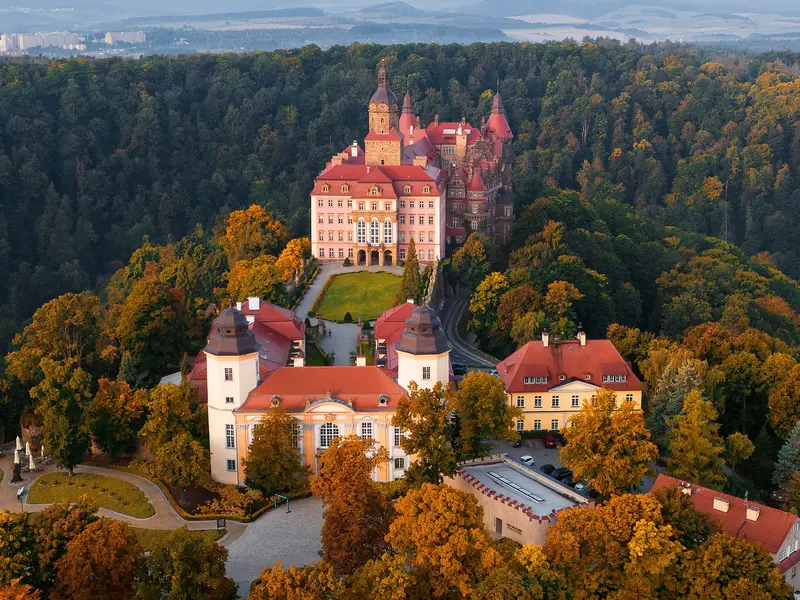
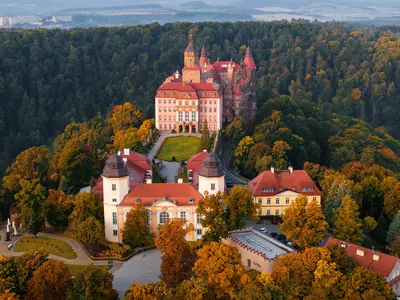
Schloss Fürstenstein (Zamek Książ) is, after Marienburg and Wawel, the third largest castle in Poland. It thrones on the northern edge of Waldenburg (Wałbrzych) on a rock above the deep gorge of the Polsnitz (Pełcznica).
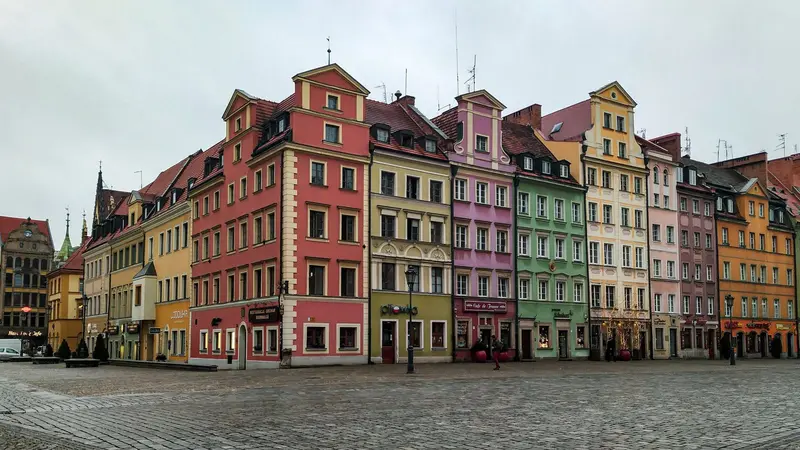
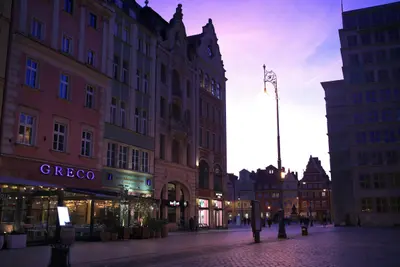
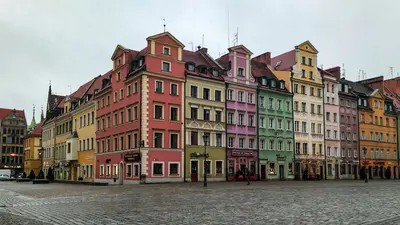
Breslau (Wrocław) is, with around 673,000 inhabitants, Poland's third-largest city and the capital of Lower Silesia. The city lies on the upper Oder River and spans about twelve islands, connected by 100 to 300 bridges, depending on how they are counted.
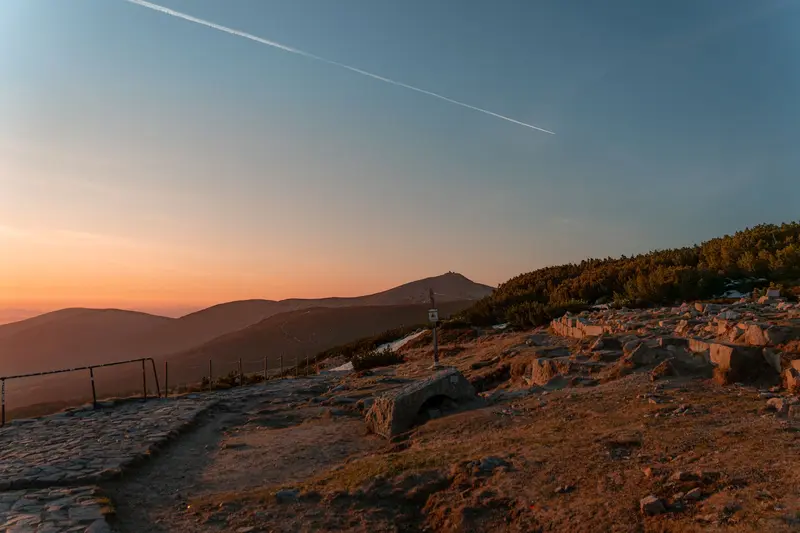
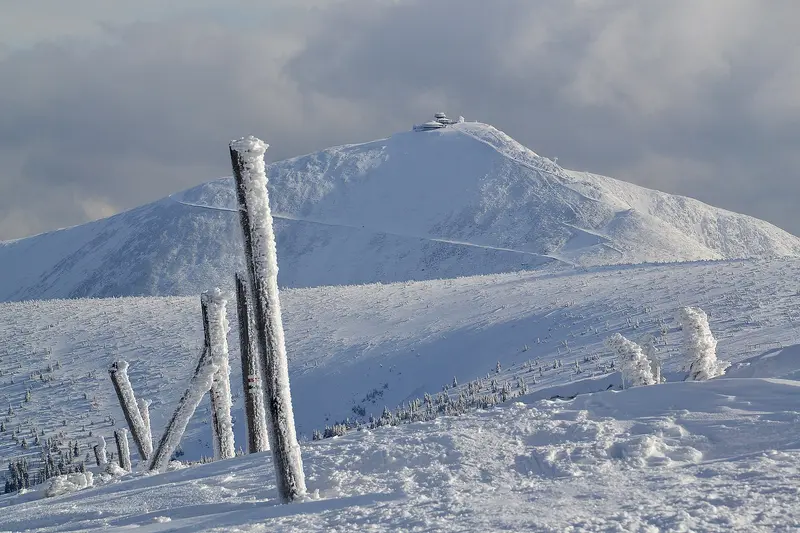
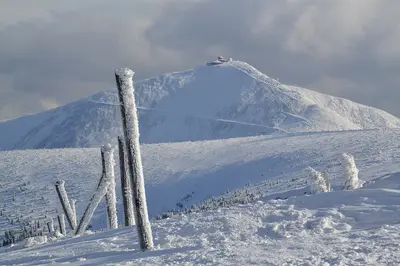
Krummhübel (Karpacz) is located in the Giant Mountains, by the Lomnica river, at the foot of Sněžka (Śnieżka). At 1603 meters, Sněžka is the range's highest peak and lies on the Czech border.
Discover the most important sights and attractions
Church
Peace Church Schweidnitz (Świdnica)
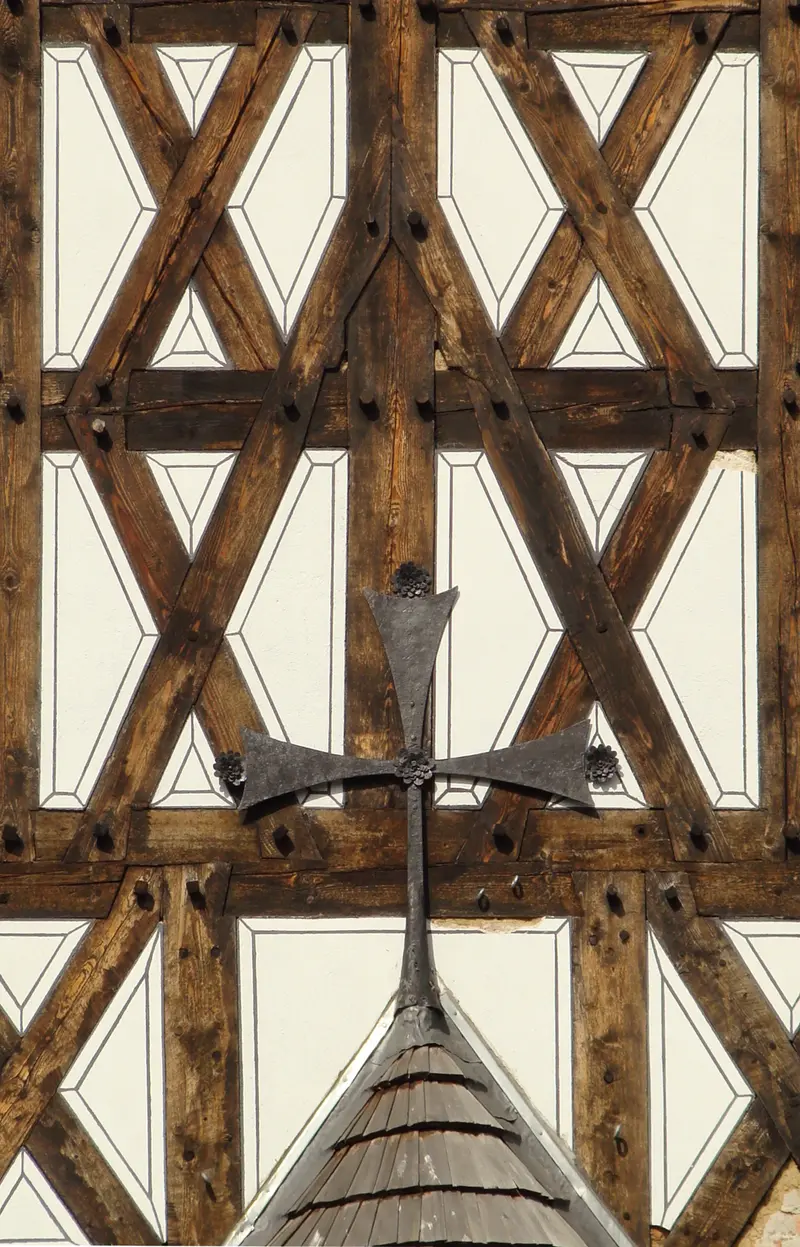
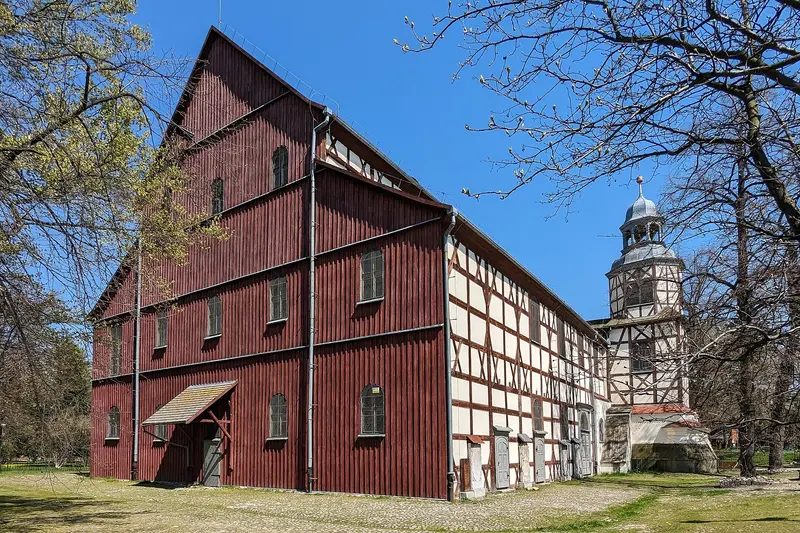
After the Peace of Westphalia in 1648, Silesian Lutherans were allowed to build only a few churches: made of wood, clay and straw, outside the city walls, without towers or bells, and with a maximum construction period of one year. The Dreifaltigkeitskirche in Schweidnitz is one of two surviving Peace Churches; it and the church in Jauer are UNESCO World Heritage Sites since 2001. It is Europe's largest wooden Baroque church and was built 1656-1657 to Albrecht von Saebisch's plans.
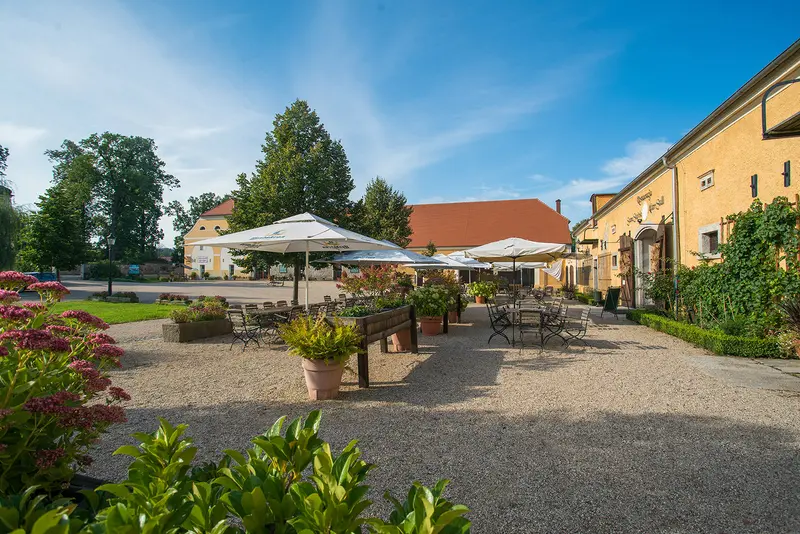
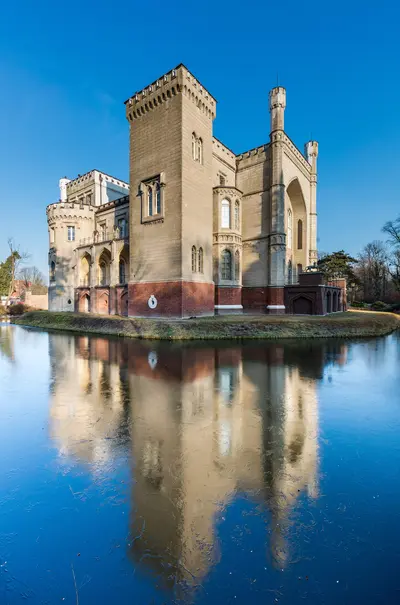
The castle is located about five kilometers from Hirschberg (Jelenia Góra) and is part of the historical monument 'Palaces and Landscape Parks of the Hirschberg Valley'. Today, the castle houses a museum of interiors, the neighboring Widow's House features a hotel with a restaurant, and the manor farm offers regional products, a bakery, and a restaurant.
The Heilig-Geist-Kirche in Jauer was completed from 1654 to 1655 following plans by Breslau master builder Albrecht von Saebisch. The half-timbered building is 43.5 meters long, 14 meters wide, and can accommodate 5,500 people. Like its sister church in Schweidnitz, it has been on the UNESCO World Heritage List since 2001.
DW Documentary rides tram line No. 1 through Wrocław with driver Tatjana Granowska and meets residents along the route, from a houseboat dweller on the Oder to the Colorful Courtyards art project in…