Fernweh: Home
    ExploreTravel GuidesPlan a tripMy tripLast visited
    de|en
    All Places & RegionsAll highlightsAbout FernwehFAQPrivacy PolicyImprint
    ExploreTravel GuidesPlan a tripMy tripLast visited
    • Neighborhoods & highlights
    • Eat & drink
    • Culture
    • Nightlife
    • Getting around
    • Accommodation
    • Plan trip
    • Nearby
    Marigny and Bywater
    Infrogmation of New Orleans / Wikimedia Commons / CC BY-SA 4.0

    United States

    Marigny and Bywater

    City

    Faubourg Marigny and Bywater are the two neighborhoods just downriver from the French Quarter, across Esplanade Avenue.

    by Felix Gillen

    1. Home
    2. Destinations
    3. United States
    4. New Orleans
    5. Marigny and Bywater
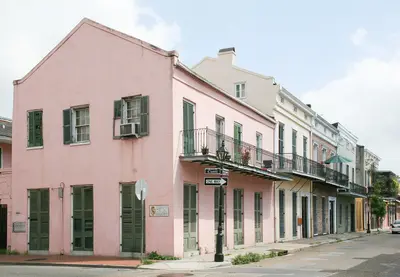
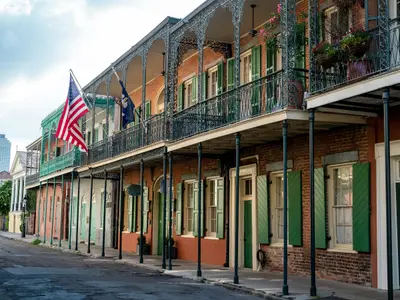
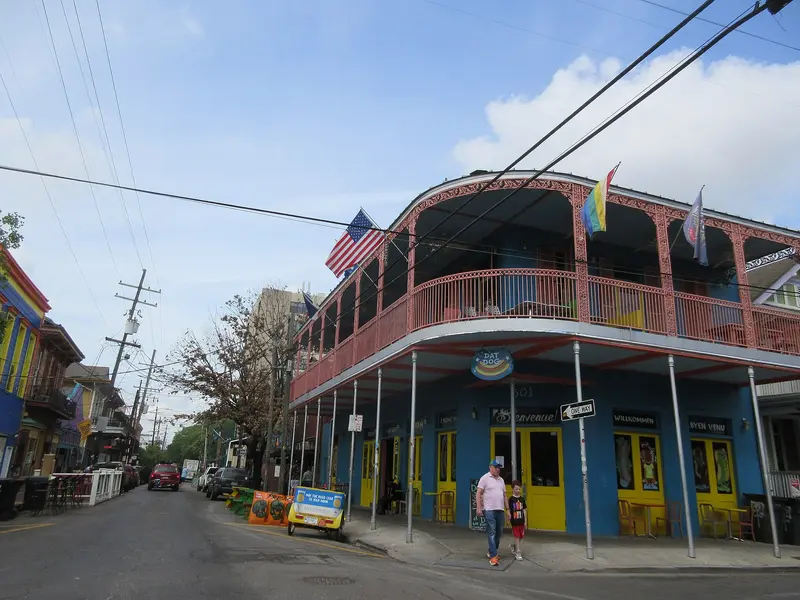
    Faubourg Marigny and Bywater are the two neighborhoods just downriver from the French Quarter, across Esplanade Avenue. Come for the live music on Frenchmen Street, the candy-colored Creole cottages, and an evening under string lights in the wine garden at Bacchanal.The Marigny runs from Esplanade to the railroad tracks along Homer Plessy Way (formerly Press Street); Bywater picks up on the other side. Bernard de Marigny began selling lots on his family's plantation in 1806, so the streets are a little younger and more modest than the Quarter's. Frenchmen Street sits right at the near edge, about a 15-minute walk from Jackson Square.Bywater is quieter and more artsy: murals, small galleries, cash-only dive bars and Crescent Park on the river. The Spotted Cat Music Club on Frenchmen is covered on the main New Orleans page.

    Sights in Marigny and Bywater

    Discover the most important sights and attractions

    Crescent Park
    Park

    1Crescent Park

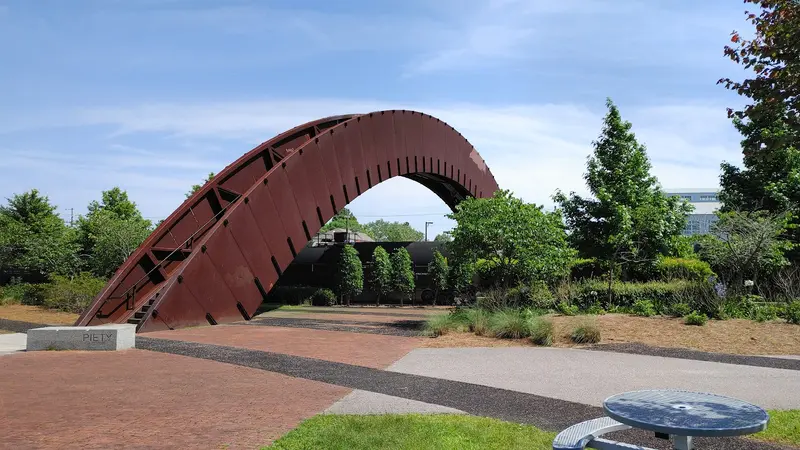
    The approximately 2.2-kilometer-long park stretches along the Mississippi from Marigny to Bywater, with paths for walking and cycling and views of the cargo ships and the skyline. From Piety Street, a large rusty arch bridge leads over the tracks into it. In the evenings, it is one of the best spots for sunset over Downtown.
    Open in Google Maps
    Washington Square
    Park

    2Washington Square

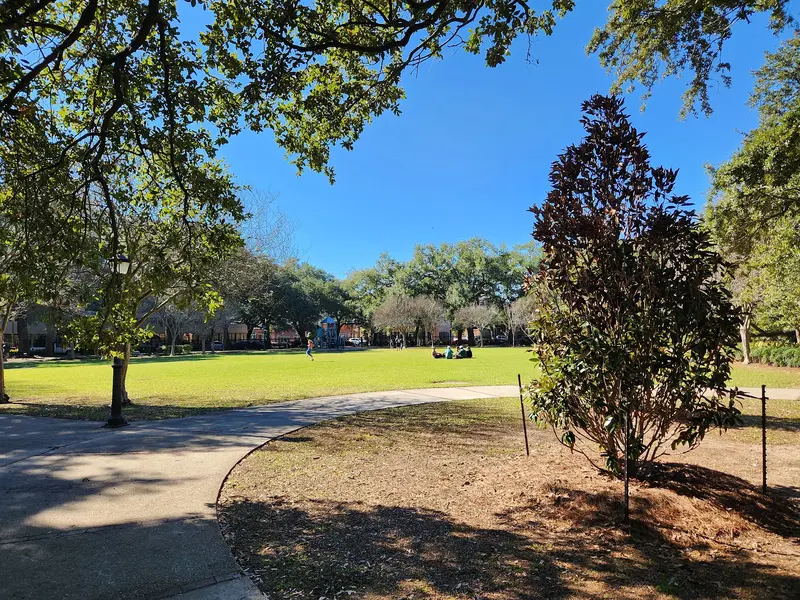
    The small park on Elysian Fields Avenue lies right at the end of Frenchmen Street and makes a good meeting spot before evening clubs open. Under the old oaks, locals sit with their dogs during the day; sometimes brass bands rehearse here. From here, you'll see the typical Marigny Creole Cottages in the side streets.
    Open in Google Maps
    StudioBE
    Gallery

    3StudioBE

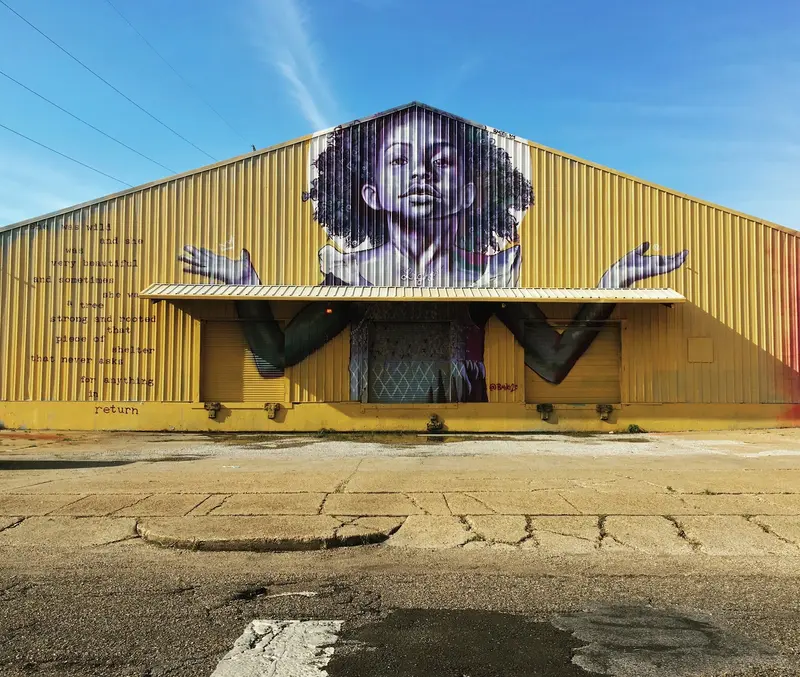
    Brandan 'Bmike' Odums transformed a 3,250 sq m warehouse at 2941 Royal Street into a gallery. Large-scale murals depict civil rights activists, revolutionaries, and New Orleans locals; the exterior is also painted. The hall has no AC, so bring water in summer; check website for hours.
    Open in Google Maps
    Dr. Bob's Folk Art
    Gallery

    4Dr. Bob's Folk Art

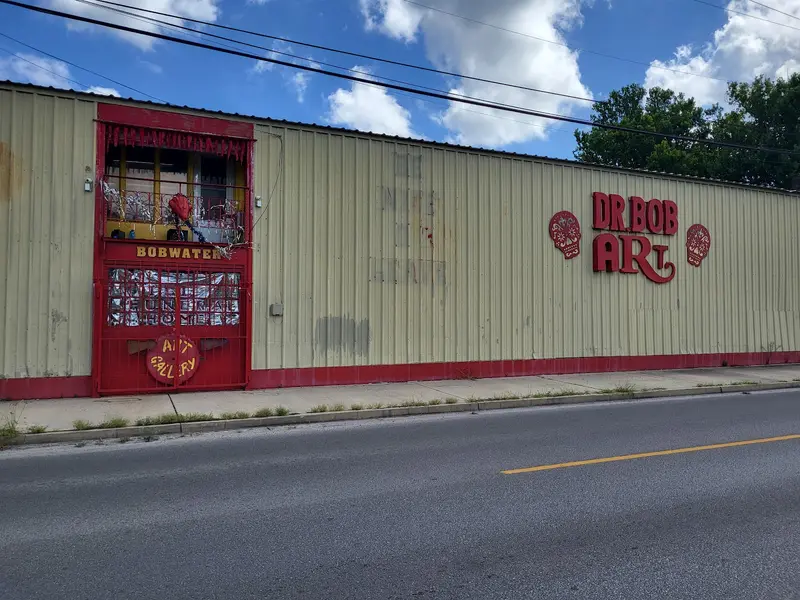
    Artist Dr. Bob's studio at 3027 Chartres Street is filled with colorful artworks made from found objects, bottle caps, and old planks. He is known for his hand-painted signs bearing the inscription “Be Nice or Leave,” which you'll see hanging in many city bars. A great spot for a souvenir that genuinely hails from New Orleans.
    Open in Google Maps

    Restaurants in Marigny and Bywater

    1

    Elizabeth's

    Breakfast and lunch eatery at the corner of Gallier and Chartres Street in Bywater, a Southern cuisine staple since 1998. Famous for its Praline Bacon, they also offer Grits, Po'Boys, and brunch dishes. Expect waits on weekends; weekdays are usually faster.
    Show on Google Maps
    2

    Bacchanal Fine Wine & Spirits

    Wine shop at 600 Poland Avenue on the edge of Bywater: Up front, you pick a bottle; in the large backyard under string lights, you drink it, ordering cheese boards and small dishes at the kitchen counter. Almost every evening a band plays. On warm weekend evenings, tables fill up early; afternoons are more relaxed.
    Show on Google Maps
    3

    Pizza Delicious

    Brooklyn-style pizzeria at 617 Piety Street, offering thin-crust pizzas whole or by the slice, plus pasta, salads, and vegan options. Enjoy your meal at simple tables indoors or outdoors. Convenient for an affordable bite after a stroll through nearby Crescent Park.
    Show on Google Maps

    Culture and history

    In the 1800s the Marigny was home to Creole families, tradesmen and immigrants. You'll see Creole cottages built right up to the sidewalk and shotgun houses, with rooms lined up one behind the other. Old live oaks shade St. Roch Avenue and Elysian Fields.Starting in the 1980s, Frenchmen Street grew into the strip where locals go to hear music. Several clubs sit side by side, often with little or no cover; the etiquette is to buy a drink per set and tip the band when the jar comes around.Bywater is known for public art. At StudioBe, artist Brandan "Bmike" Odums turned a warehouse into a gallery of murals of civil rights figures, and on the second Saturday of each month the galleries along St. Claude Avenue open together for an art walk.

    Nightlife

    1

    Snug Harbor Jazz Bistro

    The jazz club at 626 Frenchmen Street is the most formal on the street: Upstairs in the hall, guests sit at tables and listen to two sets per evening, mostly modern jazz from local greats. Tickets are required and can be purchased online in advance, which is advisable on weekends. Downstairs, there's a bar and restaurant serving Creole cuisine.
    Show on Google Maps
    2

    Three Muses

    Small bar with a stage at 536 Frenchmen Street, where Jazz and Swing are usually played early in the evening, often without an entrance fee. It also offers cocktails and a snack menu with items like Korean Fried Chicken. Since there are few tables, early evening is the best time if you want to sit and eat.
    Show on Google Maps
    3

    Vaughan's Lounge

    Neighborhood bar in an old corner house at 4229 Dauphine Street in the deep Bywater, known for live jazz and blues in a very small space. Cash only. The bar is off the main nightlife streets; for late-night trips to and from, it's best to take a taxi or a ride-share service.
    Show on Google Maps

    Getting around Marigny and Bywater

    From the French Quarter it's about 15 minutes on foot down Royal Street to Frenchmen. The heart of Bywater is another 20 to 25 minutes beyond that.Streetcar: The Rampart-St. Claude line skirts both neighborhoods. Fare is $1.25, exact change or the Le Pass app.Bus: The No. 5 Marigny-Bywater bus runs right through both.Bike: It's flat, and Blue Bikes has docks in both neighborhoods.Late at night: A cab or rideshare back from Bywater beats a long walk down empty blocks.Bring cash: a few spots, including Vaughan's and the po'boy counter at Frady's, don't take cards.
    Accommodations in Marigny and Bywater

    Find perfect stay in Marigny and Bywater

    Booking.com* (Affiliate link)
    Search Hotels
    Agoda* (Affiliate link)
    Search Hotels
    Airbnb
    Vacation Rentals

    * Affiliate link: if you book through it, we earn a small commission. The price stays the same for you.

    Campgrounds in Marigny and Bywater

    Find perfect campground in Marigny and Bywater

    Search via Google Maps
    Campgrounds nearby (15km)
    Camping.info
    Find Campgrounds
    Park4Night
    RV Parks & Camping

    Plan your trip to Marigny and Bywater

    Save places, build a route and plan your city trip, all in one place.

    1. 1
      Sunrise over alpine peaks and a sea of clouds
      1234

      Round trip

      12 days · 4 stops

      Saved

      Pick a route

      Pick a ready-made one or save places and plan your own.

      Open bookmarks
    2. 2

      Trip to Marigny and Bywater

      Live
      • 1Crescent Park3 days
      • 2Washington Square4 days
      • 3StudioBE5 days
      Budget

      Plan your trip

      The planner sorts stops, days and budget. Plan together in real time.

      Start trip planning
    3. 3
      9:41 No signal
      Marigny and Bywater
      Available offline

      Use it on the road

      Download the guide to your phone and use it on site, even offline.

    Nearby

    French Quarter

    French Quarter

    The French Quarter, or Vieux Carré, is the original 1718 city of New Orleans, set on a bend of the Mississippi. People come for the wrought-iron balconies and hidden courtyards, the old bars, and Creole dining rooms that have served the same dishes for generations.The Quarter is a tight grid between Canal Street, Esplanade Avenue, North Rampart Street and the river, and you can walk across it in about 15 minutes. Despite the name, most of what you see is Spanish colonial: fires in 1788 and 1794 wiped out much of the French town. Jackson Square and St. Louis Cathedral are covered on the main New Orleans page.Bourbon Street gets loud and crowded from late afternoon on. For a nicer stroll, take Royal Street, lined with galleries and antique shops, or Chartres Street. Before 9 a.m. you'll have the streets nearly to yourself and can grab a table at Café du Monde without a line.
    Tremé and Mid-City

    Tremé and Mid-City

    Tremé and Mid-City lie inland from the French Quarter, between Rampart Street and City Park. Come for the city's Black history, brass bands in neighborhood bars, and Creole soul food that locals happily line up for.Tremé starts right across Rampart and is often called the oldest Black neighborhood in the country: free people of color were buying property here as early as the 1700s. It's home to Louis Armstrong Park and Congo Square, and to St. Augustine Church, founded in 1841. Beyond it, Mid-City is a residential area stretching along Canal Street and Bayou St. John out to City Park.City Park and NOMA, Parkway Bakery and The Broadside are covered on the main New Orleans page. Conditions can change from one block to the next; for current safety guidance, see the UK FCDO Travel Advice.
    New Orleans

    New Orleans

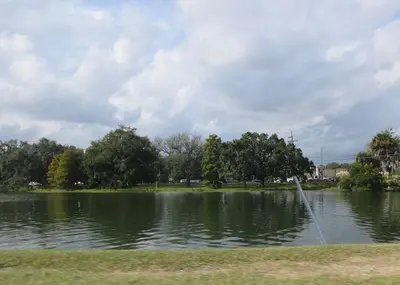
    New Orleans sits on the Mississippi in south Louisiana. You come for live music every night of the week, for Creole cooking, and for streets that still show their French and Spanish colonial past.The city was founded in 1718 under Jean-Baptiste Le Moyne de Bienville. Its historic core is the French Quarter, anchored by Jackson Square with St. Louis Cathedral, the Cabildo and the Presbytère. For live music, head to Frenchmen Street in neighboring Faubourg Marigny, where more locals go out than on Bourbon Street.The St. Charles streetcar has been running since 1835 and is considered the oldest continuously operating streetcar line in the world. It rolls from Canal Street through the Garden District to Carrollton, and at $1.25 it's the cheapest city tour you'll find. You don't need a car for the French Quarter, Marigny or Tremé; parking there is scarce and expensive.The neighborhoodsFrench Quarter: the old city, with museums, old-line Creole restaurants and the oldest bars in town, best explored on foot by day.Marigny and Bywater: just downriver, with the Frenchmen Street music strip, colorful cottages, street art and Crescent Park on the river.Garden District and Uptown: mansions along St. Charles Avenue, shopping on Magazine Street, Audubon Park and clubs like Tipitina's.Tremé and Mid-City: Black history around Congo Square, brass bands in neighborhood bars, Bayou St. John and City Park.PlanningWhen to go: February through May and October through November are the most comfortable. June through September is hot and humid, and Atlantic hurricane season runs June 1 to November 30.Big dates: During Carnival season (January through Fat Tuesday) and Jazz Fest (late April into early May), hotels sell out or spike months ahead. Book as early as you can.Where to stay: The French Quarter and Marigny put you closest to music and food; the Garden District and Uptown along the St. Charles line are quieter.
    Garden District and Uptown

    Garden District and Uptown

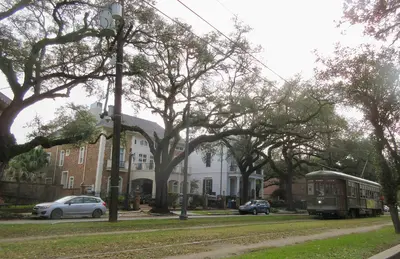
    The Garden District and Uptown are the residential neighborhoods upriver from downtown, strung along the St. Charles streetcar line. Come for the mansions under live oaks, the shops and restaurants of Magazine Street, and music clubs where the crowd is mostly local.Uptown has no hard borders. Most people mean the stretch between the river and Claiborne Avenue, from the Garden District out to Audubon Park and the Tulane and Loyola campuses. In the 1800s St. Charles Avenue was the city's millionaires' row, and many of those houses still stand. Closer to the river, Magazine Street runs parallel, lined with independent boutiques, galleries and places to eat.The Garden District itself and Commander's Palace are covered on the main New Orleans page; this page picks up from there.
    Louisiana

    Louisiana

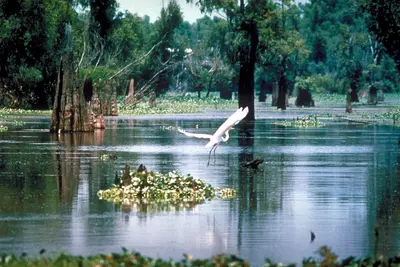
    Louisiana sits on the Gulf of Mexico between Texas, Arkansas and Mississippi, and much of it was built up over millennia by the Mississippi River and its delta. People come for the bayous and swamps, and for a Cajun and Creole culture that runs far deeper than New Orleans.Louisiana is the only state divided into parishes instead of counties, 64 in all. West of Baton Rouge lies the Atchafalaya Basin, the largest swamp in the country. I-10 crosses it between Grosse Tete and Henderson on the 18-mile Atchafalaya Basin Bridge, and the swamp is home to alligators and the Louisiana black bear.Beyond the basin is Acadiana, the heartland of the descendants of Acadians expelled from Canada, centered on Lafayette. Baton Rouge has the tallest state capitol in the U.S. at 450 feet, with an observation deck on the 27th floor. On the Mississippi's west bank in Vacherie is Oak Alley Plantation, whose main house was built by enslaved people between 1837 and 1839.

    Sources & method

    • Photos: Wikimedia Commons, Google Maps. Each photo carries its credit.
    • Place data such as addresses and ratings comes from Google Maps.
    • The content is based on web research from public, traceable sources. How the content is made · The role of AI