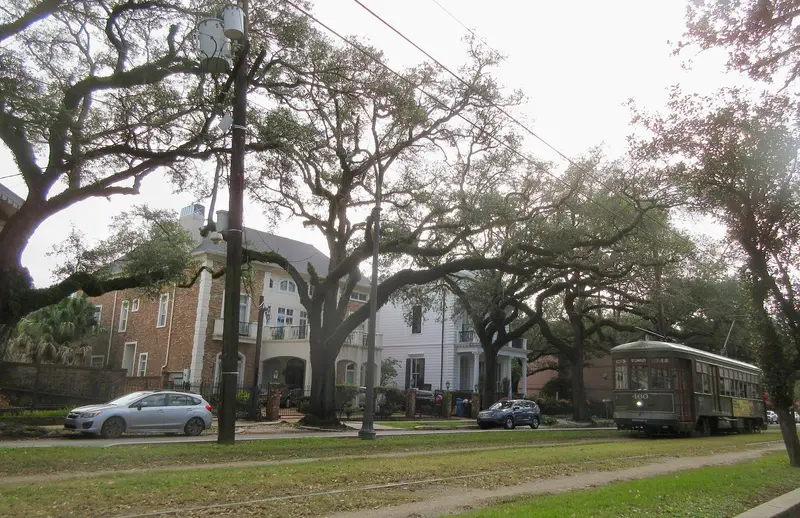
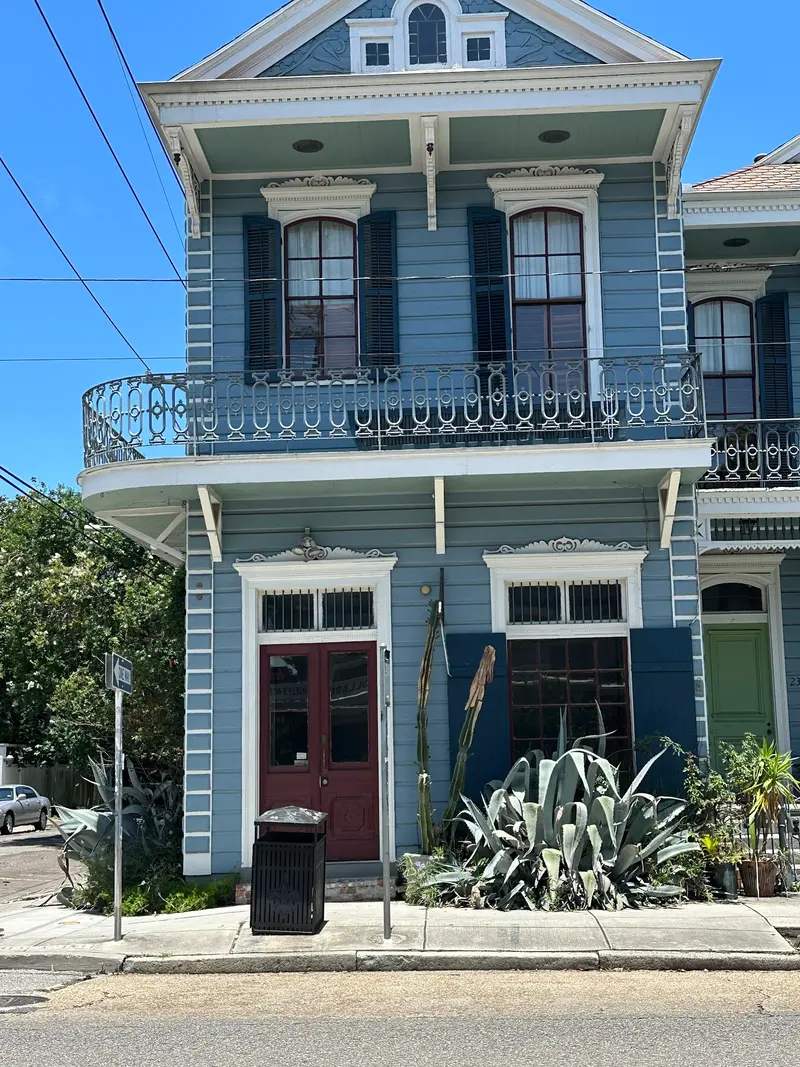
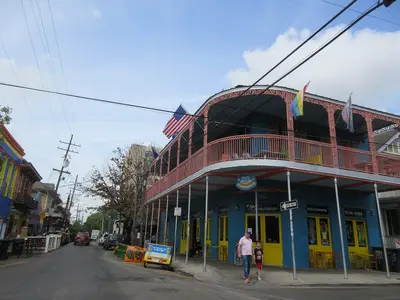
The Garden District and Uptown are the residential neighborhoods upriver from downtown, strung along the St. Charles streetcar line. Come for the mansions under live oaks, the shops and restaurants of Magazine Street, and music clubs where the crowd is mostly local.Uptown has no hard borders. Most people mean the stretch between the river and Claiborne Avenue, from the Garden District out to Audubon Park and the Tulane and Loyola campuses. In the 1800s St. Charles Avenue was the city's millionaires' row, and many of those houses still stand. Closer to the river, Magazine Street runs parallel, lined with independent boutiques, galleries and places to eat.The Garden District itself and Commander's Palace are covered on the main New Orleans page; this page picks up from there.
Sights in Garden District and Uptown
Discover the most important sights and attractions
Park
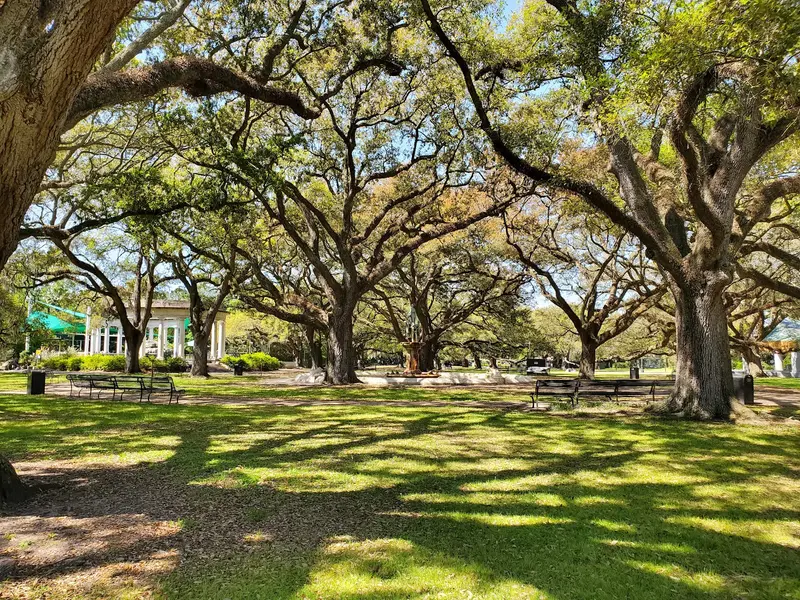
1Audubon Park
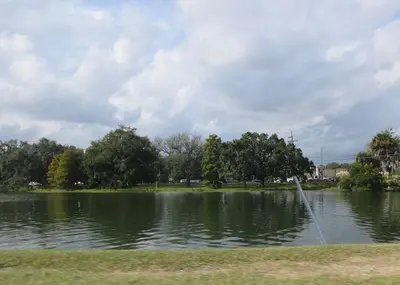
The approximately 140-hectare park between St. Charles Avenue and the river is on the site of the 1884 World's Fair; its current path network dates back to John Charles Olmsted. A nearly three-kilometer circular path leads under old oaks around lagoons where herons and ibises breed. The St. Charles streetcar stops directly at the main entrance, opposite Tulane University.
The shopping street follows the river from the Warehouse District to Audubon Park. In the sections in the Garden District and Uptown, boutiques, antique shops, galleries, and cafés line old residential buildings, including Peaches Records, a record store family-owned since 1975. It’s best to choose a two to three-kilometer stretch and walk it; Bus Line 11 takes you back.
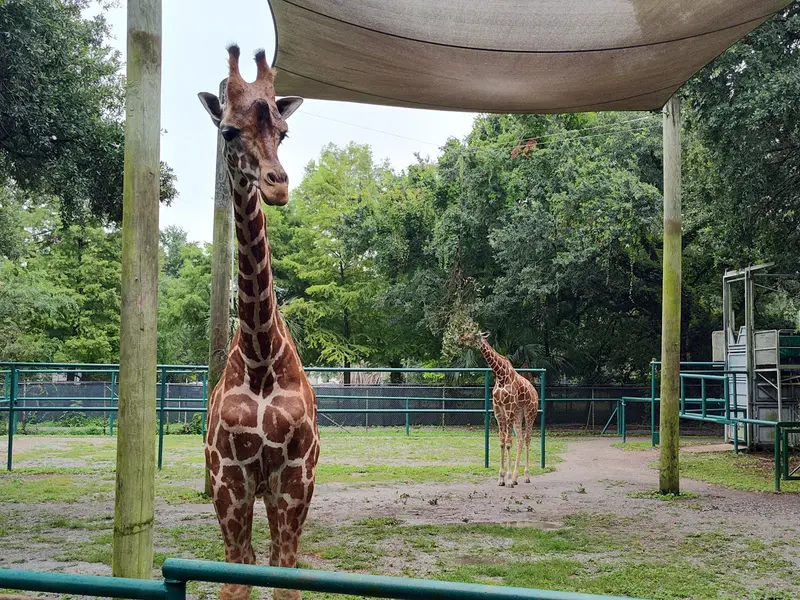
The zoo is located at the river end of Audubon Park, 6500 Magazine Street. It's famed for the Louisiana Swamp, with alligators, including white specimens. Tickets start from around $30 USD; some areas, like Reptile Encounter, are expected to be closed for construction until early 2027. From the streetcar on St. Charles Avenue, you can walk for about 20 minutes through the park.
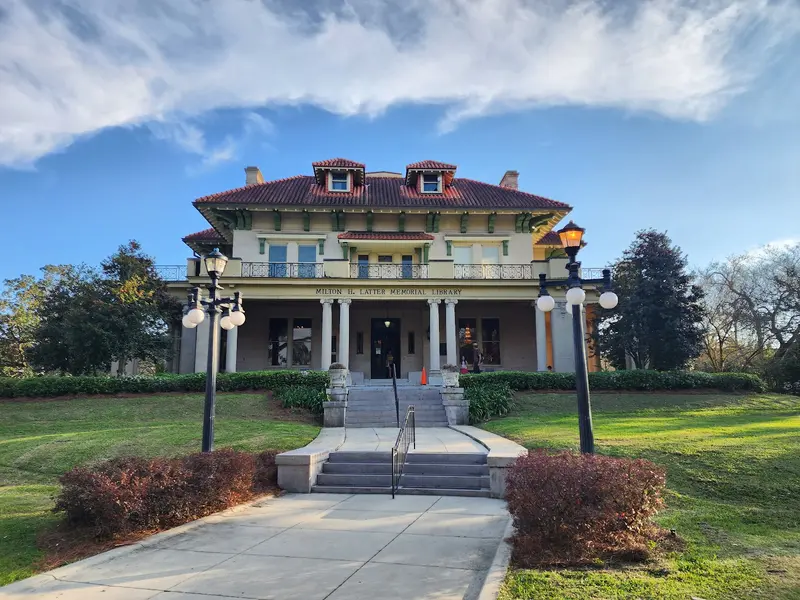
The City Library at the corner of St. Charles Avenue and Soniat Street is a 1907 mansion and one of the few old mansions on the street you can see inside. Admission is free, and on the ground floor, wood paneling and ceiling murals are preserved. The streetcar stops right in front, making it a good stop on the way to Audubon Park.
Oyster bar at 4330 Magazine Street, family-owned for over 100 years, with tiled walls and a counter where you can watch the oyster shuckers. Order the Oyster Loaf, fried oysters on thick white bread. Cash only, and traditionally closed during the summer months; check opening hours in advance.
Chef Mason Hereford's sandwich shop at 739 Jackson Avenue on the edge of the Garden District, featuring playful sandwiches like the Collard-Green-Melt and fried Bologna sandwiches. Order at the counter, eat at colorful tables indoors or on the patio. There's often a line at lunchtime, so coming early is recommended.
Israeli restaurant by chef Alon Shaya on Magazine Street in Uptown, known for wood-fired pitas, hummus with changing toppings, and sharing plates; plus natural wines. Dinner Wednesday to Sunday, lunch Friday to Sunday. You should reserve on weekends.
When American merchants poured into New Orleans in the 1800s, they built upriver from the Creole old town, with Canal Street as the dividing line. The result is the Greek Revival, Italianate and Victorian mansions you see along St. Charles today.Audubon Park sits on the grounds of the 1884 World Cotton Centennial and was later laid out to plans by John Charles Olmsted. Lafayette Cemetery No. 1, from 1833, reopened in October 2026 after a seven-year closure, but only for small guided tours (book at prcno.org).Musically, Uptown means R&B and funk. Tipitina's takes its name from a Professor Longhair song; he played there until his death in 1980.
The concert club at the corner of Napoleon Avenue and Tchoupitoulas Street opened in 1977 and is named after a song by Professor Longhair, whose bust stands in the entrance. The stage features local funk, brass, and R&B bands as well as touring artists; since 2018, the club has been owned by members of the band Galactic. Buy tickets for well-known acts online in advance.
The bar at 8316 Oak Street in Carrollton has been open since 1974 and is one of the city's oldest continuously operating music clubs. Every night a band plays, from funk and blues to brass, and on Mondays, bassist George Porter Jr. has a standing gig. Concerts usually start late; it's rarely busy before 10 PM. Take the St. Charles Streetcar to Carrollton Avenue and Oak Street, then walk.
The cocktail bar, located in a converted fire station at 4905 Freret Street, won the James Beard Award in 2018 for the country's best bar program. The menu features seasonal cocktails, along with wine, beer, and small plates. Freret Street has developed around the bar into a vibrant dining and entertainment district with various restaurants, making it perfect for combining with dinner nearby.
The St. Charles streetcar is the way to go. It's about 15 minutes from Canal Street to the Garden District and a little over 40 to Audubon Park. Fare is $1.25 (exact change or the Le Pass app); a Jazzy Pass runs $3 for one day or $8 for three.Magazine Street: No streetcar here, but the No. 11 bus runs its length. St. Charles and Magazine are usually about a 10-minute walk apart.Bike: Blue Bikes docks only reach out to roughly Louisiana Avenue.Mardi Gras: The big parades roll down St. Charles, and streetcar service is cut back or suspended during parade season. Build in extra time.At night: A cab or rideshare is the easiest way to get to Tipitina's or the Maple Leaf.