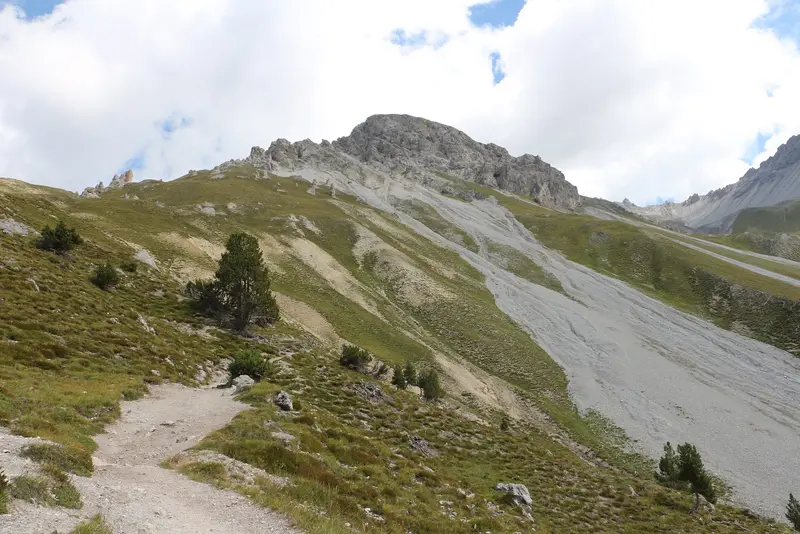
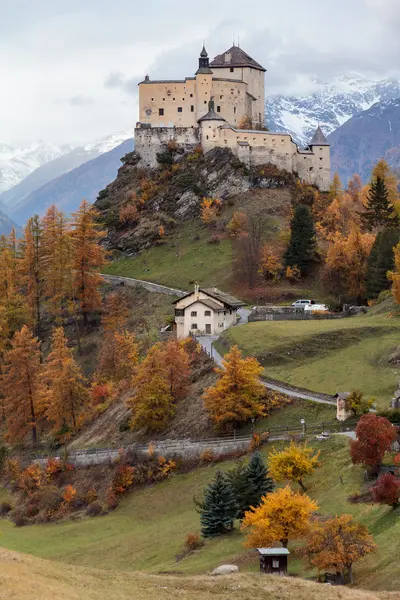
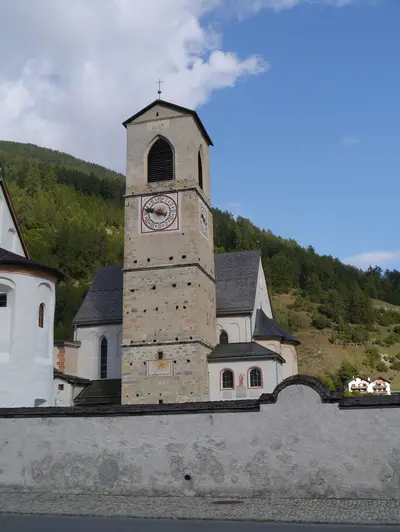
Founded on August 1, 1914, the Swiss National Park in eastern Graubünden is the oldest national park in the Alps. On 170 square kilometers, between 1400 and 3174 meters altitude, nature is allowed to develop without human intervention; the park is classified as a wilderness area of the strictest IUCN Category Ia. Roughly half the area is rock and scree, and just under a third is forest.The starting point for most visits is Zernez in Engadin, home to the National Park Centre. Twenty-one hiking routes, totaling around 100 kilometers, lead through the park. The Ofenpass road from Zernez towards Val Müstair crosses it, and PostBus stops at the trailheads. With luck, you could see red deer, chamois, ibex, marmots, and bearded vultures.Since 2017, the park has formed the core zone of the UNESCO Biosfera Engiadina Val Müstair. The rules are strict: Stay on marked trails, dogs are forbidden even on a leash, and in winter, the park is closed to protect animals.
Sights in Swiss National Park
Discover the most important sights and attractions
Natural Feature
1Val Trupchun
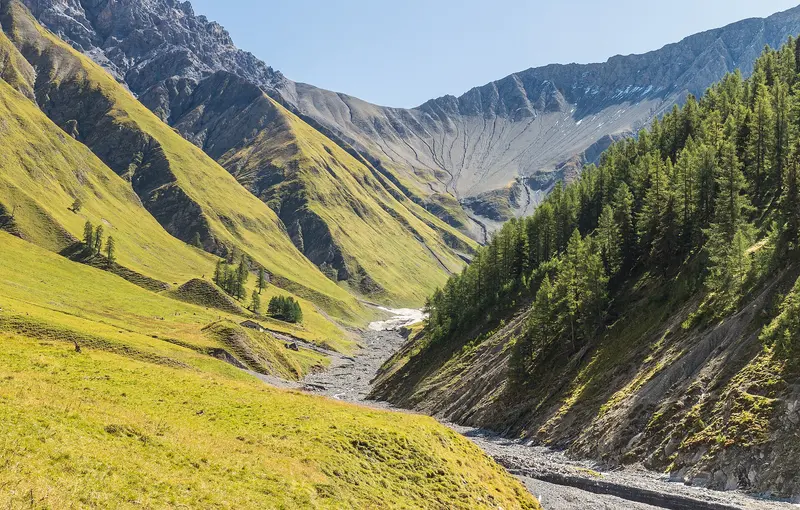
In this side valley near S-chanf you can watch red deer, chamois, ibex and marmots, and eagles often circle above the slopes. The loop hike from the Prasüras parking lot to Alp Trupchun is just under 14 kilometers and takes a little over four hours. In late September, the roaring of rutting stags echoes through the valley, so bring binoculars.
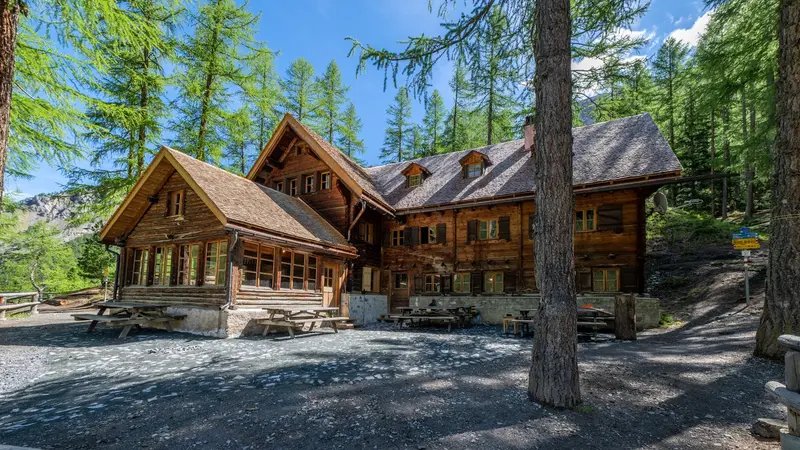
The hut in Val Cluozza is, apart from Hotel Il Fuorn, the only overnight accommodation in the park. From Zernez, you hike up for about three and a half hours. It is open from mid-June to mid-October.
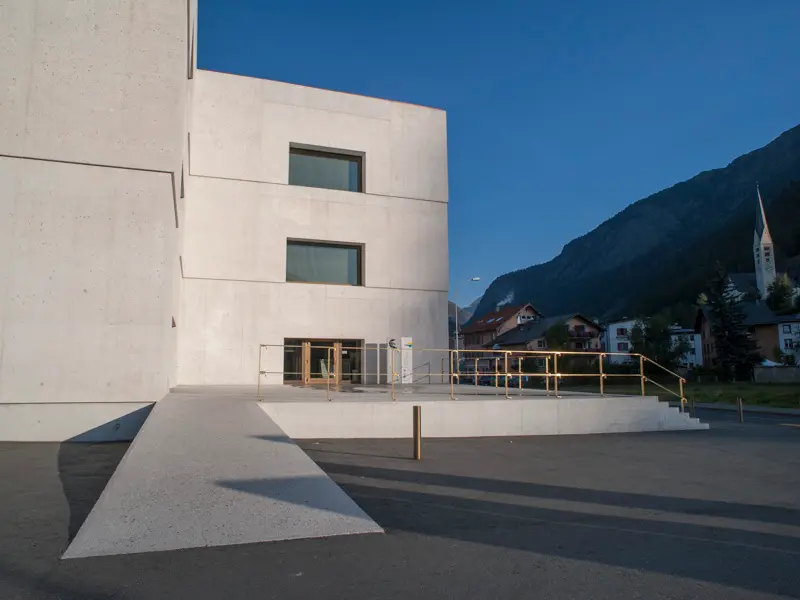
Prepare for your park visit at the Zernez Visitor Center. The 2023-opened interactive exhibition 'Wilderness at its Core' explains in four rooms how nature develops untouched, plus info counters, binocular rental, and guided tour bookings. In summer, it's open daily from 8:30 AM to 6 PM.
The Margunet viewpoint in the Ofenpass area is the destination of the National Park's guided Tuesday hike, where you look out for wildlife with a park ranger. Registration at the Zernez National Park Centre.
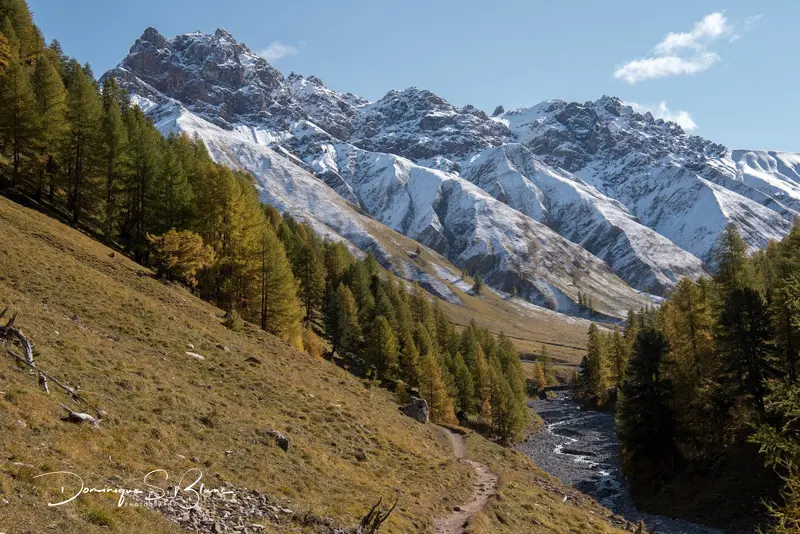
The National Park is not an amusement park, but an open-air laboratory observing for over a century how nature develops without interference.Wilderness Since 1914Within the park, there is no hunting, no mowing, and no logging. Around 80 percent of the subsoil consists of dolomite and limestone. 36 mammal species, around 100 bird species, and about 650 higher plant species have been counted. The area extends over the municipalities of Zernez, Scuol, S-chanf, and Val Müstair.Seasons in the ParkJune and July: Alpine flowers and most young animals.July and August: best time for high-alpine tours, such as to the Macun Lakes Plateau.Late September: Red deer rut, particularly good to experience in Val Trupchun.October: the larches turn golden.Rules for VisitorsStays are permitted only during the day and on marked paths, as well as at designated rest areas. Dogs, bikes, fires, swimming, and picking plants are prohibited; overnight stays are only possible in Chamanna Cluozza and Hotel Il Fuorn. You can book guided hikes, for example, to Margunet and Val Trupchun, at the National Park Centre.
Getting to and around the National Park
You can reach Zernez by the Rhaetian Railway, in about 33 minutes from Scuol, and just over 40 minutes from St. Moritz. The park administration strongly recommends using public transport, as you are only permitted to park in numbered parking spaces along the Ofenpass road.The PostBus from Zernez over the Ofenpass to Val Müstair stops at several hiking trailheads within the park; you can reach Hotel Il Fuorn in about 20 minutes.You start your hike into Val Trupchun from the Prasüras car park near S-chanf.To Chamanna Cluozza, you walk about three and a half hours from Zernez; the hut is open from mid-June to mid-October.Apart from Cluozza and Il Fuorn, there are no catering facilities in the park, so bring your own provisions.