Fernweh: Home
    ExploreTravel GuidesPlan a tripMy tripLast visited
    de|en
    All Places & RegionsAll highlightsAbout FernwehFAQPrivacy PolicyImprint
    ExploreTravel GuidesPlan a tripMy tripLast visited
    • Overview
    • Places in the region
    • Food culture
    • Culture
    • Getting around
    • Round trips
    • Nearby
    Central Anatolia

    Turkey

    Central Anatolia

    Region

    Central Anatolia is the highland in the heart of Turkey, stretching from the capital Ankara to Konya in the south.

    by Felix Gillen

    1. Home
    2. Destinations
    3. Turkey
    4. Central Anatolia
    Central Anatolia is the highland in the heart of Turkey, stretching from the capital Ankara to Konya in the south. Here lie Hattuşa, the capital of the Hittites, Seljuk buildings and the Mevlana Museum in Konya, as well as Atatürk's Mausoleum in Ankara. High-speed trains connect the major cities with Istanbul.
    OverviewThe region is a high plateau; Ankara lies at 938, Konya at over 1,000 meters altitude. The capital is in the north, Konya in the south, the ruins of Hattuşa about a two-hour drive east of the capital. Cappadocia borders to the east.When to Visit and Getting ThereThe climate is continental, with hot, dry summers and cold, often snowy winters. You can reach Ankara by high-speed train YHT in about four hours from Istanbul, Konya from Ankara in just over two hours. There are airports in Ankara (Esenboğa) and Konya.What to ExpectHittites: Hattuşa and Yazılıkaya near Boğazkale, the finds at the Museum of Anatolian Civilizations in Ankara.Seljuks and Sufis: Madrasahs, Mosques, and Rumi's Tomb in Konya, along with the Sema of the Dervishes.Republic: Ankara with Anıtkabir, Citadel, and the old town quarter Hamamönü.Neolithic Age: Çatalhöyük near Konya, one of the oldest known settlements in the world.
    Ankara

    Place 1 of 3

    Ankara

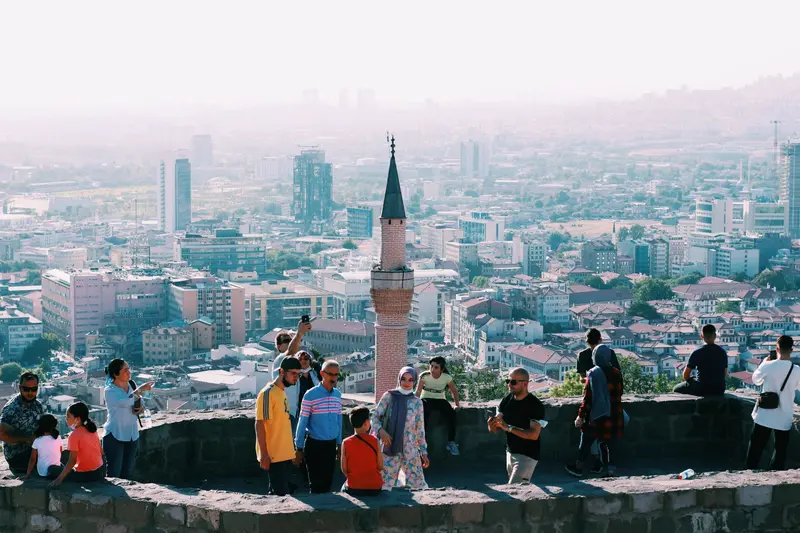
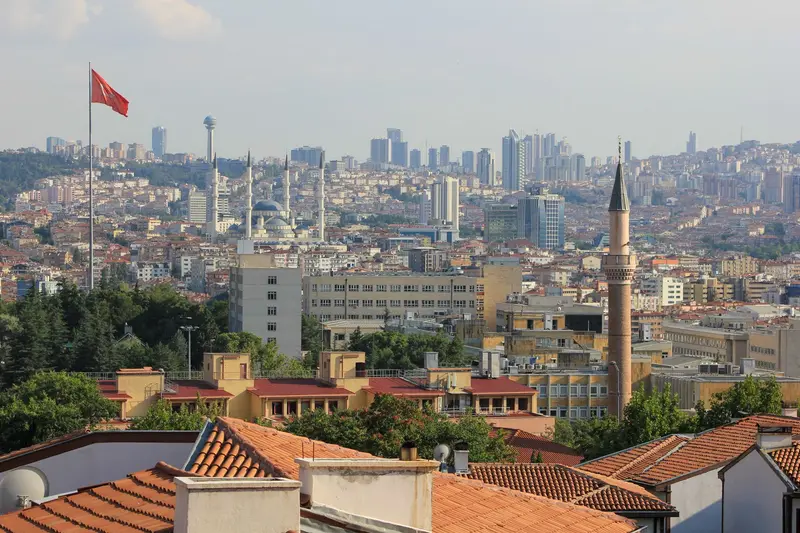
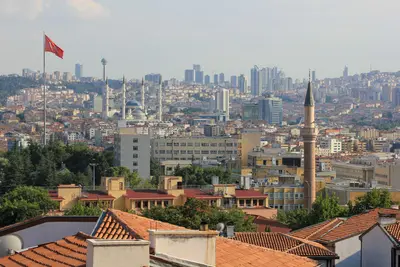
    Ankara has been the capital of Turkey since October 13, 1923, and with approximately 5.9 million inhabitants, it is the country's second-largest city after Istanbul.

    Discover
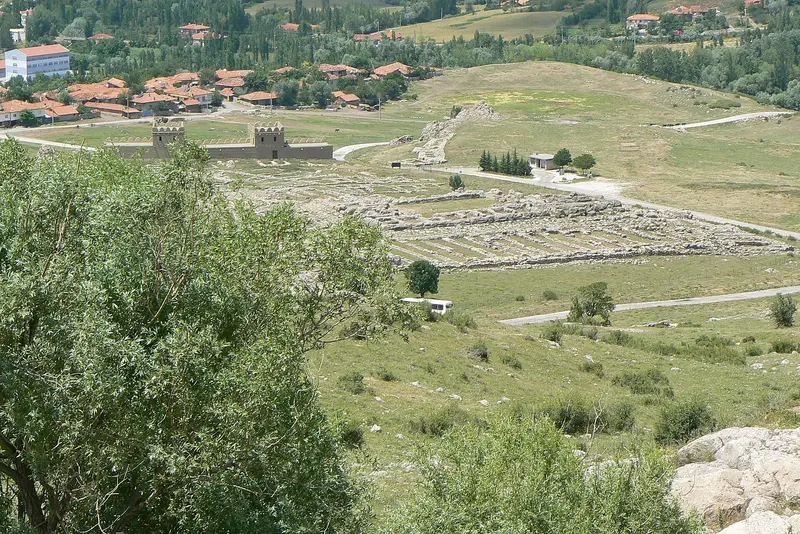
    Hattuşa
    Rita1234 / Wikimedia Commons / CC BY-SA 3.0

    Place 2 of 3

    Hattuşa

    From approximately 1650 BC, Hattuşa served as the Hittite capital and has been on the UNESCO World Heritage List since 1986. The ruins are situated near Boğazkale in Çorum Province, approximately two hours by car east of Ankara.

    Discover
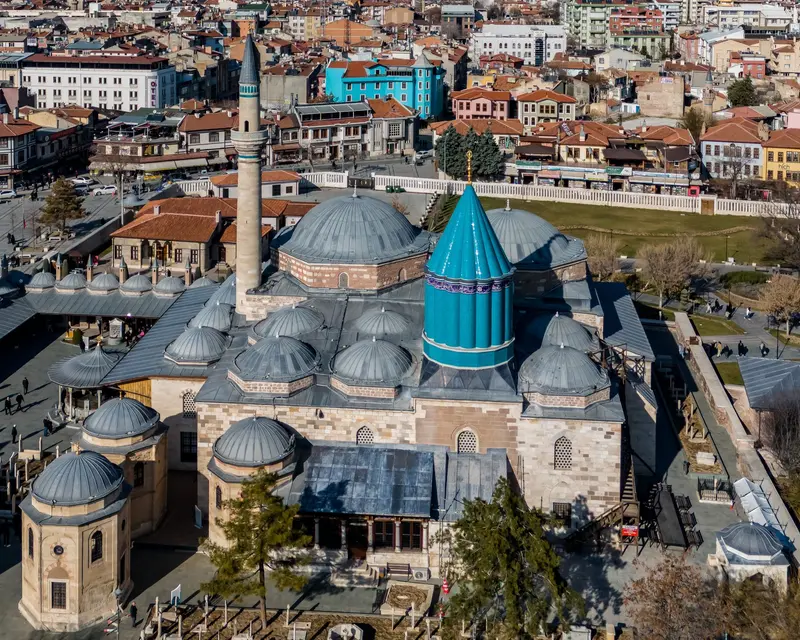
    Konya

    Place 3 of 3

    Konya

    In the Middle Ages Konya was the capital of the Seljuks of Rum, and it is the city of the Sufi mystic Mevlana Rumi, whose tomb in the Mevlana Museum draws pilgrims and travellers.

    Discover

    Food and Drink

    Highland cuisine features lamb, grain, and bread baked in a wood-fired oven.

    Etli Ekmek

    Konya's long, thin pide with mince, tomato and pepper, briefly baked in an oak wood oven.

    Oven Kebab

    Oven-baked, tender lamb on fluffy flatbread, served in simple eateries in Konya.

    Ankara Tava

    Rice noodles with tomatoes, bell peppers and cumin, served with lamb.

    Çorum Leblebisi

    Roasted chickpeas from Çorum Province, where Hattuşa is located.

    Culture & History

    Hittites and PhrygiansDuring the Late Bronze Age, Central Anatolia was the heartland of the Hittites, whose capital Hattuşa fell around 1200 BC. The first fortification of Ankara's citadel is attributed to the Phrygians; later, Galatians and Romans ruled here.Seljuks and MevlanaFrom the late 11th century, Konya served as the capital of the Rûm Seljuks. During this period, the mystic Rumi lived in the city, and his followers founded the Mevlevi Order of Dervishes.Capital of the RepublicIn 1923, Ankara became the capital of the new Republic. Atatürk's Mausoleum, Anıtkabir, was completed in 1953 on a hill overlooking the city.

    Arrival & On the Go

    By TrainThe high-speed YHT trains connect Istanbul, Ankara, and Konya: Istanbul to Ankara takes approximately four hours, Ankara to Konya a good two, Istanbul to Konya around five hours.By Bus and CarHattuşa: Without a car, take a bus to Sungurlu and continue by the infrequently running Dolmuş or taxi to Boğazkale.Çatalhöyük: From Konya by train to Çumra, then a taxi or, in summer, a minibus.TipAnkara makes a good base for Hattuşa, Konya can be easily combined with onward travel to Cappadocia.
    Round trips through this region

    Turkey classics: Istanbul, Aegean and Cappadocia

    Turkey classics: Istanbul, Aegean and Cappadocia

    The route connects the stops that most first-time visitors come to Turkey for: Istanbul, Troy, Ephesus, the travertine terraces of Pamukkale, the Antalya Riviera, Konya, and the valleys of Cappadocia. You cover these stages by long-distance bus, train, or rental car; for the return journey to Istanbul, a domestic flight from Kayseri is recommended.

    15 Days
    7 stops
    Open jaw

    Nearby

    Ankara

    Ankara

    Ankara has been the capital of Turkey since October 13, 1923, and with approximately 5.9 million inhabitants, it is the country's second-largest city after Istanbul. Here you'll find Atatürk's Mausoleum and the Museum of Anatolian Civilizations, featuring artifacts from the Hittite era; by high-speed train, you're about four hours from Istanbul. The old town of Ulus, with its Citadel and Hamamönü, is located in the north, while the modern center Kızılay and the nightlife streets around Tunalı Hilmi and Kavaklıdere are further south.
    Hattuşa

    Hattuşa

    From approximately 1650 BC, Hattuşa served as the Hittite capital and has been on the UNESCO World Heritage List since 1986. The ruins are situated near Boğazkale in Çorum Province, approximately two hours by car east of Ankara. City walls, the Lion and Sphinx Gates, the Great Temple, and the Yazılıkaya rock sanctuary reveal how the Hittites built and worshipped their gods.
    Göreme

    Göreme

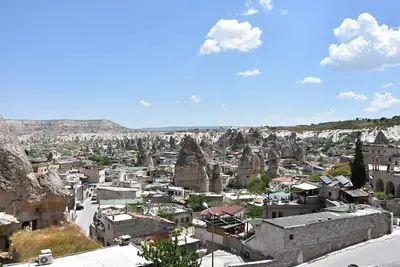
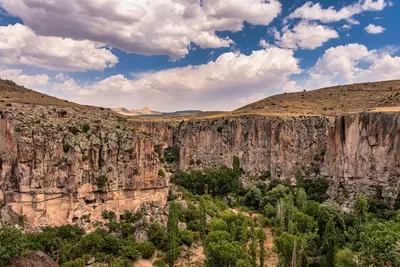
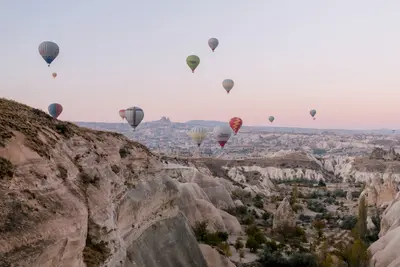
    Göreme is a town with around 2,000 inhabitants in the center of Cappadocia, surrounded by valleys full of fairy chimneys. Here you'll find the open-air museum with its rock-cut churches and hiking trails through Rose, Red, and Love Valley, above which hot-air balloons glide at sunrise. Many old cave houses are now hotels; Uçhisar and Çavuşin can be reached on foot through the valleys.
    Ihlara Valley

    Ihlara Valley

    The Ihlara Valley is a gorge up to 150 metres deep in the southwest of Cappadocia, about an hour and a half by car from Göreme. The Melendiz River carved it into the tuff of the Hasan Dağı volcano, and around 50 rock churches lie in its walls. A hiking trail follows the water for about 14 kilometres from Ihlara via Belisırma to the rock monastery of Selime.
    Cappadocia

    Cappadocia

    Cappadocia lies in Anatolia's heart, about an hour's flight from Istanbul, on a high plateau over 1,000 meters. Fairy chimneys, rock-cut churches with Byzantine frescoes, and underground cities make it one of Turkey's most famous destinations. Göreme National Park and Cappadocia's Rock Sites are UNESCO World Heritage Sites since 1985.

    Sources & method

    • Photos: Pexels. Each photo carries its credit.
    • The content is based on web research from public, traceable sources. How the content is made · The role of AI