Fernweh
    ExploreTravel GuidesMy Trips
    de|en
    About FernwehImprintFAQPrivacy Policy
    ExploreTravel GuidesMy Trips
    Marselisborg & Dyrehaven (Deer Park)

    Marselisborg & Dyrehaven (Deer Park)

    CityNatureFor FamiliesCultureBeach
    1. Home
    2. Destinations
    3. Denmark
    4. Marselisborg & Dyrehaven (Deer Park)
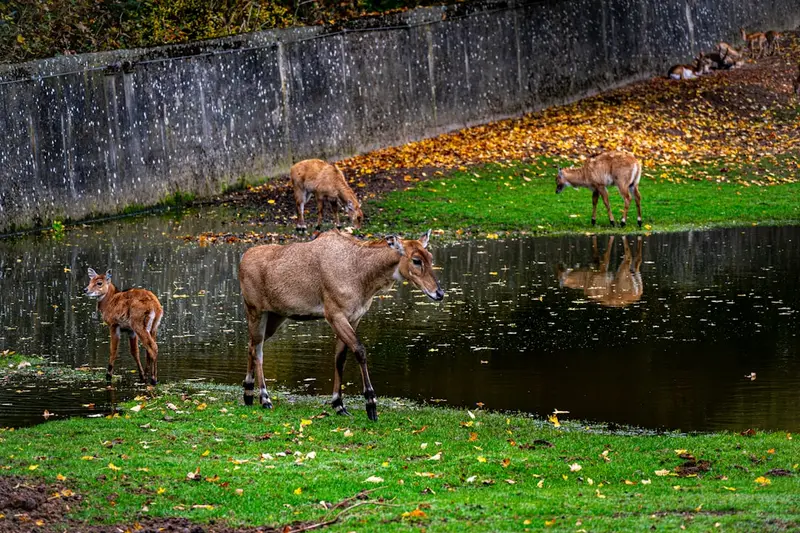
    This vast green belt south of the city center offers the royal Marselisborg Castle, extensive forests, and the popular deer park with fallow deer and mouflons, an ideal backdrop for relaxation and nature.
    • Neighborhoods & highlights
    • Eat & drink
    • Culture
    • Getting around
    • Accommodation
    • Plan trip
    • Nearby
    • Neighborhoods & highlights
    • Eat & drink
    • Culture
    • Getting around
    • Accommodation
    • Plan trip
    • Nearby

    Overview

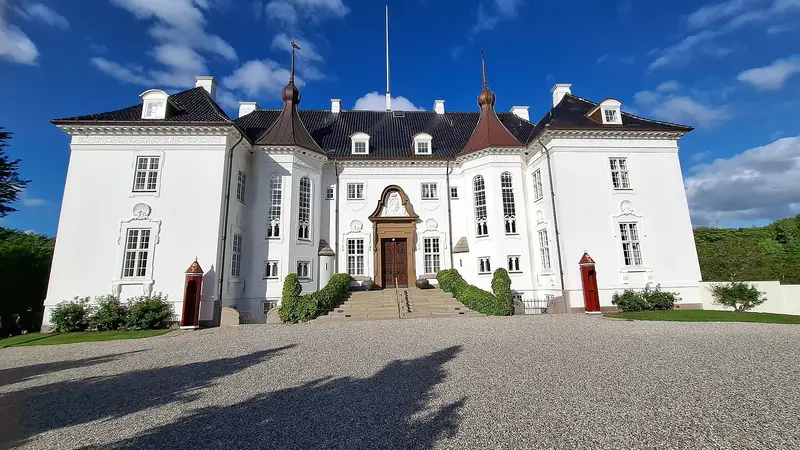
    South of Aarhus city center lies the expansive green belt of Marselisborg, offering a combination of royal history and nature-based recreation. Here you'll find Marselisborg Slot, the summer residence of the Danish Royal Family, whose rose garden is accessible when the family is not present. A daily highlight is the changing of the guard, which you can witness when the Royal Family is in residence at the castle. Adjacent to it, Dyrehaven, the Deer Park, invites you for extensive strolls, where fallow deer and mouflon graze freely in the forests and open areas. Maintain a sufficient distance from the animals here and do not feed them, to preserve their natural behavior. The expansive forests of Marselisborg Skov also offer numerous paths for hiking and cycling, ideal for a break in nature close to the city.

    Places in Marselisborg & Dyrehaven (Deer Park)

    Discover the most important sights and attractions

    Sights in Marselisborg & Dyrehaven (Deer Park)

    Villa Margarinely

    Die Villa Margarinely, idyllisch eingebettet in Marselisborg Dyrehaven, ist ein bemerkenswertes Zeugnis früher dänischer Jugendstil-Architektur. Erbaut um 1910 für den Industriellen Peder Møller Hansen, der durch die Margarineproduktion zu Reichtum gelangte, repräsentiert sie eine einzigartige Verbindung von Natur und Design. Du entdeckst hier eine faszinierende Kombination aus organischen Formen und traditionellen Materialien, die sich harmonisch in die umgebende Parklandschaft einfügen. Obwohl das Innere der Villa nicht öffentlich zugänglich ist, lohnen sich die kunstvoll verzierten Fassaden mit ihren floralen Motiven und geometrischen Mustern für einen Besuch. Unser Tipp: Komme am späten Vormittag, wenn die Sonne die Details der Fassade optimal beleuchtet. Für eine ungestörte Aufnahme der Gesamtansicht empfiehlt sich der kleine Weg östlich des Gebäudes, von wo aus du die Villa inmitten der alten Bäume perfekt einfangen kannst.
    Open in Google Maps

    Marselisborg Deer Park

    The Marselisborg Dyrehave, located near Aarhus, is an expansive, fenced woodland area that offers a unique encounter with wildlife. Here, Sika deer, Fallow deer, and Red deer live in a natural environment. The Fallow deer, in particular, are often tame and can be hand-fed, making the park a popular destination for families. Historically, the area was part of the royal hunting grounds and today belongs to the extensive Marselisborg Forests. You can take extensive walks here and enjoy the tranquility of nature while observing the animals in their natural habitat. The park also borders the grounds of Marselisborg Palace, the summer residence of the Danish Royal Family. Our tip: Visit the park in the morning or late afternoon to experience the animals at their most active. Bring carrots or apples with you. For undisturbed observations and photos of the herds, the area around the large meadows, away from the main entrances, is recommended.
    Open in Google Maps

    Museum Moesgård

    The Moesgård Museum, located in Marselisborg and Dyrehaven, is Denmark's leading archaeological and ethnographic museum. Its award-winning architecture with accessible roof areas is a highlight. Inside, you'll embark on a journey through Danish prehistory, from the Stone Age to the Viking Age, and see unique exhibits like the famous Grauballe Man. Interactive exhibitions deepen the understanding of past eras. Outside, the 'Oldtidsstien' invites you for a stroll through reconstructed landscapes. Our Tip: Visit the museum on weekday mornings to avoid crowds. Use the roof terrace for panoramic photos and combine your visit with a walk through the deer park.
    Open in Google Maps

    Marselisborg Strand

    Der Marselisborg Strand ist ein beliebtes Küstengebiet südlich von Aarhus und zeichnet sich durch seine idyllische Lage zwischen dem Marselisborg Skov und dem Dyrehaven aus. Er ist integraler Bestandteil des Naherholungsgebiets um das Marselisborg Slot, der Sommerresidenz der dänischen Königsfamilie, was der Gegend eine geschichtsträchtige Atmosphäre verleiht. Hier findest du einen sauberen Sandstrand, der zum Schwimmen und Sonnenbaden einlädt, während die angrenzenden Wälder zahlreiche Möglichkeiten für Spaziergänge und Naturbeobachtungen bieten. Im Dyrehaven triffst du zudem freilaufende Hirsche an. Unser Tipp: Besuche den Strand am frühen Morgen oder späten Nachmittag, um die Ruhe zu genießen und malerische Ausblicke auf die Bucht von Aarhus zu erleben. Kombiniere den Besuch mit einem Abstecher in den Dyrehaven, um die faszinierende Tierwelt zu beobachten.
    Open in Google Maps

    Catholic Church of Our Lady

    Die Katholische Kirche Unserer Lieben Frau in Aarhus ist ein wichtiges Zeugnis der katholischen Gemeinde in Dänemark, einem überwiegend lutherischen Land. Das 1880 im neugotischen Stil erbaute Gotteshaus bietet eine ruhige Oase der Besinnung mit beeindruckenden Glasmalereien und einem detailreichen Altar. Es ist ein kultureller Kontrastpunkt, den du nach deinem Besuch in Marselisborg oder Dyrehaven erkunden kannst. Unser Tipp: Besuche die Kirche außerhalb der Gottesdienstzeiten. So kannst du die stille Atmosphäre und die feinen Schnitzereien des Hochaltars in Ruhe auf dich wirken lassen.
    Open in Google Maps

    Dining & Drinks

    Royal History and Landscape Culture

    Marselisborg and the adjacent Dyrehaven offer a deep insight into Danish royal history and the evolution of landscape design. This region south of Aarhus combines architectural elegance with a long cultural tradition of public access to natural spaces.The Marselisborg Palace was built between 1899 and 1902 based on designs by architect Hack Kampmann in the Neo-Renaissance style. It served as a wedding gift from the Danish people to Crown Prince Christian (later King Christian X) and remains the royal family's summer residence to this day. However, the history of the estate dates back to the Middle Ages when a manor farm existed here, before it passed into the possession of the Dutch merchant Gabriel Marselis in the 17th century, giving it its current name.The expansive Dyrehaven, which surrounds the palace, represents a historic parkland with ancient oaks and open grassland, shaped over centuries. Originally established as a royal hunting ground, the park was gradually opened to the public over time. This accessibility reflects a Danish tradition that makes nature and historical sites accessible to everyone, even if they belong to the Royal House. The peaceful coexistence of red deer and visitors is a characteristic feature.The cultural significance of the site also lies in its function as a living testament to the Danish monarchy and its connection to the populace. When the royal family is not in residence, the palace park is open to the public, underscoring this special relationship and offering an insight into royal garden culture.

    Out and about locally

    Marselisborg and Dyrehaven are wonderfully integrated into Aarhus's urban landscape and are ideal for exploration. The public transport network, primarily buses, will efficiently take you from the city centre directly to the park areas. The Rejsekort-App or a physical Rejsekort offer simple ticket purchases and often cheaper multi-journey fares.Aarhus is extremely bike-friendly; rent a bicycle or e-scooter to explore the picturesque coastal paths – often the most flexible and scenic way to get around. For longer distances or after an evening out, taxis and ride-sharing services are available, but be aware of the higher prices.Thanks to its high pedestrian-friendliness, much within the parks and in large parts of the city centre is easily accessible on foot. Plan your routes in advance to make the most of your visit and optimally utilise Danish efficiency.

    Accommodations in Marselisborg & Dyrehaven (Deer Park)

    Accommodations in Marselisborg & Dyrehaven (Deer Park)

    Find perfect stay in Marselisborg & Dyrehaven (Deer Park)

    Booking.com
    Search Hotels
    Agoda
    Search Hotels
    Airbnb
    Vacation Rentals
    Hotels.com
    Hotels Worldwide
    Hostelworld
    Hostels

    Campgrounds in Marselisborg & Dyrehaven (Deer Park)

    Find perfect campground in Marselisborg & Dyrehaven (Deer Park)

    Search via Google Maps
    Campgrounds nearby (15km)
    Camping.info
    Find Campgrounds
    Park4Night
    RV Parks & Camping

    Plan your trip to Marselisborg & Dyrehaven (Deer Park)

    Save places, build a route and plan your city trip — all in one place.

    Save places

    Bookmark sights, restaurants and neighborhoods you're interested in.

    Build your route

    Turn your bookmarks into a route — define order, days and budget.

    Refine with AI

    Let Mein Fernweh suggest experiences and put together a tailored daily plan.

    Start trip planningOpen bookmarks

    Locations nearby

    These places are nearby — perfect for additional days or a day trip.

    Aarhus

    Aarhus

    Aarhus, Denmark's second-largest city, presents itself as a dynamic cultural hub, blending historical charm with modern architecture. Here you'll find the renowned ARoS Aarhus Kunstmuseum with its iconic "Your rainbow panorama" and the open-air museum Den Gamle By, bringing Danish urban history to life. Stroll through Latinerkvarteret, the city's oldest quarter, surrounded by cobblestone streets, unique boutiques, and cozy cafes. The ultra-modern cultural center Dokk1 by the harbor and the architecturally stunning Moesgaard Museum offer further cultural insights into prehistoric times. The city thrives on its university atmosphere, reflected in a vibrant culinary scene. Ideally, plan your visit in spring or autumn to enjoy the sights without the biggest tourist crowds. A stroll along the river Å through the Åboulevarden district reveals many nice restaurants and bars for the evening.
    Østjylland (East Jutland)

    Østjylland (East Jutland)

    East Jutland in Denmark captivates with a fascinating mix of urban flair, rich history, and picturesque nature. From the vibrant cultural metropolis of Aarhus to the rolling hills and idyllic coastal landscapes of the Djursland peninsula, the region offers unforgettable experiences for every taste and is considered the cultural heart of Jutland.
    Aarhus Ø (The Harbor District)

    Aarhus Ø (The Harbor District)

    The futuristic harbor district represents modern Aarhus with its bold architecture, the impressive cultural center Dokk1, and a lively waterfront promenade that invites you to take a stroll.
    Latinerkvarteret (The Latin Quarter)

    Latinerkvarteret (The Latin Quarter)

    The oldest quarter of Aarhus enchants with its cobblestone streets, colorful half-timbered houses, small boutiques, and cozy cafés, which invite you to stroll and linger.
    Mols Bjerge National Park

    Mols Bjerge National Park

    This unique National Park on Djursland offers a dramatic Ice Age landscape with rolling hills, vast heathlands, and spectacular views over Aarhus Bay and the Kattegat.