This unique National Park on Djursland offers a dramatic Ice Age landscape with rolling hills, vast heathlands, and spectacular views over Aarhus Bay and the Kattegat.
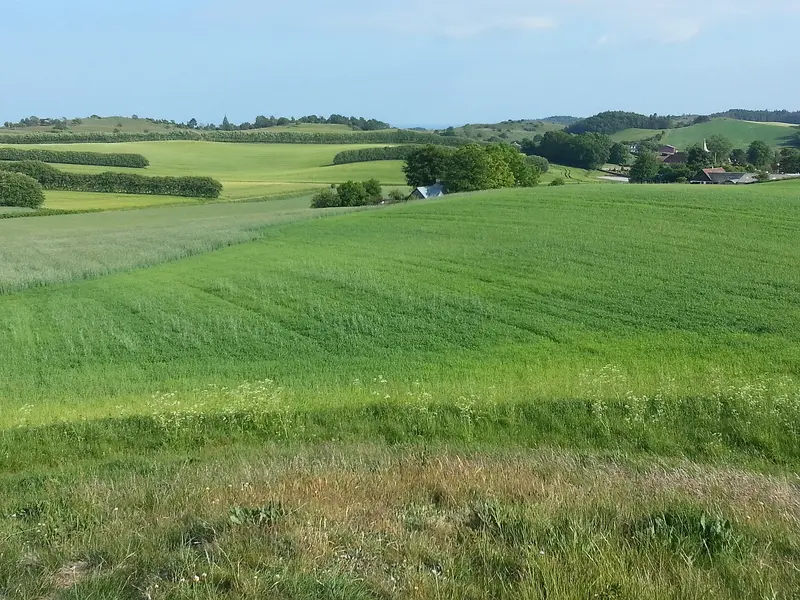
The Mols Bjerge National Park on Denmark's Djursland peninsula showcases a unique, ice-age sculpted hilly landscape. Here you'll find extensive heathlands, deep valleys, and a coastline offering spectacular views over Aarhus Bay and the Kattegat. Particularly recommended are hikes to the prominent hills **Trehøje** and **Agri Bavnehøj**, the park's highest point, from where you can enjoy sweeping panoramas. The landscape is a testament to the last Ice Age and also home to prehistoric burial mounds; not far away lies the impressive Kalø Slotsruin, accessible via a historic causeway. Explore the diverse flora and fauna on well-marked trails, ideal for hiking and cycling. For the best experience, plan your visit ideally in spring or autumn to experience the tranquility of nature without the summer heat and crowds.
Places in Mols Bjerge National Park
Discover the most important sights and attractions

Sights in Mols Bjerge National Park
Kleiner Strand
Der Kleine Strand im Mols Bjerge Nationalpark bietet dir eine ruhige Bucht, geformt durch die Moränenlandschaft der letzten Eiszeit. Dieses unprätentiöse Küstenstück spiegelt die natürliche Schönheit der Region wider und dient seit Generationen Einheimischen zur Erholung. Du findest hier feinen Sand und klares, flaches Wasser, ideal für ein entspanntes Bad oder die Beobachtung der Küstenfauna. Unser Tipp: Besuche den Strand am frühen Morgen, um die besondere Lichtstimmung und Ruhe zu genießen. Für eine weite Perspektive auf die Bucht empfehlen wir einen kurzen Aufstieg zu den nahegelegenen Wanderwegen, von wo aus sich exzellente Fotomotive bieten.
Im Herzen des Mols Bjerge Nationalparks findest du das beeindruckende Naturphänomen Det magiske klatretræ. Dieser alte, knorrige Baum ist kein Bauwerk, sondern ein lebendes Denkmal der einzigartigen Naturlandschaft, die durch die letzte Eiszeit geformt wurde. Seine weit ausladenden Äste laden dazu ein, die Umgebung aus einer erhöhten Perspektive zu betrachten und die Ruhe des Parks zu genießen. Er ist ein beliebter Treffpunkt für Familien und Naturfreunde, die die unberührte dänische Landschaft erkunden. Unser Tipp: Besuche den Baum am besten an einem Wochentagvormittag, um die Menschenmassen zu vermeiden und die friedliche Atmosphäre voll auszukosten. Für das perfekte Erinnerungsfoto eignet sich der späte Nachmittag, wenn die tiefstehende Sonne die Äste in warmes Licht taucht.
Die Trehøje Mols, was ‚Drei Hügel‘ bedeutet, sind markante bronzezeitliche Grabhügel im Herzen des Mols Bjerge Nationalparks. Diese historischen Landmarken zeugen von einer frühen Besiedlung der Region und bieten dir heute eine beeindruckende Kulisse für weite Ausblicke. Von den höchsten Erhebungen überblickst du die charakteristische Hügellandschaft, die Aarhus Bucht und die Kalø Vig. Dich erwartet eine offene Heidelandschaft, die sich besonders im Spätsommer farbenprächtig zeigt. Unser Tipp: Besuche die Trehøje am frühen Morgen, um die besondere Stille und das sanfte Licht für deine Fotos einzufangen und den Menschenmassen zu entgehen. Die Wege sind gut markiert, festes Schuhwerk ist jedoch empfehlenswert.
Die Stabelhøje im Mols Bjerge Nationalpark sind zwei markante Grabhügel aus der Bronzezeit, die eindrucksvoll von der prähistorischen Besiedlung dieser Region zeugen. Von ihren Gipfeln aus bietet sich dir ein beeindruckender Panoramablick über die hügelige Landschaft des Nationalparks, die Ebeltoft Vig und bis zur Aarhus Bucht. Diese archäologischen Denkmäler sind nicht nur landschaftsprägend, sondern auch kulturhistorisch bedeutsam, da sie Aufschluss über die Bestattungsriten der Bronzezeit geben. Der Aufstieg ist moderat und belohnt dich mit einer weiten Sicht, die besonders bei klarem Wetter zur Geltung kommt. Unser Tipp: Besuche die Stabelhøje am frühen Morgen oder späten Nachmittag, um die Ruhe zu genießen und das weiche Licht für Fotos der Landschaft zu nutzen. Vermeide die Mittagszeit an Wochenenden, um Menschenansammlungen zu entgehen und die friedliche Atmosphäre voll auszukosten.
Der Strand Bogens im Herzen des Mols Bjerge Nationalparks bietet dir eine ruhige Küstenlandschaft, geprägt durch die eiszeitlichen Gletscher, die Dänemarks Ostküste formten. Hier findest du eine Mischung aus sandigen Abschnitten und kleinen Steinen, umgeben von der charakteristischen Moränenlandschaft des Parks. Die geschützte Bucht sorgt für ruhiges Wasser, ideal für ein entspanntes Naturerlebnis fernab vom Trubel. Du kannst von hier aus direkt Wanderungen in die hügelige Umgebung starten und die vielfältige Flora und Fauna erkunden. Unser Tipp: Besuche den Strand am besten unter der Woche oder in den frühen Morgenstunden, um die besondere Stille und das sanfte Licht zu genießen. Denk daran, Verpflegung und Getränke mitzubringen, da es vor Ort keine Infrastruktur gibt, was den naturnahen Charakter unterstreicht.
Mols Bjerge National Park is not only an impressive natural area but also a place of deep-rooted culture and history. Its unique landscape, shaped by the last Ice Age, attracted human settlers already in prehistoric times. Numerous archaeological finds, including imposing dolmens and passage graves from the Stone Age, such as those found at Stabelhøje, bear witness to early settlement and ritual practices.For centuries, agriculture and fishing shaped life in this region. The architecture of the villages is typically Danish, with characteristic farmhouses, often built in traditional half-timbered style, blending harmoniously into the landscape. Historic churches, such as the 12th-century Agri Kirke, crown the hilltops and are testaments to medieval architecture and religious traditions.Local culture is closely intertwined with nature and the landscape, which has been shaped and nurtured by residents over generations. This symbiotic relationship has led to a deep appreciation of the cultural heritage, visible in the preservation of historical traces and traditional ways of life. To this day, the landscape serves as a source of inspiration for artists and writers and is protected as an integral part of Denmark's cultural landscape.
Getting Around Here
Getting around the Mols Bjerge National Park naturally differs from getting around a big city. While subways and trams play no role here, regional bus lines offer connections to surrounding towns like Ebeltoft and Aarhus, which facilitates access to the park. Within the park, the bicycle is the ideal mode of transport for exploring the diverse landscapes on the numerous trails; rental stations are available in nearby locations. E-scooters are less suitable due to the terrain. The extensive network of trails also makes the park extremely pedestrian-friendly, perfect for extended hikes – sturdy footwear is essential.For longer distances or transport from the train station, taxis can be used, though ride-sharing services are less common here. It's best to plan your routes with a hiking or cycling app and note the designated parking spaces for cars at the park entrances to optimize your nature experience.
These places are nearby — perfect for additional days or a day trip.
Ebeltoft
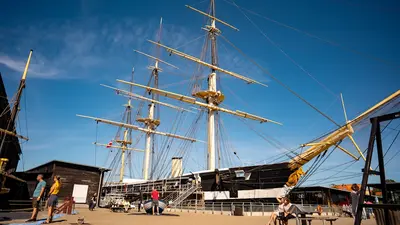
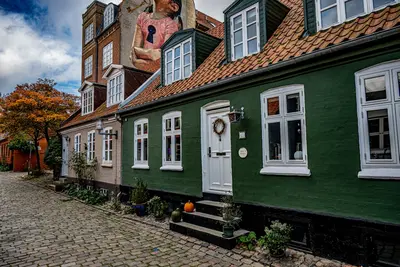
This picturesque port town on the Djursland peninsula enchants with its cobblestone alleys, well-preserved half-timbered houses, and the impressive historic sailing ship Fregatte Jylland.
Aarhus Ø (The Harbor District)
The futuristic harbor district represents modern Aarhus with its bold architecture, the impressive cultural center Dokk1, and a lively waterfront promenade that invites you to take a stroll.
Latinerkvarteret (The Latin Quarter)
The oldest quarter of Aarhus enchants with its cobblestone streets, colorful half-timbered houses, small boutiques, and cozy cafés, which invite you to stroll and linger.
Aarhus
Aarhus, Denmark's second-largest city, presents itself as a dynamic cultural hub, blending historical charm with modern architecture. Here you'll find the renowned ARoS Aarhus Kunstmuseum with its iconic "Your rainbow panorama" and the open-air museum Den Gamle By, bringing Danish urban history to life. Stroll through Latinerkvarteret, the city's oldest quarter, surrounded by cobblestone streets, unique boutiques, and cozy cafes. The ultra-modern cultural center Dokk1 by the harbor and the architecturally stunning Moesgaard Museum offer further cultural insights into prehistoric times. The city thrives on its university atmosphere, reflected in a vibrant culinary scene. Ideally, plan your visit in spring or autumn to enjoy the sights without the biggest tourist crowds. A stroll along the river Å through the Åboulevarden district reveals many nice restaurants and bars for the evening.
Østjylland (East Jutland)
East Jutland in Denmark captivates with a fascinating mix of urban flair, rich history, and picturesque nature. From the vibrant cultural metropolis of Aarhus to the rolling hills and idyllic coastal landscapes of the Djursland peninsula, the region offers unforgettable experiences for every taste and is considered the cultural heart of Jutland.