Fernweh
    ExploreTravel GuidesMy Trips
    de|en
    About FernwehImprintFAQPrivacy Policy
    ExploreTravel GuidesMy Trips
    Burgos

    Burgos

    CityCulture
    1. Home
    2. Destinations
    3. Spain
    4. Castilla y León
    5. Burgos
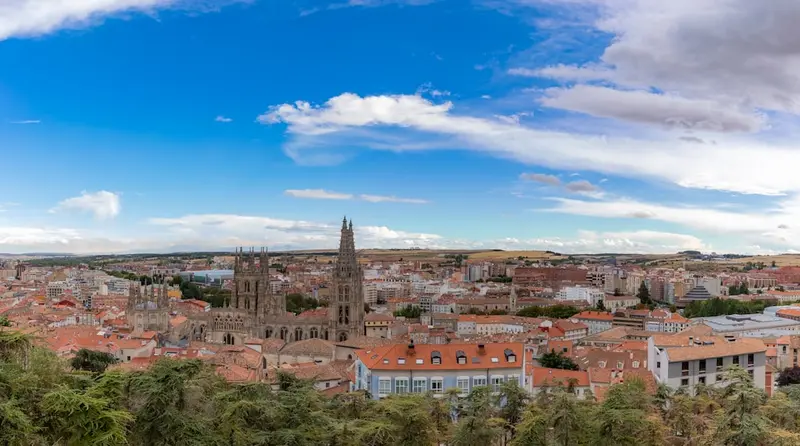
    Burgos, the former capital of the Kingdom of Castile, impresses with its rich history and Gothic architecture. Its undisputed centrepiece is the UNESCO World Heritage Cathedral of Santa María, a masterpiece of Spanish Gothic whose intricate facades and opulent interior you should explore in detail. Wander through the old town's narrow streets, discover the historic quarter around Plaza Mayor, and visit the impressive monasteries of Las Huelgas Reales and Miraflores, witnesses to royal history. The city lies on the Camino de Santiago, reflecting its medieval pilgrim spirit, especially along the Arlanzón River and the Puente de Santa María. Be sure to try the local speciality Morcilla de Burgos and plan your visit in spring or autumn to experience the city at pleasant temperatures with fewer crowds. A stroll to the Castillo de Burgos also offers excellent panoramic views over the city.
    • Neighborhoods & highlights
    • Walking tours
    • Eat & drink
    • Culture
    • Getting around
    • Accommodation
    • Plan trip
    • Nearby
    • Neighborhoods & highlights
    • Walking tours
    • Eat & drink
    • Culture
    • Getting around
    • Accommodation
    • Plan trip
    • Nearby

    Overview

    In Burgos, the former capital of Castile, you'll discover a rich historical heritage, with its centerpiece being the imposing Gothic Cathedral of Santa María. This UNESCO World Heritage site, a masterpiece of Gothic architecture, fascinates with its delicate spires and the magnificent Capilla del Condestable. As an important hub on the Way of St. James, the pilgrimage tradition continues to shape the city's character today. Stroll along the picturesque Paseo del Espolón and discover the historic Arco de Santa María. From the *Castillo de Burgos*, you can enjoy a panoramic view over the city. Be sure to try the local specialty, *Morcilla de Burgos*. For a relaxed visit, travel in spring or autumn, when there are fewer tourists.

    Places in Burgos

    Discover the most important sights and attractions

    Sights in Burgos

    Fuente de la Puebla

    The Fuente de la Puebla, located in Burgos on the plaza of the same name, is a historical testament to the city's urban water supply. This traditional stone fountain served for centuries as a vital drinking water source for residents and travelers alike. You'll find it not far from the Camino de Santiago, where it often offers pilgrims a welcome rest and refreshment. Architecturally, it captivates with its simple, functional elegance, typical of public fountains from this era. Its significance lies less in lavish design and more in its historical role in the city's daily life. Our tip: Visit the Fuente early in the morning to enjoy the tranquil atmosphere of the plaza and take authentic photos without crowds. It's an ideal spot to experience the local history and the relaxed pace of Burgos.
    Open in Google Maps

    Kathedrale von Burgos

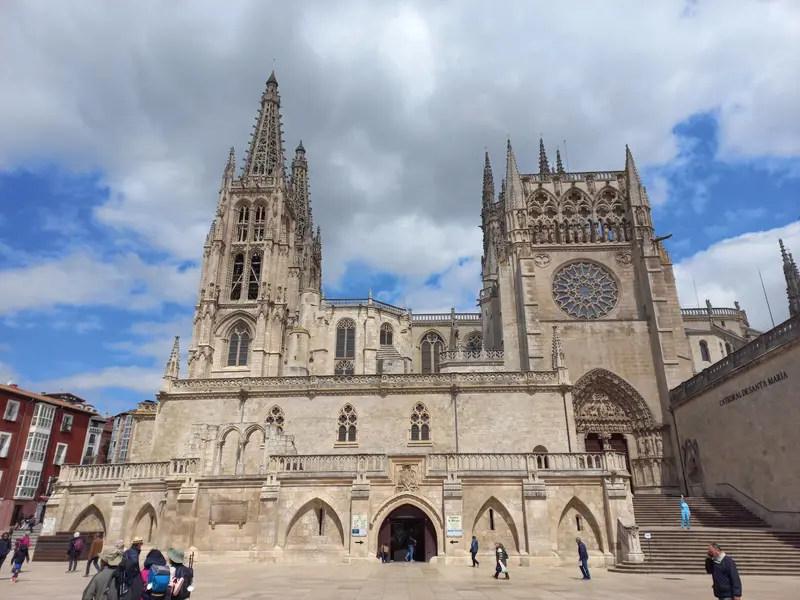
    Burgos Cathedral, a UNESCO World Heritage site, is an outstanding example of Spanish Gothic architecture, whose construction began in 1221. Here you'll discover an impressive blend of French Gothic and Renaissance elements, visible in its delicate facades and majestic transept tower. Inside, you'll find magnificent chapels, such as the octagonal Capilla del Condestable, and the tomb of the national hero El Cid. Look out for the richly detailed choir stalls and the famous Escalera Dorada. Our tip: The best time to visit the cathedral is right after it opens in the morning to enjoy the tranquility and special light and avoid the biggest tourist crowds.
    Open in Google Maps

    Cartuja de Santa María de Miraflores

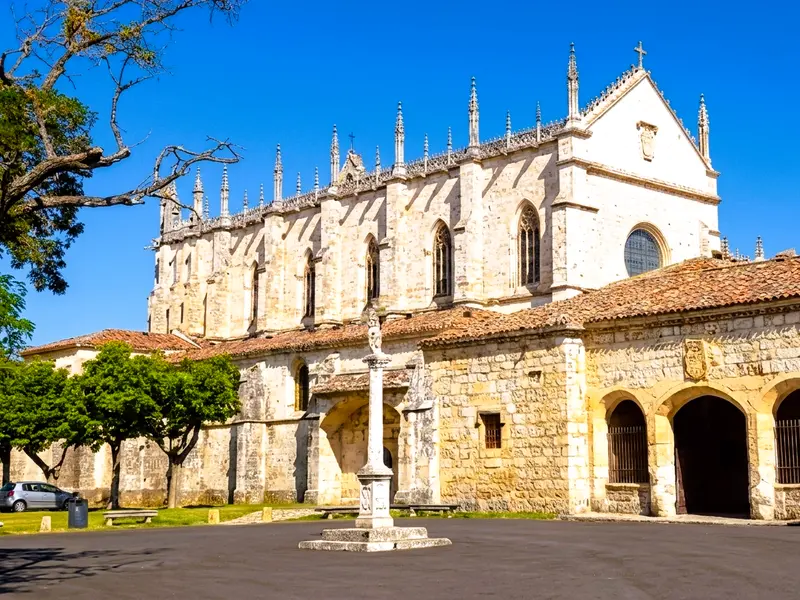
    The Cartuja de Santa María de Miraflores, located just outside Burgos, is an impressive Carthusian monastery and a masterpiece of Spanish Late Gothic. Originally founded by King John II of Castile in 1441, it was rebuilt after a fire under the patronage of Queen Isabella I and transformed into a royal burial site. Here you will find the magnificent tombs of John II, his wife Isabella of Portugal, and their son, Infante Alfonso. These monumental marble works, created by Gil de Siloé, are among the most significant sculptures of the 15th century in Spain. Also particularly noteworthy is the richly detailed main altar, also a work by Siloé, which fascinates with its delicate wood carvings. The peaceful atmosphere of the monastery invites contemplation and offers a deep insight into the religious art and history of Castile. Our tip: It's best to visit the Charterhouse in the morning or late afternoon to avoid the largest groups of visitors and quietly admire the details of the artworks. For photographers, the large windows and the elaborate details of the tombs and the altar offer attractive motifs, although the light is often diffused.
    Open in Google Maps

    Arco de Santa María

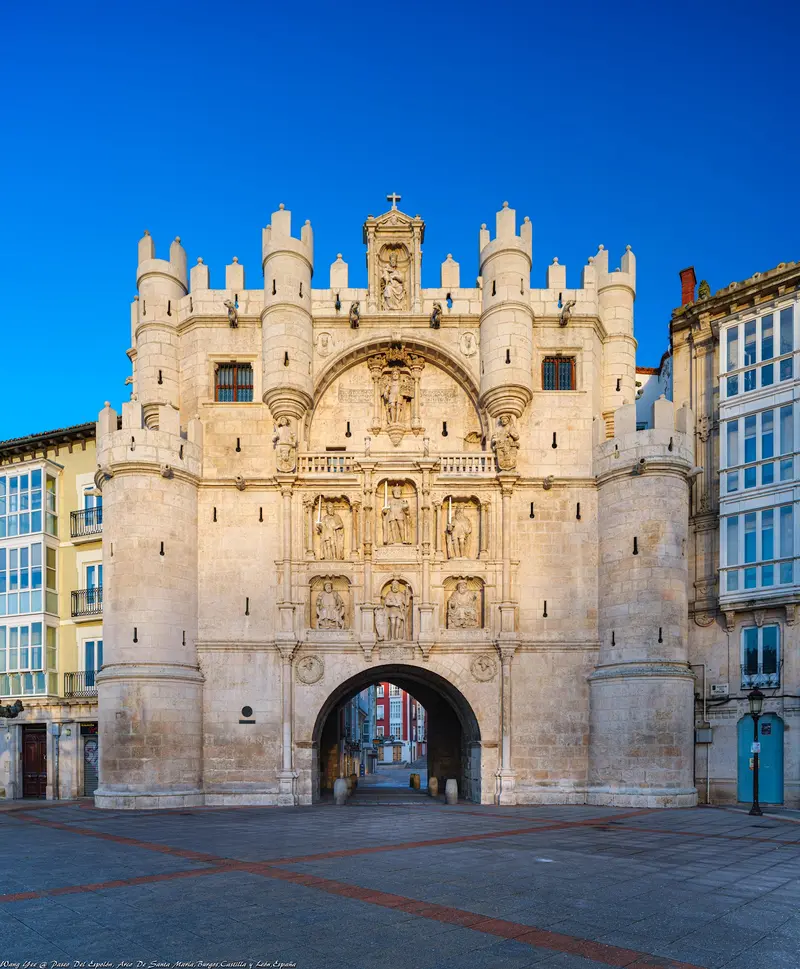
    The Arco de Santa María in Burgos is more than a city gate; it's a magnificent monument to city history. Originally one of twelve medieval gates, it was remodeled between 1536 and 1553 as a triumphal arch to honor Emperor Charles V's visit. Its impressive facade is richly adorned with statues. These figures depict significant city personalities: Burgos's founders, local heroes like El Cid, Emperor Charles V, and the city's patron saints.This arch serves as a majestic entrance to Burgos's Old Town, linking Plaza del Rey San Fernando directly with Puente de Santa María across the Arlanzón River. It symbolizes the city's former power and wealth. Inside, a small exhibition hall often allows you to learn more about its history.Our Tip: Visit the Arco de Santa María early morning or late afternoon to avoid crowds and admire its architectural details in peace. For a comprehensive photo, position yourself on the Puente de Santa María.
    Open in Google Maps

    Las Huelgas

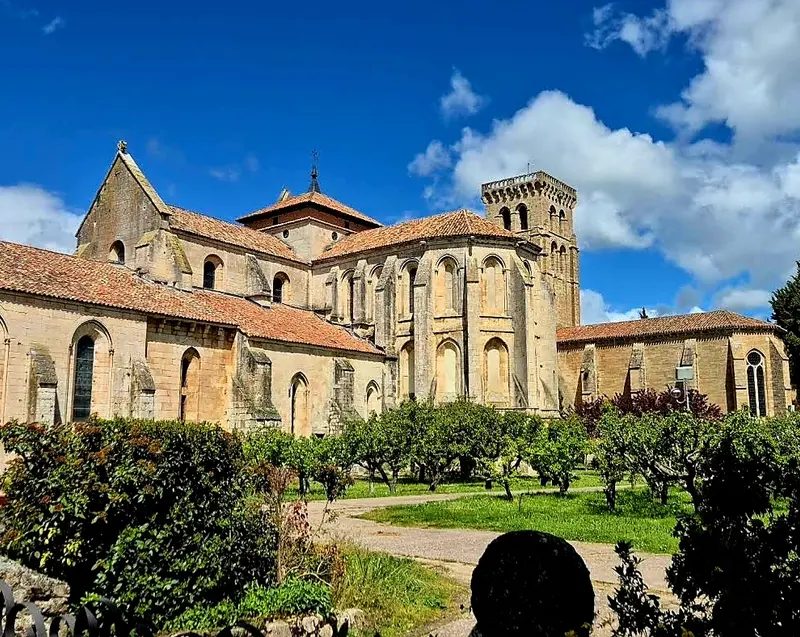
    The Real Monasterio de Las Huelgas in Burgos is an outstanding testament to medieval monastic architecture and a royal pantheon. It was founded in 1187 by King Alfonso VIII of Castile and his wife Eleanor of England as a Cistercian nunnery. It served not only as a burial place for kings and nobles of Castile but was also, for centuries, one of Europe's most powerful women's monasteries. Here, you'll discover a fascinating blend of Romanesque and Gothic architectural elements, complemented by unique Mudéjar artworks, especially in the cloister and chapel. Pay attention to the magnificent royal tombs and the valuable medieval textiles exhibited in the museum. Our Tip: To fully appreciate the tranquil atmosphere and avoid the crowds, an early morning visit shortly after opening is recommended. Take your time in the cloister, whose delicate details and harmonious design are particularly impressive.
    Open in Google Maps

    City walks in Burgos

    Curated walking tours through the city's highlights — handpicked by experienced travel journalists.

    Burgos' Glanzlichter: Ein Stadtrundgang durch Geschichte und Schönheit

    Ein malerischer Spaziergang durch Burgos, der Sie zu den beeindruckendsten Sehenswürdigkeiten führt. Entdecken Sie die Pracht der Kathedrale, genießen Sie die Aussicht vom Burgberg und schlendern Sie entlang des Arlanzón-Flusses. Eine perfekte Mischung aus Geschichte, Kultur und entspanntem Flanieren.

    ~2 Std.
    In Google Maps öffnen
    Stopps (7)

    Essen & Trinken

    Culture, Art & History in Burgos

    Burgos is deeply rooted in Castilian history and played a central role in shaping Spain. As the former capital of the Kingdom of Castile, the city was a significant political and economic hub from the 10th to the 15th century. Its strategic location on the Camino de Santiago significantly contributed to its prosperity and cultural exchange.The Cathedral of Burgos, a UNESCO World Heritage site, is an outstanding example of Gothic architecture and dominates the city's skyline. Begun in the 13th century and expanded over centuries, it integrates elements of Flamboyant Gothic and the Renaissance. The Monastery of Las Huelgas Reales also bears witness to the royal past and houses a significant pantheon. The city continues to cultivate its historical ties, among other things, through the remembrance of El Cid, whose tomb is located in the Cathedral, and through vibrant religious traditions.

    Getting Around Here

    The historic city of Burgos can be explored in various ways, thanks to its compact size and excellent infrastructure. While there is no subway or tram, the municipal bus network of the SMC (Servicio Municipal de Autobuses Urbanos) is efficient and covers all key areas. It's advisable to purchase a BonoBus multi-trip ticket for cheaper fares, available in many tobacco shops.The city center is extremely pedestrian-friendly, with many traffic-calmed zones that invite strolling and make it easy to reach most attractions. For longer distances, bicycles and e-scooters are a good option; there are several rental services, and the city area is increasingly bicycle-friendly.Taxis are a convenient alternative, especially for trips outside the city center or late at night; however, ride-sharing services like Uber or Cabify are not widely available in Burgos. Generally, many of the most beautiful spots are best discovered on foot, allowing you to immerse yourself deeply in the city's medieval flair.

    Accommodations in Burgos

    Accommodations in Burgos

    Find perfect stay in Burgos

    Booking.com
    Search Hotels
    Agoda
    Search Hotels
    Airbnb
    Vacation Rentals
    Hotels.com
    Hotels Worldwide
    Hostelworld
    Hostels

    Campgrounds in Burgos

    Find perfect campground in Burgos

    Search via Google Maps
    Campgrounds nearby (15km)
    Camping.info
    Find Campgrounds
    Park4Night
    RV Parks & Camping

    Plan your trip to Burgos

    Save places, build a route and plan your city trip — all in one place.

    Save places

    Bookmark sights, restaurants and neighborhoods you're interested in.

    Build your route

    Turn your bookmarks into a route — define order, days and budget.

    Refine with AI

    Let Mein Fernweh suggest experiences and put together a tailored daily plan.

    Start trip planningOpen bookmarks

    Locations nearby

    These places are nearby — perfect for additional days or a day trip.

    Ezcaray

    Ezcaray

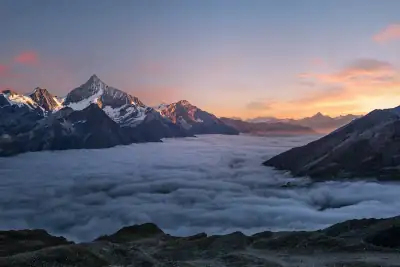
    Eingebettet in die Berglandschaft der Sierra de la Demanda, ist Ezcaray ein charmantes Dorf, das für seine rustikale Schönheit, Handwerkskunst und die Nähe zu Wintersportgebieten geschätzt wird.
    Santo Domingo de la Calzada

    Santo Domingo de la Calzada

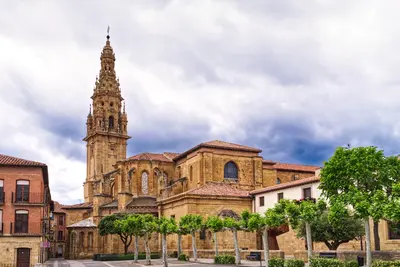
    Diese historische Stadt ist eine ikonische Station am Jakobsweg und fasziniert mit ihrer beeindruckenden Kathedrale und gut erhaltenen mittelalterlichen Architektur.
    Monasterios de San Millán de la Cogolla (Suso und Yuso)

    Monasterios de San Millán de la Cogolla (Suso und Yuso)

    Diese UNESCO-Welterbestätte, die Wiege der spanischen Sprache, beherbergt zwei beeindruckende Klöster, die tiefe Einblicke in die Geschichte und Kultur der Region bieten.
    Haro

    Haro

    Haro, the wine capital of Rioja Alta, is deeply connected to Spanish wine culture, offering an authentic experience. Here you'll find the historic Barrio de la Estación, a unique cluster of old wineries that have been producing wine since the 19th century. In the city center, the Plaza de la Paz, with its Town Hall and the Basilica de Nuestra Señora de la Vega, shapes the scene. The Church of Santo Tomás impresses with its late Gothic portal and Renaissance tower. A yearly highlight is the Batalla del Vino on June 29th, a traditional wine festival. If you plan your visit in spring or autumn, you'll experience the region with pleasant temperatures and fewer crowds. For a comprehensive wine tasting, you should book tours in advance at the wineries of Barrio de la Estación.
    Rioja Alavesa

    Rioja Alavesa

    Dieser Teil des Baskenlandes ist eine renommierte Weinregion, die mit ihren sanften Hügeln voller Weinberge, traditionellen Bodegas und architektonisch beeindruckenden Weingütern lockt.