Fernweh
    ExploreTravel GuidesMy Trips
    de|en
    About FernwehImprintFAQPrivacy Policy
    ExploreTravel GuidesMy Trips
    Castilla y León

    Castilla y León

    Region
    1. Home
    2. Destinations
    3. Spain
    4. Castilla y León
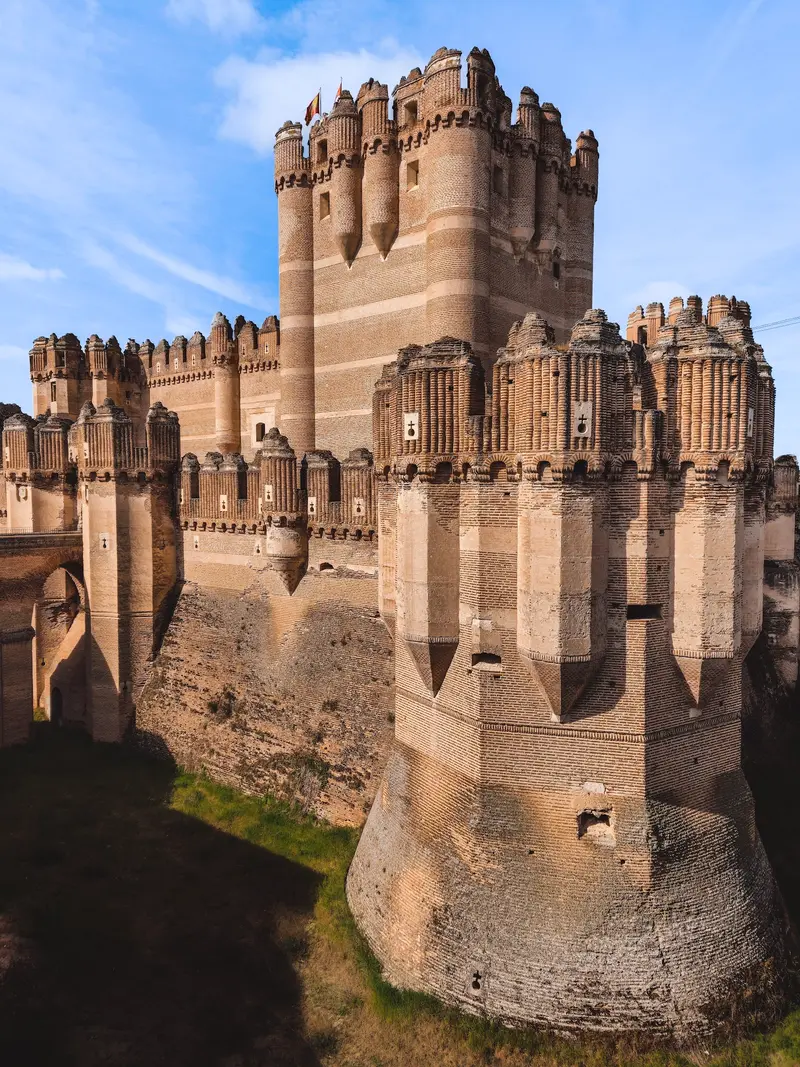
    Willkommen in Castilla y León, dem Herzland Spaniens, das mit einer außergewöhnlichen Dichte an UNESCO-Welterbestätten, von antiken römischen Aquädukten bis zu majestätischen Kathedralen und Burgen, begeistert.Entdecken Sie das reiche Erbe der kastilischen Könige und eine faszinierende Mischung aus romanischer und gotischer Kunst, eingebettet in weite Landschaften und historische Städte.
    • Places in the region
    • Eat & drink
    • Nearby
    • Places in the region
    • Eat & drink
    • Nearby

    Places in Castilla y León

    Burgos

    Burgos

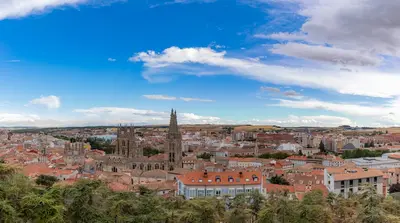
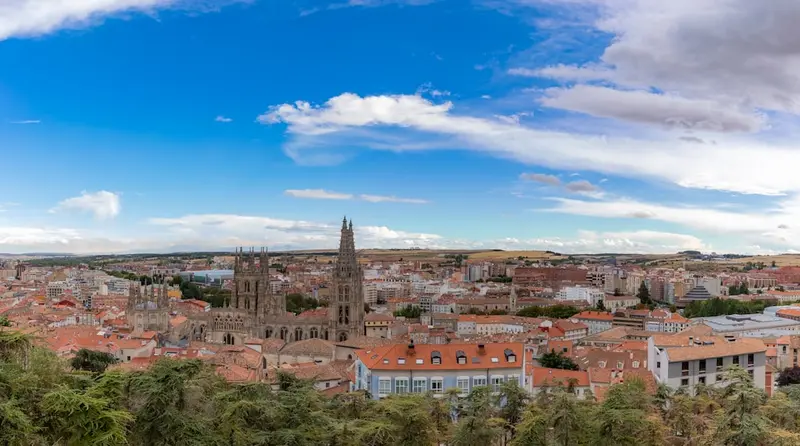
    Burgos, the former capital of the Kingdom of Castile, impresses with its rich history and Gothic architecture. Its undisputed centrepiece is the UNESCO World Heritage Cathedral of Santa María, a masterpiece of Spanish Gothic whose intricate facades and opulent interior you should explore in detail. Wander through the old town's narrow streets, discover the historic quarter around Plaza Mayor, and visit the impressive monasteries of Las Huelgas Reales and Miraflores, witnesses to royal history. The city lies on the Camino de Santiago, reflecting its medieval pilgrim spirit, especially along the Arlanzón River and the Puente de Santa María. Be sure to try the local speciality Morcilla de Burgos and plan your visit in spring or autumn to experience the city at pleasant temperatures with fewer crowds. A stroll to the Castillo de Burgos also offers excellent panoramic views over the city.
    Salamanca

    Salamanca

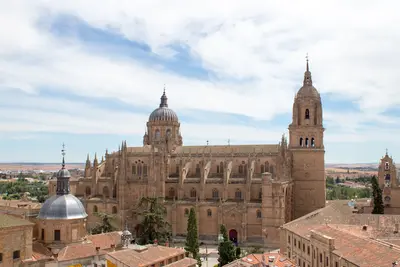
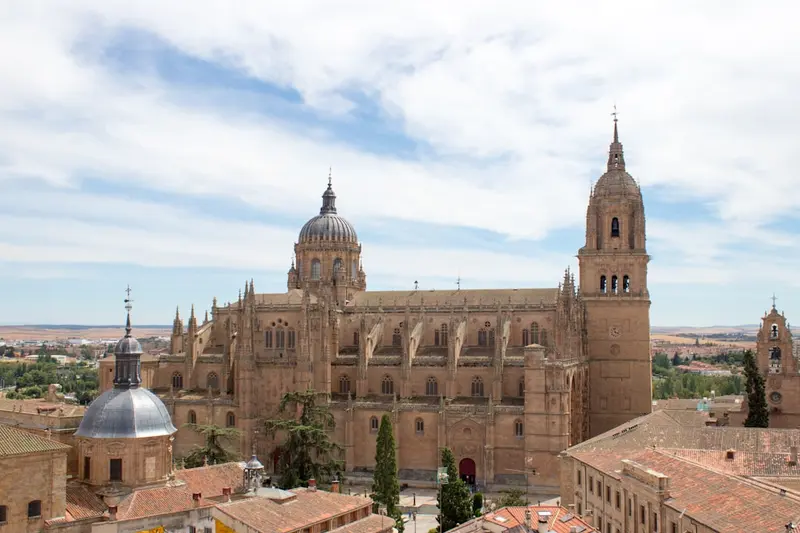
    Eine faszinierende Universitätsstadt, deren goldgelbe Sandsteinbauten rund um die spektakuläre Plaza Mayor eine einzigartige Atmosphäre schaffen und zum UNESCO-Welterbe gehören.
    Segovia

    Segovia

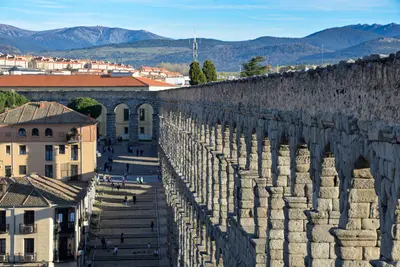
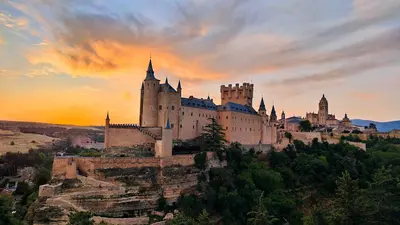
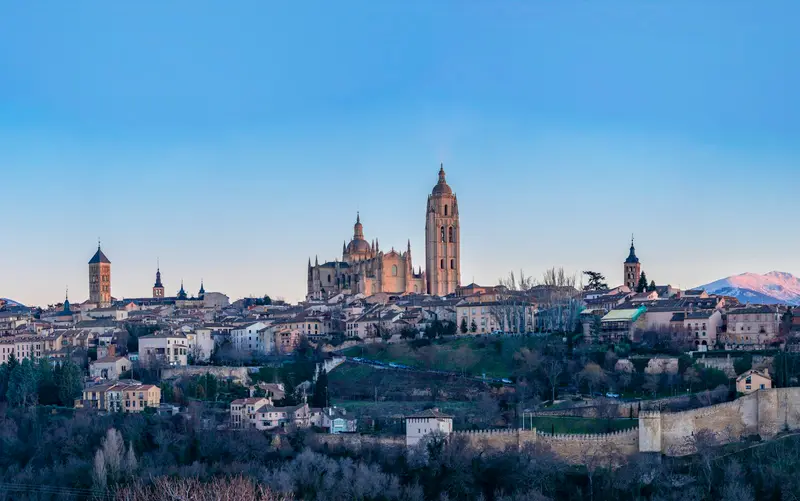
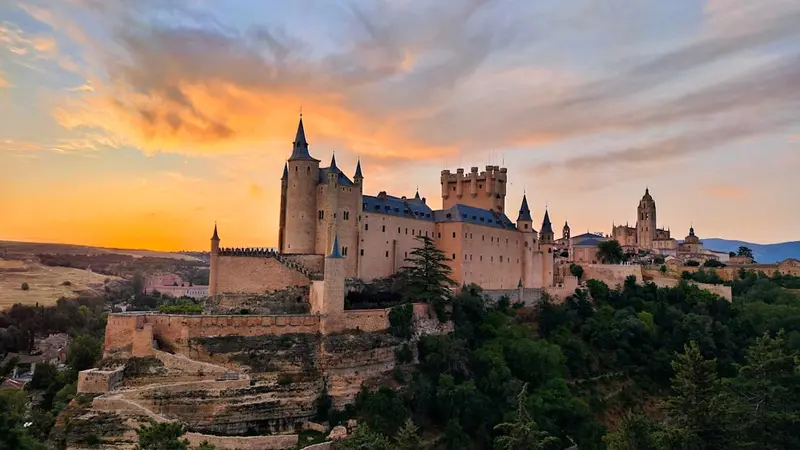
    Berühmt für ihr beeindruckendes römisches Aquädukt, den märchenhaften Alcázar und die gotische Kathedrale, zählt Segovia zu den schönsten historischen Städten Spaniens und ist UNESCO-Welterbe.

    Sights in Castilla y León

    Discover the most important sights and attractions

    Penitential Confraternity of Our Father Jesus the Nazarene

    The Brotherhood of Our Father Jesus of Nazareth in Castilla y León is key to Spain's deep-rooted religious tradition, especially during Holy Week / Semana Santa. These brotherhoods, known as Cofradías, have for centuries upheld customs and venerating patron saints; their historic site here houses religious art and processional figures, the so-called Pasos. These intricate sculptures are carried through streets in solemn processions, often highly artistic. Outside Holy Week, visitors can quietly view the chapel and exhibits to grasp its craftsmanship and spiritual meaning. Our Tip: To experience the atmosphere without Holy Week crowds, check hours outside this period. For true Pasos photos, visit the chapel when they aren't prepared for processions.
    Open in Google Maps

    Museo Nacional de Escultura

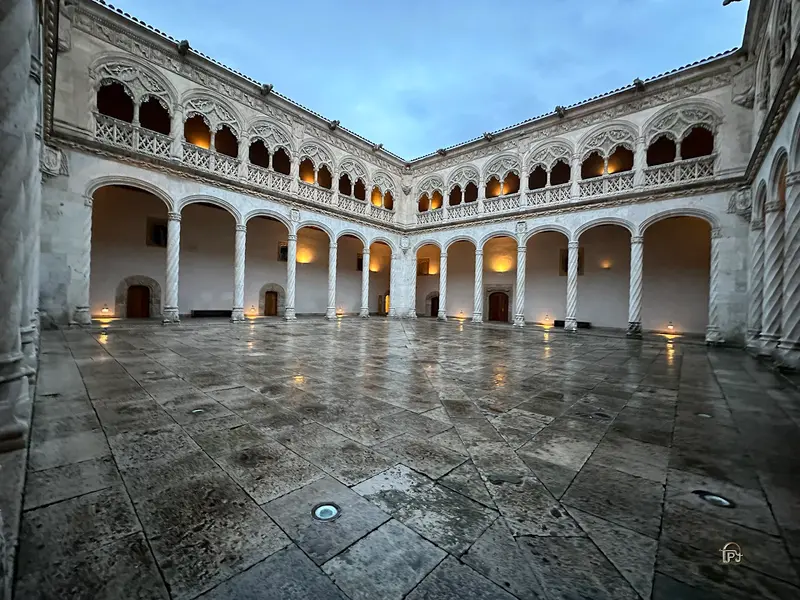
    The Museo Nacional de Escultura in Valladolid, Castilla y León, houses one of the most significant collections of Spanish sculpture, especially from the 15th to the 18th century. You'll find it in the impressive Colegio de San Gregorio, a masterpiece of late Gothic architecture with a fascinating façade. The exhibits focus on polychrome wooden sculpture, which played a central role in Spanish art during this era. Here you can admire works by artists such as Alonso Berruguete, Juan de Juni, and Gregorio Fernández, whose figures display remarkable expressiveness and attention to detail. The collection offers deep insight into the religious art and spiritual world of the Spanish Golden Age. Besides the sculptures themselves, the building, with its magnificent courtyard and chapel, is an integral part of the museum visit. Our tip: It's best to plan your visit on a weekday morning to avoid the largest crowds and fully enjoy the tranquility of the spaces. Take ample time to appreciate the fine details of the carvings. For a special photo, the Colegio's courtyard provides an impressive backdrop.
    Open in Google Maps

    Parroquia Santa María de la Antigua

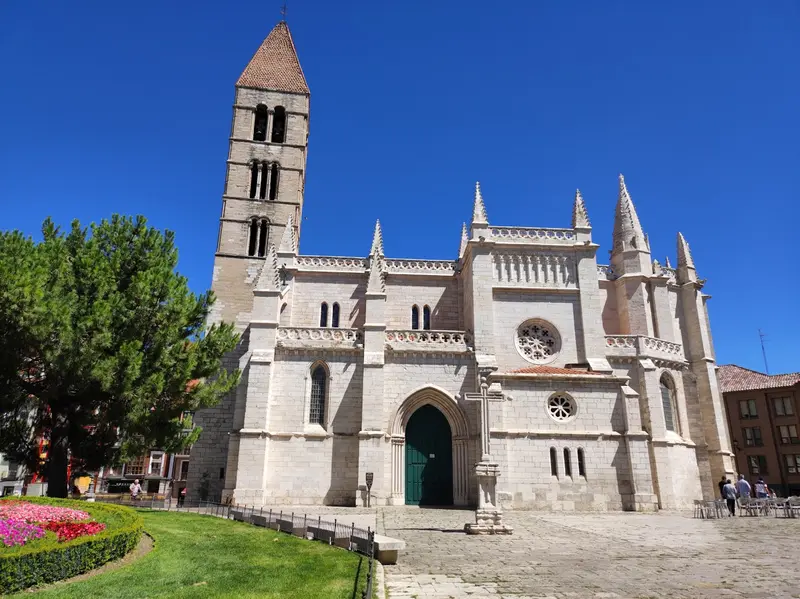
    The Parish Church of Santa María de la Antigua in Valladolid, Castilla y León, is an outstanding example of Spanish sacred architecture. Its most striking feature is the 12th-century Romanesque tower, distinguished by its four stories with arcade windows and considered one of the most significant Romanesque structures in the region. This tower contrasts with the church's main nave, which was rebuilt in the Gothic style after a 14th-century fire, offering an impressive blend of different eras. Inside, you'll discover a simple yet dignified atmosphere that invites contemplation and makes the site's long history palpable. Pay special attention to the details of the capitals in the tower area, which display typical Romanesque motifs. Our Tip: Visit the church in the morning when the light falls particularly favorably through the windows, highlighting the architectural details. To avoid crowds and photograph the tower in its full splendor, it's best to position yourself from the square opposite.
    Open in Google Maps

    Church of San Miguel and San Julián, Valladolid

    The Church of San Miguel y San Julián in Valladolid is a significant example of Renaissance architecture in Castile and León. Originally a Romanesque church, it underwent extensive remodelling in the 16th century and now presents itself in an elegant style that reflects the region's artistic heyday. You will find here a single-nave layout with side chapels, whose simple façade contrasts with the rich interior.The absolute highlight is the main altarpiece by Juan de Juni, one of the most important sculptors of the Spanish Renaissance. His detailed sculptures, especially the depiction of the Archangel Michael, bear witness to extraordinary mastery and emotional depth. Take your time to admire the fine details and the dramatic composition of this masterpiece. In addition to Juni's altarpiece, the church houses other remarkable artworks, including paintings and sculptures from various epochs.For an optimal visitor experience, we recommend visiting the church in the morning. That's when the light is best to capture the altar's details, and visitor numbers are usually lower. Pay attention to the harmonious integration of architecture and sculpture, which makes this site an important testament to Spanish art history.
    Open in Google Maps

    Iglesia De San Benito

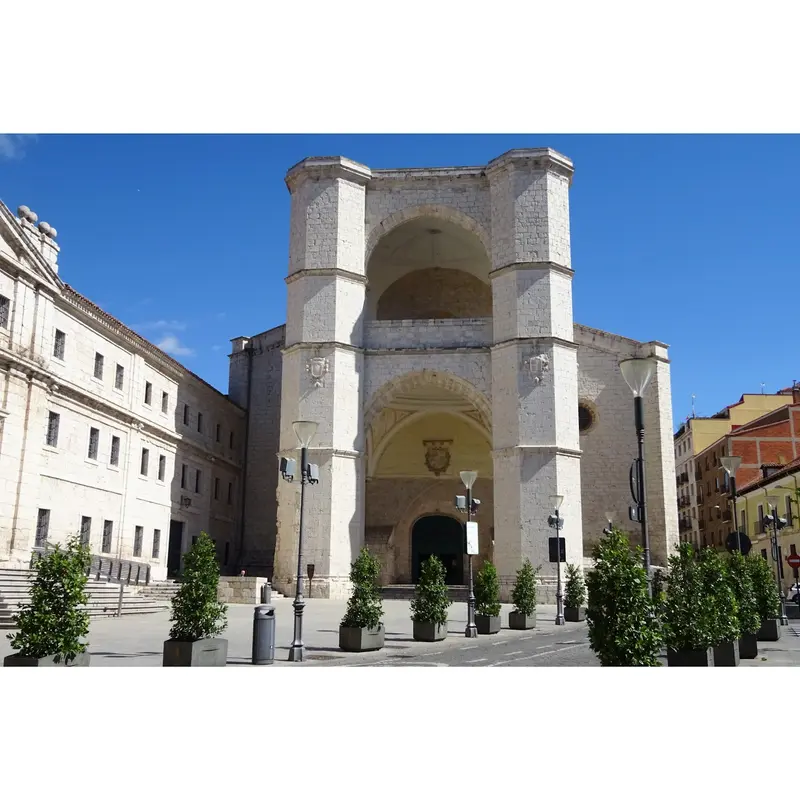
    The Iglesia de San Benito in Valladolid, Castilla y León, is a significant example of Late Gothic architecture with strong Renaissance influences. Originally part of a Benedictine monastery founded in the 14th century, it played a vital role in the city's religious and cultural life. Particularly noteworthy is its simple yet imposing facade, which contrasts with the richly decorated interior. Inside, you'll find a three-nave layout and several chapels housing valuable artworks. Pay attention to the Capilla Mayor and its altarpieces, even though Alonso Berruguete's famous original is now housed in the Museo Nacional de Escultura. The architecture reflects the transition from Gothic to Plateresque style, evident in the details of the vaults and columns. Our Tip: Visit the church in the morning to capture the best light for interior photos, especially when the sun streams through the windows. To truly appreciate the tranquility and architectural details, it's recommended to visit outside of main service hours.
    Open in Google Maps

    Essen & Trinken

    Locations nearby

    These places are nearby — perfect for additional days or a day trip.

    Segovia

    Segovia

    Berühmt für ihr beeindruckendes römisches Aquädukt, den märchenhaften Alcázar und die gotische Kathedrale, zählt Segovia zu den schönsten historischen Städten Spaniens und ist UNESCO-Welterbe.
    Salamanca

    Salamanca

    Eine faszinierende Universitätsstadt, deren goldgelbe Sandsteinbauten rund um die spektakuläre Plaza Mayor eine einzigartige Atmosphäre schaffen und zum UNESCO-Welterbe gehören.
    Ávila

    Ávila

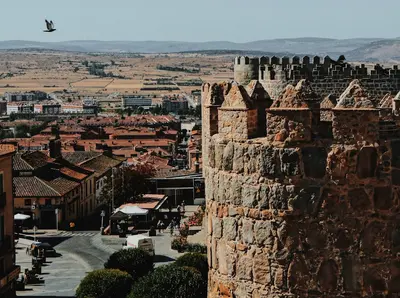
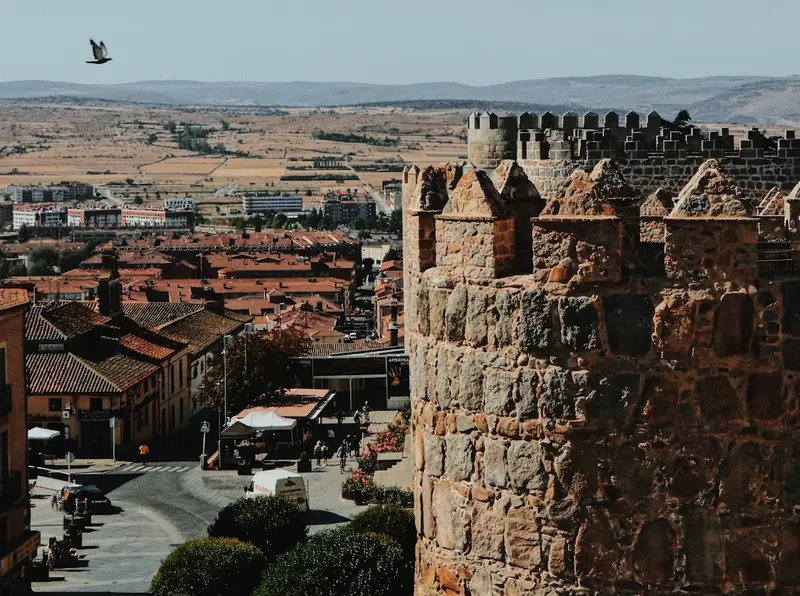
    Discover Ávila, the "City of Saints and Stones," a fortified jewel in the heart of Castile and a UNESCO World Heritage site. Surrounded by Europe's **best-preserved medieval city walls**, here you'll immerse yourself in a fascinating history that will enchant you with its impressive structures, the deep spirituality of Saint Teresa of Ávila, and the hearty Castilian cuisine.
    Burgos

    Burgos

    Burgos, the former capital of the Kingdom of Castile, impresses with its rich history and Gothic architecture. Its undisputed centrepiece is the UNESCO World Heritage Cathedral of Santa María, a masterpiece of Spanish Gothic whose intricate facades and opulent interior you should explore in detail. Wander through the old town's narrow streets, discover the historic quarter around Plaza Mayor, and visit the impressive monasteries of Las Huelgas Reales and Miraflores, witnesses to royal history. The city lies on the Camino de Santiago, reflecting its medieval pilgrim spirit, especially along the Arlanzón River and the Puente de Santa María. Be sure to try the local speciality Morcilla de Burgos and plan your visit in spring or autumn to experience the city at pleasant temperatures with fewer crowds. A stroll to the Castillo de Burgos also offers excellent panoramic views over the city.
    San Lorenzo de El Escorial

    San Lorenzo de El Escorial

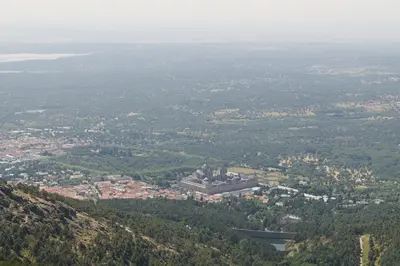
    Eine beeindruckende Klosteranlage und königlicher Palast, ein UNESCO-Welterbe und Symbol der spanischen Macht im 16. Jahrhundert.