Extremadura, in western Spain, bordering Portugal, lies off the beaten path of mass tourism. Here you'll discover vast Dehesa landscapes, a history spanning from the Romans to the Conquistadors, and a cuisine featuring everything from Ibérico ham to smoked paprika from La Vera. The region is sparsely populated, ideal for travelers seeking to experience history and nature in tranquility.
Die Extremadura im Westen Spaniens bietet eine authentische Reise durch unberührte Landschaften und reiche Geschichte, abseits etablierter Touristenpfade. Du entdeckst hier die einzigartige Dehesa-Kulturlandschaft, Heimat des weltberühmten Ibérico-Schinkens. Mérida beeindruckt mit hervorragend erhaltenen römischen Monumenten wie dem Amphitheater und dem römischen Theater, beide UNESCO-Weltkulturerbe. Die ebenfalls UNESCO-geschützte Altstadt von Cáceres bezaubert mit mittelalterlichen Gassen und Renaissance-Palästen, während Trujillo als Wiege vieler Konquistadoren historische Bedeutung besitzt. Der Nationalpark Monfragüe bietet ideale Bedingungen für die Vogelbeobachtung, besonders von Greifvögeln. Für Naturerkundungen eignen sich Frühling und Herbst am besten. Kulinarisch sind der Jamón Ibérico de Bellota und lokale Käsesorten unverzichtbar.
Place 1 of 4
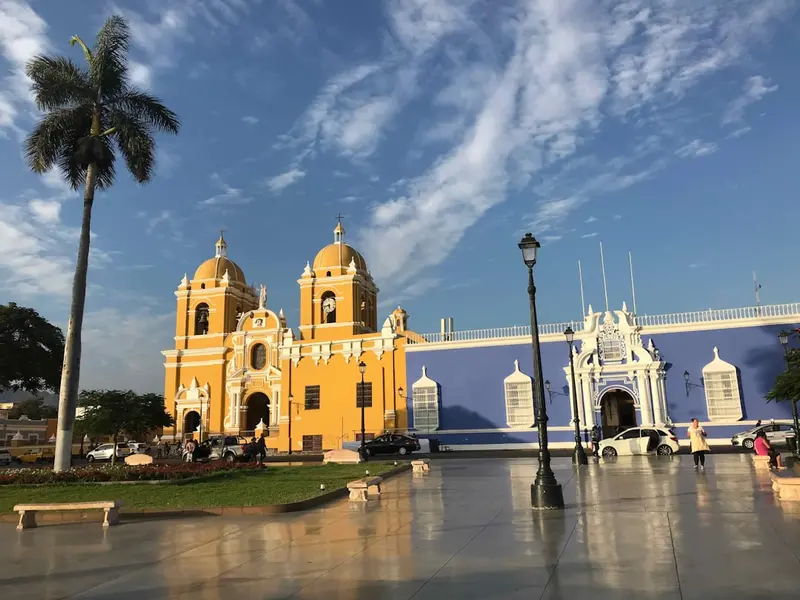
Trujillo
Trujillo, nestled in the vast landscape of Extremadura, takes you back to the age of the Spanish Conquistadors.
Plasencia, in the north of Extremadura, combines a lively present with a lot of history. The city is surrounded by medieval walls, the old town features two interconnected cathedrals, and the Plaza Mayor is the meeting point for locals.
Mérida, the former capital of the Roman province of Lusitania, takes you on an unparalleled journey through time. Its impressive archaeological sites, protected by UNESCO as a World Heritage site, make it an **open-air museum of Roman antiquity**.
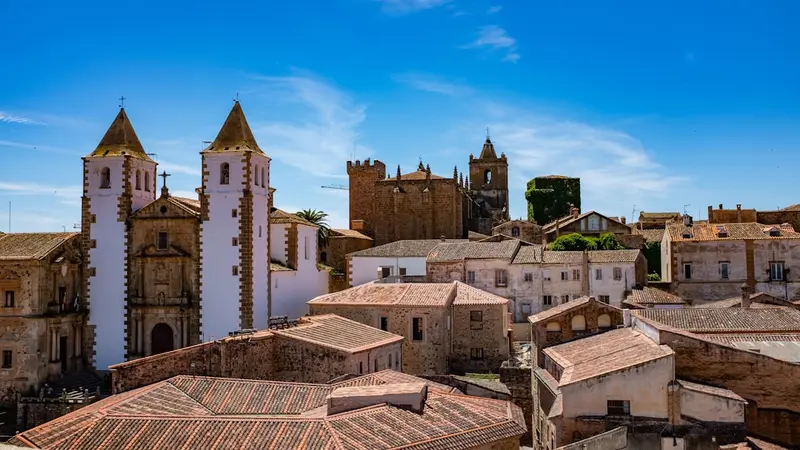
Cáceres boasts one of Spain's best-preserved old towns, designated a UNESCO World Heritage site. Stroll through cobblestone streets, past noble palaces, defensive towers, and Romanesque, Gothic, and Renaissance churches.
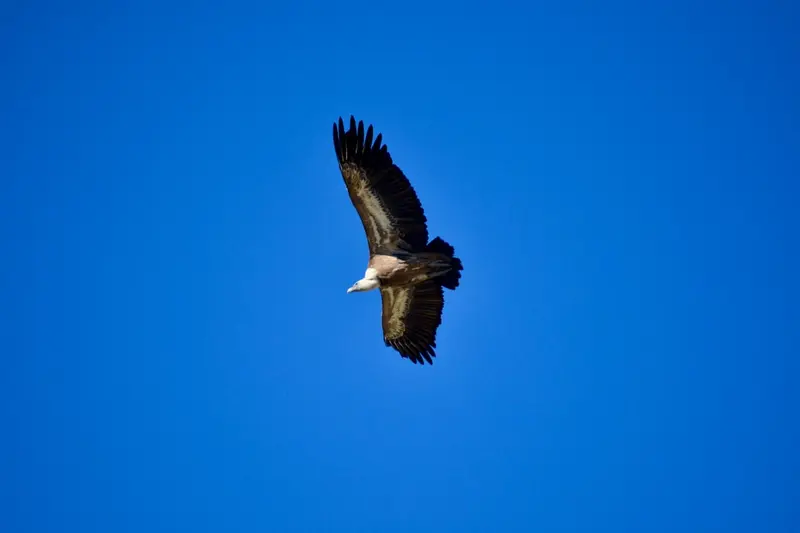
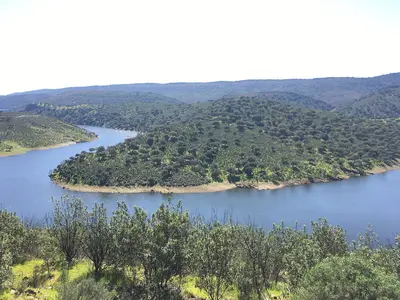
Monfragüe in Extremadura has been a National Park since 2007 and a UNESCO Biosphere Reserve since 2003. It is home to one of Europe's largest colonies of Cinereous Vultures, along with Griffon Vultures, Spanish Imperial Eagles, and Black Storks. The landscape comprises Dehesa, Mediterranean scrubland, steep rock faces, and the dammed Tajo and Tiétar rivers.
Sights in Extremadura
Discover the most important sights and attractions
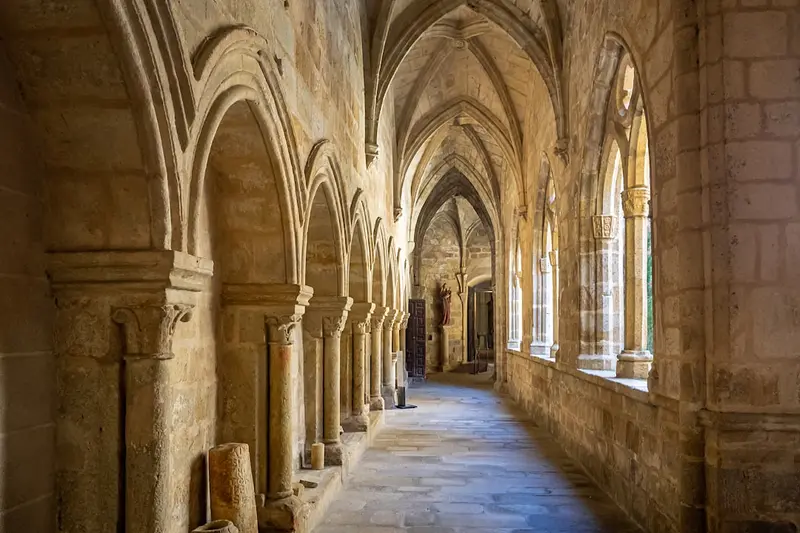
Real Monasterio de Santa María de Guadalupe
The Royal Monastery of Santa María de Guadalupe in the town of Guadalupe has been a UNESCO World Heritage site since 1993 and is an important pilgrimage site. Gothic, Mudéjar, Renaissance, and Baroque styles blend in the building. Christopher Columbus visited the monastery in 1493 after his first voyage to America; the Virgin of Guadalupe revered here is the patron saint of Extremadura. Take your time for the cloisters, the sacristy, and the treasury.
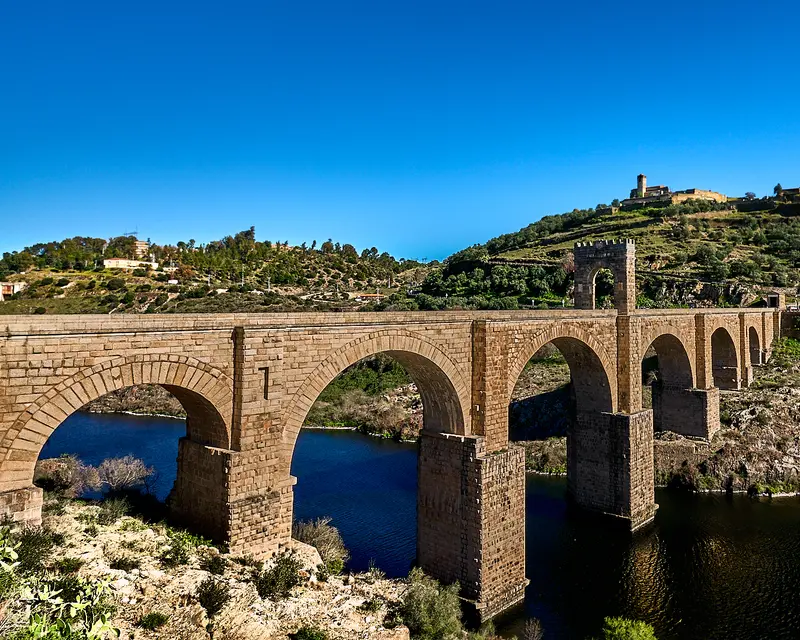
The bridge over the Tagus was built between 104 and 106 AD, commissioned by Emperor Trajan, with Caius Julius Lacer credited as its architect. Six arches support the approximately 182-meter-long roadway up to 45 meters above the river; the largest arch spans nearly 29 meters. It is one of the most impressive surviving bridges from the Roman era.
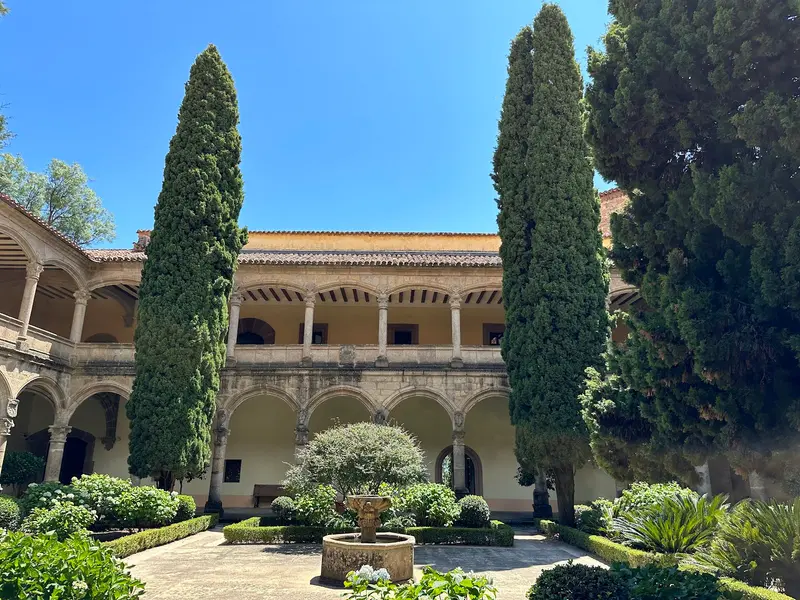
Emperor Charles V chose the monastery near Cuacos de Yuste, founded in 1402 by Hieronymite monks, as his retirement residence after his abdication; he died here on September 21, 1558. Today, Pauline monks live in the monastery. Since 2007, it has borne the European Heritage Label.
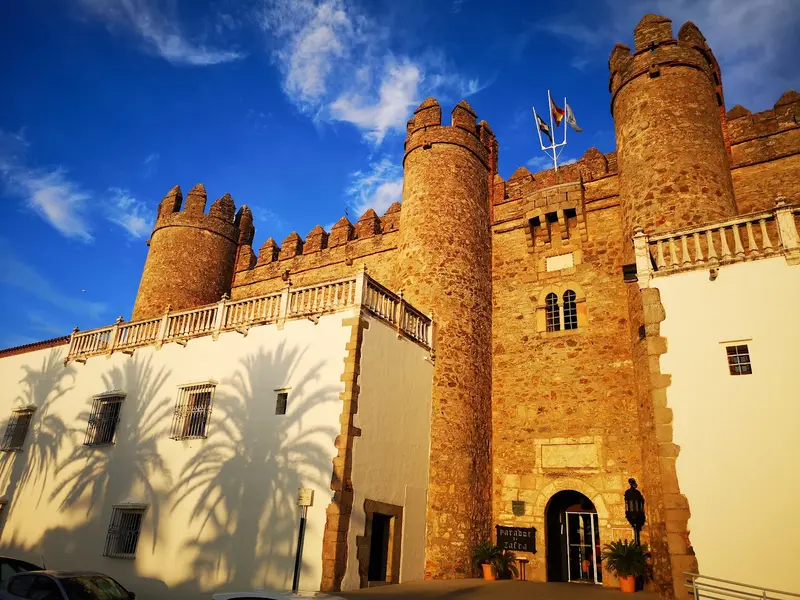
Lorenzo Suárez de Figueroa commissioned the Palace of the Dukes of Feria from 1437 in Zafra, Badajoz province. Externally, the building, with battlements and a keep, appears a fortress; internally, a palace, boasting a Renaissance cloister by Juan de Herrera's designs and the Golden Hall. Today, it houses a Parador hotel.
In the heart of Mérida, 'A de Arco' welcomes you with traditional Extremaduran cuisine, promising the highest quality and authentic flavor. Here you can enjoy classics like Ibérico pork or local cheeses, prepared with fresh regional ingredients. The pleasant atmosphere and attentive service make your visit a culinary experience you won't forget.
Just steps from Cáceres' historic Old Town, you'll discover 'El Figón de Eustaquio', an institution renowned for its excellent traditional Extremaduran cuisine. Here, hearty dishes like Migas, Torta del Casar, or exquisite lamb await you, all enjoyed in a rustic-elegant ambiance. Let authentic hospitality indulge you and dive into the region's culinary soul.
If you're in Trujillo, don't miss the experience at 'La Troya'. This rustic restaurant, right on the Plaza Mayor, is famous for its huge portions of traditional, homemade cuisine at incredibly fair prices. Order the 'Tabla Extremeña' or a grilled meat dish and let yourself be captivated by the warm, lively atmosphere and the honest cuisine that offers you a true taste of Extremadura.
For an unforgettable fine dining experience, we recommend 'Atrio' in Cáceres, a three-Michelin-starred restaurant fusing modern cuisine with the soul of Extremadura. Chef Toño Pérez innovatively reinterprets local products, creating fascinating dishes. It is a true gastronomic pilgrimage to indulge in, if you are ready to invest in exquisite flavors and an elegant atmosphere.
Diese Monate bieten ideale Bedingungen mit angenehm milden bis warmen Temperaturen, moderatem Niederschlag und viel Sonnenschein, perfekt für Kultur- und Naturerkundungen. Der extremen Sommerhitze wird vermieden, und die Landschaft ist oft besonders reizvoll (Blütezeit im Frühjahr, angenehme Farben im Herbst).
Die Extremadura, im Südwesten Spaniens gelegen, ist geprägt von einem kontinental-mediterranen Klima. Dies bedeutet:Sommer (Juni bis August): Extrem heiß und sehr trocken. Die Tageshöchsttemperaturen erreichen häufig über 35°C und können bis über 40°C steigen. Niederschläge sind in diesen Monaten äußerst selten. Aktivitäten im Freien sind während der Mittagszeit kaum möglich.Winter (Dezember bis Februar): Mild und feuchter. Die Tageshöchsttemperaturen liegen meist über 10°C, nachts kann es jedoch Frost geben. Regen ist in diesen Monaten am häufigsten.Frühling (März bis Mai) und Herbst (September bis November): Dies sind die angenehmsten Jahreszeiten. Die Temperaturen sind mild bis warm, ideal für Sightseeing, Wandern und Vogelbeobachtung. Im Frühjahr verwandelt sich die Landschaft der Dehesa in ein Blütenmeer, während der Herbst mit seinen Farben und angenehmem Licht besticht.Regionale Unterschiede innerhalb der Extremadura sind aufgrund der weitgehend flachen bis leicht hügeligen Topographie gering. Die Luftfeuchtigkeit ist in den Sommermonaten niedrig und trägt zur Empfindung der trockenen Hitze bei.
Seasons
Jan
Feb
Mar
Apr
May
Jun
Jul
Aug
Sep
Oct
Nov
Dec
Trockenzeit
Übergangssaison (Angenehm)
Regenzeit (Höchste Niederschläge)
Nebensaison (Mild & Feuchter)
Best Time to Visit
▶Show detailed monthly data
Month
Temp (°C)
Rain (mm)
Sun (h)
January
8.5
70
5.5
February
10.0
55
6.5
March
12.5
45
7.5
April
15.0
60
8.5
May
19.5
35
9.5
June
24.5
10
11.0
July
28.5
5
12.0
August
28.0
5
11.5
September
23.5
30
9.0
October
18.0
75
7.0
November
12.5
80
6.0
December
9.5
85
5.0
Culture, Art & History of Extremadura
Extremadura, in western Spain, is a region with a rich cultural, artistic, and historical heritage that has left deep traces in its landscape and cities. Its location made it a melting pot of civilizations for millennia.The Roman presence shaped the region from the 1st century BC, as evidenced by the Archaeological Ensemble of Mérida, a UNESCO World Heritage site. Following the Roman era, the Visigoths arrived, and from the 8th century onwards, Moorish rule added its own elements to the region's architecture and cultural practices. Many cities still preserve traces of this period today, for example, in their Alcazabas.The reconquest by the Christian kingdoms in the 12th and 13th centuries led to a flourishing of Gothic and later Renaissance architecture, in which knightly orders also played an important role. In the 16th century, Extremadura played a central role in the history of the "New World," as conquistadors like Francisco Pizarro hailed from Trujillo, which is still visible today in its palaces and squares. Regional traditions are evident in numerous festivals, including the processions of Semana Santa. The region's art history encompasses Romanesque, Gothic, and Baroque churches, as well as rural architecture and folk art.