Fernweh: Home
    ExploreTravel GuidesPlan a tripMy tripLast visited
    de|en
    All Places & RegionsAll highlightsAbout FernwehFAQPrivacy PolicyImprint
    ExploreTravel GuidesPlan a tripMy tripLast visited
    • Overview
    • Places in the region
    • Best travel time
    • Round trips
    • Nearby
    Cap Bon & Hammamet
    Sergey Prokopenko / Wikimedia Commons / CC BY 3.0

    Tunisia

    Cap Bon & Hammamet

    Region

    The Cap Bon peninsula juts into the Mediterranean in northeast Tunisia, and on its southern edge, about 60 kilometers south of Tunis, lies the seaside resort of Hammamet.

    by Felix Gillen

    1. Home
    2. Destinations
    3. Tunisia
    4. Cap Bon & Hammamet
    The Cap Bon peninsula juts into the Mediterranean in northeast Tunisia, and on its southern edge, about 60 kilometers south of Tunis, lies the seaside resort of Hammamet. The region combines long sandy beaches with the Punic ruin city of Kerkouane, the pottery craft of Nabeul, and the falconry tradition of El Haouaria.Hammamet, Nabeul, and Kélibia are suitable as a base; all three are located on the coast.
    Hammamet and Nabeul Hammamet, with its walled medina by the sea and hotel beaches, is the region's tourist hub. Nabeul, the capital of the governorate, lies approximately 12 kilometers north and is known for painted ceramics, harissa, and its Friday morning weekly market. Festival: In summer, the Festival international de Hammamet hosts events at the Dar Sébastien open-air theater; 2026 marked its 60th edition. Orange Blossom: From mid-March to late April, bitter orange blossoms are picked on Cap Bon and distilled into orange blossom water and neroli oil. Kélibia and Kerkouane On the east coast lies Kélibia, with its fortress on a rocky promontory overlooking the sea, a large fishing port, and the dry Muscat de Kélibia, a white wine with its own designation of origin. Approximately 12 kilometers north are the remains of Kerkouane. Kerkouane: The Punic city existed from the 6th to the mid-3rd century BCE and was never rebuilt after its destruction in the First Punic War. World Heritage: UNESCO added Kerkouane with its necropolis to the World Heritage List in 1985; the site was extended in 1986. Visit: Open in winter 9 AM to 4 PM, in summer 9 AM to 6 PM; admission 8 Dinar for foreigners; the museum is closed on Mondays. El Haouaria at the Northern Tip El Haouaria is located approximately 120 kilometers from Tunis, at the northeastern tip of the peninsula. About three kilometers west of the town are the artificial caves of Ghar El Kebir: quarries where stone was extracted by Carthaginians and Romans for nearly a thousand years. Falconry: The falconers of El Haouaria catch and train sparrowhawks and peregrine falcons in March; in June, they showcase their birds at the Festival de l'Epervier (2026 marked its 57th edition). Bird Migration: Every spring, approximately 40,000 birds of prey from 24 species rest at the cape before crossing the Mediterranean. Zembra: The offshore islands of Zembra and Zembretta have been a UNESCO Biosphere Reserve since 1977.
    Hammamet
    Habib M'henni / Wikimedia Commons / CC BY-SA 3.0

    Place 1 of 4

    Hammamet

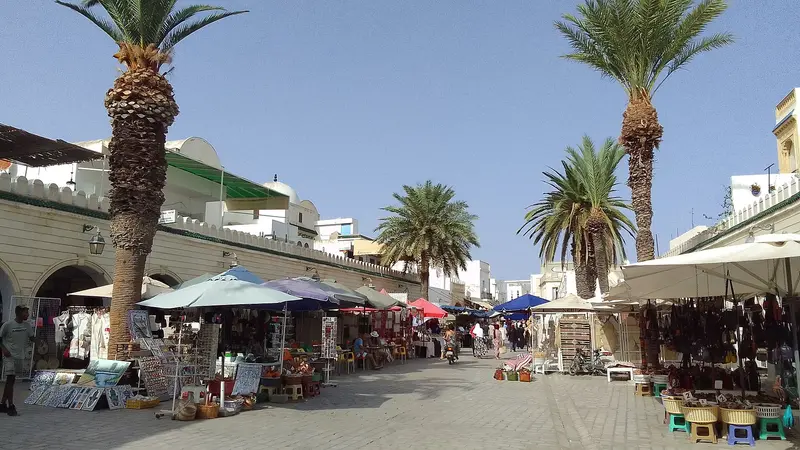
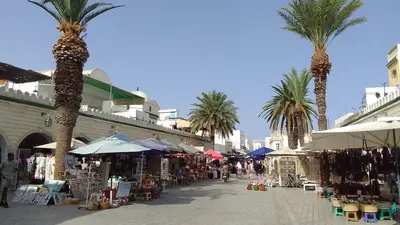
    Hammamet is located approximately 60 kilometers south of Tunis and is the most important seaside resort in the Cap Bon region.

    Discover
    Nabeul
    Mathieu BROSSAIS / Wikimedia Commons / CC BY-SA 4.0

    Place 2 of 4

    Nabeul

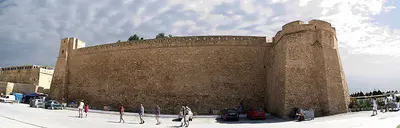
    Nabeul is the capital of the governorate on Cap Bon, approximately 60 kilometers southeast of Tunis and about 12 kilometers northeast of Hammamet. The city is known for painted ceramics, Harissa, and its weekly market on Friday mornings.

    Discover
    Kélibia
    Calips / Wikimedia Commons / CC BY 3.0

    Place 3 of 4

    Kélibia

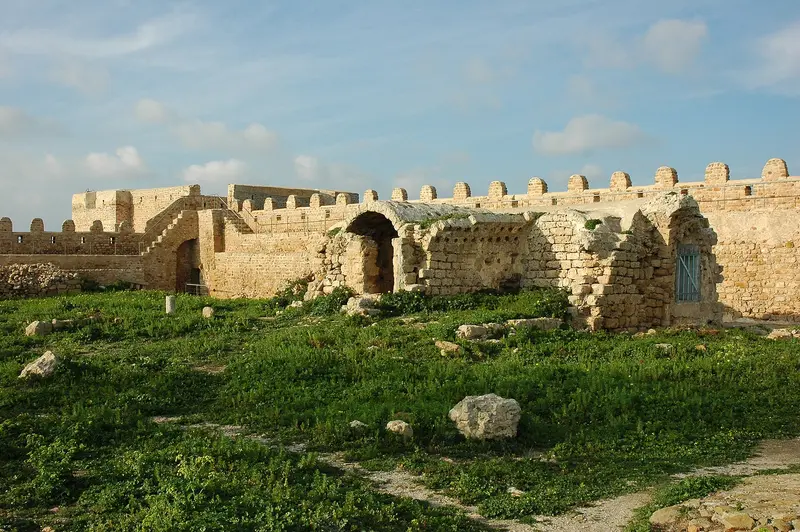
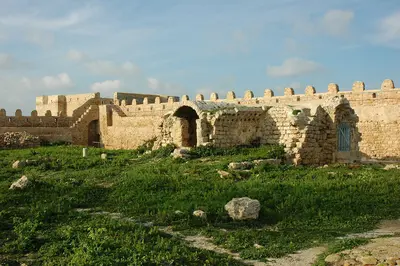
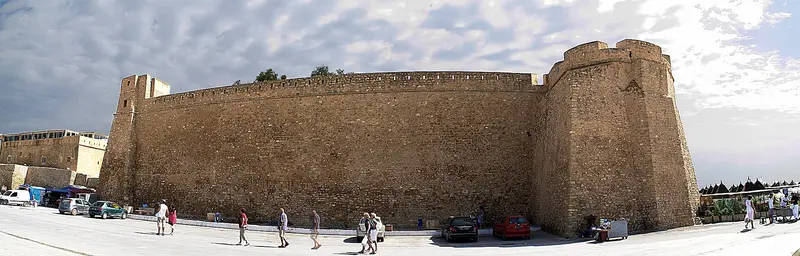
    Kélibia is located on the east coast of Cap Bon, about 100 kilometers from Tunis, beneath a fortress on a promontory overlooking the sea.

    Discover
    El Haouaria
    Smailtn / Wikimedia Commons / CC BY-SA 4.0

    Place 4 of 4

    El Haouaria

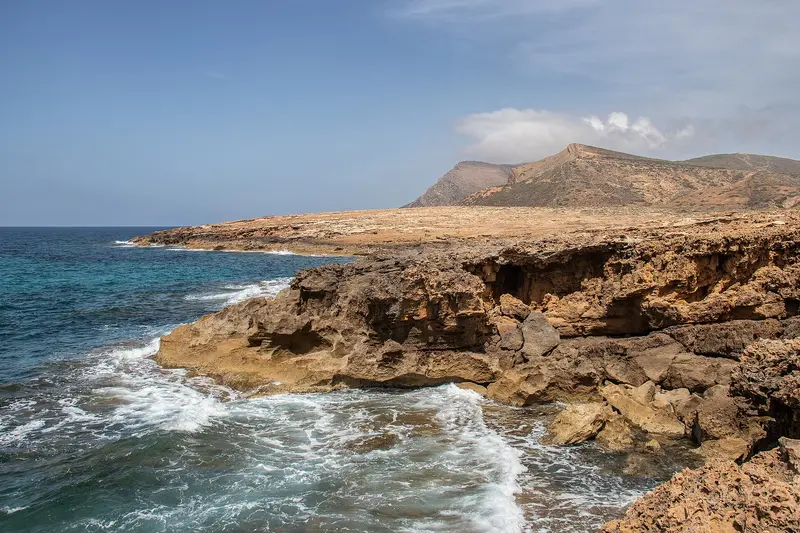
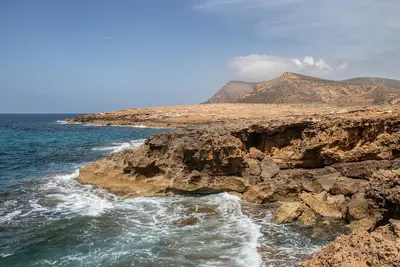
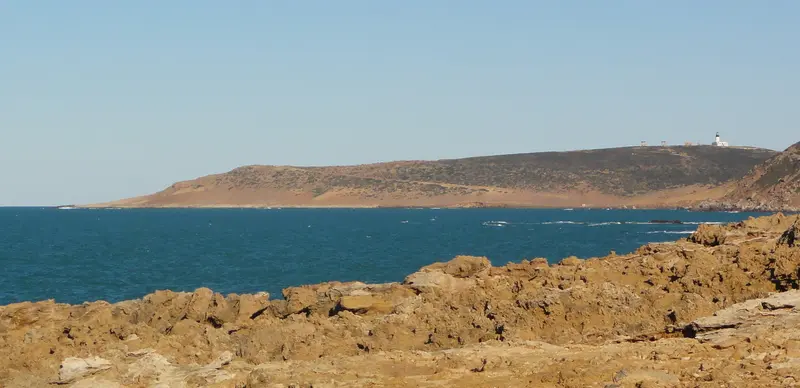
    El Haouaria is located at the northeastern tip of Cap Bon, about 120 kilometers from Tunis. You come for the ancient quarries of Ghar el Kebir by the sea, and for the falconers who celebrate their Sparrowhawk Festival every year in late June.

    Discover

    Best Time to Visit

    When is the best time for your trip?

    May
    June
    September
    20–25°C·6–47 mm(little rain)
    In May and June, the average daily temperature in Nabeul is 20 to 24 °C with very little rain. In September, the weather is still summery with an average of 25 °C; from October, it rains more frequently.July and August bring daily highs of around 32 °C and the most bathers.
    The values originate from the Nabeul weather station (climate normals 1991 to 2020 according to NOAA, sunshine hours and humidity from the Institut National de la Météorologie). Hammamet and Kélibia have a comparable coastal climate; in winter, it rains slightly more on Cap Bon than in the Sahel.

    Seasons

    Jan
    Feb
    Mar
    Apr
    May
    Jun
    Jul
    Aug
    Sep
    Oct
    Nov
    Dec
    Summer and swim season
    Spring and Autumn
    Winter
    Best Time to Visit
    ▶Show detailed monthly data
    MonthTemp (°C)Rain (mm)Sun (h)
    January12.7514.6
    February12.6365.4
    March14.5366.5
    April16.7327.5
    May20.1209.3
    June24.3610.4
    July27.1411.7
    August27.81210.4
    September25.1477.7
    October21.8605.9
    November17.4555.7
    December13.9504.9

    Round trips through this region

    Classic Tour: Tunis, Kairouan and the Sahel

    Classic Tour: Tunis, Kairouan and the Sahel

    Twelve days through the north and the Sahel: from the medina of Tunis via the ruins of Carthage and Dougga to Kairouan, on to the amphitheatre of El Djem and down to the coast at Sousse, Monastir and Hammamet. The medina of Tunis, Carthage, Dougga, Kairouan, El Djem and the medina of Sousse are UNESCO World Heritage Sites.

    12 Days
    9 stops

    Nearby

    Kélibia

    Kélibia

    Kélibia is located on the east coast of Cap Bon, about 100 kilometers from Tunis, beneath a fortress on a promontory overlooking the sea. The town is a starting point for the Punic ruins of Kerkouane, the UNESCO World Heritage site about eleven kilometers north.Kélibia has about 55,000 inhabitants and one of Tunisia's most important fishing ports. North of the center lies the sandy beach of El Mansourah.
    Nabeul

    Nabeul

    Nabeul is the capital of the governorate on Cap Bon, approximately 60 kilometers southeast of Tunis and about 12 kilometers northeast of Hammamet. The city is known for painted ceramics, Harissa, and its weekly market on Friday mornings.With around 84,000 inhabitants, Nabeul is the region's second main tourist hub after Hammamet; most hotels are located along the beachfront promenade. On the outskirts of the city lie the remains of ancient Neapolis, whose mosaics are displayed in the Archaeological Museum.
    El Haouaria

    El Haouaria

    El Haouaria is located at the northeastern tip of Cap Bon, about 120 kilometers from Tunis. You come for the ancient quarries of Ghar el Kebir by the sea, and for the falconers who celebrate their Sparrowhawk Festival every year in late June.In spring, around 40,000 raptors of 24 species rest at the cape before crossing the Mediterranean. Off the coast lie the islands of Zembra and Zembretta.
    Hammamet

    Hammamet

    Hammamet is located approximately 60 kilometers south of Tunis and is the most important seaside resort in the Cap Bon region. Its small, walled medina with the kasbah is right on the beach, and in summer, visitors also come for the festival at Villa Dar Sébastien.The city, with around 91,000 inhabitants, stretches along the coast as a hotel belt: Hammamet Nord, the center around the medina, and Hammamet Sud, with Yasmine Hammamet and its marina about six kilometers southwest of the old town.
    Sidi Bou Saïd

    Sidi Bou Saïd

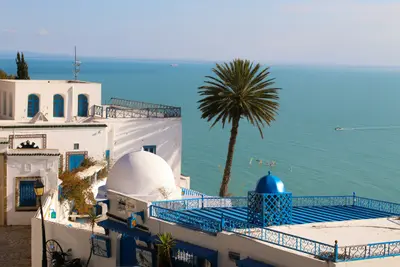
    Sidi Bou Saïd is a village on a cliff above the Gulf of Tunis, about 20 kilometers northeast of the capital and directly above Carthage. Its white houses with blue doors have been protected by a 1915 decree, and in July 2026, UNESCO added the village to its World Heritage List. Its alleys host traditional cafes overlooking the bay, and the palace of Baron d'Erlanger. The TGM suburban train takes about 35 minutes from Tunis Marine.

    Sources & method

    • Photos: Wikimedia Commons. Each photo carries its credit.
    • The content is based on web research from public, traceable sources. How the content is made · The role of AI