Fernweh: Home
    ExploreTravel GuidesPlan a tripMy tripLast visited
    de|en
    All Places & RegionsAll highlightsAbout FernwehFAQPrivacy PolicyImprint
    ExploreTravel GuidesPlan a tripMy tripLast visited
    • Overview
    • Places in the region
    • Videos
    • Round trips
    • Nearby
    Małopolska

    Poland

    Małopolska

    Region

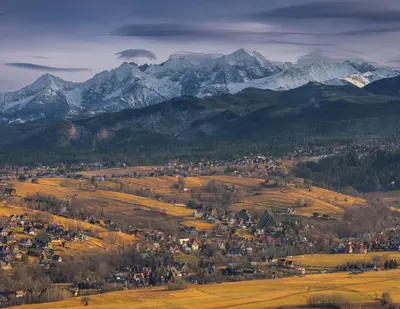
    Lesser Poland (Małopolska) stretches from the Vistula around Krakow (Kraków) to the peaks of the High Tatras on the Slovakian border.

    by Felix Gillen

    1. Home
    2. Destinations
    3. Poland
    4. Małopolska
    Lesser Poland (Małopolska) stretches from the Vistula around Krakow (Kraków) to the peaks of the High Tatras on the Slovakian border. Krakow, capital of the Kingdom of Poland until 1596, serves as the administrative and cultural heart of the Voivodeship; its Old Town, the Wieliczka Salt Mine, and the Auschwitz-Birkenau Memorial together form several UNESCO World Heritage Sites located close by.To the south, the land rises through hills to the Carpathians. Around Zakopane and in the Pieniny, the Goral people define the landscape with their wooden architecture, sheep's cheese, and folk music, and in the villages of Southern Lesser Poland stand Gothic wooden churches that have been World Heritage Sites since 2003.
    Most journeys through Lesser Poland begin in Krakow, with Rynek, Wawel, and the Jewish Quarter Kazimierz. From there, it's only about 13 kilometers to Wieliczka, where the tourist route descends 135 meters deep into the historic Salt Mine. West of Krakow, near Oświęcim, lies the Auschwitz-Birkenau Memorial and Museum, for which you must reserve your visit online in advance. North of the city, Ojców National Park, Poland's smallest, protects a limestone valley with castles and caves.To the south, Zakopane, with its Zakopane Style, Gubałówka, and the cable car to Kasprowy Wierch, is the gateway to the Tatra Mountains. Within the Tatra National Park, a trail from Palenica Białczańska leads to the glacial lake Morskie Oko, above which rises Rysy, Poland's highest peak. Further east, the Dunajec River carves a deep limestone gorge through the Pieniny, which you can navigate on traditional rafts; at Czorsztyn Lake, the castles of Niedzica and Czorsztyn face each other.Between these destinations lie the wooden churches of Southern Lesser Poland, such as St. Michael Archangel Church in Dębno near Nowy Targ. Krakow is also the region's transport hub: the train travels from the airport to the city center in about 17 minutes, and the fastest trains reach Zakopane in just under two hours.
    Wieliczka
    Magistratwieliczka / Wikimedia Commons / CC BY-SA 4.0

    Place 1 of 4

    Wieliczka

    Wieliczka is located about 13 kilometers southeast of Krakow (Kraków) and has lived from salt since the Middle Ages. The first shafts were dug in the 13th century, and the town was granted city rights in 1290.

    Discover
    Pieniny and the Dunajec Gorge

    Place 2 of 4

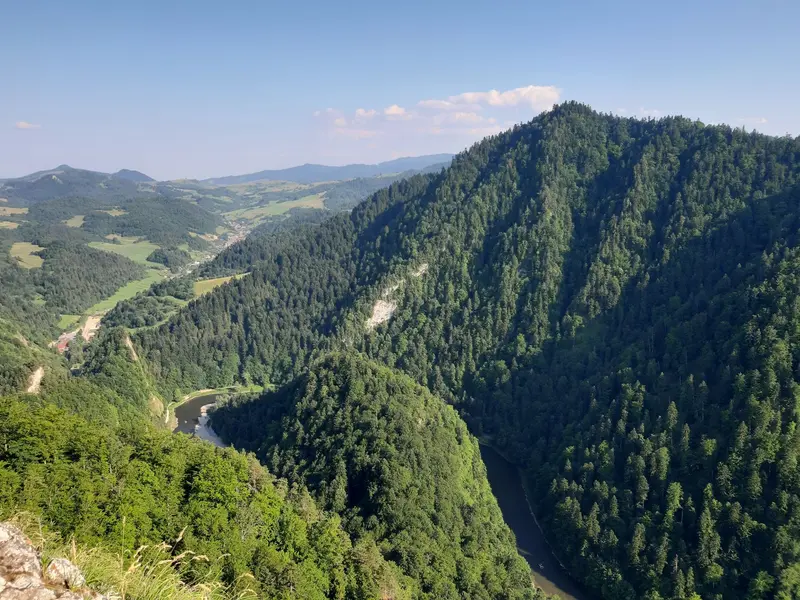
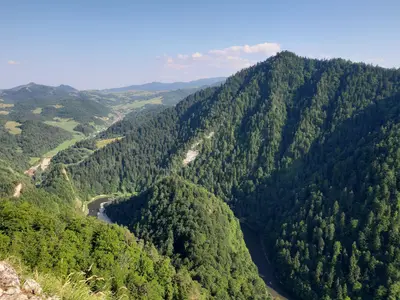
    Pieniny and the Dunajec Gorge

    The Pieniny Mountains are a small limestone range on the border with Slovakia, east of the Tatra Mountains. The Polish Pieniny National Park was established in 1932 as Poland's first national park and covers just over 23 square kilometres.

    Discover
    Krakow (Kraków)

    Place 3 of 4

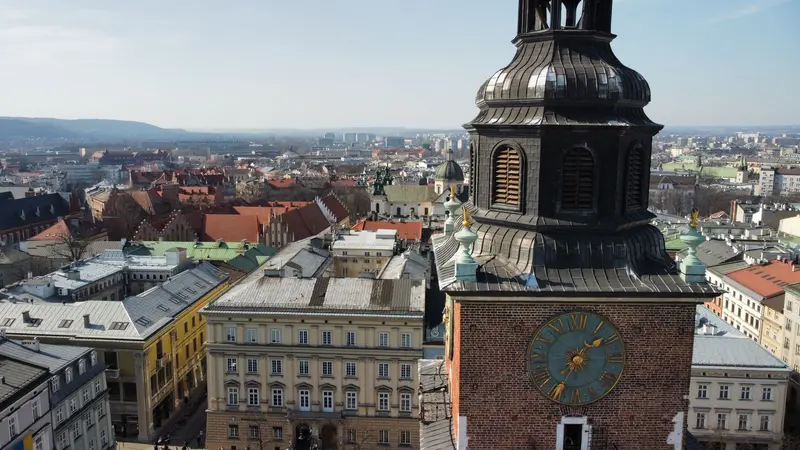
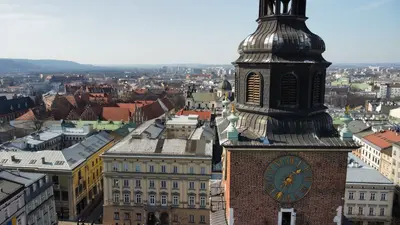
    Krakow (Kraków)

    Krakow (Kraków) lies on the Vistula in southern Poland and, with around 800,000 inhabitants, is the country's second-largest city.

    Discover
    Tatra National Park and Morskie Oko

    Place 4 of 4

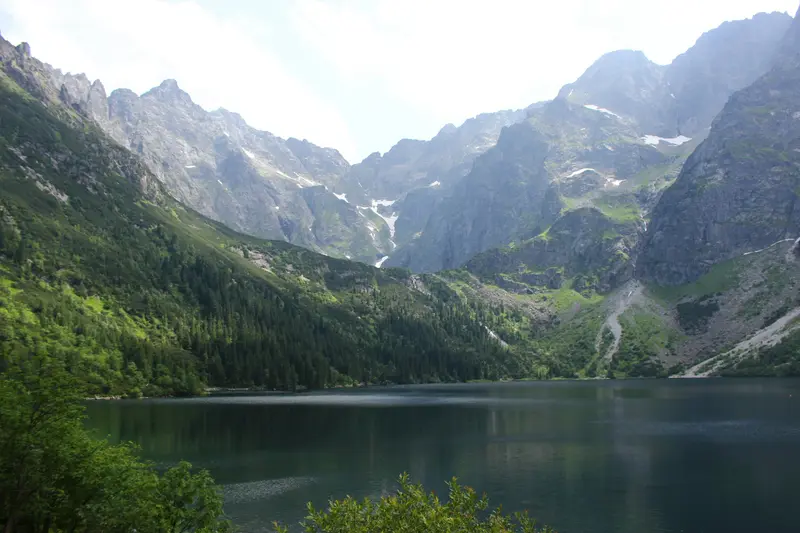
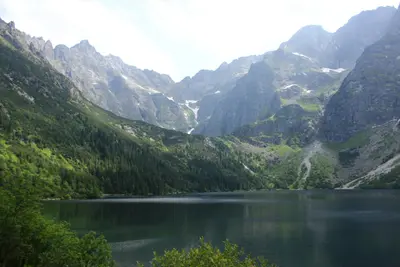
    Tatra National Park and Morskie Oko

    The Tatra National Park (Tatrzański Park Narodowy, TPN) has protected the Polish part of the Tatra Mountains since 1955, covering over 211 square kilometers.

    Discover

    More places in Małopolska

    Zakopane

    Zakopane

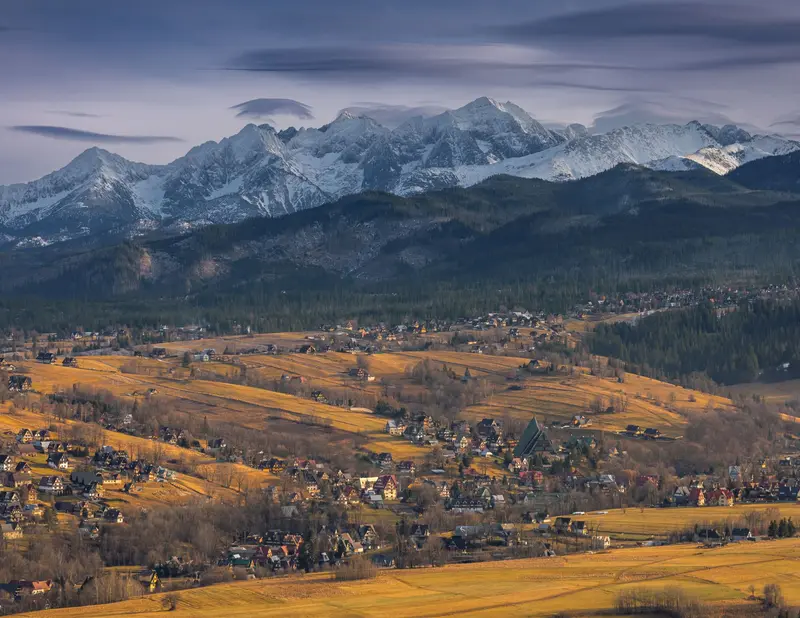
    Zakopane is located at the foot of the High Tatras, at an altitude of around 840 meters, and has a population of over 25,000. The town is considered Poland's winter capital; the railway line from Chabówka, via which you arrive today from Krakow (Kraków), was built starting in 1899; in summer, it is a starting point for hikes in the Tatra National Park, and in winter for skiers and the World Cup ski jumping at Wielka Krokiew.The pedestrian zone Krupówki, with its shops and eateries, forms the town center. From ul. Na Gubałówkę, a funicular railway leads up to the scenic ridge Gubałówka. To the south lies Kuźnice, the valley station for the cable car to Kasprowy Wierch and the starting point for many hiking trails.
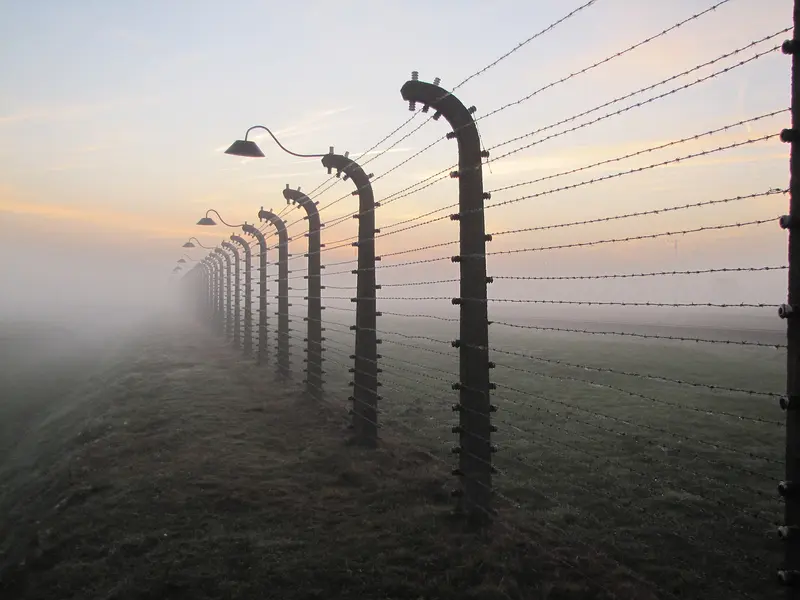
    Auschwitz-Birkenau Memorial Site

    Auschwitz-Birkenau Memorial Site

    The Auschwitz-Birkenau Memorial and State Museum is located on the outskirts of Oświęcim, west of Krakow (Kraków). German occupiers established the camp in 1940, and Auschwitz II-Birkenau was built from October 1941. According to estimates by the Memorial, approximately 1.1 million people were murdered in Auschwitz, about 1 million of them Jews. The victims also included approximately 70,000 Poles, 21,000 Sinti and Roma, 15,000 Soviet prisoners of war, and about 12,000 prisoners of other nationalities.On January 27, 1945, Soviet troops liberated the camp; since 2005, this day has been the International Holocaust Remembrance Day. The Polish Parliament founded the museum on July 2, 1947, and since 1979, the site has been on the UNESCO World Heritage List. The site covers approximately 191 hectares: the former main camp Auschwitz I and the much larger Birkenau, about three kilometers away; a free shuttle bus provided by the Memorial connects both parts. For a visit, you should allow at least half a day.

    Sights in Małopolska

    Discover the most important sights and attractions

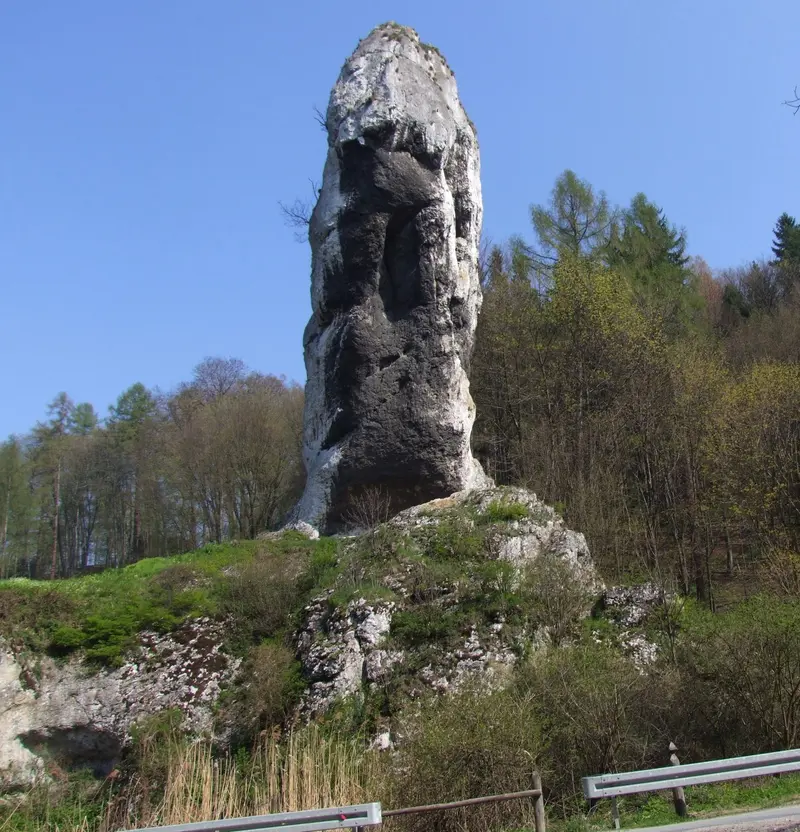
    Hercules' Club (Maczuga Herkulesa)
    Attraction

    Hercules' Club (Maczuga Herkulesa)

    Around 25 meters high limestone column in Pieskowa Skała, east of the Schlossfelsen, one of the landmarks of the Prądnik Valley in Ojców National Park. The yellow hiking trail to Ojców leads past it.
    Open in Google Maps
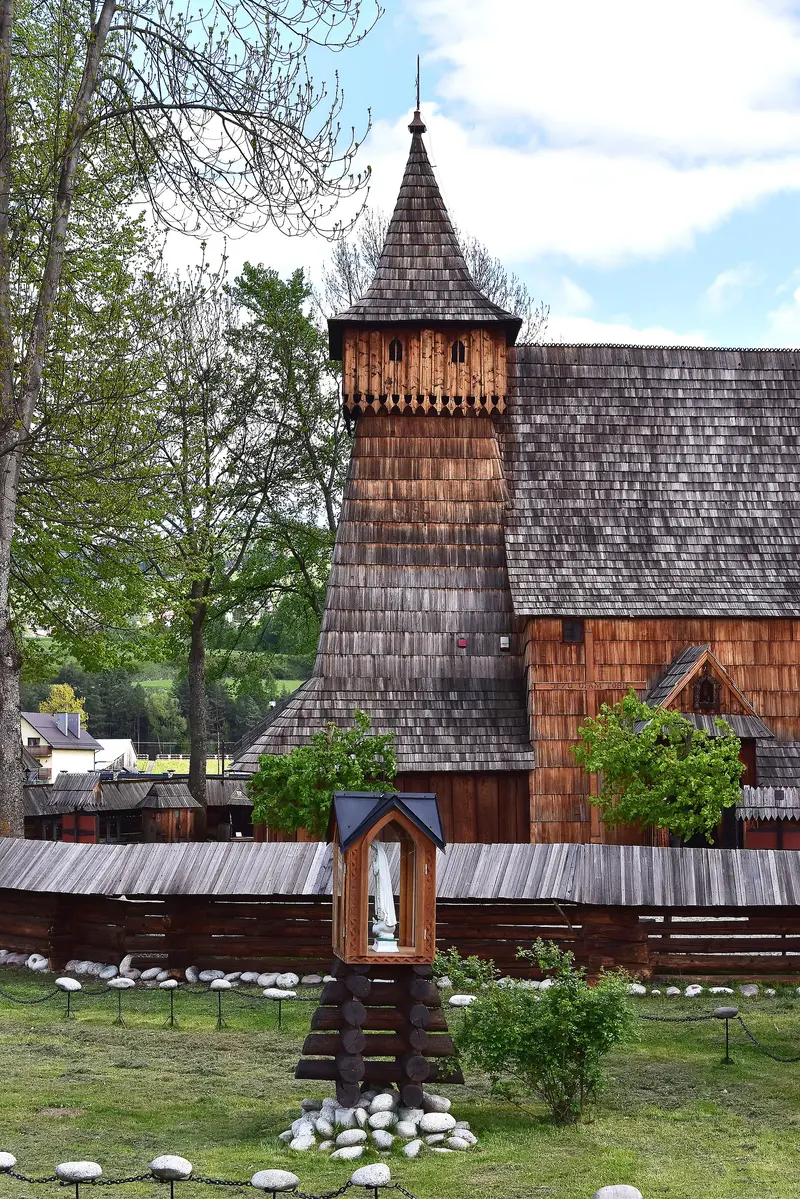
    Wooden Church St. Michael, Dębno
    Church

    Wooden Church St. Michael, Dębno

    The Gothic wooden church from the second half of the 15th century in Dębno Podhalańskie near Nowy Targ has been part of the UNESCO World Heritage Site 'Wooden Churches of Southern Lesser Poland' since 2003.
    Open in Google Maps
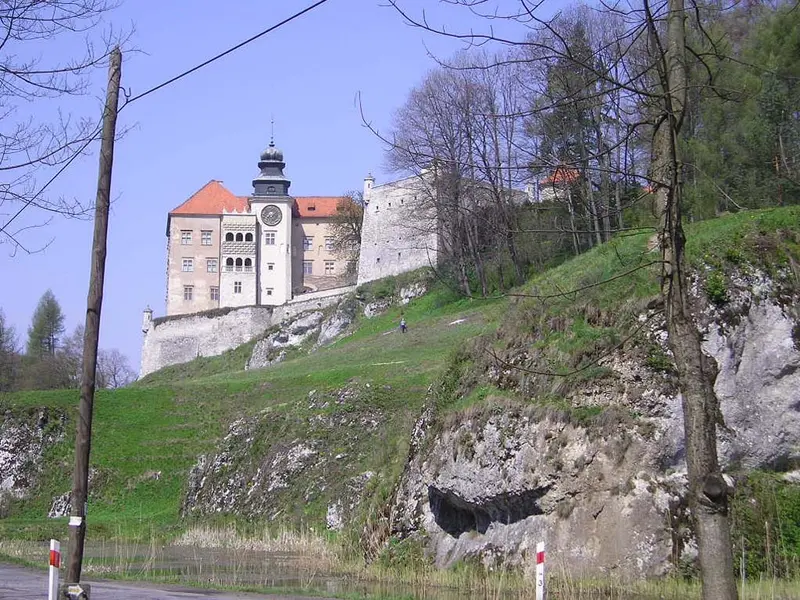
    Pieskowa Skała Castle (Ojców NP)
    Museum

    Pieskowa Skała Castle (Ojców NP)

    Late Renaissance castle on a rock in the Prądnik Valley, on the Eagles' Nests Trail in Ojców National Park north of Krakow. The castle is a branch of Wawel Royal Castle. The park, founded in 1956, is Poland's smallest national park.
    Open in Google Maps

    Videos & Travel Reports

    Wunderschön! Polens Süden: Von der Hohen Tatra nach Krakau

    Ramon Babazadeh fährt mit einem Goralen-Floß durch den Dunajec-Durchbruch im Pieniny-Nationalpark, läuft in der Hohen Tatra, trifft in Zakopane Skispringer Kamil Stoch und erkundet anschließend…
    Round trips through this region

    Poland's Classics by Train

    Poland's Classics by Train

    Just under two weeks by train through Poland's major cities: from the capital Warsaw to Krakow, then on to Wrocław, to the brick city of Toruń, and finally to Gdańsk on the Baltic Sea. From Krakow, you can visit the Wieliczka Salt Mine and the Auschwitz-Birkenau Memorial and Museum as day trips; from Gdańsk, Sopot and Malbork Castle. PKP Intercity long-distance trains connect all stages directly, with the longest journeys lasting around three to three and a half hours. No car is needed for this route.

    12 Days
    9 stops
    Open jaw
    South: Krakow, Tatra and Carpathians

    South: Krakow, Tatra and Carpathians

    Ten days through southern and southeastern Poland: from Krakow to Zakopane in the Tatra Mountains, to the Dunajec Gorge in the Pieniny Mountains, and on to the Bieszczady Mountains, a part of the Eastern Carpathians in the far southeast, bordering Slovakia and Ukraine. On the way back north, the route includes Łańcut Castle, the Renaissance town of Zamość, the artists' town of Kazimierz Dolny, and Lublin. This is a car route, as the Pieniny and Bieszczady Mountains are off the main railway lines. The drive from the Pieniny to the Bieszczady Mountains is the longest leg, at approximately 250 kilometers.

    10 Days
    9 stops
    Open jaw

    Nearby

    Wieliczka

    Wieliczka

    Wieliczka is located about 13 kilometers southeast of Krakow (Kraków) and has lived from salt since the Middle Ages. The first shafts were dug in the 13th century, and the town was granted city rights in 1290. Salt mining ended in 1996; the mine has been on the UNESCO World Heritage list since 1978, joined by the Bochnia mine in 2008, and the Saltworks Castle in 2013. Together, they form the World Heritage site Royal Salt Mines Wieliczka and Bochnia.Most visitors come for the underground tourist route, but the town itself is also worth a tour. At Rynek Górny, the buildings follow the medieval layout, while Rynek Dolny was once a trading place for salt and is located by the Regis Shaft. The town also features the Saltworks Castle, the wooden St. Sebastian's Church, and a brine graduation tower.
    Pieniny and the Dunajec Gorge

    Pieniny and the Dunajec Gorge

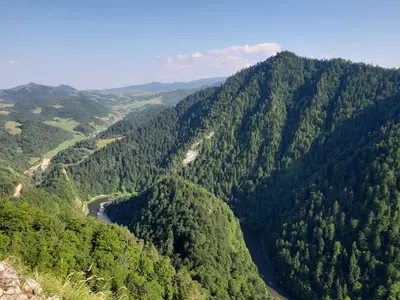
    The Pieniny Mountains are a small limestone range on the border with Slovakia, east of the Tatra Mountains. The Polish Pieniny National Park was established in 1932 as Poland's first national park and covers just over 23 square kilometres. The highest peak of the central massif is Trzy Korony (Three Crowns) at 982 metres, from whose viewing platform on Okrąglica you look deep into the valley.The Pieniny Mountains are primarily known for the Dunajec Gorge: The river has carved its way in loops between steep limestone cliffs. On wooden rafts, the region's rafters take visitors from Sromowce through the gorge to Szczawnica or Krościenko. West of this, the castles of Niedzica and Czorsztyn face each other across the Czorsztyn Reservoir.
    Krakow (Kraków)

    Krakow (Kraków)

    Krakow (Kraków) lies on the Vistula in southern Poland and, with around 800,000 inhabitants, is the country's second-largest city. Until 1596, it was the capital of the Kingdom of Poland; on Wawel Hill, kings were crowned until 1734 and most of them were interred. Since 1978, its historic center—the Old Town, Wawel, Stradom, and Kazimierz—has been a UNESCO World Heritage site.The Old Town (Stare Miasto) surrounds the Rynek Główny, whose layout dates back to 1257. A green belt, the Planty, occupies the site of the former city fortifications; the historic Royal Route begins at St. Florian's Gate and led coronation processions up to Wawel. South of it lies Kazimierz, founded as a separate city in 1335 and for centuries a center of Jewish life. Today, synagogues, cafés, and bars mingle there.Beyond the Vistula lies Podgórze, where German occupiers established the ghetto in 1941; in the Zabłocie district stands Oskar Schindler's former enamel factory. To the east, Nowa Huta is an industrial city of the socialist era, incorporated in 1951.
    Zakopane

    Zakopane

    Zakopane is located at the foot of the High Tatras, at an altitude of around 840 meters, and has a population of over 25,000. The town is considered Poland's winter capital; the railway line from Chabówka, via which you arrive today from Krakow (Kraków), was built starting in 1899; in summer, it is a starting point for hikes in the Tatra National Park, and in winter for skiers and the World Cup ski jumping at Wielka Krokiew.The pedestrian zone Krupówki, with its shops and eateries, forms the town center. From ul. Na Gubałówkę, a funicular railway leads up to the scenic ridge Gubałówka. To the south lies Kuźnice, the valley station for the cable car to Kasprowy Wierch and the starting point for many hiking trails.
    Tatra National Park and Morskie Oko

    Tatra National Park and Morskie Oko

    The Tatra National Park (Tatrzański Park Narodowy, TPN) has protected the Polish part of the Tatra Mountains since 1955, covering over 211 square kilometers. Together with the Slovak National Park, it has formed a cross-border UNESCO Biosphere Reserve since 1993. Here, Rysy (2,499 meters on the Polish side) is Poland's highest peak; chamois, marmots, brown bears, and lynxes live in the forests and cirques.The most famous destination is Morskie Oko, a glacial lake at an altitude of 1,395 meters in the Rybi Potok Valley at the foot of the Mięguszowieckie Szczyty. Covering almost 35 hectares, it is the second-largest lake in the Tatra after Wielki Staw and up to approximately 51 meters deep. From the Palenica Białczańska car park, an approximately 8.5-kilometer-long asphalt road leads up, which is closed to private cars.

    Sources & method

    • Photos: Wikimedia Commons, Pexels. Each photo carries its credit.
    • Place data such as addresses and ratings comes from Google Maps.
    • Video reportages: Wunderschön! Polens Süden: Von der Hohen Tatra nach Krakau
    • The content is based on web research from public, traceable sources. How the content is made · The role of AI