Navarra in northern Spain is a region of contrasts, extending from the Pyrenees to the semi-desert of Bardenas Reales. It has a long history as an independent kingdom, a vibrant culture, and is located along a central section of the Camino de Santiago. Here you will find medieval towns, green valleys, and the internationally renowned Sanfermines in Pamplona.
Place 1 of 4
Bardenas Reales
The Bardenas Reales Natural Park in southern Navarra has been a UNESCO Biosphere Reserve since 2000. It consists of a semi-desert landscape where rainfall has washed unusual gypsum and clay formations, such as the Cabezo de Castildetierra.
Olite is known for its Palacio Real, a Gothic palace complex that served as the residence of the Kings of Navarre until Navarre's unification with Castile in the 16th century.
Navarra's capital is internationally renowned for the Sanfermines and its July bull runs. Year-round, the old town, historical fortifications, and vibrant food scene are well worth a visit.
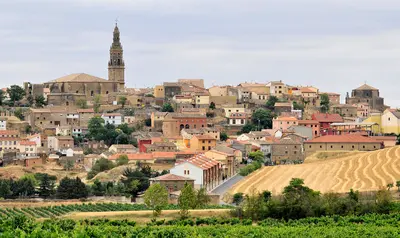
Tudela, in the south of Navarra, is the region's second-largest city and the main town of the Ribera on the Ebro. In the Middle Ages, Muslims, Jews, and Christians lived here side-by-side; their traces can still be found today in the winding streets of the old town. Tudela is also known for the vegetables from its fertile Ribera gardens. The city combines tradition and modern life.
Sights in Navarra
Discover the most important sights and attractions
Church
Roncesvalles
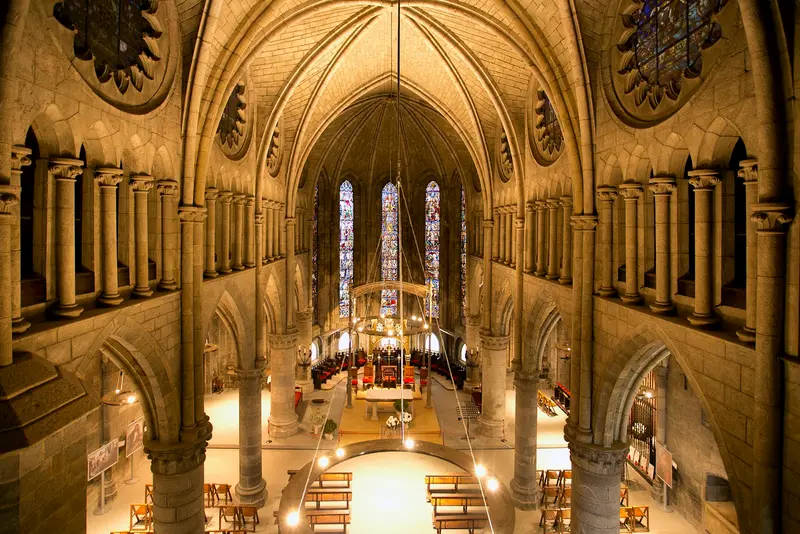
This small village at the foot of the Ibañeta Pass is the first major stop on the Camino de Santiago after crossing the Pyrenees. Its focal point is the Royal Collegiate Church of Santa María with the Augustinian monastery, founded in 1132. In this area, Basques annihilated Charlemagne's rearguard under Roland on August 15, 778, an event that became the basis for the Song of Roland.
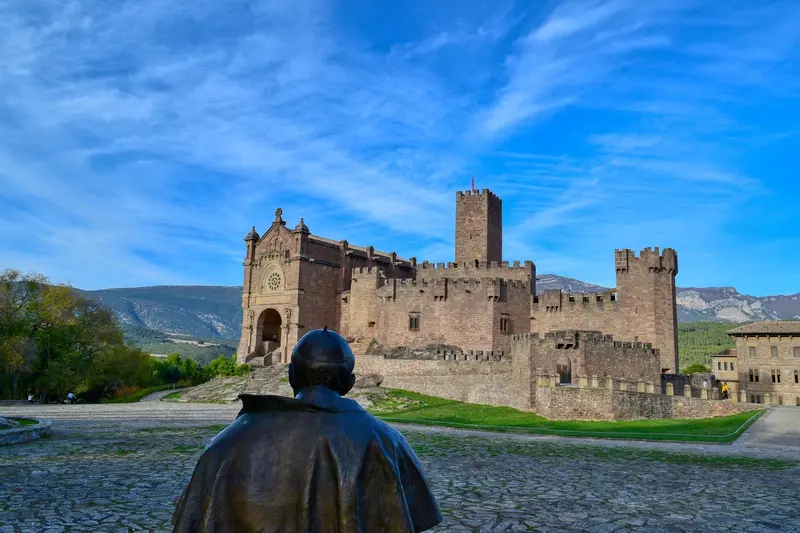
In the castle on a hill near Sangüesa, Saint Francis Xavier, the patron saint of Navarre, was born. Its origins date back to the 10th century; the dilapidated complex was rebuilt and a basilica added at the end of the 19th century. A museum recounts the saint's life; in early March, the castle is the destination of the great Javierada pilgrimage.
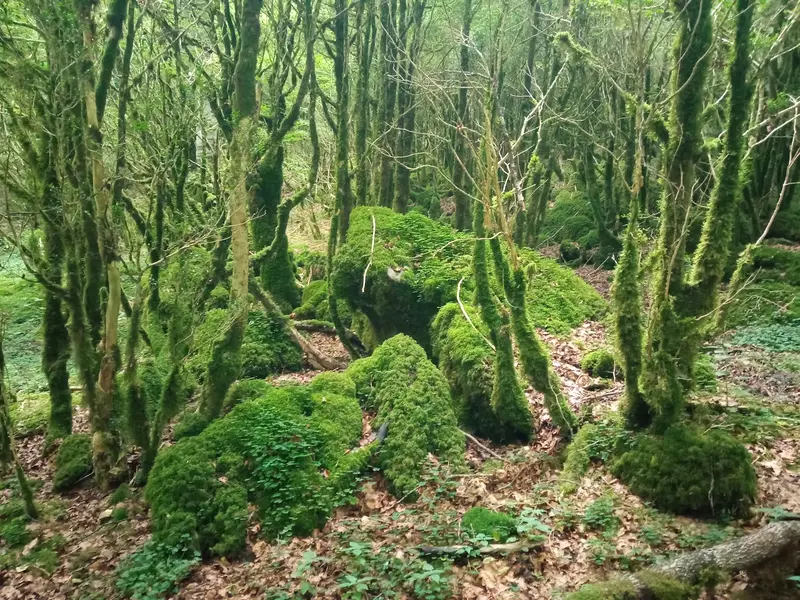
Covering approximately 17,000 hectares, the Selva de Irati is Europe's second-largest beech-fir forest, after the Black Forest. Access is via Orbaizeta in the Aezkoa Valley and Ochagavía in the Salazar Valley; the 1922-completed Irabia Reservoir lies within the forest. In autumn, the leaves turn, and the deer rut can be heard in the forests.
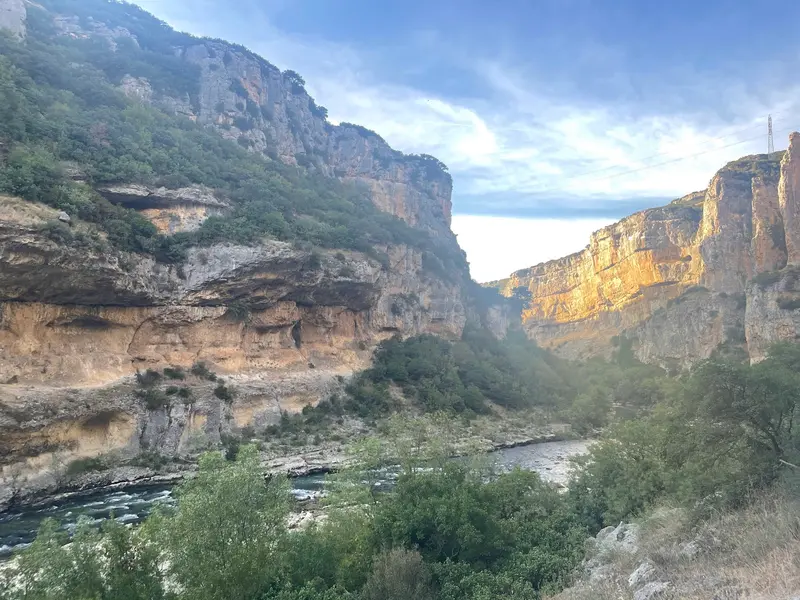
Near Lumbier, about 35 kilometers from Pamplona, the Río Irati has carved a good kilometer-long gorge through the limestone. The rock faces, 150 to 400 meters high, host a large colony of Griffon Vultures, and Egyptian Vultures also breed here. The area is protected as a nature reserve.