The Basque Country (País Vasco, Basque Euskadi) is an autonomous community in northern Spain with its own language, distinct culture, and long history.
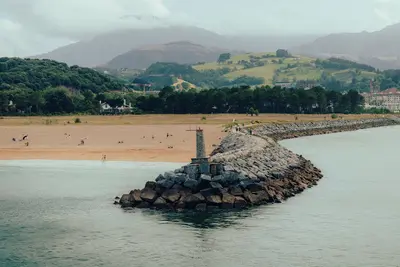
The Basque Country (País Vasco, Basque Euskadi) is an autonomous community in northern Spain with its own language, distinct culture, and long history. The Atlantic coast with sandy beaches and steep cliffs, green hills and mountains inland, vibrant cities, an internationally renowned cuisine, and modern architecture characterize the region.
Place 1 of 4
Bilbao
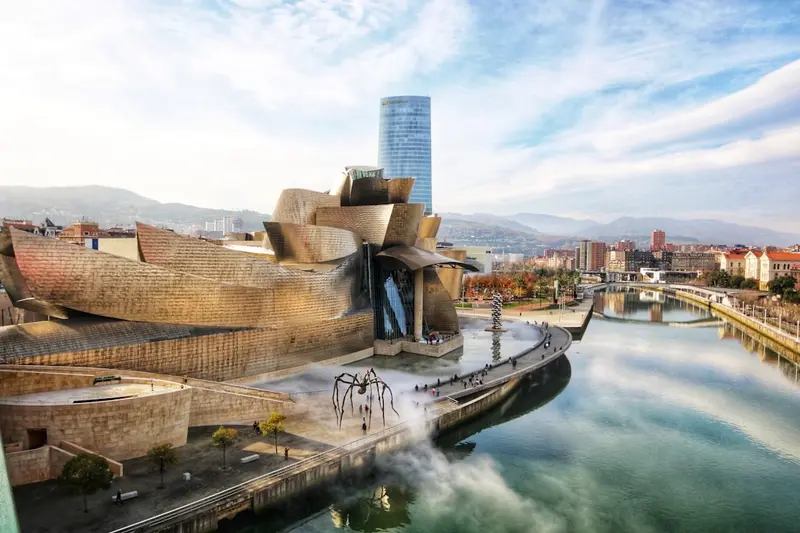
Bilbao is the largest city in the Basque Country and a prime example of successful urban regeneration. The Guggenheim Museum has transformed the former industrial city into a hub for art and culture.
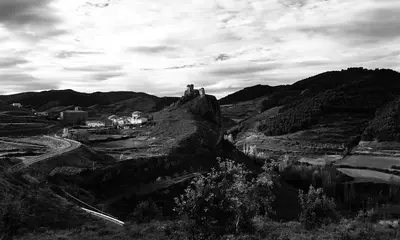
Rioja Alavesa, in the south of the Basque Country, belongs to the Rioja wine region. Gentle hills full of vineyards, traditional bodegas, and modern wineries with striking architecture define the landscape.
Vitoria-Gasteiz is the seat of the Basque Government and Parliament and was the 'European Green Capital' in 2012. The city has a well-preserved medieval center, many parks and green spaces, and a relaxed atmosphere.
On the coast near Zumaia, the Flysch Route exposes geological layers that document many millions of years of Earth's history. The steeply uplifted rock layers shape an impressive cliff coast, which belongs to the UNESCO Geopark of the Basque Coast.
Sights in Basqueland
Discover the most important sights and attractions
Church
San Juan de Gaztelugatxe
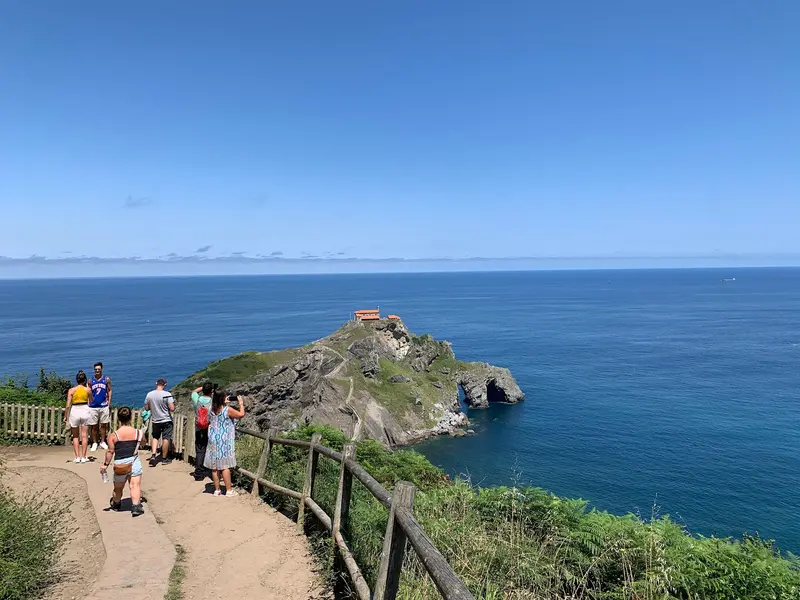
The small rocky island between Bakio and Bermeo is linked to the mainland by a masonry stone bridge. You ascend 237 steps to the hermitage, whose church was first mentioned in 1053. The island served as a filming location for the series Game of Thrones.
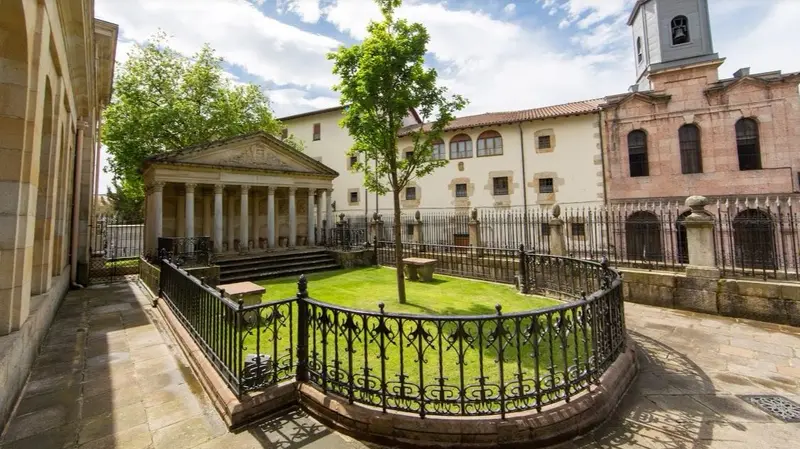
Under the Tree of Gernika, Bizkaia's representatives once deliberated, and Castilian kings swore here to respect special Basque rights. Next to it stands the Provincial Assembly House, with a stained-glass window depicting the tree. On April 26, 1937, aircraft of the German Legion Condor and the Italian Air Force destroyed the town; Picasso captured the event in his painting Guernica, and a peace museum commemorates it.
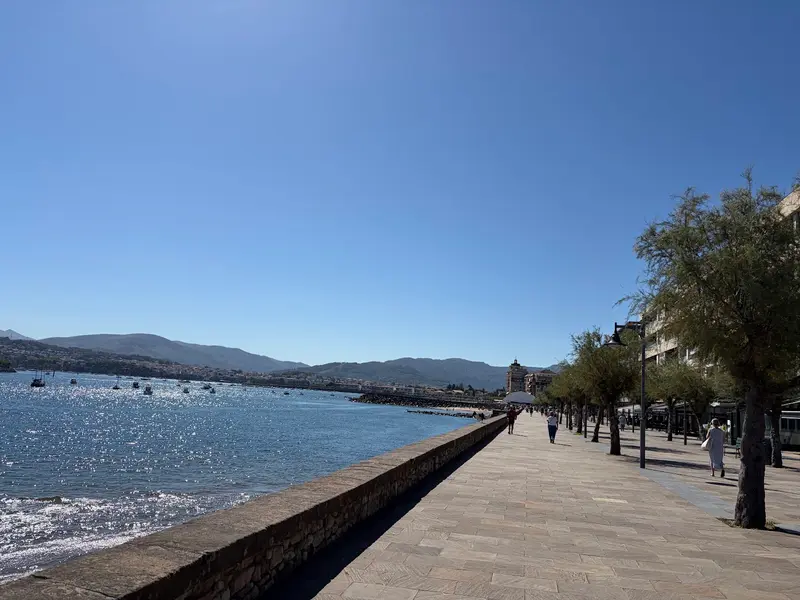
The border town is situated at the mouth of the Bidasoa, opposite French Hendaye. Its old town is completely encircled by a city wall and, with its mansions, protected as a historical ensemble; on the Plaza de Armas stands Charles V's Castle, now a Parador. Outside the walls lies the picturesque fishing district of La Marina.
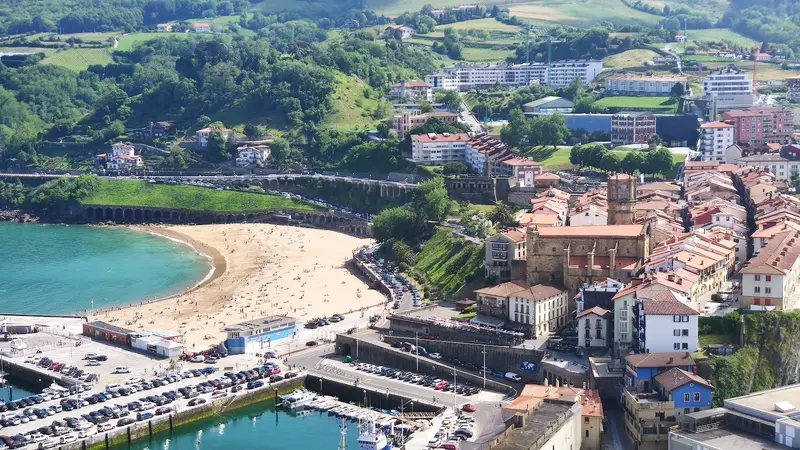
The coastal town is the birthplace of Juan Sebastián Elcano, who completed the first circumnavigation of the world, and of fashion designer Cristóbal Balenciaga, to whom a museum has been dedicated since 2011. In the Gothic church of San Salvador, the Juntas Generales of Gipuzkoa met for the first time in 1397. In front of the harbour lies Monte San Antón, called El Ratón (The Mouse) due to its shape, and all around grow the vines for Txakoli.